Motor Impairment: The Psychology of Movement
Scientifically Reviewed · Dr. Marwa Abd-Alazim · August 28, 2026
Review Criteria & Clinical Standards
This content undergoes rigorous scientific peer-review and medical editorial standards at Arab Psychology Network to ensure clinical accuracy, validity, and compliance with evidence-based guidelines from leading psychological and healthcare authorities (APA / WHO).
Historical and Definitional Context of Palsy
The term palsy represents an archaic and largely obsolete nomenclature within contemporary medical and neurological practice, fundamentally referring to an impairment of motor function, frequently encompassing weakness, tremor, or involuntary movements. Historically, palsy was used interchangeably with paralysis, a broader term signifying the complete or near-complete loss of muscle function or sensation. This linguistic legacy stems from pre-modern medical theories, where precise distinctions between various forms of motor impairment were less defined than they are in modern neurology. While its general use has diminished, the term persists robustly in several highly specific and clinically significant compound diagnoses, such as Bell’s palsy, Progressive Supranuclear Palsy (PSP), and Cerebral Palsy (CP), illustrating a crucial overlap between historical terminology and established clinical entities. Understanding the etymology and evolution of this word is vital for interpreting older medical texts and appreciating the subtle differences in diagnostic specificity that have emerged over the centuries, particularly as the understanding of the central and peripheral nervous systems matured.
The persistence of palsy in specialized contexts often highlights a specific quality of the motor deficit that differentiates it from total paralysis. For instance, in many conditions designated as ‘palsies,’ the deficit involves localized weakness or difficulty controlling movement rather than a complete flaccid loss of power, frequently coupled with sensory changes or pain, reflecting damage to specific cranial nerves or localized brain regions. The shift away from generic terminology was accelerated by advances in neuroanatomy and imaging technologies during the 19th and 20th centuries, allowing clinicians to pinpoint the exact physiological locus of the dysfunction, whether it be axonal damage, demyelination, or cortical lesion. This movement toward precision demanded a nomenclature that accurately reflected the underlying pathology, prompting the widespread adoption of terms like paresis (partial paralysis) or specific neurological disorder classifications, yet the established clinical names containing palsy remained enshrined due to decades of consistent usage in medical literature and patient communication.
One of the primary psychological implications of receiving a diagnosis that includes the term palsy, particularly in older individuals or those familiar with historical language, is the immediate association with severe or debilitating weakness. While modern medical education emphasizes the precise nature of these conditions—for example, Bell’s Palsy is often transient—the initial reaction can involve significant anxiety related to historical connotations of permanent disability. Therefore, effective communication by healthcare providers must explicitly address this historical baggage, clarifying that the modern clinical entity is defined by specific symptoms and prognosis, which may be far less severe or permanent than the generalized concept of “palsy” suggests. This initial educational intervention is critical for managing patient expectations and mitigating the acute psychological distress associated with the diagnostic label.
Palsy versus Modern Concepts of Paralysis
The crucial distinction between palsy and paralysis in contemporary neurology rests primarily on the degree and nature of motor impairment. Paralysis, or plegia, denotes a profound or total loss of voluntary movement in a specific body part, often resulting from a severe lesion in the motor pathways, such as a spinal cord injury or massive stroke. Conversely, palsy, in its surviving usage, generally implies a state of reduced or impaired motor control—a partial paralysis, tremor, or weakness often localized to a specific muscle group or nerve distribution. This differentiation is not merely semantic; it guides prognosis, treatment planning, and psychological adaptation. A patient experiencing Bell’s Palsy, for example, retains some residual function or the potential for complete recovery, whereas a diagnosis of hemiplegia following a stroke implies a potentially permanent and total deficit on one side of the body, leading to profoundly different long-term psychological and physical adjustment trajectories.
The clinical assessment of these conditions utilizes quantifiable measures to define the extent of the deficit, often employing standardized scales to grade muscle strength (such as the Medical Research Council scale) and evaluate functional capacity. When a condition is termed a palsy, the focus shifts to the specific nerve or brain region responsible for the impairment, allowing for highly targeted interventions. For instance, the diagnostic process for a specific cranial nerve palsy requires detailed electrophysiological testing to assess the extent of nerve damage and determine if the lesion is demyelinating or axonal, which directly impacts the likelihood and speed of recovery. This meticulous diagnostic process provides the psychological benefit of reducing uncertainty, giving the patient concrete information about the physical source of their affliction, which is often a critical step in managing the distress associated with unexplained weakness or disfigurement.
Furthermore, the term palsy often captures conditions that include prominent features beyond simple weakness, such as the involuntary movements or tremors seen in conditions historically referred to as “shaking palsy” (now Parkinson’s disease) or the spasticity and balance issues associated with Cerebral Palsy. These involuntary components often impose a greater psychological burden than pure flaccid paralysis because they interfere unpredictably with fine motor tasks, communication, and social interaction. A person with a visible tremor or uncontrolled facial movements may face significant social anxiety, fear of judgment, and avoidance behaviors, necessitating specialized psychological support focusing on coping strategies, self-acceptance, and managing public perception. The psychological management of these motor conditions must therefore be tailored to address the unique blend of weakness, involuntary movement, and functional limitation inherent in the specific type of palsy diagnosed.
Focus Area 1: Bell’s Palsy and Facial Nerve Involvement
Bell’s palsy is perhaps the most commonly recognized condition retaining the historical term, characterized by the sudden onset of idiopathic (unknown cause) unilateral facial paralysis or weakness resulting from inflammation or damage to the seventh cranial nerve (Facial Nerve). The psychological impact of Bell’s palsy is often immediate and severe, primarily due to the sudden and highly visible alteration of facial symmetry and function. Patients typically report difficulties with eye closure, drooping mouth, impaired taste sensation, and an inability to produce facial expressions on the affected side, which profoundly affects communication, eating, and social interaction. For many, the initial presentation is mistaken for a stroke, leading to acute panic and distress, even before a definitive diagnosis is established. The sudden threat to body image and social presentation constitutes a significant psychological trauma that requires immediate empathetic intervention and clear information regarding the typically favorable prognosis.
The psychological distress associated with Bell’s palsy is multifaceted. It involves not only the fear of permanent disfigurement but also functional limitations that impact daily life. Speaking clearly, expressing emotion, and even simple tasks like drinking water can become challenging, leading to withdrawal, frustration, and performance anxiety in social or professional settings. The severity of the distress often correlates poorly with the physical severity of the palsy; even mild deficits can cause significant emotional turmoil, especially in professions reliant on public interaction or appearance. Furthermore, a small percentage of patients experience synkinesis during recovery (involuntary movement of one muscle group when another is intentionally moved, e.g., the eye closing when smiling), which can become a persistent source of frustration and dissatisfaction with recovery outcomes, requiring specialized psychological techniques like biofeedback and focused physical therapy to manage.
Effective management of the psychological sequelae of Bell’s palsy involves a rapid, multidisciplinary approach. Acute care focuses on reducing inflammation (often with corticosteroids) and protecting the eye, while psychological support centers on managing anxiety and providing psychoeducation regarding the expected recovery timeline, which can range from weeks to several months. Support groups or peer counseling can be highly beneficial, allowing patients to share experiences regarding coping with temporary disfigurement and the challenges of regaining control over facial expressions. Crucially, the psychological intervention must address the potential for chronic symptoms, helping patients develop acceptance and adaptive strategies should full recovery not be achieved, thereby preventing the development of chronic depression or adjustment disorder related to body image disturbance.
Focus Area 2: Progressive Supranuclear Palsy (PSP)
In stark contrast to Bell’s palsy, Progressive Supranuclear Palsy (PSP) is a devastating, atypical Parkinsonian syndrome and neurodegenerative disorder characterized primarily by gait instability, frequent falls, and a unique form of gaze palsy—the inability to voluntarily move the eyes, particularly in the vertical direction. PSP is a relentlessly progressive condition, signifying the permanent and increasing loss of function over time, which exerts an overwhelming psychological burden on both the patient and their caregivers. Unlike idiopathic Parkinson’s disease, PSP often involves significant early cognitive impairment, including frontal lobe dysfunction, leading to severe apathy, reduced emotional expressiveness, and difficulty with executive functions, further complicating the patient’s ability to cope with their physical decline. The diagnosis of PSP often triggers a period of profound existential distress, as patients face a clear prognosis of ongoing physical and cognitive deterioration.
The specific symptom of vertical gaze palsy severely impacts quality of life and safety. Patients struggle to look down (e.g., to read, eat, or navigate stairs) or up, increasing the risk of falls—a major cause of morbidity and psychological fear. The apathy and emotional blunting associated with PSP, while potentially masking deep sadness, often strain familial relationships. Caregivers frequently misinterpret the apathy as depression or lack of motivation, leading to frustration and exhaustion. Psychological intervention for PSP must therefore be dual-focused: supporting the patient in maintaining dignity and autonomy despite progressive decline, and providing extensive psychoeducation and emotional support to caregivers dealing with the profound behavioral and physical changes characteristic of the disease. Specialized communication strategies are often necessary to penetrate the emotional and motor barriers imposed by the disorder.
The terminal nature and lack of definitive cure for PSP necessitate an ongoing focus on palliative care and maximizing remaining functional capacity. Psychological strategies involve anticipatory grief counseling, helping patients and families navigate the difficult decisions regarding advanced care planning, and utilizing specialized therapies to address dysphagia (swallowing difficulties) and communication barriers. The psychological resilience of the patient is constantly tested by the progressive nature of the gaze palsy and mobility issues, requiring continuous adjustment to new limitations. The role of the clinical psychologist in the multidisciplinary PSP team is crucial for facilitating adaptation, managing complex behavioral symptoms, and ensuring that the patient’s emotional needs are met throughout the trajectory of the illness, reinforcing the importance of quality of life over curative measures.
Focus Area 3: Cerebral Palsy (CP) and Developmental Impacts
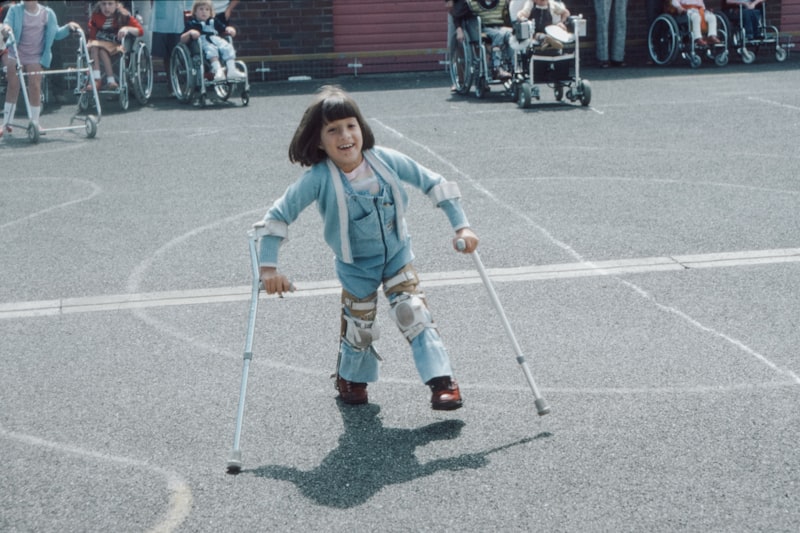
Cerebral Palsy (CP), an essential condition retaining the term palsy, is a group of permanent disorders of the development of movement and posture, causing activity limitation, that are attributed to non-progressive disturbances that occurred in the developing fetal or infant brain. CP is not a single disease but rather a spectrum of motor impairments, including spastic, ataxic, dyskinetic, and mixed forms. The term palsy here accurately reflects the lifelong presence of impaired motor control and coordination, rather than a total paralysis. The psychological and developmental impact of CP is immense, spanning issues from early self-concept formation to adult independence. Children with CP face unique challenges in achieving developmental milestones, participating in peer activities, and navigating educational systems, which often leads to feelings of exclusion, learned helplessness, and difficulties with social integration.
Psychological management in CP is often integrated with physical and occupational therapy from infancy onward. Key areas of focus include fostering a positive self-image, promoting autonomy, and addressing common co-occurring mental health issues such as anxiety, depression, and attention deficit hyperactivity disorder (ADHD). Because CP is a non-progressive disorder, psychological interventions emphasize maximizing the utilization of existing abilities and leveraging adaptive technologies to bridge functional gaps. For instance, counseling may focus on teaching effective coping mechanisms for dealing with chronic pain and fatigue, which are common secondary consequences of muscular spasticity and orthopedic challenges. Furthermore, addressing the potential impact of CP on cognitive function and learning disabilities requires careful psychological assessment to ensure educational accommodations are appropriately tailored to the individual’s needs.
As individuals with CP transition into adolescence and adulthood, psychological challenges often shift towards issues of identity, sexuality, career planning, and independent living. They must navigate societal prejudices and accessibility barriers, which can significantly affect self-esteem and vocational success. Therapeutic interventions during this stage often involve assertiveness training, vocational counseling, and support for establishing healthy intimate relationships. The overarching psychological goal is to help the individual view their CP as a characteristic requiring adaptation rather than an insurmountable deficit, promoting resilience and advocating for full participation in society. This complex, developmental focus highlights how conditions classified as a ‘palsy’ require sustained psychological support across the entire lifespan.
The Psychological Burden of Palsy Conditions
The psychological burden associated with conditions classified under the umbrella of palsy is often disproportionate to the physical limitations themselves, stemming from the suddenness, visibility, and chronicity of the symptoms. For acute conditions like Bell’s palsy, the primary burden is the acute shock, body image disturbance, and social anxiety related to temporary disfigurement. For chronic, progressive disorders like PSP or lifelong conditions like CP, the burden shifts to managing chronic pain, anticipatory grief, loss of independence, and the profound emotional strain on family structures. A common theme across all these diagnoses is the disruption of the individual’s narrative of self and future expectations, demanding a significant psychological reorganization to incorporate the physical changes into a stable identity. This identity shift often necessitates grieving the loss of prior function or anticipated life paths.
Specific mental health consequences frequently observed include adjustment disorders, generalized anxiety disorder, and clinical depression. The feeling of lack of control over one’s own body movements, whether due to weakness or involuntary spasms, is inherently distressing and can lead to heightened vigilance and hyper-arousal, contributing to anxiety. Furthermore, social withdrawal is a prevalent coping mechanism, particularly when the palsy affects communication (e.g., facial movement, speech articulation, or tremor), leading to social isolation that exacerbates depressive symptoms. The psychological assessment must meticulously evaluate the interplay between physical symptoms (e.g., fatigue from constant spasticity) and emotional state, ensuring that symptoms of depression are not misattributed solely to the physical disease process, but rather are treated as co-morbid mental health conditions requiring targeted psychotherapeutic and potentially pharmacological interventions.
Addressing this psychological burden effectively requires integrating mental health services directly within the neurological or rehabilitation setting. Techniques such as Cognitive Behavioral Therapy (CBT) are highly effective in challenging catastrophic thinking patterns related to prognosis and self-worth, particularly in conditions where recovery is possible (like Bell’s palsy) or where adaptation is mandatory (like CP). For progressive disorders, therapies focused on meaning-making, dignity conservation, and acceptance and commitment therapy (ACT) can help patients find value and purpose despite declining function. The goal is always to empower the patient, reinforcing their capacity for agency and decision-making even when physical control is compromised, thereby mitigating the pervasive sense of helplessness inherent in these diagnoses.
Diagnostic Evolution and Neurological Assessment
The evolution of the term palsy from a vague descriptor to a component of precise diagnoses reflects advancements in neurological assessment tools. Modern diagnosis relies heavily on differentiating the exact location and etiology of the motor impairment. Key diagnostic tools include Magnetic Resonance Imaging (MRI) to identify structural lesions (e.g., brain atrophy in PSP or congenital lesions in CP), Electromyography (EMG) and Nerve Conduction Studies (NCS) to assess the integrity of peripheral nerves (critical in diagnosing Bell’s palsy and differentiating it from other causes of facial weakness), and specialized motor function tests. This precision is invaluable for the patient’s psychological well-being, replacing the ambiguity of “weakness” with a clear, scientifically grounded explanation for their symptoms. The process of receiving a clear diagnosis, even if severe, often reduces the anxiety associated with the unknown.
The neurological assessment for conditions involving palsy is inherently multidisciplinary, requiring input from neurologists, physiatrists (rehabilitation medicine specialists), and often neuropsychologists. Neuropsychological evaluation is vital, particularly in conditions like PSP or certain types of CP, where motor symptoms are accompanied by cognitive deficits. These evaluations quantify attention, memory, executive function, and mood, providing a baseline against which progressive decline can be measured and allowing for targeted cognitive rehabilitation strategies. From a psychological perspective, the diagnostic process itself must be handled sensitively; delivering news of a chronic or progressive condition requires careful staging, ensuring the patient fully understands the implications while simultaneously providing hope through realistic treatment goals and support systems.
Furthermore, in the diagnostic phase, it is crucial to exclude treatable or reversible causes of weakness that might mimic a chronic palsy. For instance, inflammatory conditions, infections (such as Lyme disease, which can mimic Bell’s palsy, as noted in the original clinical example), or autoimmune neuropathies must be rigorously ruled out. The inclusion of the clinical anecdote—”Alicia was sure her fatigue was attributed to the Bell’s palsy she was diagnosed with last year, but as it would turn out, she had Lyme disease“—underscores the psychological importance of accurate differential diagnosis. Misattribution of persistent symptoms to a prior palsy diagnosis can delay the treatment of a different underlying etiology, leading to prolonged distress and avoidable physical deterioration. Therefore, the psychological safety of the patient is directly linked to the rigor of the neurological diagnostic process.
Therapeutic Interventions and Rehabilitation Strategies
Therapeutic interventions for conditions involving palsy are highly individualized, focusing on maximizing functional independence and mitigating the psychological distress caused by motor limitations. For localized nerve palsies, treatments include physical therapy aimed at maintaining muscle tone, preventing contractures, and promoting nerve recovery. For chronic conditions like CP, lifelong rehabilitation involves a combination of orthotics, assistive devices, pharmacological management of spasticity (e.g., baclofen), and surgical interventions to correct orthopedic deformities. Psychological support is interwoven throughout this rehabilitation process, addressing motivation, adherence to rigorous therapy schedules, and managing the inevitable plateaus or setbacks that occur during long-term recovery.
The role of psychological intervention in rehabilitation is critical for achieving optimal physical outcomes. Patients undergoing intensive physical therapy for a motor palsy often experience fatigue, frustration, and pain, which can lead to low compliance. Psychologists utilize techniques such as motivational interviewing, goal setting, and pain management strategies (including relaxation techniques and mindfulness) to enhance engagement and persistence. For conditions involving highly visible symptoms, such as the gait issues in PSP or the facial asymmetry in Bell’s palsy, occupational therapy works alongside psychology to develop adaptive strategies for activities of daily living and social interaction, focusing on restoring confidence in public settings. The success of rehabilitation is often measured not just by physical recovery, but by the patient’s self-efficacy and successful reintegration into their social environment.
Specific psychological strategies are employed depending on the nature of the motor impairment.
- Biofeedback Training: Used for conditions like Bell’s palsy to help patients regain fine motor control over facial muscles and minimize synkinesis by providing real-time feedback on muscle activity.
- Support Groups: Essential for chronic and progressive palsies (like CP or PSP) to reduce isolation, share practical coping strategies, and foster a sense of community among individuals facing similar long-term challenges.
- Family Therapy: Crucial for managing the impact of chronic dependency or progressive illness on the family unit, helping to distribute caregiving burdens, manage communication difficulties arising from speech or gaze limitations, and prepare for future functional losses.
These therapeutic components ensure that the psychological integrity of the patient is maintained alongside their physical health, providing a holistic framework for living with a motor palsy.
Social Stigma and Quality of Life Implications
Conditions involving visible motor impairment often carry significant social stigma, severely impacting the quality of life (QoL) for affected individuals. Whether it is the temporary facial asymmetry of Bell’s palsy or the lifelong gait and movement differences associated with Cerebral Palsy, the visibility of the condition can lead to unwarranted assumptions about intellectual capacity, competence, or emotional stability. Individuals with a motor palsy frequently report experiencing discrimination in employment, education, and social interactions. This societal response contributes directly to psychological distress, manifesting as internalized stigma, low self-esteem, and chronic shame, which can be more debilitating than the physical symptoms themselves. Addressing this requires psychological interventions focused on self-advocacy and resilience, alongside broader public education efforts.
Communication challenges form a major barrier to QoL. In PSP, the combination of apathy, reduced vocal volume (hypophonia), and gaze palsy makes interaction difficult and exhausting, often leading interlocutors to prematurely terminate conversations or assume the patient is non-responsive or disengaged. In CP, speech articulation difficulties can lead to similar misunderstandings. The psychological toll of constantly having to justify one’s competence or repeat oneself is immense. Therefore, QoL interventions often focus on compensatory communication strategies, involving speech-language pathologists working closely with psychologists to help patients utilize assistive communication devices or develop alternative methods to ensure their voices and thoughts are accurately conveyed, thereby maintaining social connection and cognitive engagement.
Ultimately, the goal of long-term psychological support for individuals living with a palsy is to promote the highest achievable quality of life, defined by personal satisfaction, meaningful relationships, and a sense of self-determination. This involves continuous assessment of environmental and social barriers, coupled with personalized psychological support to foster adaptation and resilience. The shift from focusing purely on physical deficits to embracing a holistic, biopsychosocial model of care is essential for ensuring that individuals with conditions retaining the historical label of palsy are treated with dignity, provided comprehensive support, and empowered to live fulfilling lives despite their physical limitations.