Chemical Dependence: Breaking Free from the Cycle
Scientifically Reviewed · Dr. Marwa Abd-Alazim · August 24, 2026
Review Criteria & Clinical Standards
This content undergoes rigorous scientific peer-review and medical editorial standards at Arab Psychology Network to ensure clinical accuracy, validity, and compliance with evidence-based guidelines from leading psychological and healthcare authorities (APA / WHO).
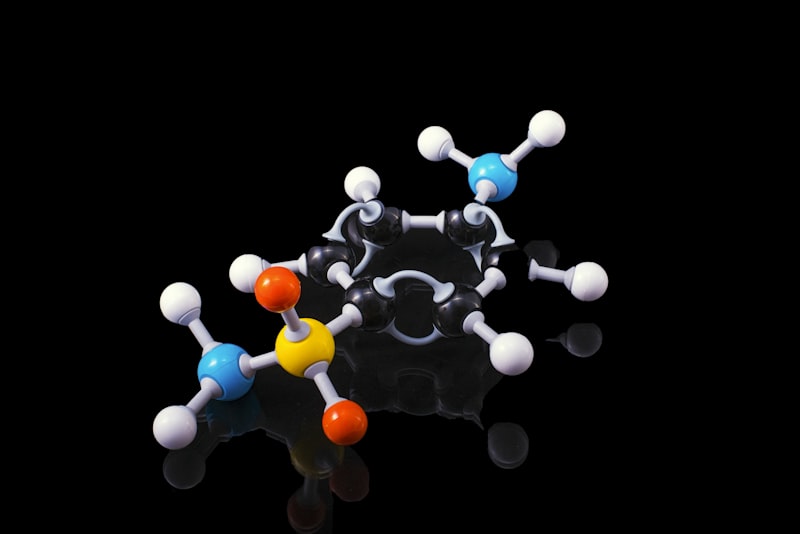
Introduction and Definition of Chemical Dependence
Addictive drugs are defined as chemical substances, including but not limited to alcohol, pharmaceuticals, and illicit compounds, which, when introduced into the body, result in a physiological or psychological state of dependence. This dependence compels the user to continue consumption despite significant negative consequences across social, occupational, and health domains. The transition from voluntary use to compulsive seeking marks the onset of a substance use disorder, characterized by tolerance, withdrawal symptoms, and an intense craving for the substance. Understanding addictive drugs necessitates a comprehensive review of the diverse chemical classes that hijack the brain’s natural reward systems.
The spectrum of addictive substances is extraordinarily wide, encompassing compounds that both stimulate and depress the central nervous system (CNS), as well as those that profoundly alter perception. Key categories include amphetamines and related stimulants, highly potent opioids such as heroin, common household substances like alcohol and caffeine, and compounds notorious for their immediate psychological effects, such as phencyclidine (PCP) and various hallucinogens. It is crucial to distinguish between physical dependence, where the body adapts to the drug’s presence, and psychological dependence, which involves the overwhelming mental need for the drug to experience pleasure or avoid dysphoria.
The severity of addiction potential varies dramatically among these compounds. Certain substances possess an intrinsic reinforcing power so profound that, as observed historically, even a single exposure can initiate a rapid trajectory toward compulsive use. This extreme potency is particularly evident in fast-acting intravenous drugs, such as certain forms of heroin and cocaine, where the immediate rush significantly strengthens the neural circuits associated with drug-seeking behavior, making relapse a persistent and powerful threat to recovery. The subsequent sections will categorize and analyze the mechanisms by which these diverse chemical agents establish and maintain dependent states.
The Neurobiological Basis of Addiction
Addiction is fundamentally a disease of the brain’s reward circuitry, primarily involving the mesolimbic dopamine pathway, which spans from the ventral tegmental area (VTA) to the nucleus accumbens (NAc) and the prefrontal cortex. All highly addictive drugs exert their primary reinforcing effects by dramatically increasing the concentration of dopamine in the NAc, often far exceeding the levels produced by natural rewards like food or sex. This massive surge in dopamine reinforces the associated behavioral memories—the context, the paraphernalia, and the ritual of drug acquisition—effectively conditioning the brain to prioritize drug-seeking above all other survival instincts.
Chronic exposure to these addictive agents results in profound and lasting neuroadaptations. The brain attempts to restore homeostasis by downregulating the number of dopamine receptors or decreasing the sensitivity of the remaining receptors, a process known as tolerance. This adaptive mechanism necessitates higher and more frequent doses to achieve the original desired effect, fueling the cycle of dependence. Furthermore, structural changes occur in areas governing executive function, specifically the prefrontal cortex, impairing the user’s ability to make rational decisions, assess risk, and inhibit impulsive actions, which explains the characteristic loss of control central to addiction.
Beyond the reward system, addictive drugs affect other neurotransmitter systems, contributing to the withdrawal syndrome. For example, opioids suppress the locus coeruleus, and their cessation leads to an overactivity of noradrenergic systems, manifesting as severe physical withdrawal symptoms. Similarly, chronic use of CNS depressants alters GABA and glutamate balance. These neurochemical shifts solidify the dependence, as the user is no longer seeking pleasure but rather attempting to avoid the intensely painful and distressing symptoms of withdrawal, trapping them in a cycle where drug use becomes necessary simply for maintaining baseline functionality.
Central Nervous System (CNS) Stimulants
CNS stimulants are a class of addictive drugs that dramatically increase alertness, attention, and energy, often leading to elevated blood pressure and heart rate. This category includes amphetamines, their potent derivatives like methamphetamine, and highly addictive natural products such as cocaine. These substances typically exert their effects by blocking the reuptake of key monoamines, primarily dopamine and norepinephrine, or by actively forcing their release from presynaptic nerve terminals. The resulting massive accumulation of neurotransmitters in the synaptic cleft generates the characteristic euphoric rush and feelings of invincibility associated with stimulant use.
The addictive potential of stimulants, particularly crack cocaine and methamphetamine, is exceptionally high due to the rapid onset and short duration of the intense euphoria, which encourages compulsive, binge-like consumption. Following the peak effect, users experience a severe “crash” marked by extreme fatigue, depression, and dysphoria, which strongly motivates immediate re-dosing. Chronic stimulant use leads to significant physiological damage, including cardiovascular complications and neurotoxicity, and can induce psychotic symptoms closely resembling paranoid schizophrenia, emphasizing the powerful and destructive nature of their chemical action on the brain.
While often overlooked in discussions of illicit substances, caffeine is the most widely consumed psychoactive stimulant globally and is also capable of inducing chemical dependence. Caffeine functions primarily by antagonizing adenosine receptors, which typically promote sedation and vasodilation. Although the health risks are generally minimal at moderate doses, heavy use can lead to measurable tolerance and clinically recognized withdrawal symptoms, including severe headaches, fatigue, and irritability, underscoring that dependence is a spectrum extending even to legally available and socially acceptable compounds.
Opioids and the Crisis of Dependence
Opiates and synthetic opioids represent one of the most dangerous and rapidly dependence-inducing classes of addictive drugs. This group includes naturally derived substances like morphine and codeine, semi-synthetics such as heroin, and fully synthetic compounds like fentanyl. They function by binding to opioid receptors (mu, delta, kappa) located throughout the brain, spinal cord, and gastrointestinal tract, producing profound analgesia, respiratory depression, and intense euphoria. The binding to the mu-opioid receptor is particularly responsible for both the pain relief and the rewarding, addictive properties.
The addiction potential of opioids, especially heroin, is legendary due to their ability to produce immediate, overwhelming euphoria coupled with rapid onset of physical dependence. The physiological adaptation occurs so swiftly that frequent users must consume the drug simply to prevent the excruciating symptoms of withdrawal, which include severe muscle aches, vomiting, diarrhea, and intense anxiety. This phenomenon is why the statement that “one exposure can cause a person to become dependent and come back for more” holds tragic veracity, particularly when highly potent, rapidly crossing the blood-brain barrier formulations are used.
The current global crisis involving prescription pain medications and illicit opioids highlights the inherent danger of this drug class. Even when prescribed therapeutically, prolonged use invariably leads to physical dependence, and the subsequent discontinuation can precipitate a shift to illicit, often cheaper and more potent alternatives, such as fentanyl. Treatment for opioid use disorder is uniquely challenging, often requiring medically supervised detoxification and long-term maintenance therapies utilizing opioid agonists or antagonists, such as methadone or buprenorphine, to stabilize brain chemistry and reduce craving.
CNS Depressants and Sedative-Hypnotics
Central Nervous System (CNS) depressants are substances that slow down normal brain function, leading to sedation, reduced anxiety, and muscle relaxation. The most prominent and widely abused substance in this class is alcohol (ethanol). Others include prescription sedative-hypnotics, such as barbiturates and benzodiazepines. These drugs typically exert their effects by enhancing the activity of the inhibitory neurotransmitter GABA (gamma-aminobutyric acid), effectively dampening neuronal excitability throughout the CNS and producing an initial calming or intoxicating effect.
Alcohol dependence develops through a complex interplay of environmental factors and neurobiological changes, characterized by increased tolerance and severe, potentially fatal withdrawal symptoms, including delirium tremens (DTs). Chronic alcohol use leads to structural brain damage and severe organ dysfunction, particularly affecting the liver. Similarly, dependence on benzodiazepines, often prescribed for anxiety or sleep disorders, can become entrenched, requiring gradual, medically managed tapering due to the high risk of seizures and rebound anxiety during abrupt cessation, emphasizing the need for cautious prescribing and monitoring.
The combination of CNS depressants is highly dangerous and frequently leads to accidental overdose. For example, mixing alcohol with prescription opioids or benzodiazepines multiplies the inhibitory effects on the respiratory center in the brainstem, leading to profound respiratory depression and death. The mechanism of addiction for depressants involves not only the initial anxiety relief and euphoria but also the powerful motivation to avoid the uncomfortable hyper-excitability that occurs when the inhibitory drug effect wears off, driving the continued pursuit of the sedative state.
Hallucinogens, Dissociatives, and Inhalants
This diverse category includes substances that primarily alter perception, mood, and cognitive processes. Classic hallucinogens, such as LSD and psilocybin, primarily act on serotonin receptors (specifically 5-HT2A) and are generally not associated with high physical dependence, although psychological dependence can occur, particularly in vulnerable individuals. Their risk lies more in the potential for triggering long-lasting psychological distress, paranoia, or flashbacks (Hallucinogen Persisting Perception Disorder).
A distinct subset includes dissociative drugs, notably phencyclidine (PCP) and related compounds like ketamine. These substances create a sense of detachment from reality and one’s body. PCP is particularly addictive, acting as an antagonist at the NMDA glutamate receptor, which is vital for learning and memory. Its use is associated with profound psychological instability, aggressive behavior, and a strong potential for compulsive seeking behavior, demonstrating a dependence profile far more severe than classic serotonergic hallucinogens.
Finally, substances which can be snorted or inhaled, collectively known as inhalants (e.g., volatile solvents, aerosols, and gases), present a unique addiction profile, predominantly affecting adolescents. While they do not fit neatly into traditional stimulant or depressant categories, they produce rapid intoxication and euphoria by dissolving in lipid-rich nerve membranes. Their addictive nature is often driven by psychological dependence and accessibility, and chronic use results in severe, irreversible damage to the brain, heart, and liver, making them highly dangerous despite their legal status as household products.
Nicotine: A Highly Potent and Ubiquitous Addiction
Nicotine, primarily consumed through tobacco products, represents one of the most widespread and difficult addictions to overcome globally. While often separated from illicit substances, nicotine is chemically classified as a highly addictive drug that acts as an agonist at nicotinic acetylcholine receptors (nAChRs). Upon inhalation, nicotine reaches the brain within seconds, triggering the release of various neurotransmitters, including dopamine, leading to a powerful, transient feeling of pleasure, heightened concentration, and reduced stress.
The high frequency of nicotine dosing throughout the day (tens or hundreds of times) rapidly reinforces the associated behavioral patterns and establishes profound physical dependence. The addictive cycle is sustained by powerful, rapid-onset withdrawal symptoms, which include intense irritability, anxiety, difficulty concentrating, and strong urges to smoke or vape. This persistent craving makes cessation exceptionally challenging, often requiring multiple attempts and pharmacological interventions, such as nicotine replacement therapy or medications that target the nAChRs or dopamine pathways.
Despite its legality and social acceptance in many cultures, the chemical architecture of nicotine ensures a persistent, compulsive dependence. The long-term health consequences, primarily cancer, cardiovascular disease, and chronic respiratory illnesses, are a direct result of the sustained need to ingest the drug, often delivered through hazardous methods like combustion. The power of nicotine addiction underscores that the legal status of a substance does not diminish its inherent ability to hijack the brain’s reward system and cause chronic dependency.
Phencyclidine (PCP) and Analogs
The dissociative anesthetic phencyclidine (PCP), originally developed in the 1950s, possesses a unique and dangerous addictive profile distinct from both stimulants and hallucinogens. Chemically, PCP and its analogs block the flow of ions through the NMDA receptor channel, effectively interrupting the communication of the excitatory neurotransmitter glutamate. This blockade is responsible for the drug’s potent anesthetic and analgesic properties, but also for the severe psychological effects, including depersonalization, euphoria, and subsequent profound confusion or catatonia.
PCP use is particularly concerning due to its association with violent behavior, paranoia, and acute psychosis that can persist long after the drug has cleared the system. Unlike many classic hallucinogens where users retain some insight, PCP intoxication often leads to a complete detachment from reality and a feeling of immense strength or invulnerability, posing significant risks to the user and others. The repeated administration of PCP generates substantial psychological dependence, driven by the desire to re-experience the dissociative state or avoid the intense dysphoria that follows use.
The neurochemical action of PCP on the glutamate system is linked to its addictive properties, as disruptions to this critical excitatory pathway contribute to the persistent alterations in mood and cognitive function. Chronic users often exhibit poor judgment and memory deficits, reflecting the destructive impact of NMDA receptor antagonism on higher brain function. The management of PCP intoxication and dependence often requires extensive psychiatric stabilization in addition to standard addiction treatment protocols.
Treatment Modalities and Prognosis
Effective treatment for addiction to addictive drugs requires a multidisciplinary approach tailored to the specific substance and the severity of the dependence. The initial phase often involves detoxification, which, for substances like opioids, alcohol, and CNS depressants, requires careful medical supervision to manage potentially life-threatening withdrawal symptoms. Pharmacological interventions play an increasingly critical role, utilizing medications such as naltrexone to block opioid effects, acamprosate to reduce alcohol craving, or agonist therapies to manage opioid withdrawal.
However, pharmacotherapy alone is rarely sufficient; long-term recovery is predicated on extensive behavioral and psychosocial support. Cognitive Behavioral Therapy (CBT) helps users identify high-risk situations and develop coping mechanisms to prevent relapse. Motivational Enhancement Therapy addresses ambivalence toward treatment, and Contingency Management utilizes positive reinforcement to encourage abstinence. These therapies aim to repair the decision-making and inhibitory control centers damaged by chronic substance exposure.
Prognosis for individuals struggling with substance use disorders is variable but significantly improved by early intervention and continuous engagement with treatment. Addiction is viewed as a chronic, relapsing condition, meaning relapse is often part of the recovery process rather than a failure of treatment. Successful recovery involves sustained lifestyle changes, addressing underlying mental health issues, and rebuilding neural pathways through long-term abstinence, emphasizing that the comprehensive effort across biological, psychological, and social domains offers the best chance for sustained remission.