Tag: Nicotine


NICOTINE

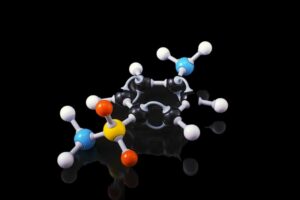
Overview of Nicotine as a Stimulant Alkaloid Nicotine is scientifically classified as a potent stimulant alkaloid, a nitrogenous organic compound that occurs naturally within the tobacco plant (Nicotiana tabacum). As the primary psychoactive component found in various tobacco products, nicotine exerts a profound influence on the human central nervous system. Its chemical structure allows it […]

Read More

SMOKING

Definition and Mechanism of Smoking The core definition of smoking refers to the practice of inhaling and exhaling the smoke produced by combusting plant material, most commonly processed tobacco, which is tightly wrapped in paper to form a cigarette, or loosely packed in pipes or cigars. This act involves drawing the smoke through the mouth […]

Read More

ADDICTIVE DRUGS

Introduction and Definition of Chemical Dependence Addictive drugs are defined as chemical substances, including but not limited to alcohol, pharmaceuticals, and illicit compounds, which, when introduced into the body, result in a physiological or psychological state of dependence. This dependence compels the user to continue consumption despite significant negative consequences across social, occupational, and health […]

Read More

EUPHORIANT

Euphoriants: The Role of Enhancing Mood and Performance Mood and performance are two key factors that can influence overall quality of life. Euphoriants are substances that have been studied for their potential to improve both mood and performance. This article will provide an overview of the current evidence for the effects of euphoriants, as well […]

Read More

TOBACCO

Tobacco The Core Definition of Tobacco and Its Mechanisms Tobacco refers to any product prepared from the leaves of the tobacco plant, primarily Nicotiana tabacum. This substance has been cultivated and consumed for centuries, initially for its perceived medicinal properties and later as a significant psychoactive and recreational drug. At its core, tobacco’s effects are […]

Read More