Adjustment Disorder: Navigating Life’s Toughest Transitions
Scientifically Reviewed · Dr. Marwa Abd-Alazim · October 3, 2026
Review Criteria & Clinical Standards
This content undergoes rigorous scientific peer-review and medical editorial standards at Arab Psychology Network to ensure clinical accuracy, validity, and compliance with evidence-based guidelines from leading psychological and healthcare authorities (APA / WHO).
Introduction to Adjustment Disorder
Adjustment Disorder represents a significant and frequently encountered mental health condition characterized by the emergence of clinically significant emotional or behavioral symptoms in direct response to an identifiable psychosocial stressor. This stressor can manifest in various forms, such as major life changes, personal crises, or ongoing difficult circumstances, and it is crucial that the individual’s reaction to this stressor is considered maladaptive, meaning it goes beyond what would typically be expected and causes notable distress or impairment in their daily functioning. Unlike more severe mental health conditions like Major Depressive Disorder or Post-Traumatic Stress Disorder, Adjustment Disorder is temporary and typically resolves once the stressor is removed or the individual adapts to it. However, its transient nature does not diminish its impact, as it can significantly disrupt an individual’s personal life, work, and relationships, necessitating a clear understanding of its presentation, etiology, and effective management strategies to facilitate recovery and adaptation. It is a diagnosis that acknowledges the profound influence of life events on mental well-being, highlighting the intricate interplay between external circumstances and internal psychological responses.
The recognition of Adjustment Disorder within diagnostic classification systems, such as the Diagnostic and Statistical Manual of Mental Disorders, 5th edition (DSM-5), underscores its prevalence and the importance of its accurate diagnosis and treatment. Despite its commonality, often estimated to affect a substantial portion of the general population at some point in their lives, it is sometimes overlooked or misdiagnosed due to its varied presentation and overlap with symptoms of other conditions. The disorder serves as a critical diagnostic category for individuals experiencing acute psychological distress that does not meet the full criteria for other specific mental disorders but still warrants clinical attention. Understanding Adjustment Disorder involves appreciating the spectrum of human reactions to stress, from adaptive coping mechanisms to responses that become debilitating, thus emphasizing the need for timely intervention to prevent potential escalation or chronicity of symptoms. This entry aims to provide a thorough overview, delving into its core definition, historical context, practical applications, clinical significance, and its intricate connections within the broader landscape of psychological science.
Defining Adjustment Disorder
At its core, Adjustment Disorder is a stress-related mental health condition characterized by the development of emotional or behavioral symptoms in response to an identifiable stressor, which must occur within three months of the onset of the stressor. The defining characteristic is that the reaction to the stressor is significantly more severe than what would be expected, or it causes significant impairment in social, occupational, or other important areas of functioning. This foundational definition highlights the direct causal link between an external event and an internal psychological reaction, distinguishing it from conditions that may arise endogenously or without a clear external trigger. The stressor itself can be of any severity or nature, ranging from a single, acute event like job loss or a breakup to ongoing difficulties such as chronic illness or financial hardship, emphasizing the subjective impact of the event on the individual rather than the objective magnitude of the event itself.
The fundamental mechanism behind Adjustment Disorder lies in an individual’s maladaptive coping response to a challenging life event. While encountering stressors is an inevitable part of the human experience, individuals with Adjustment Disorder struggle to adapt effectively, leading to a cascade of emotional and behavioral symptoms that interfere with their daily lives. This maladaptation is not merely a transient emotional upset but a pattern of distress that exceeds normal expectations, persists beyond a reasonable period, or significantly impairs functioning. It is understood that the individual’s pre-existing vulnerabilities, personality traits, and available social support networks can profoundly influence their ability to cope, making some individuals more susceptible to developing Adjustment Disorder than others when confronted with similar stressors. The disorder underscores the importance of psychological resilience and the capacity for adaptation in maintaining mental well-being in the face of adversity, illuminating how breakdowns in these adaptive processes can lead to significant distress.
The DSM-5 further refines the understanding of Adjustment Disorder by specifying different subtypes based on the predominant symptoms experienced. These subtypes include Adjustment Disorder with depressed mood, with anxiety, with mixed anxiety and depressed mood, with disturbance of conduct, with mixed disturbance of emotions and conduct, and unspecified. This categorization allows for a more nuanced diagnosis, recognizing the heterogeneous ways in which individuals may present with symptoms in response to stress. For instance, an individual might primarily experience profound sadness and hopelessness following the death of a loved one (depressed mood subtype), while another might exhibit significant worry and nervousness after moving to a new city (anxiety subtype). These distinctions are critical for guiding appropriate treatment interventions, ensuring that the therapeutic approach is tailored to the specific emotional and behavioral challenges the individual is facing, thereby enhancing the likelihood of a successful resolution and return to baseline functioning.
Historical Understanding and Evolution of the Concept
The concept of Adjustment Disorder, though formalized relatively recently in psychiatric nosology, has roots in earlier observations of human reactions to stress and adversity. Early psychological and psychiatric thought recognized that individuals could develop emotional disturbances in response to overwhelming life events, even if these reactions did not fit neatly into existing diagnostic categories for more severe mental illnesses. The idea that environmental factors could precipitate psychological distress gained traction throughout the 20th century, particularly as understanding of stress and trauma advanced. While specific individuals like Hans Selye’s work on the general adaptation syndrome provided a physiological framework for understanding stress, the precise psychological classification of maladaptive responses to common stressors evolved through the development of structured diagnostic manuals, which sought to bring greater consistency and reliability to psychiatric diagnoses.
The formal inclusion of Adjustment Disorder into diagnostic criteria began with the publication of the Diagnostic and Statistical Manual of Mental Disorders, Third Edition (DSM-III) in 1980. Prior to this, similar conditions might have been categorized more broadly or inconsistently. The DSM-III introduced the category of “Adjustment Reaction,” a term that underscored the reactive nature of the symptoms to an identifiable stressor. This marked a crucial step in recognizing that not all psychological distress represented a severe, enduring mental illness, but rather that individuals could experience significant, yet often transient, difficulties in coping with life’s challenges. This classification provided a valuable framework for clinicians to diagnose and treat stress-related conditions that did not meet the more stringent criteria for disorders like major depression or generalized anxiety disorder, thus filling a critical gap in the diagnostic landscape and offering a pathway for intervention for a wide array of suffering individuals.
Subsequent revisions of the manual, particularly the DSM-IV and the current DSM-5, refined the criteria and nomenclature, transitioning from “Adjustment Reaction” to Adjustment Disorder. These revisions aimed to improve diagnostic clarity, reliability, and clinical utility. The DSM-5, published in 2013, further emphasized the criterion that the symptoms must not be better explained by another mental disorder and must resolve within six months after the termination of the stressor or its consequences, unless it is a “chronic” stressor. This evolution reflects a growing understanding of the nuances of stress response, recognizing that while an adjustment disorder is by definition a reaction to an external event, the individual’s internal psychological processes and vulnerabilities play a significant role in determining the nature and severity of their response. The historical trajectory of this diagnosis illustrates a continuous effort within psychiatry to categorize human suffering in a way that is both empathetic to the individual’s experience and scientifically rigorous, providing a foundation for targeted therapeutic approaches.
Manifestations and Clinical Presentation
The clinical presentation of Adjustment Disorder is notably diverse, reflecting the unique interplay between an individual’s personality, their specific coping mechanisms, and the nature of the stressor they are confronting. This heterogeneity means that no two individuals with Adjustment Disorder will exhibit precisely the same constellation of symptoms, making a thorough and individualized assessment paramount for accurate diagnosis. Despite this variability, symptoms typically cluster into affective, behavioral, and cognitive domains, each contributing to a picture of distress and impaired functioning that is directly attributable to the recent stressor. The intensity and duration of these symptoms are key to distinguishing Adjustment Disorder from normal, adaptive reactions to stress, as they must cause significant distress exceeding what would be expected or lead to significant impairment in important areas of life, such as work, school, or social interactions.
Affective symptoms are among the most common and prominent features of Adjustment Disorder. Individuals often report profound feelings of depressed mood, which can manifest as persistent sadness, a loss of interest or pleasure in previously enjoyed activities (anhedonia), feelings of hopelessness, or tearfulness. Concurrently, or alternatively, significant anxiety may dominate the clinical picture, presenting as excessive worry, nervousness, edginess, or a pervasive sense of apprehension. Some individuals may experience a mixture of both anxiety and depressed mood, cycling between periods of intense sadness and heightened agitation or fear. These emotional states are typically pervasive and difficult to alleviate, creating a constant internal struggle that can feel overwhelming. The emotional distress is usually out of proportion to the severity of the stressor, indicating a maladaptive emotional response that goes beyond typical grieving or concern, and it significantly interferes with the individual’s ability to navigate their daily responsibilities or maintain their emotional equilibrium.
Beyond emotional distress, behavioral symptoms often accompany Adjustment Disorder, further illustrating the individual’s struggle to adapt. These may include noticeable changes in social interaction patterns, such as significant social withdrawal, where the individual isolates themselves from friends, family, or social activities they once enjoyed. They might become uncharacteristically irritable, prone to outbursts of anger, or display other forms of oppositional behavior, especially in adolescents. Difficulty concentrating on tasks, problems with schoolwork, or decreased productivity at work are also common behavioral indicators. In some cases, individuals, particularly younger populations, may exhibit more overt conduct disturbances, such as truancy, vandalism, or reckless behavior, which are uncharacteristic of their usual demeanor. These behavioral shifts are not merely temporary lapses but represent a sustained departure from typical functioning, interfering with an individual’s capacity to maintain relationships, fulfill obligations, or engage in healthy self-care practices.
Finally, cognitive symptoms also play a crucial role in the presentation of Adjustment Disorder, often exacerbating the emotional and behavioral difficulties. Individuals may experience pervasive negative self-beliefs, dwelling on feelings of inadequacy, self-blame, or worthlessness, particularly concerning their inability to cope with the stressor. Their thought processes might become rigid or pessimistic, making it challenging to envision positive outcomes or solutions. Poor concentration and significant difficulty making decisions are frequently reported, affecting academic performance, job efficiency, and even simple daily choices. These cognitive distortions and impairments can create a vicious cycle, where negative thoughts feed into depressive or anxious moods, which in turn further impair the ability to think clearly and problem-solve effectively. The combination of these affective, behavioral, and cognitive symptoms paints a comprehensive picture of an individual struggling profoundly to reconcile with a life stressor, underscoring the necessity of empathetic and effective therapeutic intervention to help them regain their footing and adaptive capabilities.
Underlying Mechanisms and Pathophysiology
The precise pathophysiology of Adjustment Disorder remains a complex and evolving area of research, as it is understood to be multifactorial, arising from an intricate interplay of genetic, environmental, and psychosocial elements rather than a single causative factor. Unlike some mental health conditions where specific neurobiological markers or pathways have been more clearly delineated, Adjustment Disorder’s etiology is less about a primary biological dysfunction and more about the individual’s unique vulnerability and response to external stressors. This makes studying its underlying mechanisms particularly challenging but also highlights the holistic nature of mental health, where psychological resilience, social support, and genetic predispositions all contribute to how one navigates adversity. The prevailing view suggests that individuals differ significantly in their biological and psychological thresholds for stress tolerance, meaning that what might be a manageable challenge for one person could precipitate an adjustment disorder in another.
Genetic factors have been identified as potential contributors to an individual’s susceptibility to Adjustment Disorder. While there isn’t a single “adjustment disorder gene,” research has indicated that individuals with a family history of mental illness, particularly mood or anxiety disorders, may be more predisposed to developing an adjustment disorder when confronted with significant life stressors. This suggests a genetic loading that might influence neurobiological systems involved in stress response, such as the hypothalamic-pituitary-adrenal (HPA) axis, or affect neurotransmitter systems like serotonin and norepinephrine, which are critical for mood regulation. Such genetic predispositions do not dictate an inevitable outcome but rather increase an individual’s vulnerability, lowering their threshold for developing a maladaptive response when environmental challenges arise. Understanding these genetic underpinnings helps to explain why some individuals are more resilient to stress than others, even when facing similar adverse circumstances.
Environmental and psychosocial factors are unequivocally central to the development of Adjustment Disorder, as the condition is by definition a reaction to an identifiable stressor. Significant life stressors, such as the death of a loved one, divorce, job loss, financial difficulties, immigration, or major health problems, are powerful precipitants. The nature and severity of the stressor, coupled with the individual’s subjective interpretation and resources for coping, largely determine whether an adaptive response will be mounted or if symptoms of an adjustment disorder will emerge. Furthermore, a lack of adequate social support, pre-existing personality traits (e.g., neuroticism, poor coping skills), and a history of previous traumatic experiences can significantly amplify the impact of current stressors, increasing the likelihood of a maladaptive adjustment. These environmental and psychosocial elements are not merely triggers but are integral to the ongoing maintenance of symptoms, creating a feedback loop where stress-induced emotional and behavioral changes can further erode social support and coping resources, perpetuating the cycle of distress. The interaction between these inherent vulnerabilities and external pressures forms the complex tapestry of Adjustment Disorder’s etiology.
Practical Implications and Real-World Examples
To truly grasp the concept of Adjustment Disorder, it is helpful to explore its manifestation through a relatable, real-world scenario, illustrating how a common life event can escalate into a diagnosable condition when an individual struggles to adapt. Consider the case of Maria, a 45-year-old professional who has recently been laid off from her job of fifteen years. This sudden and unexpected job loss serves as the identifiable psychosocial stressor. Initially, it is entirely normal for Maria to feel a range of emotions, including shock, sadness, anger, and anxiety about her future. These are expected and adaptive responses to a significant life upheaval. However, for Maria, these feelings begin to intensify and persist beyond what would be considered typical, demonstrating a maladaptive reaction that points towards Adjustment Disorder.
The “how-to” of this principle’s application in Maria’s situation unfolds in several steps, illustrating the progression from a normal stress response to Adjustment Disorder.
-
The Stressor Hits: Maria receives news of her layoff. This is the acute, identifiable stressor. Her immediate reaction is profound sadness and disbelief, which is a normal, healthy emotional response to loss.
-
Symptoms Emerge and Intensify: Over the next few weeks, Maria’s sadness deepens into a pervasive depressed mood. She finds herself crying frequently, losing interest in her hobbies, and struggling to find the motivation to look for new employment. Her usual energetic demeanor is replaced by lethargy. She also experiences significant anxiety about her financial future, leading to sleepless nights and constant worry. These symptoms, occurring within three months of the layoff, are more severe and prolonged than what would typically be expected for someone of her resilience and background.
-
Impairment in Functioning: Maria begins to withdraw socially, canceling plans with friends and family because she feels too overwhelmed and embarrassed to discuss her situation. Her usually meticulous attention to personal finances wanes, and she struggles to complete job applications, feeling a profound sense of hopelessness and an inability to concentrate on the tasks required for her job search. She starts neglecting her self-care, her diet suffers, and she avoids exercise. This marked impairment in her social, occupational, and personal functioning is a critical indicator that her response is maladaptive.
-
Exclusion of Other Disorders: A mental health professional would assess Maria to ensure her symptoms do not meet the full criteria for Major Depressive Disorder, Generalized Anxiety Disorder, or other specific mental illnesses. Her symptoms are directly and predominantly linked to the job loss and are expected to alleviate once she successfully adapts to the new situation or secures new employment.
-
Diagnosis of Adjustment Disorder: Based on the presence of a clear stressor, the onset of significant emotional and behavioral symptoms within three months, the maladaptive nature of her response (exceeding normal expectations and causing functional impairment), and the absence of criteria for other mental disorders, Maria would likely be diagnosed with Adjustment Disorder with mixed anxiety and depressed mood. This diagnosis would then guide appropriate therapeutic interventions aimed at helping her cope with the job loss, manage her symptoms, and develop adaptive strategies for moving forward.
This example clearly demonstrates how a common life stressor, when met with an individual’s particular vulnerabilities and coping challenges, can lead to a diagnosable Adjustment Disorder. It highlights the importance of recognizing prolonged or disproportionate reactions to stress, as early intervention can significantly mitigate the distress and impairment experienced.
Significance, Impact, and Therapeutic Approaches
The significance and impact of Adjustment Disorder within the field of psychology cannot be overstated, despite its often-perceived lesser severity compared to chronic mental illnesses. Its importance stems from its widespread prevalence, acting as a common gateway for individuals to seek mental health support, and its role as an indicator of compromised psychological resilience in the face of life’s inevitable challenges. Recognizing and accurately diagnosing Adjustment Disorder is crucial because it validates an individual’s distress, providing a framework for understanding their suffering as a legitimate response to difficult circumstances rather than an inherent personal failing. Furthermore, it highlights the importance of early intervention, as untreated adjustment disorders can potentially escalate into more severe or chronic mental health conditions if adaptive coping mechanisms are not developed. It also plays a vital role in differential diagnosis, helping clinicians distinguish between a transient, stress-induced reaction and the onset of a more enduring mental illness, thus guiding appropriate and timely therapeutic strategies.
The applications of the concept of Adjustment Disorder are broad, extending across various therapeutic settings, public health initiatives, and our general understanding of human behavior. In therapy, the diagnosis helps to focus treatment on the specific stressor and the individual’s maladaptive response to it, rather than delving into deep-seated personality issues unless they are clearly contributing to the maladaptation. It is frequently encountered in primary care settings, where individuals often first present with somatic complaints or general distress related to life events. Its understanding is critical in crisis intervention, allowing mental health professionals to quickly assess and address acute reactions to traumatic or highly stressful events. Moreover, in fields like social work, education, and occupational health, knowledge of Adjustment Disorder informs strategies for supporting individuals undergoing significant life transitions, such as students moving away from home, employees facing redundancy, or individuals coping with chronic illness. It emphasizes the need for robust support systems and teaches the importance of developing healthy coping strategies to navigate the complexities of modern life effectively, recognizing that external circumstances profoundly influence internal well-being.
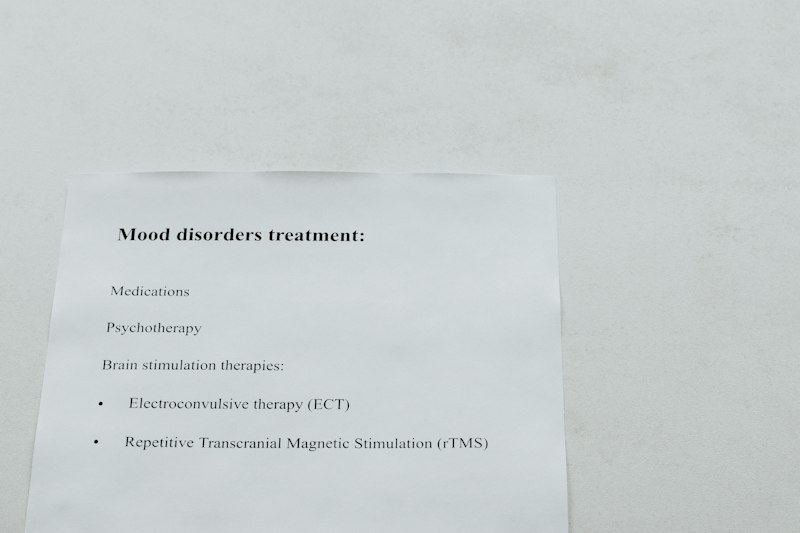
Treatment approaches for Adjustment Disorder typically involve a combination of therapeutic modalities tailored to the individual’s specific symptoms and the nature of their stressor. The primary goal of treatment is to alleviate distress, improve coping skills, and restore adaptive functioning. Cognitive-Behavioral Therapy (CBT) is a highly effective psychotherapy that focuses on helping individuals identify and modify maladaptive thoughts and behaviors contributing to their distress. For instance, a person struggling with job loss might learn to challenge negative self-talk about their worth and develop a structured plan for job searching, thereby regaining a sense of control and self-efficacy. Psychotherapy, in general, provides a supportive and confidential space for individuals to process their emotions, explore underlying issues that may be exacerbating their stress response, and develop healthier coping mechanisms. This can include supportive therapy, interpersonal therapy, or psychodynamic approaches, depending on the individual’s needs and the therapist’s orientation.
In some cases, particularly when symptoms of anxiety or depression are severe and significantly impair functioning, medications may be considered as an adjunct to psychotherapy. Selective Serotonin Reuptake Inhibitors (SSRIs) can be prescribed to manage persistent symptoms of depressed mood or anxiety, while Tricyclic Antidepressants (TCAs) or Benzodiazepines might be used for short-term relief of acute anxiety, though benzodiazepines are typically used cautiously due to their addictive potential. These medications aim to alleviate the most distressing symptoms, thereby enabling the individual to engage more effectively in psychotherapy and develop coping skills. Finally, supportive psychosocial interventions play a crucial role in the holistic management of Adjustment Disorder. These can include participation in support groups, where individuals can share experiences and gain perspective from peers facing similar challenges, family counseling to improve communication and support within the family unit, and lifestyle modifications such such as regular exercise, balanced nutrition, adequate sleep, and mindfulness practices. These interventions collectively aim to enhance the individual’s overall well-being, bolster their resilience, and facilitate a successful adaptation to the life stressor, ultimately leading to a resolution of the disorder and a return to their baseline level of functioning.
Connections to Other Psychological Concepts
Adjustment Disorder exists within a rich tapestry of psychological concepts and theories, bearing significant relationships to other diagnostic categories and broader theoretical frameworks. Understanding these connections is essential for accurate differential diagnosis, effective treatment planning, and a more comprehensive appreciation of human responses to stress. It is fundamentally a Stress-Related Disorder, placing it alongside conditions like Acute Stress Disorder (ASD) and Post-Traumatic Stress Disorder (PTSD) in the DSM-5 classification. While all these disorders are characterized by a maladaptive response to an identifiable stressor, they differ crucially in the nature of the stressor, the severity and duration of symptoms, and the specific symptom clusters. Adjustment Disorder is typically a response to a common, non-life-threatening stressor, and its symptoms are generally less severe and shorter-lived than those seen in ASD or PTSD, which are triggered by exposure to actual or threatened death, serious injury, or sexual violence and involve more specific symptom patterns like re-experiencing, avoidance, and hyperarousal.
Furthermore, Adjustment Disorder is frequently considered in the differential diagnosis of depressive disorders and anxiety disorders. Many of its symptoms, such as depressed mood, sadness, worry, and nervousness, overlap considerably with those of Major Depressive Disorder or Generalized Anxiety Disorder. The key distinction lies in the direct causal link to a recent, identifiable stressor and the expectation that the symptoms will remit once the stressor is removed or the individual adapts. Unlike Major Depressive Disorder, where symptoms may arise endogenously or persist long after a stressor has passed, Adjustment Disorder’s symptoms are specifically tied to the stressor and its aftermath. Similarly, while an individual with Adjustment Disorder may experience significant anxiety, it typically does not meet the full, pervasive, and often generalized criteria for a primary anxiety disorder. This careful differentiation is paramount for clinicians, ensuring that individuals receive the most appropriate diagnosis and treatment plan, avoiding mislabeling a transient, reactive condition as a more chronic or severe mental illness.
Beyond specific diagnostic categories, Adjustment Disorder also connects to broader psychological concepts such as resilience, coping mechanisms, and the stress-vulnerability model. Resilience refers to an individual’s capacity to adapt well in the face of adversity, trauma, tragedy, threats, or significant sources of stress. Adjustment Disorder can be viewed as a temporary breakdown in an individual’s usual resilient capacity, highlighting areas where coping skills may be insufficient for a particular stressor. Therapeutic interventions often focus on bolstering these coping mechanisms, helping individuals develop more effective strategies for managing stress and emotional distress. The stress-vulnerability model posits that individuals have varying degrees of biological and psychological vulnerability to mental disorders, and the interaction between these vulnerabilities and environmental stressors determines the likelihood of developing a condition. Adjustment Disorder perfectly exemplifies this model, as it is precisely the interaction between an individual’s inherent vulnerabilities and an external stressor that precipitates the disorder, rather than either factor acting in isolation.
In terms of its broader category, Adjustment Disorder is primarily classified within Clinical Psychology and Psychiatry, specifically falling under the umbrella of Stress-Related Disorders in modern diagnostic manuals. It is a concept that is deeply embedded in the understanding of how environmental events impact mental health, bridging the gap between normal human reactions to adversity and more severe psychopathology. Its study contributes to our understanding of the dynamic interplay between life experiences, individual differences in psychological processing, and the development of mental health conditions. As such, it is a crucial area of focus for researchers and clinicians aiming to prevent, diagnose, and treat the wide spectrum of human suffering that arises from the challenges and changes inherent in life.
Conclusion: Navigating Stress and Resilience
Adjustment Disorder stands as a testament to the profound and often challenging impact that life’s inevitable stressors can have on an individual’s mental well-being. This comprehensive exploration has illuminated its nature as a common yet frequently overlooked mental health condition, characterized by a maladaptive emotional or behavioral response to an identifiable psychosocial stressor. From its clear, concise definition—emphasizing the link between an external event and an internal struggle—to its historical evolution within diagnostic frameworks, the disorder provides critical insights into the human capacity for both vulnerability and resilience. We have delved into the multifaceted ways it manifests through affective, behavioral, and cognitive symptoms, recognizing the diverse individual presentations that necessitate careful clinical assessment. The intricate interplay of genetic predispositions, environmental factors, and psychosocial vulnerabilities underscores the complex etiology of this condition, moving beyond simplistic explanations to embrace a holistic understanding of its origins.
The practical implications of understanding Adjustment Disorder are far-reaching, as illustrated through real-world examples that demystify its clinical presentation and demonstrate the progression from a normal stress reaction to a diagnosable condition. This practical understanding is vital not only for mental health professionals but also for individuals, families, and communities to recognize when a reaction to stress moves beyond adaptive coping and warrants intervention. Its significance in the field of psychology is undeniable, serving as a crucial diagnostic category that bridges the gap between everyday stress and more severe psychopathology, thereby guiding early intervention and preventing potential escalation of symptoms. The diverse array of therapeutic approaches, including cognitive-behavioral therapy, various forms of psychotherapy, and supportive psychosocial interventions, highlights the commitment to providing tailored, effective care that empowers individuals to navigate their stressors, develop robust coping mechanisms, and ultimately restore their adaptive functioning.
Ultimately, Adjustment Disorder serves as a powerful reminder of the delicate balance between environmental challenges and an individual’s internal resources. It connects profoundly to broader psychological concepts such as resilience, coping, and the stress-vulnerability model, enriching our understanding of how individuals adapt—or struggle to adapt—to the vicissitudes of life. As a core component of the Stress-Related Disorders category, it underscores the importance of a compassionate yet rigorous approach to mental health diagnosis and treatment. By continuing to research, educate, and offer accessible support for Adjustment Disorder, we not only alleviate immediate suffering but also foster greater psychological resilience within individuals and communities, enabling them to confront adversity with enhanced strength and adaptive capacity. The journey through Adjustment Disorder, while challenging, often culminates in personal growth and a deeper understanding of one’s own emotional landscape, reinforcing the enduring human capacity to adapt, heal, and thrive even in the face of significant life changes.