Auditory Assistive Tech: Bridging The Silence Gap
Scientifically Reviewed · Dr. Marwa Abd-Alazim · September 2, 2026
Review Criteria & Clinical Standards
This content undergoes rigorous scientific peer-review and medical editorial standards at Arab Psychology Network to ensure clinical accuracy, validity, and compliance with evidence-based guidelines from leading psychological and healthcare authorities (APA / WHO).
Definition and Primary Function of Alerting Devices
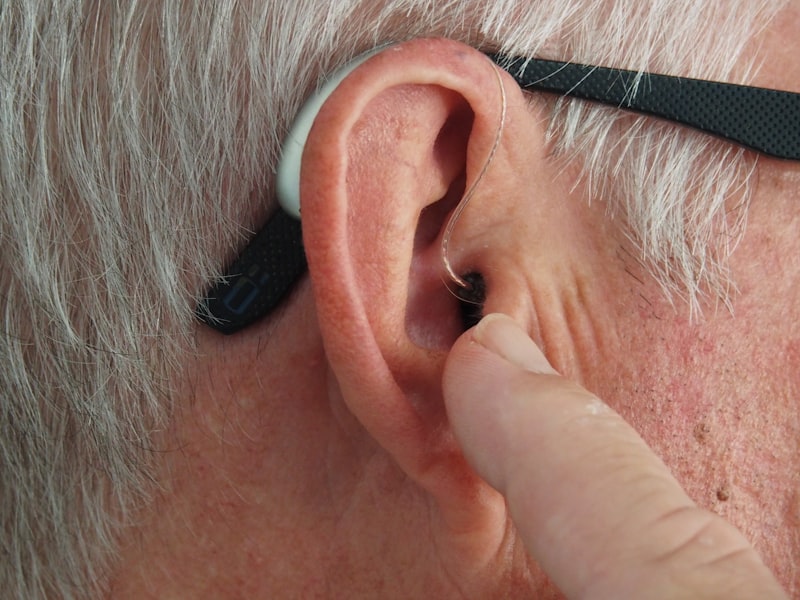
The alerting device represents a crucial category of assistive technology specifically designed to bridge the communication gap created by traditional auditory signals for individuals experiencing auditory ability loss or deafness. Its primary function is the timely and effective conversion of an environmental or mechanical sound event—such as a telephone ring, a door knock, a baby crying, or critically, the beeping of a smoke detector—into a sensory stimulus that is accessible via non-auditory pathways. This conversion is paramount for ensuring personal safety, promoting independence, and facilitating full participation in daily life activities that rely heavily on sound cues. Unlike simple amplification systems, which boost existing sound, the alerting device fundamentally changes the modality of the warning, making the information tangible or visible rather than relying solely on hearing. This technological advancement shifts the reliance from the compromised auditory system to intact sensory pathways, such as the visual or tactile systems, thus providing functionally equivalent information regarding critical occurrences within the immediate environment.
The core principle governing the operation of these devices involves three distinct stages: detection, processing, and output. First, the device must reliably detect the target sound or event; this often involves specialized microphones or sensors tuned to specific frequencies or vibrations associated with the warning signal. Second, the electronic components must process this input, identifying it as a predefined event requiring immediate notification. This processing stage often includes filtering out irrelevant background noise to minimize false alarms, thereby maintaining the user’s trust and reliance on the system. Finally, the processed information is translated into a powerful and unmistakable sensory output. This output must possess sufficient intensity and novelty to immediately capture the attention of the user, whether they are awake or asleep, and regardless of their location within the designated area. The effectiveness of any given alerting device is measured by its reliability in detecting critical events and the clarity and urgency of the delivered non-auditory warning signal.
It is important to differentiate alerting devices from general communication aids. While general aids focus on speech recognition and conversational exchange, alerting devices are primarily focused on environmental awareness and critical safety warnings. The necessity for these tools arose from the realization that many standard warning systems—like fire alarms, carbon monoxide detectors, and even household appliances—are designed exclusively around the assumption of functional hearing. For instance, a standard smoke detector emits a high-frequency acoustic signal, which is entirely ineffective for many individuals with profound hearing loss. The alerting device addresses this systemic barrier by ensuring that vital safety information is delivered through alternative sensory channels, such as brilliant strobe lights, powerful vibrating mechanisms (oscillations), or extremely high-volume, low-frequency sounds that may still be perceptible even with significant hearing impairment. These modalities ensure that the fundamental requirement for immediate awareness of danger is met, preserving the individual’s right to equal safety protection.
Historical Context and Evolution of Alerting Technologies
The history of assistive technology for individuals with hearing loss reveals a continuous effort to replace or supplement auditory information. Early solutions were often crude and relied heavily on visual observation or tactile proximity. Before the advent of modern electronics, alerting for critical events, such as a ringing telephone or a crying child, often required reliance on household members or mechanical amplification systems that were often cumbersome and unreliable. The true transformation began in the mid-20th century with the miniaturization of electronic components, allowing for the development of portable and integrated systems. Initially, these devices focused primarily on converting loud, low-frequency sounds into flashing lights, typically requiring the user to be near the device to perceive the visual cue. These early devices, while revolutionary for their time, lacked the robustness and versatility required for comprehensive safety coverage in modern living environments.
The proliferation of digital technology in the late 20th and early 21st centuries marked a significant leap forward. The introduction of vibrating alarm clocks was a pivotal moment, recognizing the tactile pathway as a highly effective means of alerting an individual, particularly during sleep. These specialized clocks integrated powerful vibration pads placed under mattresses or pillows, demonstrating that movement and tactile sensation could reliably override deep sleep cycles. Concurrently, the sophistication of environmental sensors improved dramatically. Modern alerting systems moved beyond simple sound detection; they began incorporating frequency analysis, allowing the device to distinguish between different types of sounds—for example, differentiating a doorbell from a television program or a standard fire alarm from a severe weather siren. This advanced discrimination capability significantly reduced the incidence of nuisance alerts, thereby increasing the system’s practical utility and the user’s confidence in its reliability.
Furthermore, the evolution of alerting devices has moved toward systemic integration and wireless connectivity. Older systems often required cumbersome wiring between the detector (e.g., the telephone receiver) and the alert mechanism (e.g., the strobe light). Contemporary systems utilize radio frequency (RF) transmission and Wi-Fi protocols to connect multiple sensors and output devices across an entire residence or facility. This allows a single smoke detector signal on the second floor to simultaneously trigger a strobe light in the living room, activate a bed shaker in the bedroom, and send a notification to a wearable receiver carried by the user. This networked approach ensures comprehensive coverage and redundancy, recognizing that a person’s attention might be focused elsewhere or that they might be moving throughout a large space. This trend towards interconnected smart systems underscores the commitment to holistic safety and accessibility in the built environment.
Mechanisms of Non-Auditory Signaling
The efficacy of an alerting device hinges entirely on its capacity to generate a powerful and unambiguous non-auditory signal. The three primary sensory modalities leveraged for this purpose are the visual, the tactile, and, in specialized cases, the amplified acoustic range. Visual alerts typically employ high-intensity, rapid-flash strobe lights. These lights are engineered to meet specific standards regarding brightness (measured in candela) and flash frequency to ensure they are immediately noticeable, even in bright ambient light. Strobe lights must be strategically placed in areas where the user spends significant time, such as bedrooms, kitchens, and living areas. The use of a distinct color, often white or amber, helps to differentiate the alert from standard household lighting or entertainment visuals, maximizing the urgency of the warning signal. Furthermore, compliance with regulatory standards, such as those set by the Americans with Disabilities Act (ADA), ensures that the intensity and placement are optimized for maximum visibility across various architectural designs.
Tactile alerts utilize vibration, often referred to as oscillation, to transmit the warning directly to the user’s body. These mechanisms are particularly critical for alerting individuals while they are asleep or when they are in situations where visual cues might be missed, such as when they are focused intensely on a task or are in a different room. The most common form is the bed shaker, a small, powerful vibrating unit placed between the mattress and box spring or under a pillow. When triggered, the vibration is strong enough to reliably wake even heavy sleepers. Another crucial application of tactile signaling is in wearable technology, such as wrist-worn pagers or smartwatches that vibrate upon receiving an environmental alert signal. The effectiveness of tactile alerts lies in their direct physical transmission, bypassing both the auditory and visual systems entirely, offering a highly reliable and private form of notification.
In some cases, alerting devices employ a modified acoustic output, targeting individuals with residual hearing or those who respond better to specific frequencies. This mechanism often involves the use of low-frequency sound waves, which penetrate walls and are perceived more through vibration and physical sensation than through traditional hearing. While not strictly non-auditory, this approach acknowledges that the nature of hearing loss varies greatly; some people may struggle with high-frequency signals (like standard smoke alarms) but can perceive the powerful, resonant output of a low-frequency alert system. Furthermore, many modern devices incorporate a combination of these mechanisms—a simultaneous flash of light, a powerful vibration, and a high-decibel, low-frequency tone—to ensure maximum redundancy and coverage, recognizing that a multi-sensory approach drastically increases the probability of immediate notification.
Types and Categories of Alerting Devices
Alerting devices can be broadly categorized based on the type of event they are designed to detect. Safety and emergency alerts form the most critical category, encompassing systems designed to detect life-threatening situations. This includes specialized smoke and fire alarm systems that are integrated with strobe lights and bed shakers, ensuring that fire warnings are immediately conveyed visually and tactilely. Similarly, carbon monoxide detectors, which traditionally rely on auditory beeping, are paired with alerting devices to provide parallel non-auditory warnings. These safety devices often utilize dedicated sensors that are hardwired or wirelessly linked to the central alert system, ensuring continuous monitoring and high reliability, which is non-negotiable for emergency response.
The second major category involves communication and convenience alerts for daily living. These devices are designed to notify users of common household interactions. Examples include doorbell and telephone signalers. A doorbell signaler typically uses a sensor placed near the existing chime or a specialized transmitter button pressed by the visitor, which then triggers the visual or tactile alert system inside the home. Similarly, telephone signalers connect directly to the phone line or detect the handset’s vibration, converting the incoming ring signal into a flash or vibration. Modern iterations often integrate with mobile phones through Bluetooth or Wi-Fi, alerting the user to incoming calls, text messages, or video chats via linked visual or tactile outputs, enhancing social connectivity and responsiveness.
A third, increasingly important category encompasses personal and environmental monitoring devices. This includes baby cry signalers, which utilize highly sensitive microphones tuned to the specific frequency and pattern of an infant’s distress cry, translating it into a light flash or vibration for the parent. Furthermore, personal emergency response systems (PERS), often worn as pendants or bracelets, serve as alerting devices for medical emergencies, allowing the user to press a button that triggers a signal received by a central monitoring station, which can then dispatch emergency services. These personal devices often incorporate GPS capabilities and tactile feedback mechanisms, ensuring that help can be summoned and located quickly, significantly improving the safety and quality of life for elderly individuals or those with complex medical needs.
Applications in Residential and Commercial Settings
The implementation of alerting devices is essential across both private residential environments and public commercial settings, though the specific requirements and scale of deployment differ significantly. In the residential setting, the focus is on creating a comprehensive, seamless, and comfortable warning environment. A typical residential setup involves a central receiver unit connected wirelessly to various transmitters (doorbell, smoke detector, phone line) and output devices (strobe lights, bed shakers). This integration allows the user to easily identify the source of the alert, often through coded flashing patterns or specific colors assigned to different events (e.g., a green flash for the doorbell, a red flash for the smoke alarm). Furthermore, portability and ease of installation are key features in the residential market, allowing users to customize and move their systems as needed, particularly when traveling or relocating.
In contrast, commercial and public settings—such as hotels, hospitals, schools, and offices—are governed by stringent accessibility laws, necessitating robust, large-scale alerting solutions. For example, hotels are required to provide accessible rooms equipped with Visual Notification Systems (VNS) that ensure deaf or hard-of-hearing guests are alerted to fire alarms, incoming phone calls, and emergency broadcasts. These systems often utilize permanently installed, high-candela strobes in compliance with fire safety codes. In educational and corporate environments, alerting devices are integrated into public address systems. When an emergency lockdown or severe weather warning is broadcast audibly, simultaneous visual signage (text or flashing lights) must be activated in common areas, hallways, and private offices to ensure universal notification.
The deployment in commercial settings also requires consideration for staff training and maintenance. Staff must be trained on how to operate and test the integrated alerting systems, ensuring immediate response capability. Furthermore, the networking infrastructure in large buildings demands sophisticated centralized control systems that can manage hundreds of sensors and output devices simultaneously. The complexity of these commercial systems highlights the shift from simple individual aids to integrated building accessibility solutions, treating the provision of non-auditory alerts not as a luxury, but as a fundamental component of mandatory safety and building compliance standards designed to protect all occupants equally, regardless of their sensory abilities.
Psychological Impact and Enhancement of Autonomy
The psychological benefits derived from the reliable use of alerting devices are profound, centering primarily on the restoration of security, confidence, and personal autonomy. For individuals with auditory ability loss, the reliance on sound cues for environmental awareness can lead to chronic anxiety and hypervigilance, especially concerning critical safety issues like fire. The introduction of a dependable alerting system significantly mitigates this anxiety, offering a tangible sense of control over one’s environment. Knowing that a specialized device is actively monitoring for danger and will deliver an unmistakable warning allows the individual to relax and focus their cognitive resources on other aspects of daily life, rather than constantly scanning the environment for potential hazards. This reduction in cognitive load contributes directly to improved mental well-being and reduced stress levels associated with feeling vulnerable.
Furthermore, alerting devices play a critical role in promoting independence and self-reliance. The ability to live alone, travel, or sleep soundly without needing a hearing person nearby to monitor critical sounds is a massive step towards full autonomy. For example, a deaf parent who can rely on a baby cry signaler gains the confidence necessary to independently care for their infant, removing a major barrier to parenthood. Similarly, students living in dormitories or elderly individuals aging in place gain crucial independence when equipped with reliable alerting systems for doorbells, phones, and alarms. This enhanced autonomy reinforces self-esteem and minimizes the reliance on external support structures, fostering a greater sense of inclusion and capability within society.
The sense of inclusion fostered by these technologies cannot be overstated. When public spaces, such as hotels or theaters, provide integrated visual alerting systems, it signals to individuals with hearing loss that their safety and participation are valued. This systemic validation helps to dismantle feelings of isolation or marginalization. Moreover, the discreet nature of many modern alerting devices, particularly wearable tactile systems, allows users to receive critical information without drawing undue attention, further normalizing their experience. The shift from requiring constant human intervention to relying on reliable technology empowers the individual, transforming the experience of living with hearing loss from one of constant vigilance to one of assured environmental awareness, thereby maximizing psychological comfort and social integration.
Integration with Modern Assistive Technology Systems
The current generation of alerting devices is characterized by advanced connectivity, moving away from standalone units towards sophisticated, integrated assistive technology (AT) ecosystems. This integration is largely driven by the proliferation of smart home technology and the Internet of Things (IoT). Modern alerting systems often interface directly with home automation hubs, allowing a single trigger event (e.g., the detection of a fire alarm sound) to execute complex, multi-step actions. For instance, a fire alert can simultaneously trigger strobe lights, activate the bed shaker, unlock doors for emergency egress, and send a detailed push notification to a family member or caregiver’s mobile device, providing layers of redundancy and safety measures.
The use of wireless protocols, such as Bluetooth Low Energy (BLE) and various RF standards, allows for unparalleled flexibility and customization. Wearable devices, including hearing aids and specialized cochlear implant processors, are increasingly integrating features that allow them to receive direct inputs from environmental alerting systems. This means that a person may receive a gentle vibration or a visual cue on their phone, or even an auditory alert specifically tailored to their residual hearing capabilities, directly through their existing communication technology. This seamless integration eliminates the need for multiple, disparate devices and simplifies the user experience, making the adoption of safety technology far more accessible and practical for daily use.
Furthermore, the future direction involves sophisticated machine learning and artificial intelligence (AI) to enhance the detection phase. AI-driven algorithms can learn the acoustic signatures of specific events within a user’s unique environment, significantly improving the accuracy of detection and reducing false alarms. For example, the system can be trained to distinguish between the user’s specific baby crying and the neighbor’s dog barking, or between a microwave timer and a genuine smoke detector beep. This level of granular environmental awareness ensures that the alerting device only signals critical, verified occurrences, maximizing the utility and trustworthiness of the system and solidifying the alerting device’s place within the broader, interconnected landscape of assistive technology designed to create truly accessible living spaces.
Challenges and Future Directions in Alerting Device Development
Despite significant technological advancements, the development and deployment of alerting devices still face several persistent challenges. A primary concern is standardization and interoperability. Many systems remain proprietary, meaning transmitters and receivers from different manufacturers may not communicate effectively, leading to fragmented coverage within a single residence or facility. There is a pressing need for industry-wide protocols that ensure all critical safety devices (smoke detectors, CO alarms) can reliably and universally interface with various alerting output mechanisms, regardless of the brand. Furthermore, the cost of sophisticated, multi-sensor systems can be prohibitive, creating a barrier to accessibility for low-income individuals who rely most heavily on these safety mechanisms. Advocacy efforts continue to focus on securing insurance coverage and government subsidies for these essential life-safety tools.
Another significant challenge revolves around the subtlety and specificity of alerts. While high-intensity visual and tactile signals are excellent for immediate, critical warnings (like fire), they can be overwhelming or disruptive for less urgent notifications (like a visitor at the door). Future development is focusing on creating more nuanced alerts. This involves exploring haptic feedback technologies that can convey varying levels of urgency or source information through distinct patterns or intensities of vibration. For instance, a gentle, sustained vibration might signal a non-urgent alert, while a rapid, jarring pulse signifies an immediate emergency. Research into wearable devices is critical here, focusing on making the alerts personal, discrete, and easily interpretable without requiring a visual check of a separate device.
The future direction of alerting devices is intrinsically linked to advancements in energy efficiency and sensor miniaturization. For devices to be truly ubiquitous and reliable, particularly in remote or public settings, they must be capable of long-term operation on minimal battery power. Furthermore, as technology continues to converge, we can anticipate the integration of alerting features directly into everyday objects and infrastructure—such as smart light bulbs that flash automatically upon alarm activation, or public transport systems that provide tactile alerts on seating when approaching a destination. The goal remains the seamless integration of environmental awareness mechanisms into the fabric of daily life, ensuring that safety and communication alerts are universally accessible, reliable, and tailored precisely to the individual’s sensory profile and immediate needs.
Example Application
ALERTING DEVICE: “Tammy’s parents worried about their deaf daughter moving out on her own until they learned her new apartment would be furnished with alerting devices to make sure she’s safe. This comprehensive system included specialized smoke detectors linked to high-candela strobe lights and a powerful bed shaker, ensuring that critical safety warnings were immediately conveyed through visual and tactile signals.”