Neurochemistry: How Amino Acids Fuel Your Mind
Scientifically Reviewed · Dr. Marwa Abd-Alazim · August 31, 2026
Review Criteria & Clinical Standards
This content undergoes rigorous scientific peer-review and medical editorial standards at Arab Psychology Network to ensure clinical accuracy, validity, and compliance with evidence-based guidelines from leading psychological and healthcare authorities (APA / WHO).
Introduction and Fundamental Definition
Amino acids represent the foundational molecular building blocks essential for all life processes, serving primarily as the monomers that link together to form complex protein molecules. Chemically, an amino acid is defined as an organic compound containing two critical functional groups: an amino group ($\text{NH}_2$) and a carboxyl group ($\text{COOH}$). Both groups are typically bonded to the same central carbon atom, historically designated as the alpha-carbon. This unique dual functionality allows amino acids to act as amphoteric substances, capable of accepting or donating protons depending on the surrounding $\text{pH}$ environment, a property that is crucial for maintaining cellular homeostasis and enzymatic activity. The pervasive nature of these molecules underscores their fundamental importance; indeed, biological existence hinges upon the timely and accurate synthesis and catabolism of these vital compounds.
While thousands of unique compounds fit the broad chemical definition of an amino acid, only approximately twenty standard types are encoded by the genetic machinery of the human body and utilized in the ribosomal synthesis of proteins. These twenty standard amino acids are often referred to as proteinogenic amino acids. The specific sequence in which these twenty types are arranged determines the unique three-dimensional structure and subsequent function of every protein, ranging from structural components like collagen to critical regulatory enzymes and hormones. The initial concept of amino acids as simple building blocks belies their complex role in intermediary metabolism, where they participate in energy production, nitrogen transport, and the synthesis of numerous non-protein biomolecules, including neurotransmitters and specialized cofactors.
The study of amino acid metabolism is critical not only to biochemistry but also to psychology, as imbalances or deficiencies in the availability of certain amino acids can profoundly impact neurological function and mental health. For instance, several key amino acids serve as direct precursors for major neurotransmitters, meaning that dietary intake and efficient metabolic conversion directly regulate mood, cognition, and behavioral responses. A comprehensive understanding of their structure, classification, and metabolic fate is therefore prerequisite for appreciating the molecular basis of physiological and psychological regulation.
The Core Chemical Architecture
The chemical uniformity among the twenty standard amino acids is striking, yet their functional diversity is immense, a paradox explained by the structure of the side chain, or the R-group. Each standard amino acid possesses a central alpha-carbon atom covalently bonded to four distinct entities: the amino group, the carboxyl group, a single hydrogen atom, and the unique R-group. It is the molecular composition and physicochemical properties of this R-group that dictate the specific characteristics of the amino acid, determining whether it is hydrophilic or hydrophobic, acidic or basic, and ultimately influencing how it interacts with other amino acids within a folded protein structure. For example, the simplest amino acid, glycine, has only a hydrogen atom as its R-group, rendering it small and highly flexible, whereas amino acids like leucine or phenylalanine possess large, nonpolar, hydrophobic R-groups.
The amphoteric nature of amino acids is best understood when considering their behavior in aqueous solutions at physiological $\text{pH}$ (approximately 7.4). At this neutral $\text{pH}$, the amino group is generally protonated ($\text{NH}_3^+$) and the carboxyl group is deprotonated ($\text{COO}^-$). The resulting molecule, which carries both a positive and a negative charge, is termed a zwitterion. This ionic state is crucial for solubility and for the formation of the peptide bond, the covalent linkage that connects amino acids into polypeptide chains. The precise $\text{pH}$ at which an amino acid exists in a net neutral charge (the zwitterionic form) is known as its isoelectric point ($\text{pI}$), a value that varies based on the properties of the R-group and is highly relevant in techniques used for protein separation and purification, such as electrophoresis.
The R-groups are classified into several broad categories based on their polarity and charge, which dictates their chemical behavior and location within a folded protein:
- Nonpolar, Aliphatic: These chains are hydrophobic and tend to cluster internally in protein structures, away from the aqueous environment (e.g., Alanine, Valine, Leucine).
- Polar, Uncharged: These groups are capable of forming hydrogen bonds and are often found on the protein surface (e.g., Serine, Threonine, Glutamine).
- Aromatic: These contain ring structures and can participate in hydrophobic interactions and sometimes pi-stacking (e.g., Phenylalanine, Tyrosine, Tryptophan).
- Positively Charged (Basic): These are highly hydrophilic and often participate in ionic bonds (e.g., Lysine, Arginine, Histidine).
- Negatively Charged (Acidic): These are also highly hydrophilic and crucial for binding metal ions or participating in enzymatic active sites (e.g., Aspartate, Glutamate).
This chemical diversity ensures that proteins can adopt an infinite variety of shapes and functions necessary for the complexity of biological systems.
Classification and Essentiality
From a nutritional and metabolic perspective, amino acids are classified based on the human body’s capacity to synthesize them de novo. This classification is critical because it dictates dietary requirements and highlights the vulnerability of the organism to dietary deficiencies. Out of the approximately twenty proteinogenic amino acids, a specific subset must be acquired directly through the diet because human metabolic pathways lack the necessary enzymes to synthesize them from simpler precursors. These are designated the essential amino acids.
The number of truly essential amino acids varies slightly depending on age and physiological state, but generally, there are eight or nine acknowledged essential amino acids for adult humans. These include Valine, Leucine, Isoleucine (collectively known as the Branched-Chain Amino Acids or BCAAs), Lysine, Methionine, Phenylalanine, Threonine, and Tryptophan. Some sources also include Histidine as essential, particularly during childhood and periods of rapid growth, bringing the total to nine. Because the body cannot alter these amino acids or manufacture them adequately, their consistent consumption via dietary protein sources is non-negotiable for maintaining protein synthesis, tissue repair, and overall health. A deficiency in even one essential amino acid can halt the synthesis of specific proteins, leading to serious physiological dysfunction.
Conversely, non-essential amino acids are those that the body can synthesize internally, usually from intermediates of glycolysis or the Krebs cycle, or by utilizing nitrogen donated from other amino acids. Examples include Alanine, Aspartate, and Glutamate. While they are deemed “non-essential” from a dietary standpoint, their physiological roles are equally important. Furthermore, a third category, conditionally essential amino acids, recognizes that certain non-essential amino acids become essential under specific pathological or physiological conditions when the metabolic demand exceeds the synthesis capacity. For instance, Cysteine and Tyrosine are typically synthesized from Methionine and Phenylalanine, respectively; however, if the precursor essential amino acid is scarce, or if the individual suffers from a genetic defect preventing the conversion (such as Phenylketonuria, PKU), these conditionally essential amino acids must then be supplied through the diet.
The Central Role in Protein Synthesis
The primary biological function of amino acids is their assembly into proteins, a process highly conserved across all forms of life. This synthesis involves the formation of a peptide bond, a rigid covalent linkage between the carboxyl group of one amino acid and the amino group of the next, resulting in the release of a water molecule. Polypeptide chains, which can range from a few amino acids to thousands, are formed by the sequential addition of amino acid residues, dictated by the genetic code within the messenger RNA (mRNA) molecule during the process of translation occurring at the ribosome. The resulting polypeptide chain folds into a specific, thermodynamically stable three-dimensional structure that defines the protein’s function.
This structural hierarchy is divided into four main levels. The primary structure is the linear sequence of amino acids, which is determined directly by the genetic code. The secondary structure involves local folding patterns stabilized by hydrogen bonds between the backbone components, typically forming alpha-helices or beta-sheets. The tertiary structure is the overall three-dimensional shape of a single polypeptide chain, maintained by interactions between the R-groups, including disulfide bonds, ionic bridges, and hydrophobic interactions. Finally, the quaternary structure applies to proteins composed of multiple polypeptide subunits. The integrity of this complex structure is entirely dependent upon the initial primary sequence—a single amino acid substitution, often caused by a point mutation, can drastically alter the final fold and abolish or severely impair the protein’s function, as demonstrated in diseases like sickle cell anemia.
Beyond structural roles, proteins formed from amino acids perform nearly every catalytic function in the cell, acting as enzymes that dramatically accelerate biochemical reactions. This catalytic power relies on the precise arrangement of specific amino acid residues within the enzyme’s active site. For example, charged residues like Glutamate or Lysine might participate directly in acid-base catalysis, while hydrophobic residues ensure the correct binding orientation of the substrate. Furthermore, amino acids are integral to cellular signaling; they are incorporated into peptide hormones (e.g., insulin) and surface receptors, facilitating communication between cells and tissues, thereby coordinating complex physiological responses necessary for survival and adaptation.
Amino Acids as Neurotransmitter Precursors
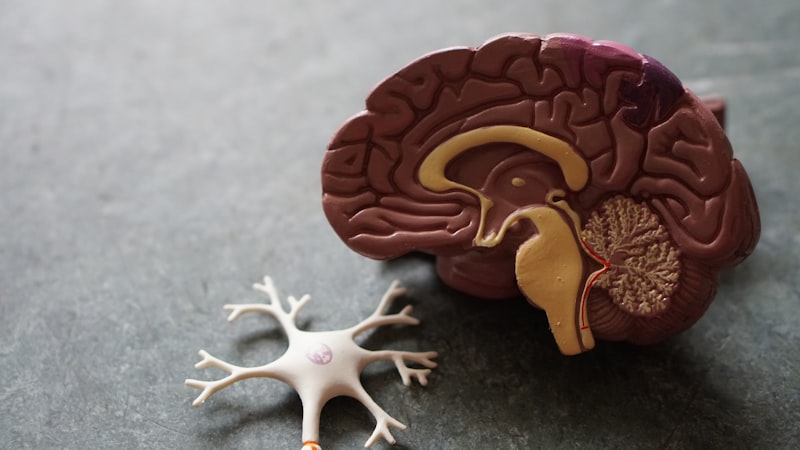
The intersection of amino acid metabolism and neuroscience is particularly profound, as several key amino acids serve as direct metabolic precursors for the vast majority of the central nervous system’s signaling molecules, the neurotransmitters. This relationship directly links dietary protein intake and metabolic efficiency to cognitive function, emotional regulation, and psychological disorders. The transport of these precursors across the blood-brain barrier (BBB) is highly regulated, often utilizing specialized carriers that compete for uptake, adding another layer of complexity to neurological regulation.
Perhaps the most well-known example is the essential amino acid Tryptophan. Tryptophan is the sole precursor for the synthesis of Serotonin (5-hydroxytryptamine), a monoamine neurotransmitter vital for regulating mood, appetite, sleep, and impulse control. The conversion process is relatively short, involving hydroxylation and decarboxylation steps. Because Tryptophan levels in the brain directly correlate with Serotonin synthesis rates, dietary manipulations or clinical conditions affecting Tryptophan availability can significantly impact mental status. Similarly, the conditionally essential amino acid Tyrosine (derived from Phenylalanine) is the precursor for the entire catecholamine family of neurotransmitters, including Dopamine, Norepinephrine, and Epinephrine. These neurotransmitters are fundamental to attention, motivation, reward processing, and the fight-or-flight response, highlighting why deficiencies in the metabolic pathway from Tyrosine to these critical signaling molecules can lead to profound psychological consequences.
Furthermore, some amino acids themselves act as neurotransmitters. Glutamate, an excitatory amino acid, is the primary excitatory neurotransmitter in the mammalian central nervous system, crucial for learning and memory through its role in synaptic plasticity. Conversely, Glycine and GABA (gamma-aminobutyric acid), which is synthesized directly from Glutamate via the enzyme glutamate decarboxylase, function as inhibitory neurotransmitters. GABA is the principal inhibitory signaling molecule, playing a vital role in counterbalancing Glutamate activity, reducing neuronal excitability, and promoting relaxation, making it a target for numerous anxiolytic drugs. The delicate balance between Glutamate and GABA activity is essential for preventing excitotoxicity and maintaining neuronal stability, illustrating the fine control exerted by these fundamental chemical structures on complex psychological phenomena.
Metabolic Pathways and Regulation
Amino acids are not simply static building blocks; they are constantly being synthesized, broken down, and interconverted through complex metabolic pathways collectively known as the amino acid pool. The body maintains a circulating pool of free amino acids derived from dietary intake, protein degradation, and endogenous synthesis. The fate of an amino acid depends heavily on the body’s current energy needs and synthetic demands. When the body requires energy, amino acids undergo catabolism, where the carbon skeleton is separated from the amino group. The carbon skeletons are then converted into intermediates of the Krebs cycle or glycolysis, allowing them to be utilized for ATP production or stored as glucose or fat.
The safe disposal of the nitrogen component is a crucial regulatory step, as excess ammonia ($\text{NH}_3$) resulting from deamination is highly toxic, particularly to the central nervous system. In mammals, this toxic ammonia is efficiently converted into urea through the Urea Cycle, primarily occurring in the liver. This detoxification pathway ensures that nitrogenous waste can be safely excreted via the kidneys. Defects in the enzymes of the Urea Cycle lead to severe hyperammonemia, a condition causing neurological damage, coma, and death if untreated, demonstrating the necessity of precise amino acid catabolic regulation for brain health.
Conversely, when the body is in an anabolic state (such as during growth or recovery), amino acids are used for protein synthesis or the formation of non-protein nitrogen-containing compounds. The regulation of these pathways is tightly controlled by hormones, including insulin and glucagon, which signal the fed or fasted state, dictating whether protein synthesis or degradation predominates. Specialized metabolic pathways also allow for the interconversion of certain amino acids; for example, transamination reactions, catalyzed by aminotransferases, allow the transfer of an amino group from one amino acid to an alpha-keto acid, generating a new amino acid and alpha-keto acid pair. This flexibility is vital for maintaining the necessary ratios of non-essential amino acids required for immediate cellular function.
Clinical Implications and Psychological Relevance
Disruptions in amino acid metabolism are implicated in a wide range of inherited metabolic disorders and acquired psychological conditions. One of the most historically significant metabolic disorders is Phenylketonuria (PKU), an autosomal recessive condition where the enzyme phenylalanine hydroxylase (PAH) is deficient or absent. This enzyme is responsible for converting the essential amino acid Phenylalanine into Tyrosine. Without this conversion, Phenylalanine accumulates to toxic levels in the blood and brain, severely impairing neurological development, leading to profound irreversible intellectual disability if not detected and managed early through strict dietary restrictions. The successful management of PKU through restricting Phenylalanine intake demonstrates the direct and critical link between specific amino acid levels and cognitive outcomes.
Furthermore, dietary manipulation of specific amino acids has been explored extensively in the treatment of mood disorders. Because essential amino acids like Tryptophan and Tyrosine serve as precursors to key monoamine neurotransmitters (Serotonin, Dopamine, Norepinephrine), studies involving amino acid depletion (AAD) techniques have been used to investigate the biochemical underpinnings of depression and other affective disorders. Acute depletion of Tryptophan, for instance, has been shown to temporarily induce depressive symptoms in susceptible individuals, particularly those in remission from major depressive disorder, strongly supporting the hypothesis that adequate amino acid availability is necessary for stable neurotransmitter function and mood regulation.
In summary, amino acids are far more than mere building blocks; they are metabolic hubs that link nutrition, genetics, energy status, and neurological signaling. Their precise availability and metabolic regulation are indispensable for maintaining the integrity of the human organism, influencing everything from the structure of cellular membranes to the balance of excitatory and inhibitory signals in the brain. The quote often associated with these molecules remains profoundly true: “Amino acids are vital compounds without which human beings would cease to exist,” underscoring their irreplaceable role in the complex machinery of life and consciousness.