Medical Anesthesia: The Psychology of Controlled Oblivion
Scientifically Reviewed · Dr. Marwa Abd-Alazim · October 9, 2026
Review Criteria & Clinical Standards
This content undergoes rigorous scientific peer-review and medical editorial standards at Arab Psychology Network to ensure clinical accuracy, validity, and compliance with evidence-based guidelines from leading psychological and healthcare authorities (APA / WHO).
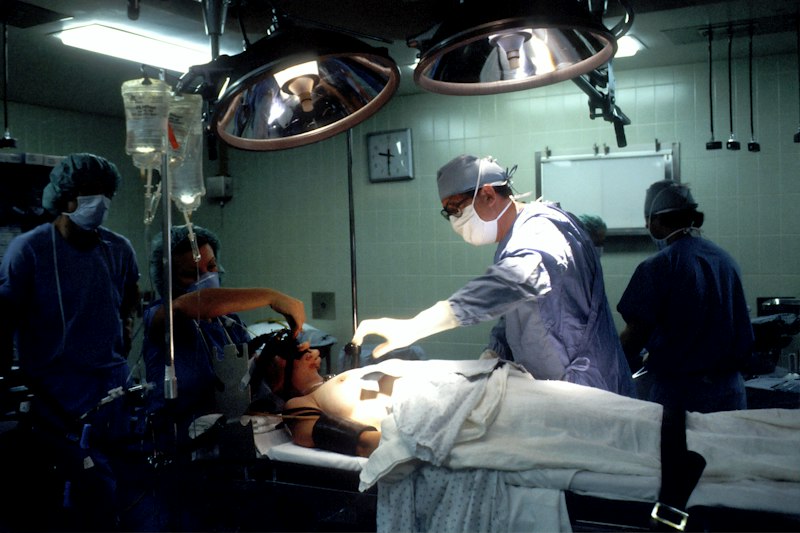
The Core Definition of Anesthesia
Anesthesia, often spelled anaesthesia, is a fundamental medical procedure that involves the temporary and reversible elimination or reduction of sensation, particularly the sensation of pain. This induced state is crucial for allowing medical interventions, especially surgical procedures, to be performed without causing distress or pain to the patient. Beyond mere pain relief, anesthesia aims to achieve a comprehensive state encompassing analgesia (pain relief), amnesia (loss of memory of the event), muscle relaxation, and often unconsciousness, depending on the type and depth required. It fundamentally alters the body’s perception and response to noxious stimuli by acting on the central nervous system and/or peripheral nerves, creating a safe and controlled environment for complex medical care.
The primary mechanism behind anesthesia involves the administration of specific drugs, known as anesthetics, which induce a controlled and temporary depression of the nervous system. This depression is carefully managed by a medical specialist, typically an anesthesiologist or anaesthetist, to ensure patient safety and optimize conditions for the procedure. The goal is not merely to “put a patient to sleep,” but rather to create a precisely modulated physiological state where pain signals are blocked, consciousness is altered, and involuntary muscle movements are inhibited. This intricate balance allows surgeons to perform delicate operations while the patient remains stable and unaware of the invasive nature of the procedure.
In essence, anesthesia represents a profound advancement in medicine, transforming surgical possibilities from rapid, often traumatic ordeals into sophisticated, carefully managed interventions. It enables life-saving surgeries, complex diagnostic procedures, and effective pain management strategies that would otherwise be impossible or unbearably painful for the patient. The controlled nature of this process, from induction to emergence, underscores its role as a cornerstone of modern healthcare, prioritizing both patient comfort and the precision required for successful medical outcomes.
Historical Development of Anesthesia
The quest to alleviate pain during medical procedures is as old as medicine itself, with ancient civilizations employing various crude methods such as alcohol, opium, mandragora, and even blunt force trauma to induce altered states or unconsciousness. However, the true dawn of modern anesthesia, characterized by predictable and reversible pain relief, began in the mid-19th century. Early pioneers like Humphry Davy explored the properties of nitrous oxide (laughing gas) in 1799, noting its analgesic effects, though its surgical application was not immediately realized. The critical breakthroughs involved the systematic application of chemical compounds to render patients insensible to pain during surgery.
A pivotal moment occurred in 1842 when American surgeon Crawford Long used diethyl ether to painlessly remove a tumor from a patient’s neck, though he did not publish his findings immediately. The public demonstration that truly revolutionized medicine took place on October 16, 1846, at Massachusetts General Hospital. Dentist William T.G. Morton successfully demonstrated the use of inhaled ether during a neck tumor removal performed by Dr. John Collins Warren. This public success, widely publicized, marked the global recognition of effective surgical anesthesia. Soon after, Scottish physician James Young Simpson introduced chloroform into clinical practice in 1847, offering an alternative anesthetic, particularly notable for its use by Queen Victoria during childbirth.
These early developments rapidly transformed surgery, enabling longer, more complex, and life-saving operations that were previously unimaginable. Before anesthesia, speed was paramount in surgery to minimize agony, often leading to crude techniques and high mortality rates. The introduction of reliable anesthetics allowed surgeons to work with greater precision and care, fundamentally changing the scope and safety of medical interventions. This historical context highlights the profound impact of anesthesia, moving medical practice from rudimentary pain suppression to a sophisticated, scientifically guided discipline focused on patient comfort and surgical efficacy.
Mechanisms of Action: How Anesthesia Works
The fundamental principle behind how anesthesia works involves a complex interplay of pharmacological agents with the nervous system, leading to a temporary and reversible alteration of neural function. While the precise molecular mechanisms of all anesthetics are still an active area of research, it is understood that these drugs primarily act on various targets within the brain and spinal cord to achieve their desired effects. General anesthetics, for instance, are believed to exert their effects by modulating the activity of numerous ion channels and neurotransmitter receptors, particularly those involved in inhibitory (e.g., GABA) and excitatory (e.g., NMDA) pathways.
For general anesthesia, drugs typically enhance the function of inhibitory neurotransmitters like GABA (gamma-aminobutyric acid), which is the primary inhibitory neurotransmitter in the central nervous system. By binding to GABA-A receptors, anesthetics increase the influx of chloride ions into neurons, hyperpolarizing them and making them less likely to fire. This widespread suppression of neural activity leads to unconsciousness, amnesia, and muscle relaxation. Conversely, some anesthetics may also inhibit excitatory neurotransmitter systems, further contributing to the overall depressive effect on the brain. The precise combination of effects on different neuronal targets determines the specific characteristics of each anesthetic agent, including its speed of onset, duration of action, and side effect profile.
In contrast, regional anesthesia and local anesthesia operate through a more localized and direct mechanism. These agents, such as lidocaine or bupivacaine, work by blocking the transmission of nerve impulses along specific nerve fibers. They achieve this by reversibly binding to voltage-gated sodium channels on the nerve cell membrane. By preventing sodium ions from entering the cell, these drugs inhibit the depolarization necessary for the initiation and propagation of action potentials, effectively stopping pain signals from reaching the brain. This targeted approach allows for pain relief in a specific body region without inducing widespread systemic effects or loss of consciousness, making it suitable for a range of procedures where the patient needs to remain awake or only lightly sedated.
Types of Anesthesia: General Anesthesia
General anesthesia is a profound, drug-induced state of unconsciousness during which patients are unresponsive to even painful stimuli. It is meticulously managed to ensure a patient’s safety and comfort throughout surgical or medical procedures that require complete immobility, muscle relaxation, and a total absence of awareness or memory. This type of anesthesia is typically administered through two primary routes: intravenously or via inhalation. Intravenous general anesthetics, such as propofol, etomidate, or ketamine, are injected directly into the bloodstream, acting rapidly to induce unconsciousness. These drugs quickly cross the blood-brain barrier, leading to a swift loss of consciousness, making them ideal for the induction phase of anesthesia.
Once consciousness is induced, the anesthetic state is often maintained using a combination of intravenous agents and/or inhalational anesthetics. Inhalational anesthetics, which are volatile liquids vaporized into gases and delivered through a breathing mask or endotracheal tube, include agents like sevoflurane, desflurane, and isoflurane, along with nitrous oxide (often used as an adjunct). These gases are absorbed through the lungs into the bloodstream and then delivered to the brain. Their concentrations can be precisely controlled by the anesthesiologist, allowing for fine-tuning of the depth of anesthesia throughout the procedure. The choice between intravenous and inhalational maintenance, or a combination, depends on the specific patient, the type of surgery, and the anesthesiologist’s preference.
During general anesthesia, the patient’s vital signs—including heart rate, blood pressure, oxygen saturation, carbon dioxide levels, and body temperature—are continuously and rigorously monitored. Anesthesiologists also often use sophisticated equipment to assess the depth of anesthesia and ensure the patient remains safely unconscious and pain-free. Muscle relaxants are frequently administered in conjunction with general anesthetics to facilitate intubation (insertion of a breathing tube) and to provide surgical relaxation, which is crucial for many abdominal or thoracic procedures. The entire process requires intricate pharmacological knowledge, precise drug titration, and continuous clinical vigilance to maintain a stable physiological state and ensure a safe emergence from anesthesia.
Types of Anesthesia: Regional and Local Anesthesia
In contrast to the systemic effects of general anesthesia, regional anesthesia and local anesthesia aim to block pain sensations in a specific, limited area of the body while the patient often remains awake or mildly sedated. This targeted approach offers several advantages, including fewer systemic side effects, faster recovery times, and the ability for patients to participate in their care or provide feedback during the procedure. Regional anesthesia involves injecting anesthetic drugs into or near major nerve bundles or the spinal cord, thereby blocking pain signals from a larger region of the body. Common types of regional anesthesia include spinal anesthesia, epidural anesthesia, and peripheral nerve blocks.
Spinal anesthesia involves injecting a local anesthetic directly into the cerebrospinal fluid surrounding the spinal cord in the lower back. This rapidly induces profound numbness and muscle relaxation in the lower half of the body, making it suitable for procedures on the legs, hips, or lower abdomen. Epidural anesthesia, on the other hand, involves placing a thin catheter into the epidural space (just outside the spinal cord’s protective membrane) and continuously infusing local anesthetics. This allows for a more gradual onset and prolonged duration of pain relief, often used during childbirth, and for post-operative pain management. Peripheral nerve blocks involve injecting anesthetic near specific nerves that supply a particular limb or area, such as a brachial plexus block for arm surgery or a femoral nerve block for knee surgery.
Local anesthesia is the most localized form of pain control, typically used for minor procedures that affect only a small area of tissue, such as stitching a wound, removing a mole, or dental work. It involves directly injecting a local anesthetic like lidocaine or ropivacaine into the skin and underlying tissues at the surgical site. The anesthetic then diffuses through the tissues, temporarily numbing the nerve endings in that immediate vicinity. While regional anesthesia affects entire limbs or body sections by blocking larger nerves, local anesthesia provides a circumscribed area of numbness. Both regional and local techniques are invaluable for reducing the need for general anesthesia, thereby minimizing associated risks and promoting quicker patient recovery.
Anesthesia in Practice: A Surgical Example
To illustrate the practical application of anesthesia, let’s consider a common surgical scenario such as a knee arthroscopy, which can be performed under various anesthetic techniques. The journey begins with a comprehensive pre-operative assessment by the anesthesiologist, where the patient’s medical history, current medications, allergies, and previous anesthetic experiences are thoroughly reviewed. This assessment is crucial for tailoring the anesthetic plan to the individual’s specific needs and mitigating potential risks. For a knee arthroscopy, options might include general anesthesia, regional anesthesia (such as a spinal or femoral nerve block), or even monitored sedation with local infiltration.
If general anesthesia is chosen, the “how-to” sequence typically involves several steps. First, in the operating room, the patient is connected to monitoring equipment to track vital signs. An intravenous line is established, and pre-medication (e.g., anti-nausea drugs, mild sedatives) may be administered. The induction phase then commences with the injection of intravenous anesthetic agents, such as propofol, which rapidly induce unconsciousness. Once unconscious, a breathing device (e.g., laryngeal mask airway or endotracheal tube) is inserted to maintain a clear airway and deliver oxygen and inhalational anesthetics like sevoflurane for maintenance. Muscle relaxants might also be given to ensure surgical immobility. Throughout the procedure, the anesthesiologist continuously monitors the patient’s physiological responses, adjusting anesthetic depth as needed.
Upon completion of the surgery, the emergence phase begins. Anesthetic agents are discontinued or reduced, allowing the patient to gradually regain consciousness. The breathing device is removed once the patient is awake enough to breathe effectively on their own. The patient is then transferred to a post-anesthesia care unit (PACU) or recovery room, where they are closely observed for any immediate side effects like nausea, pain, or confusion. Pain relief is managed with appropriate analgesics. This entire process, from pre-operative planning to post-operative recovery, exemplifies the meticulous care and continuous vigilance required from the anesthesia team to ensure a safe, comfortable, and successful surgical experience for the patient.
Significance and Broad Applications of Anesthesia
The significance of anesthesia in modern medicine cannot be overstated; it is a foundational pillar that has revolutionized surgical care and enabled countless life-saving and life-improving procedures. Before its advent, surgery was a brutal and often fatal endeavor, limited to rapid amputations or superficial interventions due to unbearable pain and involuntary movement. Anesthesia transformed this landscape, allowing surgeons the necessary time and precision to perform complex operations on internal organs, delicate neurological structures, and intricate orthopedic repairs. It has expanded the frontiers of medicine, making procedures like organ transplantation, open-heart surgery, and extensive cancer resections not only feasible but routine, thereby dramatically increasing human lifespan and quality of life.
Beyond the operating theatre, the principles and applications of anesthesia extend into numerous other critical areas of healthcare. In diagnostic medicine, sedation and anesthesia are crucial for procedures that require patients to remain perfectly still or would otherwise be uncomfortable, such as magnetic resonance imaging (MRI) for claustrophobic individuals, endoscopies, or complex radiological interventions. In pain management, regional anesthetic techniques, nerve blocks, and epidurals are invaluable tools for treating both acute post-operative pain and chronic pain conditions, offering targeted relief and improving patient recovery and long-term well-being.
Furthermore, anesthesia plays a vital role in emergency medicine and critical care. Anesthesiologists are experts in airway management, resuscitation, and physiological stabilization, making them indispensable members of trauma teams and intensive care units. Their expertise in pharmacology and physiology ensures that critically ill patients receive optimal support, whether it’s through managing ventilation, stabilizing hemodynamics, or providing deep sedation for those on life support. The continuous evolution of anesthetic drugs and techniques also drives innovation in medical research, contributing to a deeper understanding of the central nervous system, consciousness, and pain pathways, thereby enhancing medical knowledge across various disciplines.
Potential Risks, Side Effects, and Patient Safety
While anesthesia is generally considered remarkably safe, particularly given the complexity of the physiological changes it induces, it is not without potential risks and side effects. The vast majority of patients experience only mild, transient side effects, which are well-managed in the post-anesthesia care unit. Common side effects include nausea and vomiting (post-operative nausea and vomiting, or PONV), which can often be mitigated with prophylactic medications. Other frequent but temporary complaints include dizziness, drowsiness, confusion, sore throat (from breathing tubes), and muscle aches. These usually resolve within hours or a day after the procedure.
More serious complications are rare but can occur, highlighting the importance of the anesthesiologist’s continuous vigilance and expertise. These rare but severe risks include allergic reactions to anesthetic drugs, respiratory depression (breathing becoming too slow or shallow), and adverse cardiovascular events such as heart attack or stroke, especially in patients with pre-existing conditions. Other rare complications might include malignant hyperthermia (a genetic reaction to certain anesthetics causing a rapid rise in body temperature), nerve damage (particularly with regional techniques, though often temporary), and awareness under anesthesia (rarely, a patient may recall events during surgery, though without feeling pain due to concurrent analgesia).
Patient safety is paramount in anesthesiology, driven by rigorous training, stringent protocols, and advanced monitoring technology. Before any procedure, a thorough pre-operative assessment helps identify and mitigate individual patient risks. During anesthesia, continuous monitoring of vital signs, oxygenation, ventilation, and depth of anesthesia allows the anesthesiologist to detect and respond to any changes immediately. The field of anesthesiology has made immense strides in safety over the past decades, transforming it from a high-risk endeavor to one with an exceptionally low incidence of serious adverse events. This commitment to safety ensures that the benefits of enabling complex medical procedures far outweigh the carefully managed risks for the vast majority of patients.
Connections to Other Psychological and Medical Concepts
The field of anesthesia is deeply intertwined with numerous other psychological and medical concepts, underscoring its multidisciplinary nature. From a purely medical standpoint, it is a core component of pharmacology, as anesthesiologists must have an extensive understanding of drug actions, interactions, pharmacokinetics, and pharmacodynamics. It relies heavily on physiology to monitor and manage bodily functions during altered states, and on critical care medicine for managing acutely ill patients and resuscitation. Anesthesia also informs and is informed by neuroscience, particularly in understanding consciousness, pain perception, and the complex mechanisms by which anesthetic agents affect brain function.
From a psychological perspective, anesthesia touches upon fundamental questions of consciousness and perception. The temporary and reversible loss of consciousness induced by general anesthesia provides a unique model for studying the neural correlates of consciousness, memory formation (or lack thereof, in the case of amnesia), and the brain’s response to external stimuli. The experience of pain, which anesthesia aims to block, is itself a complex biopsychosocial phenomenon, influenced by psychological factors such as anxiety, expectation, and past experiences. Therefore, the management of pain, both acute and chronic, often involves a psychological component alongside pharmacological interventions.
Related concepts frequently encountered in discussions about anesthesia include analgesia, which specifically refers to the absence of pain without loss of consciousness (e.g., painkillers), and sedation, a state of reduced awareness or calm, ranging from minimal (anxiolysis) to deep (where the patient may respond only to repeated or painful stimuli, but is not fully unconscious). Anesthesia often incorporates elements of both sedation and analgesia to achieve its full effect. As a broader category, anesthesia falls under the medical specialty of Anesthesiology, a distinct and highly specialized field dedicated to perioperative care, pain management, and critical care medicine, demonstrating its integral role in the continuum of patient health and recovery.