Animal Courtship: The Secret Psychology of Attraction
Scientifically Reviewed · Dr. Marwa Abd-Alazim · October 9, 2026
Review Criteria & Clinical Standards
This content undergoes rigorous scientific peer-review and medical editorial standards at Arab Psychology Network to ensure clinical accuracy, validity, and compliance with evidence-based guidelines from leading psychological and healthcare authorities (APA / WHO).
Core Definition of Animal Courtship
Animal courtship is a complex and multifaceted biological process involving a sequence of interactions between individuals of the same species, primarily aimed at facilitating successful sexual reproduction. At its most fundamental level, it represents a pre-mating ritual where two potential partners engage in specific behaviors to assess each other’s suitability, synchronize their reproductive states, and ultimately initiate the act of mating. This intricate dance of displays, signals, and responses is a critical evolutionary adaptation that ensures the propagation of species by optimizing mate selection and reproductive outcomes. It is a universal phenomenon observed across the vast tapestry of the animal kingdom, from the simplest invertebrates to the most complex mammals, underscoring its profound importance in ecological and evolutionary dynamics.
The fundamental mechanism behind courtship lies in its function as a filtering system. Through a series of elaborate and often species-specific displays, animals communicate their genetic quality, reproductive fitness, and willingness to mate. These signals can range from visual spectacles, such as the vibrant plumage of birds, to auditory performances like the intricate songs of whales, or even chemical cues through pheromones. The process allows both individuals to gauge the other’s health, strength, and potential as a reproductive partner, thereby minimizing the risk of investing resources in an incompatible or infertile mate. This careful evaluation is crucial, as successful reproduction often demands significant biological investment, including the energetic costs of gamete production, gestation, and parental care.
Moreover, courtship behaviors serve to synchronize the physiological and psychological states of potential mates. For many species, reproductive readiness is not constant; it is often tied to specific seasons, environmental conditions, or internal biological rhythms. Courtship rituals can act as powerful stimuli, triggering hormonal changes and behavioral shifts that bring both partners into a state conducive to mating. This synchronization is particularly vital in species with internal fertilization or those requiring precise timing for egg laying and sperm release. The intricate interplay of these signals and responses ensures that when mating does occur, it has the highest possible chance of resulting in viable offspring, thus reinforcing the species’ survival and genetic legacy.
Mechanisms and Stages of Courtship Behavior
The typical progression of courtship behavior often begins with a period of male display, where the male actively seeks to attract the female’s attention through a variety of sensory cues. These displays are frequently energetically costly and conspicuous, acting as honest signals of the male’s fitness and genetic quality. For instance, male birds might exhibit brilliantly colored feathers, engage in elaborate aerial acrobatics, or perform complex vocalizations such as songs designed to broadcast their presence and prowess across significant distances. In other species, these initial overtures might involve intricate dances, the construction of elaborate nests or bower structures, or even the presentation of nuptial gifts, all intended to impress the discerning female and demonstrate superior genetic or resource-holding potential.
Following the male’s initial advances, the female typically evaluates these signals before responding. Her response is crucial and serves as a further filter in the mate selection process. If interested, she may reciprocate with her own set of behaviors, which can include displaying her own feathers, making specific vocalizations, or engaging in a mirroring dance. This reciprocal interaction allows both animals to continually assess the other’s compatibility and willingness to proceed. The female’s role is often one of selective gatekeeper, as she typically has a greater investment in reproduction (e.g., egg production, gestation, parental care) and therefore needs to be more judicious in her choice of mate. Her responses signal acceptance, hesitation, or rejection, guiding the subsequent stages of the ritual.
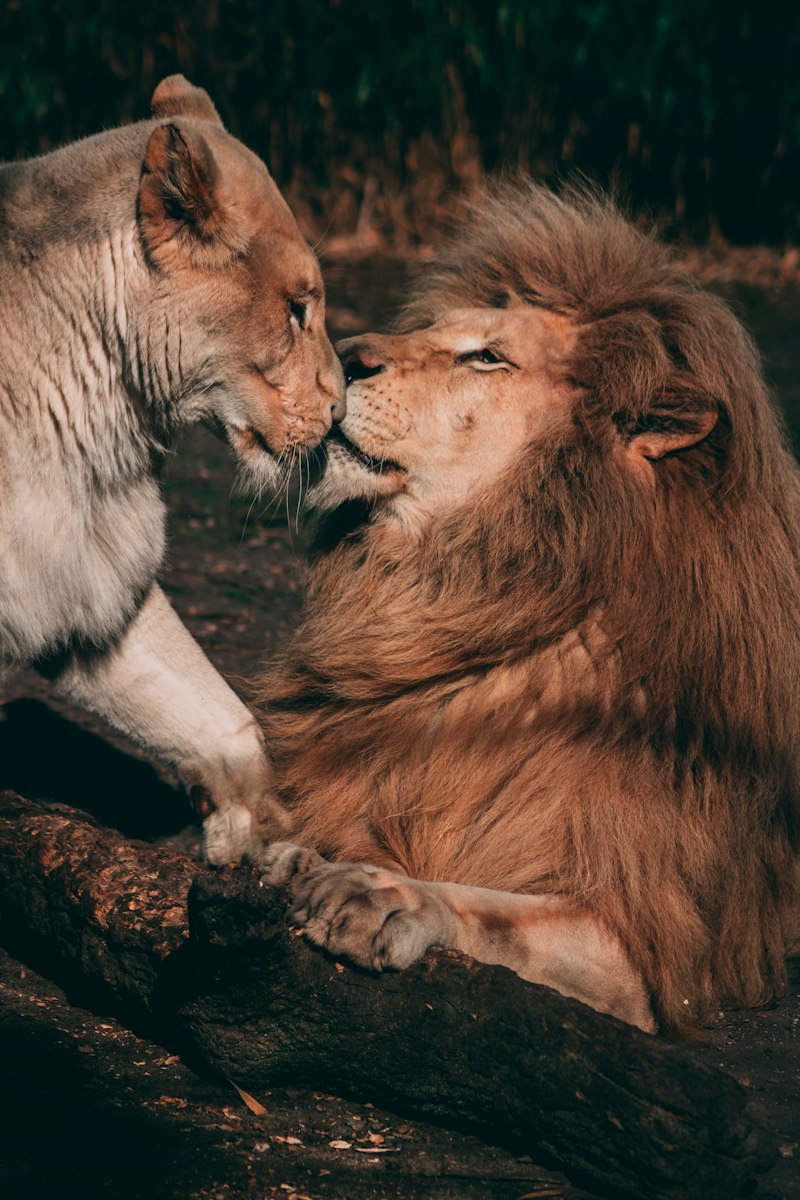
As the courtship progresses, physical contact often becomes an integral part of the interaction, deepening the bond and further confirming mutual interest. This can range from gentle touching, grooming, or nuzzling in mammals, to more elaborate tactile rituals in insects or fish. Such physical interactions serve to reduce aggression, build trust, and heighten physiological arousal, bringing the partners closer to reproductive readiness. The culmination of a successful courtship typically involves the female allowing the male to mount her, signifying the final stage before copulation. This sequence of display, response, and physical interaction is meticulously choreographed by evolutionary pressures, ensuring that only the most suitable and compatible partners proceed to reproduce, thereby propagating the strongest genes and behavioral traits within the population.
Evolutionary and Historical Perspectives
The scientific study of animal behavior, known as ethology, provided the foundational framework for understanding animal courtship. Pioneers such as Konrad Lorenz, Niko Tinbergen, and Karl von Frisch, who were awarded the Nobel Prize in Physiology or Medicine in 1973, were instrumental in establishing ethology as a distinct scientific discipline. Their work in the mid-20th century involved meticulous observation and categorization of innate behaviors, including complex social rituals like courtship displays, in their natural environments. Tinbergen, for instance, famously dissected the fixed action patterns and sign stimuli involved in the courtship of stickleback fish, demonstrating how specific environmental cues trigger predictable behavioral sequences. This early work laid the groundwork for understanding the proximate and ultimate causes of such intricate behaviors, highlighting their adaptive significance.
From an evolutionary standpoint, the development of diverse courtship rituals is deeply intertwined with the concept of sexual selection, a term popularized by Charles Darwin. Darwin proposed that certain traits evolve not because they enhance survival directly, but because they increase an individual’s success in competing for or attracting mates. Courtship displays, often flamboyant and energetically costly, exemplify this principle. Such traits, if they reliably signal genetic quality, health, or resource-holding potential, are favored by mate choice, leading to their proliferation within a species over generations. The historical context thus centers on the emergence of evolutionary theory, which provided the conceptual tools to explain why animals invest so much energy and risk into seemingly extravagant behaviors that might otherwise appear detrimental to survival.
The historical progression of research moved from descriptive observations to more analytical and experimental approaches, seeking to uncover the genetic, physiological, and neural mechanisms underlying courtship. Early ethologists focused on the observable patterns, while later generations integrated insights from genetics, endocrinology, and neurobiology. This interdisciplinary approach allowed researchers to move beyond simply describing “who does what” to understanding “why and how” these behaviors evolved and are maintained. The recognition of courtship as a key component of reproductive fitness, profoundly shaped by both natural and sexual selection, remains a cornerstone of modern behavioral ecology.
The Adaptive Significance of Courtship
Courtship serves several profound adaptive purposes that are critical for the reproductive success of a species. Foremost among these is mate assessment. By engaging in a series of behavioral exchanges, potential partners can evaluate each other’s suitability as a mate. Males often display traits that are reliable indicators of their genetic quality, such as robust health, strong immune systems, or superior foraging abilities, which are reflected in the vibrancy of their plumage, the complexity of their songs, or their physical prowess during competitive displays. Females, who typically bear a greater reproductive cost, are highly selective, using these cues to choose partners who will contribute beneficial genes to their offspring and potentially aid in their survival and rearing. This rigorous assessment process minimizes the likelihood of choosing an incompatible mate, which could lead to infertile pairings or offspring with reduced fitness.
Another critical function of courtship is to strengthen the bond between the two potential mates, especially in species where biparental care or extended pair-bonding is common. Engaging in prolonged courtship behaviors, which can sometimes last for days or weeks, allows partners to develop familiarity and trust. These interactions, often involving mutual grooming, feeding rituals, or synchronized movements, forge a social connection that extends beyond the immediate act of reproduction. For species where offspring require significant parental investment, a strong pair-bond ensures cooperation in nest building, foraging, and protection against predators, thereby significantly increasing the survival rate of their progeny. This shared investment of time and energy during courtship serves as a commitment device, signaling a willingness to contribute to future reproductive efforts.
Furthermore, courtship plays a vital role in reducing aggression between potential mates and synchronizing their reproductive physiology. In many species, individuals can be highly territorial or aggressive towards conspecifics. Courtship rituals often involve appeasement displays that signal non-aggression and a readiness to mate, effectively defusing potential conflict. Concurrently, these behaviors can induce physiological changes, such as hormonal surges, that prepare both male and female for copulation. This synchronization ensures that mating occurs when both partners are optimally fertile and receptive, maximizing the chances of successful fertilization. The avoidance of mating mistakes, such as choosing a partner with low fertility or one that is genetically incompatible, is a significant evolutionary advantage conferred by the elaborate and careful nature of courtship.
Diverse Manifestations: Examples Across Taxa
The animal kingdom showcases an astonishing diversity in courtship displays, each tailored to the specific ecological niche and sensory capabilities of the species. In the avian world, the peacock (Pavo cristatus) provides a quintessential example of visual courtship. The male unfurls his magnificent tail feathers, adorned with iridescent ocelli, into an enormous fan. He then vibrates these feathers, creating a mesmerizing shimmer and a low-frequency rustling sound, while simultaneously performing a subtle dance. The peahen evaluates the size, symmetry, and vibrancy of the fan, as well as the male’s vigor during the display, as indicators of his health, genetic quality, and ability to evade predators despite such a conspicuous ornament. Only males exhibiting the most impressive and sustained displays are typically chosen for mating, illustrating the stringent selection pressures at play.
Mammals, while often less visually flamboyant than birds, employ a range of sophisticated courtship strategies. During the rutting season, male deer, such as red deer (Cervus elaphus), engage in elaborate vocalizations, known as roaring or bugling, to advertise their presence and dominance. They also perform ritualized fights, locking antlers in powerful clashes, to demonstrate physical strength and territorial prowess. Females observe these contests, using the outcome to assess the fitness and reproductive potential of the males. Beyond such overt displays, many mammals utilize olfactory cues extensively. For example, canids (dogs, wolves) use urine marking and scent gland secretions, containing complex pheromones, to signal reproductive status and attract mates from a distance, initiating a chemical conversation long before any physical encounter.
In the realm of insects, courtship rituals are equally varied and often involve intricate sensory interactions. Fireflies (family Lampyridae) are famous for their bioluminescent displays, where males flash species-specific patterns of light. Females, positioned in vegetation, respond with their own precise flashes, creating a dazzling visual dialogue that helps them locate and identify suitable mates in the darkness. Each species has a unique flash pattern, preventing cross-species mating. Meanwhile, many spider species, like the peacock spider (Maratus volans), perform elaborate visual dances, where the male raises and waves colorful abdominal flaps while moving in highly choreographed patterns to attract the female. These dances are critical for species recognition and to appease the female, who might otherwise perceive the male as prey, highlighting the high stakes involved in their reproductive encounters.
Psychological and Biological Underpinnings
The study of animal courtship draws heavily from several subfields within psychology and biology, particularly evolutionary psychology, behavioral ecology, and comparative psychology. Evolutionary psychology seeks to understand how natural and sexual selection have shaped psychological mechanisms, including mate preferences and courtship behaviors, to solve adaptive problems related to reproduction. Behavioral ecology, on the other hand, focuses on the ecological and evolutionary bases for animal behavior, examining how animals interact with their environment and with each other to maximize fitness. Courtship displays are central to behavioral ecology as they are direct manifestations of strategies to enhance reproductive success within specific environmental contexts, considering factors like predator risk, resource availability, and population density.
Several related concepts and theories illuminate the complex dynamics of animal courtship. Parental investment theory, proposed by Robert Trivers, is crucial for understanding sex differences in courtship. It posits that the sex that invests more in offspring (typically females) will be more selective in mate choice, while the sex that invests less (typically males) will compete more intensely for access to mates. This explains why males often engage in more elaborate and risky courtship displays. Signaling theory helps explain the honesty and reliability of courtship displays; costly signals, which are difficult to fake, serve as more trustworthy indicators of an individual’s quality. Additionally, concepts like fixed action patterns, from classical ethology, describe the innate, unchangeable behavioral sequences often observed in courtship rituals, triggered by specific sign stimuli.
The broader category of study that encompasses animal courtship is behavioral biology, an interdisciplinary field that investigates the physiological, developmental, and evolutionary bases of behavior. Within this broad umbrella, zoology and comparative psychology also play significant roles. Zoology provides the taxonomic and anatomical context for understanding species-specific behaviors, while comparative psychology examines behavioral similarities and differences across species to gain insights into evolutionary relationships and the underlying psychological processes. Together, these fields provide a comprehensive understanding of how genetic predispositions, hormonal influences, neural circuits, and environmental factors interact to produce the diverse and intricate array of courtship behaviors observed in nature.
Contemporary Research and Future Directions
Modern research into animal courtship continues to expand, leveraging advanced technologies and interdisciplinary approaches to uncover deeper insights. Genetic studies are increasingly identifying the specific genes and gene networks that underpin courtship behaviors and mate preferences, exploring how genetic variation influences the expression and effectiveness of displays. Neurobiological research uses techniques like optogenetics and fMRI to map the brain regions and neural circuits activated during courtship, revealing the intricate neural architecture that governs attraction, desire, and reproductive decision-making. Computational models are also employed to simulate courtship dynamics, helping researchers understand complex interactions, population-level consequences of mate choice, and the evolutionary stability of different courtship strategies. These sophisticated tools allow for a detailed examination of the proximate mechanisms that drive these essential behaviors.
The practical applications of understanding animal courtship are diverse and impactful. In conservation biology, knowledge of species-specific courtship rituals is crucial for captive breeding programs. Successfully replicating natural courtship conditions can significantly increase breeding success for endangered species, aiding their recovery. In animal welfare, understanding the behavioral needs associated with mate selection helps in designing environments that promote natural behaviors and reduce stress in captive animals. Furthermore, insights from animal courtship can inform our understanding of human mate selection and social dynamics, providing a comparative framework for exploring the evolutionary roots of human attraction and reproductive strategies, although direct extrapolations must be made with caution given the complexities of human culture.
Looking ahead, future research directions in animal courtship are poised to address pressing global challenges. The impact of anthropogenic factors, such as habitat fragmentation, climate change, and light or noise pollution, on courtship behaviors is a growing area of concern. Researchers are investigating how these stressors disrupt communication signals, alter mate choice, and ultimately affect reproductive success and population viability. Understanding these impacts is crucial for developing effective conservation strategies in a rapidly changing world. Additionally, the exploration of cryptic mate choice, where female choice occurs post-copulation (e.g., sperm selection), and the role of microbial symbionts in influencing mate attraction represent exciting frontiers, promising to reveal even more layers of complexity in the intricate dance of animal reproduction.