Maternal Instinct: Decoding the Science of Nurturing Bonds
Scientifically Reviewed · Dr. Marwa Abd-Alazim · August 31, 2026
Review Criteria & Clinical Standards
This content undergoes rigorous scientific peer-review and medical editorial standards at Arab Psychology Network to ensure clinical accuracy, validity, and compliance with evidence-based guidelines from leading psychological and healthcare authorities (APA / WHO).

Introduction to Animal Maternal Behavior
Animal maternal behavior encompasses the complex and multifaceted repertoire of actions performed by females that contribute directly to the survival, development, and eventual reproductive success of their offspring. This critical set of behaviors, which is foundational to the study of behavioral ecology and ethology, includes, but is not limited to, vital activities such as feeding, thermoregulation, teaching, and protection. The fundamental goal of these parental investments is to mitigate the high mortality risks faced by young animals, thereby maximizing the mother’s inclusive fitness. Maternal care is often costly, requiring significant allocation of the mother’s energy, time, and resources, leading to observable trade-offs in her own future reproductive output or longevity.
The sheer variability in maternal strategies across the animal kingdom is perhaps the most striking feature of this field of study. While primates may exhibit years of intensive social and physical care, certain fish species might only engage in brief, high-intensity guarding of eggs, and many invertebrates show negligible post-oviposition care. This spectrum of investment reflects diverse evolutionary pressures, ecological niches, and life history strategies. For instance, species that produce few, altricial offspring (e.g., many mammals) typically necessitate prolonged and intensive maternal involvement, whereas species producing numerous, precocial offspring often exhibit reduced parental input. Understanding these species-specific variations requires detailed examination of the physical demands of the environment and the developmental stage of the neonates.
The definition of animal maternal behavior is typically centered on acts committed specifically by the biological mother, differentiating it from broader concepts like alloparenting or paternal care. These behaviors are usually triggered by a confluence of internal physiological states, particularly hormonal shifts associated with pregnancy and parturition, and external stimuli originating from the offspring themselves, such as distress signals or feeding cues. The study of animal maternal behavior thus bridges endocrinology, neurobiology, and evolutionary ecology, providing deep insights into the mechanisms that drive the persistence of life across generations.
The Evolutionary Context of Maternal Investment
Maternal investment is a direct consequence of the evolutionary imperative to ensure genetic continuity. The concept is rooted in Trivers’ theory of parental investment, which defines any investment by the parent in an individual offspring that increases the offspring’s chance of survival (and hence reproductive success) at the cost of the parent’s ability to invest in other offspring. Given that females typically bear the initial costs of gamete production and gestation, the subsequent continuation of care often falls disproportionately to the mother, especially in species where internal fertilization makes paternity less certain, though this paradigm shifts in monogamous or biparental species. The evolutionary success of a species is often directly correlated with the effectiveness of its maternal care strategies in overcoming environmental hazards and resource scarcity.
The decision matrix governing the level and duration of maternal care is complex, involving trade-offs between current and future reproduction. A mother must ‘decide,’ through evolutionary pressures, how much energy to divert to the current litter or clutch versus reserving resources for herself to survive and reproduce again later. If the current offspring are numerous or highly valuable (e.g., genetically superior), greater investment is favored. Conversely, if the mother’s condition is poor or the environmental threats are high, reducing investment now might maximize her long-term fitness potential. These trade-offs are manifest in behaviors like brood abandonment or siblicide observed in various avian and mammalian species under duress.
Furthermore, maternal behavior has co-evolved alongside offspring dependency. Highly demanding young, such as marsupial joeys or newborn kittens, have evolved mechanisms, including specific vocalizations or scent signals, that reliably elicit care from the mother. This co-evolutionary dynamic ensures the reliability of the care system. The duration of maternal care is also dictated by the time required for the offspring to reach independence, known as the weaning period or fledging stage. This period represents the culmination of maternal investment, after which the offspring transition from being resource sinks to independent competitors.
Key Components of Essential Maternal Care
Maternal care is a composite set of behaviors, each serving a distinct, vital function. Feeding remains the most fundamental component, particularly in mammals where mammary glands provide milk, an exclusive, nutrient-rich food source that supports rapid growth. In other taxa, feeding involves active foraging and provisioning, such as birds bringing insects back to the nest, or specific behaviors like trophallaxis (the transfer of food or liquid between members) observed in social insects. The efficiency and reliability of food provisioning directly influence offspring growth rate, immunocompetence, and ultimate body size, which are strong predictors of future reproductive success. The essential behaviors required for successful rearing can often be categorized into discrete functional areas:
- Nutritional Provisioning: Encompassing lactation, regurgitation, or direct feeding of captured prey.
- Physical Maintenance: Including nest building, grooming, and vital thermoregulation activities like brooding or huddling.
- Defensive Actions: Ranging from passive concealment to aggressive confrontation and physical protection against threats.
- Cognitive and Social Training: The transmission of survival skills, often referred to as teaching, crucial for independent life.
Another critical component is thermoregulation. Many neonates, especially altricial mammals and birds, are incapable of independently regulating their body temperature, making them highly vulnerable to hypothermia or hyperthermia. Maternal behaviors such as huddling, sheltering, or actively brooding (sitting on eggs or young) are essential for maintaining the narrow thermal window necessary for survival and development. For instance, rodents meticulously build nests and use their bodies to warm the pups, while many marsupials rely on the warmth and contained environment of the pouch. The precision of this thermoregulatory behavior reflects a sophisticated sensory system that monitors both the external environment and the needs of the young.
Protection involves active defense against predators, conspecifics, or environmental dangers. This can range from passive camouflage and strategic hiding of the young to highly aggressive defensive displays, often termed ‘maternal aggression.’ The risk taken by the mother during defense is typically proportional to the current reproductive value of the offspring being protected. Furthermore, maternal care involves teaching or social guidance, particularly evident in species with complex social structures and extended development periods, such as cetaceans, elephants, and primates. Mothers transmit crucial survival skills, including foraging techniques, predator recognition, and social etiquette, through demonstration, reinforcement, and correction, ensuring the cultural transmission of necessary knowledge.
Hormonal and Neurological Regulation
The proximate mechanisms driving the onset and maintenance of maternal behavior are highly dependent upon a sophisticated hormonal cascade and specific neurological circuits. In mammals, the transition from being non-parental to intensely caring is heavily mediated by reproductive hormones, primarily prolactin and oxytocin. Prolactin, often associated with lactation, is instrumental in initiating the general motivation for caregiving. Oxytocin, frequently termed the ‘bonding hormone,’ plays a critical role in promoting attachment, affiliative behaviors, and the recognition of offspring, facilitating the crucial bond necessary for sustained investment. The levels of these hormones spike dramatically around parturition, preparing the female brain for the necessary shifts in sensory perception and behavioral output.
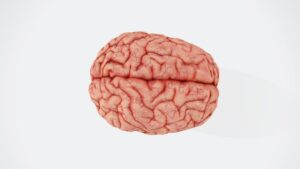
The neurological substrate of maternal behavior involves key areas of the brain that govern motivation, reward, and fear suppression. The medial preoptic area (MPOA) is considered the central hub for maternal behavior in rodents and is densely populated with receptors for prolactin and oxytocin. Activation of the MPOA is necessary for the initiation of key behaviors like pup retrieval and nursing. Simultaneously, the neural pathways involved in fear and avoidance, such as the amygdala, must be actively suppressed regarding the potentially novel or stressful stimuli presented by the offspring, allowing the nurturing response to dominate the mother’s behavioral landscape.
While hormones initiate the behavioral state, the maintenance of maternal care often becomes increasingly dependent on offspring stimuli. Sensory input—olfactory cues (pheromones), auditory signals (crying or squeaking), and tactile sensations—reinforces the caregiving circuit, creating a positive feedback loop. This shift ensures that even as hormonal levels begin to decline postpartum, the external cues from the dependent young maintain the necessary level of maternal responsiveness. Disruptions to these sensory feedback loops, such as anosmia (loss of smell) in rats, can severely impair the mother’s ability to recognize and care for her young, highlighting the importance of sensory processing in effective parenting.
Diversity Across Vertebrates
The expression of maternal behavior varies profoundly across vertebrate classes, reflecting distinct reproductive physiologies and ecological adaptations. Mammals are defined by lactation, guaranteeing a high level of maternal investment that typically includes intensive postnatal physical care and extended periods of learning and socialization. Maternal behavior in mammals ranges from the solitary, burrow-based care of rabbits to the complex, highly social, and long-term rearing observed in elephants, where care can span decades and involve contributions from multiple related females (allomothers). The evolution of the placenta and internal gestation in most mammals necessitates a high initial commitment from the female, predisposing them to prolonged postnatal care.
In Aves (birds), maternal care often involves incubation, nest construction, and provisioning, although biparental care is far more common than in mammals. Female birds typically shoulder the initial burden of egg laying and incubation, ensuring optimal thermal conditions for embryonic development. Once hatched, the mother (and often the father) engages in relentless foraging and feeding. Maternal strategies here are heavily influenced by the altricial or precocial nature of the chicks. Altricial chicks require constant feeding and brooding, demanding immense energy expenditure from the parent, whereas precocial chicks, like ducks, are mobile soon after hatching and require less direct feeding but still benefit from maternal protection and guidance.
Reptiles, Amphibians, and Fish exhibit the broadest range of parental investment, with many species displaying no post-oviposition care, while others show fierce maternal dedication. Crocodilians, for example, build nests, guard their eggs, and may actively assist hatchlings to water, protecting them for several months. Certain species of fish, particularly cichlids and some catfishes, engage in mouthbrooding—carrying eggs or fry in the mouth for protection and aeration—a highly specialized form of maternal care that severely limits the mother’s ability to feed. The decision to invest in care in these taxa often revolves around predator density and the stability of the environment; parental care is favored when the gains in offspring survival outweigh the costs to the mother’s immediate mobility and foraging success.
Maternal Strategies in Invertebrates
While often overlooked in classical studies of parental behavior, invertebrates display a remarkable array of maternal strategies, demonstrating that complex caregiving is not exclusive to vertebrates. Many insects, arachnids, and crustaceans have evolved specific behaviors to maximize the survival of their young, often representing single, high-stakes investments. For instance, the female burying beetle (Nicrophorus) will locate a small vertebrate carcass, bury it, remove the fur or feathers, and secrete anti-microbial substances, creating a preserved nursery and food source. She will then actively feed the larvae regurgitated carcass material, illustrating a level of provisioning and protection comparable to vertebrate systems.
Spiders, particularly the social species and wolf spiders, also exhibit specialized maternal behaviors. Wolf spider mothers carry their egg sacs attached to their spinnerets until hatching, protecting the eggs from desiccation and predators. Upon hatching, the spiderlings climb onto the mother’s abdomen and are transported and protected until their first molt. In some extreme cases, like the African social spider Stegodyphus sarasinorum, the mother exhibits matriphagy—allowing her offspring to consume her body after hatching, ensuring a substantial initial nutrient boost at the ultimate cost to her life. This illustrates the pinnacle of terminal investment in the context of maternal care.
Social insects, such as ants, bees, and wasps, demonstrate highly integrated systems of maternal care, though it is often distributed across specialized castes (workers) who are sterile daughters of the queen (the biological mother). The queen’s primary maternal role is oviposition, while the worker caste assumes the critical tasks of feeding (trophallaxis), thermoregulation (fanning or huddling), and protection of the developing brood within the complex nest structure. This system of cooperative breeding, or eusociality, represents an evolutionary triumph in maximizing the reproductive output of the genetic lineage through division of labor, where the genetic relatedness provides the ultimate currency for the investment.
Costs and Benefits of Maternal Investment
Maternal investment is fundamentally a life history trade-off characterized by significant energetic costs. The resources dedicated to producing eggs or young, gestating them, and subsequently providing continuous care—including lactation, brooding, and defense—are resources that cannot be used for the mother’s somatic maintenance, growth, or future reproduction. These costs manifest as reduced body condition, increased vulnerability to predation due to reduced vigilance or mobility, and often, an extended interval between reproductive events. For example, large mammals like polar bears exhibit inter-birth intervals of several years, dictated by the prolonged period of intensive maternal care required for cub survival.
The benefits of high maternal investment are directly observable in the fitness metrics of the offspring. Higher quality care generally leads to faster growth rates, better competitive ability, improved cognitive development, and ultimately, greater lifetime reproductive success for the progeny. Mothers who invest optimally ensure that their valuable genetic material is successfully passed to the next generation. The benefit calculation is nuanced, often requiring the mother to adjust investment based on the quality or viability of individual offspring. This adjustment mechanism leads to behaviors like selective neglect or differential resource allocation, ensuring that scarce resources are directed towards the most promising recipients.
The balance between costs and benefits is dynamically regulated by environmental stochasticity. In periods of high resource abundance or low predation risk, the costs of care are relatively low, favoring high investment. Conversely, environmental stress forces mothers to make tougher decisions regarding abandonment or resource throttling. This dynamic relationship underscores why maternal behavior is plastic and adaptable rather than fixed. The degree to which a female can buffer her offspring from environmental volatility through her behavior is the true measure of effective maternal investment.
Alloparenting and Cooperative Breeding
While the term ‘maternal behavior’ typically refers to the biological mother, the responsibility of care is not always exclusive. Alloparenting, or ‘aunting behavior,’ refers to care provided by individuals other than the biological parents, often siblings, grandmothers, or unrelated group members. This phenomenon is particularly prevalent in highly social species, such as African wild dogs, meerkats, and many primates, where the costs of parental care are too high for a single female to bear alone, or where group defense is critical for survival. Alloparenting allows the biological mother to recover faster and potentially reproduce sooner, increasing the overall reproductive output of the lineage or group.
In systems of cooperative breeding, the distinction between maternal and alloparental care becomes blurred. Helpers at the nest or den often contribute significantly to feeding and protection, sometimes exceeding the provisioning rates of the biological mother. The evolutionary rationale for these helpers is typically rooted in inclusive fitness theory; by helping kin, the alloparent ensures the survival of genes shared with the offspring, even if they do not reproduce directly themselves. This shared responsibility can dramatically enhance offspring survival rates compared to non-cooperative systems, particularly in harsh environments.
However, the presence of alloparents does not negate the crucial role of the biological mother. The mother often remains the primary provider of specialized resources (like milk) and is typically the central organizer of the group’s defensive strategies regarding the young. Furthermore, the mother’s behavior often dictates the level of tolerance for alloparents; conflicts can arise over resource distribution, leading to aggression or exclusion of certain helpers. The presence of alloparents adds a layer of social complexity to maternal behavior studies, requiring researchers to assess investment not just from the individual mother, but from the entire breeding unit.
Influence of Environmental Factors on Maternal Behavior
The environment acts as a powerful modulator of maternal behavior, influencing both the intensity and the quality of care provided. Factors such as resource availability, ambient temperature, and predator pressure necessitate adaptive plasticity in maternal strategies. For example, in environments characterized by food scarcity, mothers may exhibit increased foraging efforts but may also reduce the size of their litters or abandon weaker offspring to conserve resources for the most viable young. This is a common mechanism observed in fluctuating environments where the energy budget must be strictly managed.
Predator pressure often triggers pronounced shifts towards heightened maternal aggression and increased vigilance. In high-risk areas, mothers may choose suboptimal nesting sites that prioritize concealment over proximity to rich foraging grounds. The specific defensive strategies employed, such as distraction displays in ground-nesting birds or direct physical confrontation in large ungulates, are finely tuned responses to prevailing threat levels. Chronic stress induced by environmental instability can also have profound physiological effects on the mother, leading to changes in hormone profiles (e.g., elevated cortisol), which can negatively impact milk quality or reduce overall parental motivation.
Moreover, human-induced environmental changes, such as habitat fragmentation and pollution, impose novel stressors on maternal systems. Exposure to endocrine-disrupting chemicals can alter the hormonal milieu necessary for the initiation of care, potentially leading to behavioral deficiencies or reproductive failure. Anthropogenic noise and light pollution can disrupt critical nocturnal care behaviors, such as feeding or retrieval, forcing mothers to expend energy inefficiently. Thus, the study of animal maternal behavior increasingly incorporates conservation biology, examining how resilient or vulnerable these essential caregiving systems are to rapid environmental transformation.
Conclusion: The Significance of Maternal Variability
Animal maternal behavior is a dynamic and essential field of ethological study, revealing the intricate ways in which females invest in the next generation. The core elements—feeding, thermoregulation, protection, and teaching—are universal in their purpose but infinitely variable in their execution. The spectrum of care ranges from the high-investment, long-duration parenting of primates and elephants to the brief, highly specialized investments seen in certain fish and invertebrates. This variability is a testament to the power of natural selection, optimizing maternal strategies to suit the unique ecological and life history constraints faced by each species.
Understanding the mechanisms of maternal behavior, from the profound hormonal shifts that trigger bonding to the complex neurological circuits that maintain vigilance, provides critical insights into reproductive success and population dynamics. Furthermore, recognizing the trade-offs inherent in parental investment highlights the continuous energetic struggle faced by mothers across the animal kingdom. The effectiveness of maternal care often serves as the primary determinant of offspring survival rates and population viability, making it a central focus in ecological research.
Future research will likely continue to explore the plasticity of maternal responses to global change and the subtle interactions between genetic inheritance and learned behaviors in the transmission of parental skills. Ultimately, animal maternal behavior is a powerful illustration of the fundamental drive for continuity, ensuring that life, in all its diverse forms, persists and thrives through dedicated female parenting.