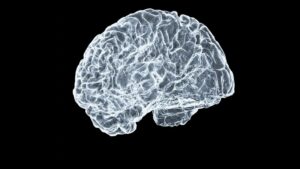
Perseveration: Breaking Free From Repetitive Thought Loops
Scientifically Reviewed · Dr. Marwa Abd-Alazim · August 31, 2026
Review Criteria & Clinical Standards
This content undergoes rigorous scientific peer-review and medical editorial standards at Arab Psychology Network to ensure clinical accuracy, validity, and compliance with evidence-based guidelines from leading psychological and healthcare authorities (APA / WHO).

Introduction and Conceptual Distinction
Perseveration, in the field of clinical psychology and neuropsychology, refers specifically to the inappropriate and often involuntary repetition or continuation of a thought, action, or verbal expression after the stimulus or goal that triggered the response has ceased or changed. This definition sharply contrasts with the common, non-technical usage of the term “perseverance,” which denotes positive, goal-directed persistence in the face of difficulty. While positive perseverance is a crucial component of achievement and resilience, pathological perseveration is universally recognized as a hallmark of executive dysfunction, signaling an impairment in the brain’s ability to inhibit established responses and flexibly shift cognitive sets. It represents a fundamental breakdown in adaptive behavior, preventing the individual from responding appropriately to novel cues or changing environmental demands.
The core maladaptivity of perseveration lies in its failure to allow for successful task disengagement. An individual who perseverates is essentially trapped within a previously effective mental framework or motor pattern, unable to internally generate or accept the need for a new strategy. This inability to switch gears or terminate an action highlights severe deficits in cognitive control mechanisms, particularly those responsible for monitoring performance, error detection, and response inhibition. Consequently, the presence of significant perseverative behaviors is frequently utilized by clinicians and researchers as a powerful indicator of underlying neurological impairment, often localized within complex cortical networks responsible for higher-order cognitive processing.
Understanding perseveration requires recognizing its spectrum, which ranges from subtle, momentary slips in attention to profound, continuous behavioral rigidity that significantly compromises daily function and autonomy. The distinction between benign persistence and pathological repetition is crucial for accurate diagnosis. In a clinical context, the key determinant is the inappropriateness and automaticity of the repetition; the behavior is no longer serving a functional or goal-oriented purpose but rather is occurring due to an inability to suppress the repetition, suggesting a failure of top-down inhibitory mechanisms rather than a conscious choice to continue an effort.
Neuropsychological Basis and Frontal Lobe Involvement
The anatomical substrate most strongly implicated in the genesis of pathological perseveration is the frontal lobe, specifically the prefrontal cortex (PFC). The PFC, particularly the dorsolateral prefrontal cortex (DLPFC), plays a critical role in executive functions, including planning, working memory, cognitive flexibility, and, most importantly in this context, inhibitory control. Damage or dysfunction in these regions—resulting from trauma, stroke, neurodegenerative disease, or lesions—disrupts the intricate signaling pathways necessary for the successful termination of a response and the initiation of a new cognitive set. This impairment means that once a neural circuit for a particular response has been activated, the mechanism required to dampen that activation and shift resources to a different circuit is compromised or entirely absent.
Perseveration is often viewed as a release phenomenon, where the damage to the higher-order inhibitory centers allows subcortical or established cortical response patterns to proceed unchecked. The frontal-subcortical circuits, which mediate the suppression of automatic responses, become ineffective. For instance, when an individual is asked to switch tasks, the DLPFC is normally heavily engaged in suppressing the old rule set while simultaneously maintaining the new rule set in working memory. When the DLPFC is damaged, the old rule set persists as the dominant, prepotent response, leading to the repetition of previous actions, even when the individual is intellectually aware that the previous response is incorrect. This dissociation between knowledge and action is highly characteristic of frontal lobe syndromes.
Further anatomical studies suggest that specific types of perseveration may correlate with different frontal lobe areas. For example, damage to the superior medial frontal region may be more linked to persistent motor behaviors, while damage affecting the lateral prefrontal regions is more strongly associated with cognitive perseveration, such as the inability to switch categories during abstract reasoning tasks. The integrity of the connections between the PFC and the basal ganglia, which regulate the initiation and termination of sequences of thought and movement, is also paramount. Disruption of these basal ganglia loops, often seen in conditions like Parkinson’s disease, similarly contributes to the rigid, repetitive patterns characteristic of perseveration.
Typology and Clinical Manifestations of Perseveration
Clinical researchers have categorized perseverative behaviors into distinct types to facilitate diagnostic precision and treatment planning. The most widely accepted framework, often derived from the work of neuropsychologist Alexander Luria, distinguishes between three primary forms: continuous, recurrent (or stuck-in-set), and ideational perseveration. These distinctions are critical because they reflect different underlying failures in the executive system. Continuous perseveration involves the uncontrollable repetition of a current action or segment of an action. For example, when asked to draw a simple square, the patient might continue drawing additional sides or loops long after the square is complete, unable to terminate the motor sequence. This type is frequently associated with deficits in motor regulation and initiation/cessation control.
Recurrent perseveration, sometimes referred to as ‘stuck-in-set’ or ‘program’ perseveration, is perhaps the most common form observed in cognitive testing. It involves the inappropriate reintroduction of a previous response or category after a different response has been required or initiated. A classic example is the performance on the Wisconsin Card Sorting Test (WCST), where the patient is asked to sort cards based on a changing rule (e.g., color, then form, then number). If the patient correctly sorts by color but fails to switch to the new rule (form), continuing to sort by color despite corrective feedback, they are exhibiting recurrent perseveration. This reflects a failure in cognitive flexibility—the inability to shift from one established mental set or strategy to another—rather than simply an inability to stop an ongoing motor action.
The third type, ideational perseveration, manifests as the persistent repetition of themes, ideas, or complex verbal concepts. This is often observed in discourse, where an individual repeatedly returns to a specific topic or phrase, regardless of the flow of the conversation or the new questions posed by the interviewer. This form demonstrates a failure in the termination of complex internal mental programs. Furthermore, the concept of verbal perseveration integrates these types within the linguistic domain, encompassing the abnormal or improper repeating of a noise, word, or statement. This linguistic persistence is a significant symptom in various forms of aphasia, where it severely hampers effective communication by cluttering the output with previous responses.
Cognitive Mechanisms and Executive Function Deficits
Perseveration is fundamentally linked to a breakdown in the intricate network of executive functions that govern goal-directed behavior. The primary cognitive mechanisms involved include inhibition, monitoring, and set-shifting. Inhibition is the capacity to suppress irrelevant or inappropriate responses; in perseveration, the inhibitory control over the previously activated response is lost, allowing it to re-emerge automatically. Set-shifting, the ability to transition smoothly between different mental frameworks or tasks, is also severely compromised. When a new task demand arises, the cognitive system of a person who perseverates cannot effectively deactivate the parameters of the old task, leading to interference and the inappropriate application of the outdated rules.
Theories regarding the origin of perseveration often center on the concept of attentional capacity and interference resolution. When executive resources are taxed, the brain relies on automatic or over-learned responses. In a healthy system, internal monitoring processes detect when an automatic response is leading to errors and generate the necessary signals to adjust behavior. In the perseverating individual, the monitoring function (often linked to the anterior cingulate cortex) may fail to register the error, or, even if the error is detected, the inhibitory mechanisms required to implement the correction fail to execute. This leads to a persistent loop where the error is repeated because the command to stop the error is never successfully applied.
This deficit is often compounded by difficulties in working memory. Successfully executing a new task requires maintaining the new rules in working memory while simultaneously suppressing the memory of the previous rules. If working memory capacity or maintenance is impaired, the dominant, previously reinforced memory trace (the old set) will automatically prevail, resulting in the repetition. Thus, perseveration is not merely a symptom of motor or verbal repetition but rather a complex indicator of profound global disruption in the coordinated effort required for flexible, adaptive cognitive control and the dynamic allocation of mental resources.
Perseveration in Language and Speech Pathology
In the domain of speech and linguistics, perseveration manifests as the continuation or extension of vocal or linguistic patterns beyond the point where they are contextually appropriate. This phenomenon is often observed in patients with various acquired language disorders, known collectively as aphasias. For example, a patient with non-fluent (Broca’s) aphasia might repeatedly use a previously uttered, correct word to answer subsequent, unrelated questions, demonstrating recurrent verbal perseveration. Conversely, in fluent aphasia, the patient might repeat phonemes or syllables within a word, distorting the intended utterance.
A specific form of verbal perseveration involves the persistence or extending of a speech mode beyond the specific growth stage to which it is typical or accepted. This developmental persistence suggests a failure in the maturation of inhibitory or selection mechanisms that normally prune outdated linguistic strategies. More commonly recognized is the persistence of irregular or improper repeating of a noise, term, or statement, as takes place in some forms of disfluency, most notably stuttering. While stuttering is a complex disorder involving rhythm and motor timing, the core feature of repeating sounds or syllables reflects a failure to smoothly transition through the motor plan for speech production, exhibiting a localized form of perseveration in the speech articulatory system.
The impact of verbal perseveration on communication is severe, often making the individual’s speech output incoherent or extremely difficult to parse. Clinicians must meticulously differentiate between true perseveration (the involuntary repetition of a previous response) and other forms of repetition, such as echolalia (repetition of another person’s words) or stereotype (repetition of a fixed phrase). The key diagnostic feature of pathological verbal perseveration is the historical context: the repeated element must have been an appropriate response to an immediate preceding stimulus, only to be inappropriately carried over to the current context.
The Preservation-Consolidation Hypothesis in Memory
It is essential to distinguish the pathological definition of perseveration from the concept of preservation as used within memory neuroscience, particularly the preservation-consolidation hypothesis. This hypothesis describes a necessary and functional process that occurs following a learning experience. It posits that the repeating of neural procedures—often referred to as ‘reverberation’ or ‘reactivation’—is essential for memory cultivation and the successful integration of information into long-term memory stores. This neural persistence is a critical step in consolidating labile short-term memory traces into stable, durable long-term memories.
According to this model, immediately following the acquisition of new information, the neural circuits involved in the learning process remain active for a period. This prolonged neural activity, or preservation, is believed to facilitate synaptic plasticity and structural changes required to cement the memory trace. Sleep, in particular, is thought to be a crucial period for this consolidation, during which these neural patterns are repeatedly reactivated, effectively reinforcing the memory. The strength and duration of this preservation process directly correlate with the successful transfer of information from the hippocampus (involved in initial encoding) to cortical areas for permanent storage.
Therefore, while the term “perseveration” in clinical neuropsychology denotes a harmful, maladaptive failure of inhibition, the concept of “preservation” or “reverberation” in memory theory denotes a vital biological process necessary for learning and memory formation. The physiological repetition of neural firing patterns is fundamentally different from the behavioral repetition of motor or cognitive acts that characterize pathological perseveration, underscoring the necessity of contextual precision when discussing repetition phenomena in neuroscience and psychology.
Assessment and Clinical Significance
The assessment of perseveration is a cornerstone of neuropsychological evaluation, particularly when investigating suspected frontal lobe dysfunction or executive impairment. Standardized cognitive tasks are specifically designed to provoke and measure the severity and type of perseverative errors. The Wisconsin Card Sorting Test (WCST) is perhaps the most famous instrument; it requires participants to discover and shift sorting rules, and the number of trials required to overcome an established rule (perseverative errors) is a primary outcome measure. High scores on perseverative error subscales are highly diagnostic of frontal lobe damage.
Other tests utilized include the Stroop Test, where failure to inhibit the automatic reading response in favor of naming the ink color can be considered a form of cognitive perseveration, and the Trail Making Test Part B, which requires alternating between number and letter sequences, challenging set-shifting abilities. Beyond formal testing, clinical observation of daily behavior is crucial, noting whether the patient repeatedly returns to the same topic, action, or complaint, demonstrating the inability to switch from one method or process to another one in real-world settings.
The clinical significance of perseveration extends across a wide range of neurological and psychiatric conditions. It is a prominent feature in various dementias, including Alzheimer’s disease and vascular dementia, where progressive neural degradation impairs inhibitory control. It is also frequently observed in individuals with traumatic brain injury (TBI), stroke, Parkinson’s disease, Huntington’s disease, and certain psychiatric disorders such as schizophrenia and obsessive-compulsive disorder (OCD), where repetitive behaviors are central features. Recognizing the specific pattern of perseveration aids in localizing the likely site of brain pathology and informs targeted therapeutic interventions aimed at compensating for the profound failure of inhibitory and flexibility systems.