Neuroanatomy: Your Brain’s Silent Protective Shield
Scientifically Reviewed · Dr. Marwa Abd-Alazim · September 6, 2026
Review Criteria & Clinical Standards
This content undergoes rigorous scientific peer-review and medical editorial standards at Arab Psychology Network to ensure clinical accuracy, validity, and compliance with evidence-based guidelines from leading psychological and healthcare authorities (APA / WHO).
Introduction to the Arachnoid Mater
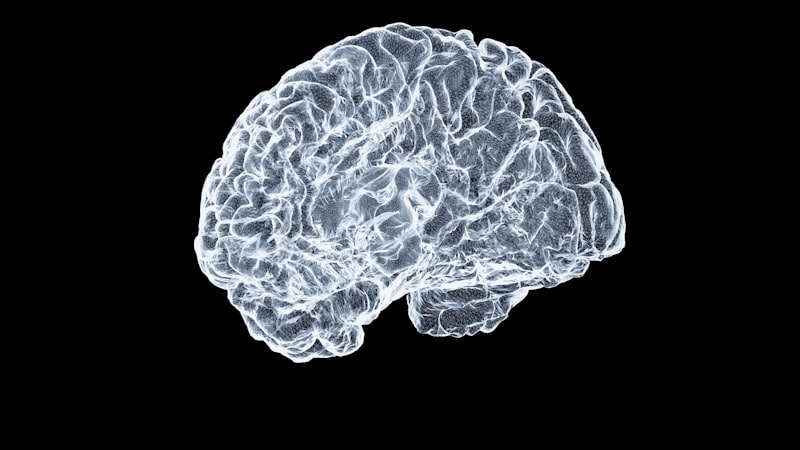
The arachnoid mater represents the critical intermediate layer among the three protective membranes, known collectively as the meninges, which meticulously encase and safeguard the delicate structures of the Central Nervous System (CNS), specifically the brain and the spinal cord. Positioned strategically between the tough, fibrous outer layer, the dura mater, and the innermost, highly vascular layer, the pia mater, the arachnoid serves a crucial role in compartmentalizing and maintaining the complex fluid dynamics necessary for neurological health. Its existence ensures a protective envelope that shields the CNS from external mechanical shock and maintains strict homeostatic control over the internal environment, primarily through its intimate relationship with the cerebrospinal fluid (CSF). This intermediary position dictates its unique structural requirements and functional capacities, making it far more than just a passive sheath; it is an active participant in CNS defense and maintenance.
Functionally, the arachnoid mater is distinguished from the other meningeal layers by two key characteristics: its avascular nature and the specific architectural structure that gives rise to its name. Unlike the dura mater, which is rich in blood vessels, the arachnoid mater receives no intrinsic blood supply, relying instead on diffusion from the CSF below and the dural vessels above for nourishment. Furthermore, the layer is not physically attached to the underlying pia mater but is connected via a network of fine, filamentous strands, the arachnoid trabeculae, which span the subarachnoid space. This arrangement creates a vast cavity essential for the circulation of CSF, which acts as a hydraulic cushion and a medium for nutrient and waste exchange. Understanding the arachnoid mater requires appreciating its role as a structural barrier and a facilitator of fluid dynamics within the protective shell of the cranium and vertebral column.
Historically and anatomically, the term arachnoid mater is frequently abbreviated to simply the arachnoid or referred to as the arachnoid membrane. Regardless of the nomenclature used, its definition remains constant: the middle of three layers that collectively form the meningeal barrier system. This system is essential for life, acting as the primary defense against infection and trauma affecting the CNS. The integrity of the arachnoid layer, particularly its outer cellular lining, is paramount because it forms a critical component of the blood-CSF barrier, strictly regulating what substances can enter the highly sensitive neural tissue environment. Damage or inflammation to this layer often results in severe neurological compromise, underscoring its importance in both gross anatomy and microscopic physiology.
Anatomical Position and Overview
The anatomical positioning of the arachnoid mater is precise and dictates its unique functional relationships. Superiorly, it lies immediately deep to the dura mater, and while it is closely apposed to the dura, there is typically no true physiological space between the two layers in a healthy individual. This potential space, known clinically as the subdural space, only becomes apparent pathologically, such as following trauma leading to a subdural hematoma. The arachnoid adheres loosely to the inner surface of the dura, facilitating the movement required during normal head and body movements without friction. This adherence is maintained by the pressure exerted by the cerebrospinal fluid contained beneath it, ensuring the layers remain in apposition without fusion.
Unlike the innermost pia mater, which follows every minute contour, gyrus, and sulcus of the cerebral cortex, the arachnoid mater stretches across the surface of the brain, bridging the deep crevices and fissures. This characteristic bridging action is crucial because it creates the large, fluid-filled reservoir known as the subarachnoid space. Where the brain is highly convoluted, especially at the base of the skull, the arachnoid spans wide gaps, forming large cisterns—expansions of the subarachnoid space that serve as significant reservoirs for CSF. The most prominent of these, the cisterna magna or cerebellomedullary cistern, is located between the cerebellum and the dorsal surface of the medulla oblongata, highlighting the arachnoid’s role in creating necessary anatomical compartments for fluid storage and circulation.
In the spinal column, the anatomical arrangement mirrors that of the brain, although the spaces are more elongated. The spinal arachnoid mater descends within the vertebral canal, situated deep to the spinal dura mater. It extends inferiorly much further than the spinal cord itself, terminating usually around the level of the second sacral vertebra (S2). This lower extension creates a sizable lumbar cistern, which is clinically significant as it is the region accessed during a lumbar puncture (spinal tap) to safely withdraw CSF without risk of damaging the terminal end of the spinal cord (conus medullaris). The consistent presence and structural integrity of the arachnoid mater throughout the CNS axis emphasize its fundamental importance as a continuous protective sheath, essential for maintaining intracranial and intraspinal pressure equilibrium.
Etymology and Naming Conventions
The nomenclature of the arachnoid mater is one of the most descriptive in human anatomy, directly reflecting its visual characteristics when viewed under anatomical dissection. The name is derived from the Greek word “arachne,” meaning spider, combined with “eidos,” meaning resemblance, resulting in the descriptor “spider-like.” The Latin term “mater,” meaning “mother,” is included as part of the traditional meningeal naming convention (dura mater, pia mater), often interpreted as a protective or covering mother. Thus, the full name translates roughly to the “spider-like protective mother layer.” This designation is entirely appropriate due to the presence of the delicate, web-like strands of tissue that traverse the space between the arachnoid and the pia mater.
These characteristic strands are known as the arachnoid trabeculae. They are fine, collagenous filaments encased by flattened arachnoid cells, connecting the main sheet of the arachnoid mater to the pia mater below. When the brain is removed from the skull, these trabeculae are often visible, giving the appearance of a delicate, three-dimensional spider web suspended over the neural tissue. This intricate network of fibers ensures a degree of structural stability within the subarachnoid space, preventing the CSF from simply sloshing around, while simultaneously allowing the free flow and circulation of the fluid necessary for CNS function. The visual confirmation of this spider-web arrangement validates the ancient naming convention and provides a memorable anatomical marker for this layer.
In contemporary medical and neuroscientific literature, several synonyms are commonly employed, though arachnoid mater remains the most formal and descriptive term. The layer is routinely referred to simply as the arachnoid or the arachnoid membrane. These shortened forms are acceptable and widely understood but do not fully capture the histological complexity or the protective context implied by the full Latin designation. It is crucial to distinguish the arachnoid layer itself—the cellular membrane—from the subarachnoid space, which is the cavity it defines. The consistency in anatomical description across disciplines highlights the universal recognition of this layer’s unique morphology and its central role in the mechanics of CNS protection.
Microscopic Structure and Composition
Microscopically, the arachnoid mater is a complex, bilaminar structure primarily composed of flattened cells and fine connective tissue, lacking the extensive vascularization found in the dura and pia mater. It is generally divided into two main components: the outer barrier cell layer and the deeper layer of arachnoid trabeculae. The outer layer, often referred to as the arachnoid barrier cell layer, faces the dura mater and is characterized by specialized cells joined together by extensive tight junctions. These tight junctions are functionally critical because they establish an impermeable barrier, forming the structural basis of the blood-CSF barrier (specifically, the arachnoid component), preventing the uncontrolled passage of substances, toxins, and pathogens from the systemic circulation (via the dura) into the cerebrospinal fluid and the delicate neural tissue. This cellular integrity is essential for maintaining the tightly controlled chemical environment required by neurons and glial cells.
Deep to the barrier layer lies the web-like network of arachnoid trabeculae. These trabeculae are not simple fibers; they are intricate, branching extensions that traverse the entire width of the subarachnoid space, connecting the main arachnoid sheet to the pia mater. Histologically, each trabecula consists of a central core of collagen and elastic fibers, which provides mechanical strength and elasticity, surrounded by a continuous layer of flattened arachnoid cells. This cellular covering ensures that the entire subarachnoid space, including the surfaces of the trabeculae, remains lined by a continuous, highly regulated layer of cells. The fluid within the subarachnoid space, the CSF, bathes these structures, and the composition of the arachnoid cells helps to regulate the flow and composition of this fluid. The elasticity inherent in the trabeculae also contributes to the brain’s ability to withstand minor mechanical stresses without immediate neural damage.
A particularly specialized component of the arachnoid mater’s structure are the arachnoid villi, which aggregate in specific areas to form larger structures called arachnoid granulations (or Pacchionian bodies). These villi are microscopic extensions of the arachnoid mater that pierce the dura mater and protrude into the lumen of the large dural venous sinuses, especially the superior sagittal sinus. Structurally, these villi act as one-way valves. The CSF pressure within the subarachnoid space drives the fluid through these specialized structures and into the venous blood circulation. The cellular structure of the villi ensures that this transfer occurs without allowing blood components to pass back into the CSF, maintaining the purity of the protective fluid. The efficiency and health of these granulations are directly linked to the regulation of intracranial pressure, highlighting a structural adaptation of the arachnoid layer for specialized physiological function.
The Subarachnoid Space and Cerebrospinal Fluid
The most defining functional consequence of the arachnoid mater’s anatomy is the creation of the subarachnoid space (SAS), the critical interval situated between the arachnoid membrane above and the pia mater below. This space is not empty; it is meticulously filled with cerebrospinal fluid (CSF), a clear, colorless liquid produced primarily by the choroid plexuses within the brain’s ventricles. The presence of CSF within the SAS transforms the mechanical protection offered by the meninges from a rigid shell into a sophisticated hydraulic system. The CSF acts as a shock absorber, cushioning the brain against sudden movements, impacts, and accelerations, effectively allowing the relatively heavy brain tissue to float, thereby reducing its effective weight and preventing it from compressing adjacent structures or the skull base.
The circulation of CSF within the subarachnoid space is continuous and vital. After being produced in the ventricles, CSF flows out into the SAS via apertures in the fourth ventricle (the median and lateral apertures) and then circulates extensively over the cerebral hemispheres and down the spinal cord. This circulation is not merely for cushioning; it serves major physiological roles, including the transport of nutrients, hormones, and neurotransmitters necessary for maintaining neural function, and perhaps most importantly, the removal of metabolic waste products from the neural tissue. The arachnoid mater, through the trabecular network, guides this flow and ensures the fluid reaches all necessary areas, including the deep fissures and cisterns, before being returned to the venous circulation.
The continuous production and subsequent reabsorption of CSF must be tightly balanced to maintain stable intracranial pressure (ICP). The primary sites for CSF reabsorption are the arachnoid granulations, which are macroscopic clusters of the arachnoid villi described previously. These structures protrude into the dural venous sinuses, especially the superior sagittal sinus, functioning as pressure-sensitive valves. When the hydrostatic pressure of the CSF in the subarachnoid space exceeds the venous pressure within the sinus, CSF flows across the granulation membrane and into the bloodstream, thereby lowering ICP. If the arachnoid granulations become blocked or fibrotic—a condition often associated with certain forms of hydrocephalus—the resulting failure to reabsorb CSF leads to increased pressure, ventricular enlargement, and potentially severe neurological deficits.
Physiological Functions
The physiological roles of the arachnoid mater extend far beyond simple mechanical partitioning; they encompass complex homeostatic control mechanisms essential for neural survival. One of its primary functions is the maintenance of the blood-CSF barrier. The arachnoid barrier cell layer, with its dense network of tight junctions, acts as a selective filter, strictly controlling the chemical and molecular environment of the CSF and, indirectly, the brain parenchyma. While the blood-brain barrier (BBB) at the cerebral capillaries controls exchange between blood and nervous tissue, the arachnoid barrier controls exchange between the dura/systemic circulation and the CSF, preventing large molecules, toxins, and many therapeutic drugs from entering the subarachnoid space. This selective permeability is fundamental to preserving the delicate electrochemical balance required for neuronal signaling.
A second critical function is the regulation of intracranial pressure (ICP). The arachnoid mater facilitates this through the mechanism of CSF reabsorption via the arachnoid granulations. The brain operates within a rigid, fixed volume (the skull), and the total volume of its contents (brain tissue, blood, and CSF) must remain constant (Monro-Kellie doctrine). By acting as the outflow pathway for CSF, the arachnoid granulations continuously adjust the total fluid volume, compensating for slight fluctuations in blood volume or CSF production. A failure in this regulatory mechanism, caused by inflammation or obstruction of the arachnoid granulations, can lead to dangerous levels of hypertension within the cranium, necessitating immediate medical intervention.
Furthermore, the arachnoid mater contributes significantly to mechanical protection. The presence of the large subarachnoid space filled with CSF means that the brain is suspended in fluid rather than resting directly against the dura mater or bone. This suspension dramatically increases the brain’s ability to absorb kinetic energy during rapid deceleration or impact, reducing the shear stress placed upon the underlying neural tissue. The arachnoid trabeculae also provide a degree of tensile strength and connection to the pia mater, ensuring that the brain does not freely move excessively within the CSF bath but remains structurally tethered, minimizing internal trauma. Thus, the arachnoid layer is integral to both the hydraulic cushioning and the chemical buffering systems of the CNS.
Clinical Significance and Associated Conditions
Pathologies involving the arachnoid mater are often serious due to its central position in CNS protection and fluid dynamics. One of the most life-threatening conditions related to this layer is Subarachnoid Hemorrhage (SAH), which occurs when bleeding enters the subarachnoid space, often resulting from the rupture of an aneurysm (a weakened, bulging blood vessel) or trauma. Since the SAS is continuous around the entire brain and spinal cord, blood rapidly spreads, mixing with the CSF and causing severe irritation to the meninges and dramatically increasing ICP. SAH is typically characterized by a sudden, severe headache, often described as the “worst headache of life,” and carries a high risk of long-term disability or mortality, requiring urgent neurosurgical intervention.
Another significant clinical issue is Meningitis, which involves inflammation of the meninges, including the arachnoid mater. Whether bacterial, viral, or fungal, infection can spread rapidly within the CSF. Inflammation of the arachnoid layer (arachnoiditis) can lead to scarring and adhesion formation, particularly around the spinal cord and nerve roots, a condition known as chronic adhesive arachnoiditis. This scarring can trap nerve roots and obstruct the normal flow of CSF, leading to chronic pain, sensory deficits, and neurological dysfunction. The treatment for arachnoiditis is challenging, often focusing on pain management rather than complete resolution of the fibrous adhesions.
Finally, the arachnoid mater is the origin of certain structural anomalies, such as Arachnoid Cysts. These are benign, fluid-filled sacs that develop within the subarachnoid space, usually near the lateral fissure or the posterior fossa. An arachnoid cyst is essentially a splitting or duplication of the arachnoid membrane, creating an enclosed space filled with CSF. While many are asymptomatic and discovered incidentally, larger cysts can cause mass effect, compressing adjacent brain tissue, leading to symptoms such as headaches, seizures, or focal neurological deficits. The management of symptomatic cysts typically involves neurosurgical fenestration or shunting procedures designed to drain the cyst fluid and decompress the neural tissue.
Developmental Aspects and Histogenesis
The development of the arachnoid mater is closely linked to the embryological formation of the other meningeal layers. All three meninges—dura, arachnoid, and pia—originate from the mesoderm, the middle germ layer, and the neural crest cells surrounding the developing neural tube. Initially, this tissue forms a single, continuous layer of primitive mesenchyme known as the primitive meninx. This meninx undergoes differentiation and cavitation to produce the distinct meningeal layers seen in the mature CNS.
During the crucial stages of embryological development, the primitive meninx differentiates into an outer, thicker layer that will become the dura mater, and an inner, thinner layer called the secondary meninx. The arachnoid and pia mater subsequently develop from this secondary meninx. The separation of these two inner layers occurs as fluid begins to accumulate in the space between them, marking the initial formation of the subarachnoid space. The fine strands of tissue that persist across this expanding fluid space become the arachnoid trabeculae, establishing the characteristic web-like structure that gives the layer its name.
The complete maturation of the arachnoid mater, including the formation of the critical barrier cell layer and the development of the arachnoid villi, is a gradual process that continues postnatally, although the basic structure is established early in gestation. The functionality of the arachnoid granulations, in particular, becomes fully operational as CSF circulation patterns stabilize after birth. Understanding this developmental pathway is important because congenital abnormalities in arachnoid development, such as failure of normal CSF circulation pathways or localized splitting of the membrane, can result in conditions like congenital hydrocephalus or the formation of arachnoid cysts, impacting the structural integrity and protective capability of the entire CNS.