Aromatherapy: Elevate Your Mood Through Scent
Scientifically Reviewed · Dr. Marwa Abd-Alazim · August 30, 2026
Review Criteria & Clinical Standards
This content undergoes rigorous scientific peer-review and medical editorial standards at Arab Psychology Network to ensure clinical accuracy, validity, and compliance with evidence-based guidelines from leading psychological and healthcare authorities (APA / WHO).
Defining Aromatherapy and its Scope
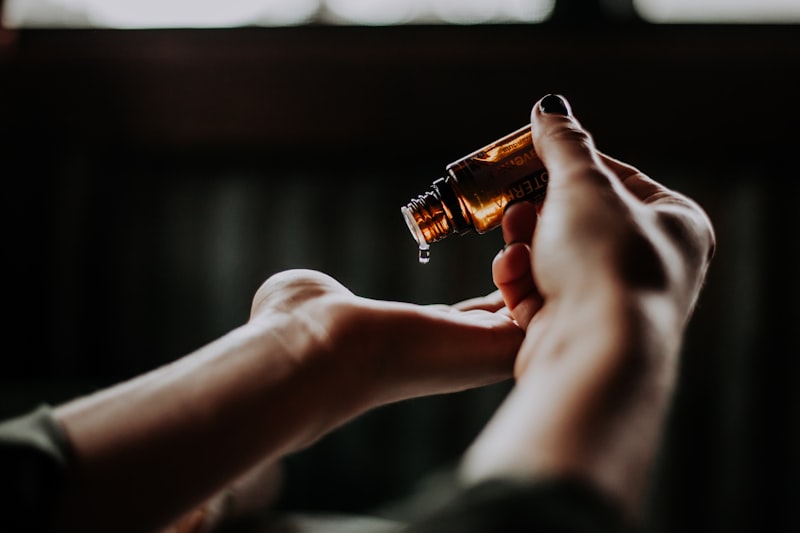
Aromatherapy is formally defined as a specialized therapeutic modality that utilizes volatile aromatic compounds, often referred to as essential oils, derived from various botanical sources, including herbs, flowers, fruits, and trees. This practice is dedicated to improving both the psychological and physical well-being of the individual by harnessing the natural properties of these concentrated plant extracts. Unlike simple perfumes, these essential oils possess complex chemical profiles that are believed to interact directly with the human physiological and neurological systems upon absorption or inhalation, providing a holistic pathway toward health enhancement. The fundamental aim of this therapy is not merely superficial fragrance, but a profound systemic effect, often targeting the reduction of stress, the alleviation of emotional distress, and the induction of deep relaxation states, thereby fostering an overall enhancement of quality of life.
The core components of aromatherapy are the essential oils themselves, which are extracted through meticulous processes such as steam distillation or expression, ensuring the preservation of their potent therapeutic qualities. These oils are hydrophobic liquids containing volatile aroma compounds, which means they readily evaporate at room temperature, making them ideal for inhalation therapies. The efficacy of aromatherapy rests on the principle that the aromatic molecules, when introduced to the body, can trigger specific responses—be they analgesic, anti-inflammatory, or anxiolytic—depending on the oil’s unique chemical structure. For instance, lavender oil is renowned for its calming properties due to its high concentration of linalool and linalyl acetate, whereas citrus oils are often utilized for their uplifting and stimulating effects.
While often categorized popularly as a gentle relaxation tool, the scope of modern aromatherapy extends into clinical settings, supporting patients dealing with chronic conditions, pain management, and perioperative anxiety. The practice embraces two primary delivery routes: inhalation, where the molecules travel to the olfactory system and limbic structures of the brain; and topical application, where the oils, diluted in a carrier, penetrate the skin and enter the bloodstream. This dual approach ensures that the therapy addresses both the immediate psychological state through scent and the underlying physical discomfort through systemic absorption. Consequently, aromatherapy functions as a multifaceted therapeutic tool that leverages natural substances to promote equilibrium and support the body’s innate healing mechanisms.
Historical Roots and Evolution
The use of aromatic plant materials for health, spiritual, and cosmetic purposes dates back thousands of years, long predating the formal coining of the term “aromatherapy” in the 20th century. Ancient civilizations, including the Egyptians, Greeks, Romans, and Chinese, meticulously documented the therapeutic applications of plant extracts. The Egyptians, in particular, were masters of aromatic preparations, utilizing resins and oils such as frankincense, myrrh, and cedarwood extensively in religious rituals, embalming processes, and medicinal compounds. These early uses established the precedent that concentrated plant essences possessed powerful preservative and healing characteristics that went beyond mere pleasing fragrance.
During the Middle Ages, the knowledge of distillation, largely refined by Persian polymaths such as Avicenna, allowed for the production of more potent and purer essential oils, significantly advancing therapeutic capabilities. Throughout the subsequent centuries, herbalism and the use of distilled waters and oils remained central to European folk medicine. However, the scientific and clinical application of these substances waned slightly until the early 20th century. The critical turning point occurred in 1937 when French chemist René-Maurice Gattefossé published his seminal work, Aromathérapie, after observing the remarkable healing properties of lavender oil on a severe burn he sustained in a laboratory accident.
Gattefossé’s research provided the modern framework, shifting the focus from generalized herbalism to the concentrated therapeutic power of essential oils, thus establishing aromatherapy as a distinct discipline. Following his lead, other French practitioners, most notably Dr. Jean Valnet, utilized essential oils during World War II to treat battlefield injuries, furthering clinical understanding of their antimicrobial and wound-healing capabilities. Later, Madame Marguerite Maury introduced aromatherapy to the realm of beauty and holistic well-being, pioneering the use of essential oils in therapeutic massage. This evolution illustrates a trajectory from ancient ritualistic application to modern, chemically understood clinical practice, solidifying aromatherapy’s position as a recognized complementary health approach focused on both emotional and physical restoration.
The Chemical and Biological Mechanisms of Action
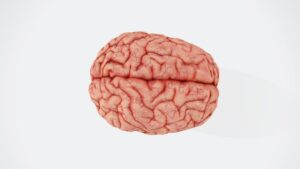
The effectiveness of aromatherapy is governed by two principal biological pathways: the olfactory pathway, which affects the central nervous system, and the dermal pathway, involving absorption into the bloodstream. When essential oil molecules are inhaled, they travel up the nasal passages and interact with the olfactory receptors located on the roof of the nasal cavity. These receptors transmit signals directly to the olfactory bulb, which is directly connected to the limbic system of the brain. The limbic system is often referred to as the “emotional brain” because it governs crucial functions such as heart rate, blood pressure, memory formation, and emotional responses. This direct connection explains why certain aromas can instantaneously evoke powerful emotional memories or rapidly alter mood states, leading to immediate effects like heightened relaxation or alertness.
Specifically, essential oils can modulate neurotransmitter release. Research suggests that certain components of essential oils, such as those found in chamomile or bergamot, may influence the activity of gamma-aminobutyric acid (GABA) receptors, similar to how conventional anxiolytic medications operate. By enhancing GABAergic activity, these oils can inhibit nerve activity, leading to a calming and sedative effect crucial for reducing anxiety and promoting sleep quality. Furthermore, the inhalation of specific oils has been shown to affect the autonomic nervous system, shifting the body from the sympathetic (fight-or-flight) state to the parasympathetic (rest-and-digest) state, resulting in decreased heart rate, lowered blood pressure, and muscle relaxation.
The second major mechanism involves percutaneous absorption. When essential oils are applied topically, usually via massage and properly diluted in a carrier oil, their lipophilic (fat-loving) nature allows them to easily penetrate the stratum corneum and enter the dermal layers. From the dermis, the active molecules are absorbed into the capillary network and distributed systemically throughout the body. This systemic absorption accounts for the physical benefits, such as localized pain relief, anti-inflammatory actions, or antimicrobial effects. The speed and extent of absorption are influenced by factors like the oil’s chemical composition, the concentration used, and the application site, making topical administration a potent method for addressing physical ailments in conjunction with psychological distress.
Methods of Application and Delivery Systems
Aromatherapy employs several distinct methods for delivering essential oils, each tailored to maximize therapeutic benefit based on the desired outcome. The two primary methods are inhalation and topical application. Inhalation methods are typically employed when the primary goal is emotional or neurological modulation, targeting stress reduction, anxiety relief, or cognitive enhancement. The simplest form of inhalation involves breathing the aroma directly from the bottle or a piece of cotton, but more sophisticated methods are often utilized for sustained effect.
Delivery systems for inhalation include diffusers, which disperse fine micro-particles of the oil into the ambient air, allowing for passive inhalation over an extended period in a room setting. Nebulizing diffusers, which use pressurized air to atomize the oil, provide the highest concentration of molecules, making them popular in clinical environments. Alternatively, personal inhalers or steam inhalation methods are used for more acute respiratory issues or focused individual treatments. The choice of inhalation method depends heavily on the setting and the therapeutic goal, balancing the need for broad environmental saturation versus intense, localized exposure.
Topical application, conversely, is crucial for addressing physical discomfort, such as muscle pain, skin conditions, or circulatory issues, while simultaneously providing psychological benefits through massage. Essential oils are never applied neat (undiluted) to the skin; they must be blended with a carrier oil, such as jojoba, sweet almond, or coconut oil, to prevent skin irritation and ensure proper absorption. The most common topical application is the aromatherapy massage, which combines the therapeutic touch of massage—known to reduce cortisol levels—with the chemical action of the absorbed oils. Other topical methods include compresses, baths, and creams, all of which utilize the dermal route to introduce the volatile compounds into the systemic circulation for widespread effect.
Psychological Applications: Stress, Anxiety, and Mood
One of the most widely accepted and researched applications of aromatherapy lies in the realm of psychological health, particularly concerning the management of stress, anxiety disorders, and mood enhancement. The ability of essential oils to rapidly access the limbic system makes them exceptionally potent tools for influencing emotional states. For individuals experiencing chronic stress or generalized anxiety, inhalation of oils like lavender, ylang-ylang, or frankincense can induce significant physiological markers of relaxation, including a measurable reduction in heart rate variability and serum cortisol levels. This profound ability to induce relaxation is central to aromatherapy’s function as a complementary intervention.
Clinical studies have frequently focused on the use of aromatherapy in high-stress environments, such as pre-operative settings, dental offices, and intensive care units. In these controlled trials, the diffusion of calming essential oils has been shown to reduce patient-reported anxiety scores and decrease the need for rescue anxiolytic medications. This effect is not solely attributed to the placebo response; rather, the specific chemical constituents interact with neuroreceptors to dampen the hypothalamic–pituitary–adrenal (HPA) axis response, which is responsible for the body’s stress reaction. Furthermore, aromatherapy is often utilized to comfort emotional distress associated with grief or traumatic experiences, utilizing scent memory to facilitate a sense of grounding and safety.
Beyond mitigation of negative states, aromatherapy is also employed proactively for enhancing well-being and boosting positive mood states. Oils derived from citrus fruits, such as lemon, orange, and grapefruit, are known for their stimulating and uplifting qualities, often used to combat mild depression or fatigue. By stimulating the central nervous system, these oils can improve mental clarity, focus, and overall energy levels, thereby enhancing well-being and productivity. The psychological benefits are highly personalized, emphasizing the need for professional guidance in selecting the appropriate oil blend that aligns with the individual’s specific emotional needs and desired therapeutic outcome.
Physiological Benefits and Clinical Considerations
While the psychological effects often receive the most attention, aromatherapy also offers substantial physiological benefits, making it relevant in clinical contexts for managing symptoms that are resistant to conventional treatment or for supporting recovery processes. Key physiological applications include pain management, especially for chronic pain and minor muscle aches, where topical application of oils like peppermint (containing menthol) or ginger can provide analgesic and anti-inflammatory effects by modulating local pain receptors. This integration of aromatic oils into massage protocols allows for dual action against both the physical manifestation of pain and the psychological tension that often accompanies it.
Furthermore, specific essential oils demonstrate significant antimicrobial properties, which have been explored in laboratory settings against various pathogens. Tea tree oil, for example, is widely recognized for its antiseptic, antifungal, and antibacterial qualities, often used topically for minor skin infections and conditions. Eucalyptus and certain pine oils are employed via inhalation to support respiratory health, acting as expectorants to help clear congestion and soothe irritated airways. These physiological actions underscore the importance of understanding the precise chemical composition of each oil to harness its specific therapeutic potential safely and effectively.
In hospital and palliative care settings, aromatherapy has proven invaluable for managing secondary symptoms related to severe illness, such as nausea and sleep disturbance. Research has demonstrated that simple bedside diffusion of certain oils can significantly reduce chemotherapy-induced nausea or improve the depth and duration of sleep in elderly patients. These applications highlight aromatherapy’s utility as a low-risk, non-pharmacological tool that can dramatically improve patient comfort and adherence to difficult treatment regimens. However, clinical integration requires careful consideration of potential drug interactions or contraindications, necessitating collaboration between aromatherapists and primary healthcare providers.
Safety, Efficacy, and Regulatory Status
Despite its natural origins, essential oils are highly concentrated chemical substances and must be used with caution. Safety protocols are paramount in aromatherapy practice. The most critical safety guideline is the necessity of dilution before topical application to prevent severe skin irritation, sensitization, or phototoxicity, especially with citrus oils. Furthermore, internal ingestion of essential oils is generally discouraged unless performed under the direct supervision of a licensed professional trained in clinical aromatherapy, due to the potential for gastrointestinal irritation, liver toxicity, or drug interactions. Certain populations, including pregnant women, infants, and individuals with specific medical conditions like asthma or epilepsy, must use oils under strict professional guidance.
Regarding efficacy, the scientific literature supporting aromatherapy has grown considerably, moving beyond anecdotal evidence to include randomized controlled trials (RCTs). While the quality and size of these studies vary, there is robust evidence supporting the short-term efficacy of specific oils (e.g., lavender, bergamot) in managing immediate anxiety, promoting sleep, and reducing perceived pain levels. However, establishing long-term, curative claims remains challenging due to the highly individualized nature of aromatic blends and the complexity of the delivery mechanisms. Researchers continue to work towards standardizing methodologies to provide definitive, large-scale evidence that meets conventional medical criteria.
The regulatory status of aromatherapy products varies globally. In many regions, essential oils are classified as cosmetics or food flavorings, rather than medicinal drugs, meaning they are not subject to the rigorous testing required for pharmaceuticals. This regulatory ambiguity requires consumers and practitioners to rely heavily on the integrity and quality control of the supplier. Professional aromatherapists often adhere to strict professional standards, including quality assessment of oils (e.g., GC/MS testing) and comprehensive training in anatomy, physiology, and chemistry, ensuring responsible and effective therapeutic use.
Aromatherapy within Complementary and Alternative Medicine (CAM)
Aromatherapy is firmly positioned within the broad category of Complementary and Alternative Medicine (CAM), often classified specifically under mind-body interventions or biologically based therapies, depending on the application method. As a complementary therapy, it is designed to be used alongside conventional medical treatments, not as a replacement for them. The integration of aromatherapy reflects a growing patient and institutional demand for holistic approaches that address the psychological impact of illness, which is often underserved by strictly pharmacological interventions. Its low-risk profile and high patient acceptance make it an ideal adjunct therapy in integrative healthcare models.
The philosophy underlying aromatherapy aligns with the core tenets of holistic medicine, focusing on treating the whole person—mind, body, and spirit—rather than just the isolated symptoms of a disease. By promoting relaxation and reducing the chronic physiological effects of stress, aromatherapy supports the body’s inherent ability to heal and maintain homeostasis. This synergistic relationship with traditional medicine is evident in settings where oils are used to manage treatment side effects, such as reducing the anxiety associated with medical procedures or improving appetite and sleep in oncology patients.
The formal acceptance of aromatherapy within mainstream medicine continues to expand, driven by robust scientific validation of its mechanisms, particularly its effects on the autonomic nervous system and mood regulation. As healthcare systems increasingly emphasize patient-centered care and chronic disease management, modalities like aromatherapy provide valuable tools for empowering individuals to take an active role in their self-care and overall wellness journey. Its enduring popularity and increasing clinical integration solidify its role as a valuable and evolving component of the modern CAM landscape, providing natural pathways to physiological and psychological improvement.