Ataxic Gait: Decoding the Brain’s Motor Control Secrets
Scientifically Reviewed · Dr. Marwa Abd-Alazim · October 24, 2026
Review Criteria & Clinical Standards
This content undergoes rigorous scientific peer-review and medical editorial standards at Arab Psychology Network to ensure clinical accuracy, validity, and compliance with evidence-based guidelines from leading psychological and healthcare authorities (APA / WHO).
The Core Definition of Ataxic Gait
The term Ataxic Gait refers to a specific pattern of ambulation characterized by profound instability, lack of coordination, and a staggering quality, often described as drunken or clumsy. This gait disturbance is not merely a matter of weakness; rather, it represents a failure of the nervous system to coordinate the necessary synergistic muscle movements required for smooth, balanced walking. Specifically, it involves the inability to properly calibrate muscle contraction speed, range, and force, leading to highly variable and unpredictable foot placement. The resulting movement pattern typically involves a wide-based stance, which is a compensatory mechanism employed by the affected individual to increase their base of support and prevent falling, though this often results in exaggerated body sway and instability.
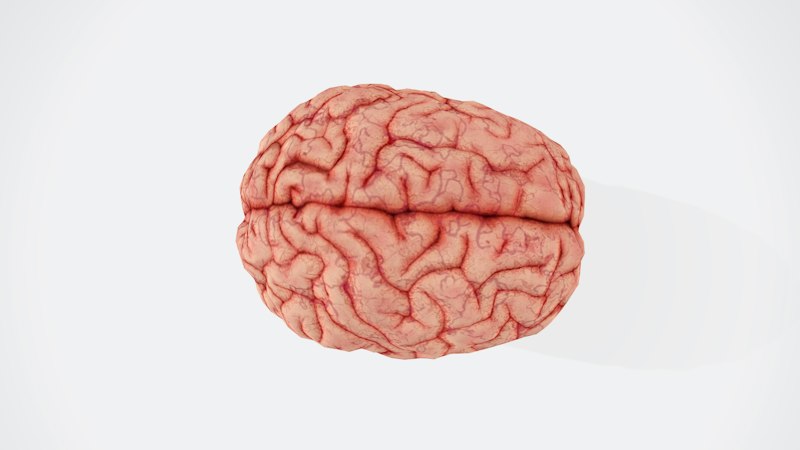
The fundamental mechanism underlying the ataxic gait is the disruption of the motor control centers responsible for posture and coordination, most notably the cerebellum. This region of the brain acts as a critical comparator, receiving extensive sensory input about the body’s position and movement, comparing this feedback to the intended motor plan, and adjusting the motor commands in real-time to ensure precision. When cerebellar function is compromised, this correctional loop fails, resulting in a lack of smoothness, known as asynergia, where movement components are executed sequentially rather than harmoniously. This deficiency is particularly evident in complex motor tasks like walking, which requires constant, rapid adjustment to maintain equilibrium against gravity.
A person suffering from a pure form of ataxia will likely exhibit this gait pattern, marked by pronounced irregularities and difficulty staying balanced, especially when attempting to walk in a straight line. The steps taken are often uneven in length and rhythm, and the feet may be lifted higher than necessary, only to be slammed down abruptly onto the ground, a phenomenon sometimes referred to as ‘stamping.’ This pattern contrasts sharply with the fluid, automatic movements observed in a healthy, coordinated gait, highlighting the profound role the cerebellum plays in subconscious motor execution and postural stability.
Etiology and Underlying Mechanisms
The origins of Ataxic Gait are diverse but invariably point toward pathology within the cerebellar system or its primary afferent and efferent pathways. The cerebellum is structurally divided into three main functional regions: the cerebrocerebellum (lateral hemispheres), the spinocerebellum (vermis and intermediate hemispheres), and the vestibulocerebellum (flocculonodular lobe). Damage to the vestibulocerebellum typically results in truncal ataxia, where the instability is focused on the core and trunk, making sitting and standing difficult. Conversely, damage to the lateral hemispheres often results in limb ataxia, affecting fine motor skills and the coordination of the limbs during walking, contributing significantly to the wide-based, staggering pattern observed.
Common pathological causes include acute events such as cerebellar stroke or hemorrhage, traumatic brain injury, and tumors that compress or invade cerebellar tissue. However, ataxia can also arise from chronic, progressive conditions, including inherited degenerative disorders like the spinocerebellar ataxias (SCAs) and Friedreich’s ataxia, or acquired degenerative conditions such as Multiple Sclerosis (MS) or multi-system atrophy (MSA). Furthermore, toxic exposure is a well-known cause; chronic alcohol abuse severely damages cerebellar Purkinje cells, leading to irreversible gait ataxia. Metabolic disturbances, nutritional deficiencies (like severe Vitamin B12 deficiency), and certain pharmaceutical side effects can also transiently or permanently impair cerebellar function, underscoring the vulnerability of this complex neural circuitry.
The mechanism of disruption involves the loss of crucial feed-forward and feed-back loops. The cerebellum fine-tunes movements by receiving proprioceptive information from the body via the spinocerebellar tracts and integrating this with descending motor commands from the motor cortex. When this integration is faulty, the timing and force of muscle groups—specifically those needed to stabilize the knee, hip, and ankle joints during the swing phase of walking—become erratic. This lack of precise control means that movements overshoot their target (dysmetria) and cannot be smoothly maintained, forcing the individual to rely heavily on visual cues and conscious effort, transforming an otherwise automatic process into a cumbersome, energy-intensive task.
Historical Recognition and Clinical Context
The recognition of specific gait abnormalities as indicators of neurological disease has a long history in clinical medicine, dating back to the foundational work of 19th-century neurologists. Physicians such as Jean-Martin Charcot and Guillaume Duchenne de Boulogne meticulously documented various patterns of motor dysfunction, correlating distinct observed movements with specific lesions identified during post-mortem examination. While the term ataxia itself became standardized later, the observational descriptions of staggering and uncoordinated movements resulting from what was then vaguely termed ‘posterior column disease’ or ‘cerebellar disease’ formed the basis of modern understanding.
Before the advent of modern neuroimaging techniques like MRI and CT scans, the clinical examination of gait and posture was the single most important diagnostic tool for localizing neurological damage. The presence of a wide-based, intention tremor-associated gait immediately directed the clinician’s suspicion toward the cerebellum. The early clinical descriptions emphasized the difference between the sensory ataxia (often seen in syphilis or B12 deficiency, where coordination improves with visual input) and the true cerebellar ataxia, which remains equally poor whether the eyes are open or closed, establishing a critical diagnostic distinction that remains relevant today.
The formalization of the clinical evaluation of coordination—including the use of specific tests like finger-to-nose, heel-to-shin, and tandem walking—was crucial in creating a standardized methodology for assessing the degree and type of cerebellar dysfunction. This historical focus on detailed behavioral observation cemented the ataxic gait as a cardinal sign, allowing clinicians to make highly accurate diagnoses regarding lesion location and, increasingly, the likely underlying etiology, even in the absence of advanced laboratory data. This observational precision highlights the enduring value of clinical neurology in the diagnosis of motor control disorders.
A Practical Example: The Impaired Pedestrian
To fully grasp the mechanics of Ataxic Gait, consider a simple, relatable scenario: an individual attempting to walk across an uneven parking lot. In a healthy person, the act of stepping over a minor curb or adjusting to a slight slope is automatic; the cerebellar system makes immediate, subtle corrections to muscle tension and joint angle without conscious thought. For the individual suffering from cerebellar ataxia, this simple task becomes profoundly challenging because the motor system cannot predict or react appropriately to changes in surface or gravity.
The challenge manifests in several key ways. First, the individual will adopt a posture characterized by a wide base of support, often planting their feet far apart to achieve marginal stability, similar to how a novice tightrope walker might hold their arms out for balance. Second, when initiating a step, the foot placement will be erratic, sometimes too far forward, sometimes too far to the side (dysmetria). The stepping action lacks the smooth arc of a normal stride; instead, the leg may swing out in an exaggerated fashion (a feature sometimes termed “drunken sailing”) or be lifted too high, leading to wasted energy and instability.
The crucial step-by-step breakdown of the principle applies during a simple turn. A healthy person shifts weight smoothly, rotates the hips and trunk, and pivots their feet in a coordinated motion. The ataxic individual, however, often struggles to execute this fluid sequence. They may stop completely, take multiple small, jerky steps, or even lose their balance entirely, requiring them to use furniture or walls for support. This breakdown during turning illustrates the profound lack of synergy between the trunk, hip, and ankle muscles, which fails to create the continuous, controlled shift in the center of gravity necessary for safe changes in direction. The inability to check or damp ongoing movement is the hallmark of the cerebellar deficit.
Significance in Neuropsychology and Treatment Implications
The presence of Ataxic Gait holds immense significance in the fields of clinical neurology and neuropsychology, serving as a critical signpost for central nervous system dysfunction. Its primary importance lies in its ability to localize a lesion to the cerebellar system or its direct input/output tracts. This localization is often the first step in differential diagnosis, helping physicians distinguish between peripheral nerve disorders, sensory disorders (like sensory ataxia), and purely central motor control issues. Furthermore, the specific characteristics of the gait—whether truncal, affecting the whole body, or appendicular, affecting the limbs—can further refine the anatomical diagnosis, pointing toward damage in the vermis versus the hemispheres of the cerebellum.
Beyond diagnosis, the impact of ataxic gait on quality of life is substantial, necessitating targeted therapeutic interventions. Because the damage often involves a loss of the automatic control mechanisms, treatment focuses heavily on compensatory strategies and maximizing the function of remaining neural pathways. The primary intervention is physical therapy, which utilizes specific exercises designed to improve balance, strength, and coordination. These exercises often involve activities that force the patient to consciously concentrate on weight shifting, rhythmic stepping, and maintaining a narrower base of support under controlled, safe conditions. For instance, high-intensity balance training and treadmill walking with visual cues have shown promise in improving gait stability in chronic cerebellar conditions.
Pharmacological management is generally aimed at treating the underlying cause—for example, managing tumors, vascular risk factors, or correcting metabolic deficiencies. For patients with inherited ataxias, research is continually exploring genetic therapies and specific drug targets to slow disease progression, though currently, the mainstay of managing the symptom of ataxia remains focused on rehabilitation. Successfully mitigating the staggering and instability of the gait is paramount, as it directly reduces the risk of serious falls and injuries, thereby preserving the patient’s independence and overall psychological well-being.
Related Concepts and Differential Diagnosis
When diagnosing Ataxic Gait, clinicians must meticulously differentiate it from other common forms of walking dysfunction, as subtle differences in presentation can point to entirely distinct neurological pathologies. The most critical differentiation is often made between cerebellar ataxia and Sensory Ataxia. Sensory ataxia results from damage to the dorsal columns of the spinal cord or peripheral nerves (affecting proprioception), meaning the patient cannot sense where their limbs are in space. Crucially, a patient with sensory ataxia will typically worsen dramatically when visual input is removed (e.g., closing their eyes in the Romberg test), whereas the cerebellar ataxic gait is generally unaffected by vision, as the problem lies in coordination, not input processing.
Other conditions that must be ruled out include the Parkinsonian Gait, characterized by stooped posture, small shuffling steps (festination), and difficulty initiating movement, stemming from basal ganglia dysfunction rather than cerebellar damage. Furthermore, Spastic Gait, often seen in upper motor neuron lesions like cerebral palsy or stroke, involves stiff, dragging legs due to increased muscle tone (spasticity) and a tendency to circumduct the leg, which is visually distinct from the irregular staggering of the ataxic patient.
The assessment of gait thus places Ataxic Gait firmly within the broader category of Neuropsychology and Clinical Neurology, specifically under the umbrella of Motor Control Disorders. Understanding its connections to related concepts—such as Dysmetria (inaccurate movement scaling), Dysdiadochokinesia (inability to perform rapid alternating movements), and Intention Tremor (a tremor that worsens as the limb approaches a target)—is essential. These associated signs, when present alongside the gait abnormality, strengthen the diagnosis of cerebellar pathology and provide a comprehensive picture of the extent of neural damage. The precise evaluation of these components ensures accurate localization and the selection of the most appropriate therapeutic pathway.