Tag: Ataxia


ATAXIA

Overview and Definition of Ataxia Ataxia is a multifaceted neurological condition characterized by a profound lack of voluntary coordination of muscle movements, which can manifest as an inability to maintain balance, steady gait, or precise control over the limbs. While often viewed as a singular disease entity, it is more accurately described as a clinical […]

Read More

INTRAPSYCHIC ATAXIA

Defining Intrapsychic Ataxia and Its Clinical Scope The term intrapsychic ataxia refers to a complex and relatively under-researched phenomenon within the field of mental health, characterized primarily by a profound inability to properly process and integrate psychological experiences. This lack of integration creates a significant and debilitating disconnection between the individual’s mind and body, leading […]

Read More

ATAXIOPHEMIA

Introduction and Defining Characteristics Ataxiophemia represents a profound challenge within the field of neurology, categorized as a rare, inherited disorder primarily impacting the central nervous system (CNS). This condition is fundamentally defined by a severe and progressive lack of coordination in muscle movements, a symptom known clinically as ataxia. The resulting functional deficit manifests as […]

Read More

LOCOMOTOR ATAXIA

Introduction and Definition Locomotor ataxia is classified as a debilitating neurological disorder defined by a profound lack of coordination and balance in the body’s voluntary movements. Unlike conditions characterized primarily by muscle weakness (paresis), ataxia involves a failure of the nervous system to properly regulate the force, range, direction, and rhythm of movement, despite adequate […]

Read More

WERNICKE’S SYNDROME

Wernicke’s Syndrome: Definition and Etiology Wernicke’s Syndrome (WS), frequently identified in acute clinical settings as Wernicke’s Encephalopathy (WE), represents a severe and acute neurological emergency caused by a profound deficiency of thiamine, or Vitamin B1. This disorder is characterized by a specific set of neurological symptoms resulting from structural damage to vulnerable regions of the […]

Read More

OLIVOPONTOCEREBELLAR ATROPHY

Introduction and Definition Olivopontocerebellar Atrophy, commonly abbreviated as OPCA, refers to a group of chronic, progressive neurological disorders characterized by the selective degeneration and loss of neurons within critical structures of the central nervous system, namely the olivary nucleus, the pons, and the cerebellum. This condition is not a single, isolated disease entity but rather […]

Read More

ATAXIA TELANGIECTASIA

Introduction and Definition Ataxia Telangiectasia (AT) is a rare, complex, and progressive autosomal recessive genetic disorder that affects multiple body systems. It is universally characterized by two primary features: severe coordination difficulties, medically termed ataxia, and the presence of dilated small blood vessels, known as telangiectasias, particularly visible in the eyes and on sun-exposed skin. […]

Read More

ASYNERGIA

Introduction and Definition of Asynergia Asynergia, sometimes referred to synonymously as asynergy, is a fundamental neurological sign defined as the faulty coordination and synchronization of muscle groups that are required to perform complex, unified motor movements. Normal movement, such as walking, standing, or reaching, requires the simultaneous and precisely timed contraction and relaxation of numerous […]

Read More

CREUTZFELDT-JAKOB DISEASE (CJD)

Creutzfeldt-Jakob Disease (CJD): Definition and Overview Creutzfeldt-Jakob Disease (CJD) stands as a catastrophic and invariably fatal neurodegenerative disorder characterized by its exceptionally rapid progression. This illness is classified within the family of transmissible spongiform encephalopathies (TSEs), a group of conditions that affect both humans and animals, all caused by the accumulation of an abnormal, misfolded […]

Read More

ATAXIC GAIT

Ataxic Gait: A Neuropsychological Analysis The Core Definition of Ataxic Gait The term Ataxic Gait refers to a specific pattern of ambulation characterized by profound instability, lack of coordination, and a staggering quality, often described as drunken or clumsy. This gait disturbance is not merely a matter of weakness; rather, it represents a failure of […]

Read More

ATAXIAGRAPH

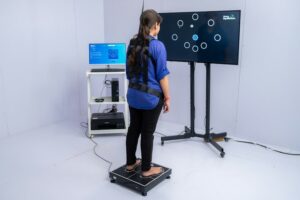
The Ataxiagraph: An Advanced System for Neurological Assessment The Core Definition of the Ataxiagraph The Ataxiagraph is a highly specialized, novel psychometric tool designed specifically for the quantitative and objective assessment of Ataxia severity in patients suffering from various neurological disorders. Ataxia, fundamentally, is a pervasive lack of voluntary coordination of motor skills, which can […]

Read More

OPTIC ATAXIA

Optic Ataxia The Core Definition and Clinical Profile Optic ataxia is classified as a specific neuropsychological disorder characterized by a profound inability to accurately reach for or grasp objects under visual guidance, despite the patient retaining intact primary visual acuity and normal motor control of the limbs. This condition is fundamentally a deficit in the […]

Read More