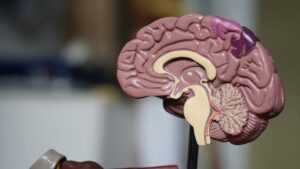
Neurodegeneration: The Silent Mind’s Rapid Decay
Scientifically Reviewed · Dr. Marwa Abd-Alazim · August 23, 2026
Review Criteria & Clinical Standards
This content undergoes rigorous scientific peer-review and medical editorial standards at Arab Psychology Network to ensure clinical accuracy, validity, and compliance with evidence-based guidelines from leading psychological and healthcare authorities (APA / WHO).

Creutzfeldt-Jakob Disease (CJD): Definition and Overview
Creutzfeldt-Jakob Disease (CJD) stands as a catastrophic and invariably fatal neurodegenerative disorder characterized by its exceptionally rapid progression. This illness is classified within the family of transmissible spongiform encephalopathies (TSEs), a group of conditions that affect both humans and animals, all caused by the accumulation of an abnormal, misfolded protein known as a prion. Unlike conventional infectious agents such as bacteria or viruses, prions lack nucleic acid and are instead composed entirely of protein structure, making CJD a unique challenge in both pathology and treatment. The disease primarily targets the gray matter of the central nervous system, leading to widespread neuronal death and the formation of numerous microscopic vacuoles, which impart a distinctive sponge-like appearance to the affected brain tissue—hence the term spongiform encephalopathy.
The clinical course of CJD is typically swift and devastating. Patients often present with subtle, non-specific symptoms that can sometimes be initially misattributed to more common psychiatric conditions or other neurological syndromes, such as the initial confusion of early movement disorders with conditions like Tourette’s Syndrome, as the onset can involve involuntary muscle motions or subtle gait irregularities. However, the crucial distinguishing feature of CJD is the relentlessly accelerating pace of deterioration. Within weeks or months, the initial vague symptoms rapidly escalate into profound neurological deficits, including severe dementia, marked ataxia (loss of coordinated muscle movements), severe optical disruptions, and frequent, nonvoluntary muscle jerks known as myoclonus. This rapid decline contrasts sharply with the slower progression typical of more common forms of dementia, such as Alzheimer’s disease.
CJD is classified into several distinct forms, primarily differentiated by their etiology: sporadic, familial, iatrogenic, and variant. The vast majority of cases, approximately 85%, are categorized as Sporadic CJD (sCJD), where the cause remains unknown, and the misfolding event appears to occur spontaneously later in life. Regardless of the specific origin, the shared pathology involves the transformation of the normal cellular prion protein (PrPC) into its pathological, infectious isoform (PrPSc). This conversion process is autocatalytic, meaning the presence of the abnormal prion protein encourages the misfolding of adjacent healthy proteins, leading to a relentless cascade of cellular pathology that ultimately results in the fatal destruction of brain architecture. The median survival time for CJD patients globally remains alarmingly short, often less than one year from the onset of observable symptoms.
Etiology and Pathogenesis of Prion Proteins
The core mechanism underlying Creutzfeldt-Jakob Disease revolves around the misfolding of the prion protein, PrP. The normal cellular form, PrPC, is a glycoprotein found abundantly on the surfaces of neurons and other cells throughout the central nervous system, and its precise physiological function is still under active investigation, though it is hypothesized to play roles in cell signaling, copper metabolism, and synaptic function. The pathological form, PrPSc (Sc referring to scrapie, the prototypic animal TSE), differs dramatically from PrPC only in its three-dimensional conformation. While PrPC is largely composed of alpha-helices and is easily digestible by proteases, PrPSc adopts a structure dominated by beta-sheets, rendering it highly resistant to enzymatic degradation, heat, and standard sterilization techniques.
The pathogenesis initiates when PrPC spontaneously misfolds into PrPSc, or when an external source of PrPSc is introduced (as in familial or iatrogenic cases). Once formed, the PrPSc acts as a template, forcing neighboring healthy PrPC molecules to adopt the misfolded conformation. This self-propagating mechanism is critical because it explains the infectious yet non-viral nature of the disease. As these abnormal prions accumulate, they aggregate into insoluble amyloid fibrils and plaques within the neural tissue. The buildup of these protein aggregates is directly correlated with the subsequent cellular pathology, triggering a toxic cascade that includes inflammation, oxidative stress, and ultimately, the programmed death of neurons.
The characteristic histological finding of CJD—the spongiform change—is the direct result of this intense cellular pathology. As neurons die and surrounding tissues attempt to clear the debris, microscopic vacuoles (small holes or cysts) develop within the gray matter, giving the tissue a porous, sponge-like appearance, visible upon microscopic examination. Importantly, this vacuolization is not associated with an inflammatory or immune response typically seen in viral encephalitides; rather, it reflects a unique form of neurodegeneration driven by the proteinaceous infectious particles. The distribution of these changes can vary depending on the specific strain of the prion and the genetic makeup of the host, influencing the clinical phenotype observed in the patient.
The concept that a protein alone could be infectious was revolutionary and challenged the fundamental principles of molecular biology, which previously held that infectious agents must contain genetic material (DNA or RNA). This understanding underscores the difficulty in developing effective treatments, as drugs must target the protein folding process itself or attempt to clear highly stable, aggregated protein deposits without disrupting the function of the normal PrPC protein. The prion protein’s ability to result in the misfolding of other proteins, leading to widespread cellular dysfunction, highlights a mechanism of neurodegeneration that shares conceptual similarities with other proteinopathies, such as Alzheimer’s and Parkinson’s diseases, albeit CJD operates at an exponentially faster pace.
Clinical Presentation and Symptom Progression
The clinical trajectory of Creutzfeldt-Jakob Disease is typically divided into three phases: prodromal, established, and terminal. The prodromal phase, often lasting several weeks, is frequently characterized by non-specific and subtle psychological or sensory disturbances, which contribute significantly to the challenge of early diagnosis. Patients might report vague symptoms such as fatigue, insomnia, weight loss, depression, or subtle changes in behavior and personality. Early neurological signs can include mild memory impairment and transient visual blurring or diplopia (double vision). It is during this phase that symptoms might be mistakenly attributed to stress, early-onset psychiatric illness, or even age-related cognitive decline, delaying the consideration of CJD.
The established phase marks the rapid and dramatic onset of core neurological deficits. The defining characteristic is the swift progression of global cognitive decline, evolving from mild forgetfulness to severe, incapacitating dementia within weeks or months. Simultaneously, motor function deteriorates significantly. Patients develop severe ataxia, manifesting as profound instability in gait and difficulties with coordination, making walking and fine motor tasks impossible. A crucial and highly characteristic sign that emerges is myoclonus—sudden, shock-like, involuntary muscle contractions that are often stimulus-sensitive. These jerks can be severe enough to throw the patient off balance and are highly suggestive of CJD in the context of rapidly progressing dementia.
Visual disturbances intensify during the established phase, often presenting as cortical blindness, hallucinations, or visual agnosia, reflecting damage to the occipital cortex. As the disease progresses further, patients may experience various forms of pyramidal and extrapyramidal signs, including rigidity, tremors, and exaggerated reflexes. The combination of rapidly progressing dementia, ataxia, and myoclonus forms the classic clinical triad that strongly indicates a CJD diagnosis, especially when other causes have been systematically ruled out. The speed of this progression is paramount; most patients lose the ability to perform activities of daily living very early in this stage.
The terminal phase represents the final, devastating stage of the disease. At this point, the patient enters a state of akinetic mutism, characterized by a lack of voluntary movement and speech, though they may still appear conscious or responsive to loud noises. Seizure episodes become more frequent, and the patient loses all capacity for self-care, becoming entirely bedridden and dependent. Complications typical of immobile patients, such as pneumonia (often aspiration pneumonia) and sepsis, become the direct causes of mortality. The entire course, from the appearance of definitive symptoms to death, rarely exceeds 12 months, highlighting the aggressive nature of this prion disease.
Types and Classification of Creutzfeldt-Jakob Disease
CJD is not a monolithic entity, but rather a spectrum of diseases categorized by the mechanism through which the prion protein misfolding is initiated. Understanding these categories is crucial for epidemiological tracking and risk management. The most prevalent form is Sporadic CJD (sCJD), accounting for approximately 85% of all cases. In sCJD, the initial conversion of PrPC to PrPSc occurs spontaneously without any known environmental or genetic trigger. This form typically affects individuals between the ages of 50 and 70, and its clinical presentation is the classic rapid neurological decline described above. Subtypes of sCJD exist, defined by specific molecular profiles of the prion protein and polymorphisms in the PRNP gene, which can influence the precise clinical phenotype and the duration of illness.
The second major category is Familial CJD (fCJD), which accounts for 10% to 15% of cases. This form is directly inherited through an autosomal dominant pattern, linked to specific mutations within the human PRNP gene, which encodes the prion protein. Over 50 different point mutations and insertions have been identified in the PRNP gene that predispose individuals to fCJD. These mutations destabilize the PrPC protein, making it more susceptible to spontaneous misfolding into the pathological PrPSc form. Familial forms often have a slightly earlier onset than sCJD, sometimes affecting individuals in their 30s or 40s, and the clinical presentation can vary significantly depending on the specific mutation, sometimes mimicking other hereditary dementias or movement disorders for a longer period before the characteristic CJD acceleration occurs.
Iatrogenic CJD (iCJD) is the rarest form, resulting from the accidental transmission of PrPSc during medical or surgical procedures. Historically, sources of iCJD have included contaminated neurosurgical instruments that were not properly sterilized (due to prion resistance), corneal transplants, and, most notably, grafts of contaminated dura mater used in neurosurgery. A significant cohort of iCJD cases were tragically linked to the administration of cadaveric human growth hormone (hGH) used to treat pituitary dwarfism before recombinant hGH became available. Due to stringent regulation and improved sterilization protocols, the incidence of iCJD has dramatically decreased, though the risk remains a critical consideration in medical settings, necessitating specialized decontamination procedures for instruments used in contact with high-risk tissues.
Finally, Variant CJD (vCJD), first identified in the United Kingdom in the 1990s, is epidemiologically and pathologically distinct. vCJD is caused by consuming beef products contaminated with prions from cattle infected with Bovine Spongiform Encephalopathy (BSE), commonly known as “Mad Cow Disease.” vCJD typically affects younger patients (median age in the late 20s) and presents with a prolonged prodromal phase dominated by psychiatric symptoms, such as depression, anxiety, and behavioral changes, before the onset of severe ataxia and dementia. Pathologically, vCJD is distinguished by the presence of florid plaques—amyloid plaques surrounded by vacuoles—which are less common in sCJD. Public health measures enacted globally to control BSE transmission have largely curbed the epidemic spread of vCJD.
Diagnostic Procedures and Challenges
Diagnosing Creutzfeldt-Jakob Disease while the patient is alive remains a significant challenge, primarily because the definitive diagnosis requires post-mortem neuropathological examination of brain tissue. Clinical diagnosis, therefore, relies heavily on a combination of clinical suspicion, ruling out other rapidly progressive neurological disorders, and utilizing specific supportive neuroimaging and biochemical markers. Given the rarity of CJD, especially in its early stages, clinicians must maintain a high index of suspicion when faced with a rapidly progressing dementia accompanied by movement disorders.
One of the most valuable non-invasive diagnostic tools is Magnetic Resonance Imaging (MRI), particularly using Diffusion-Weighted Imaging (DWI) and Fluid-Attenuated Inversion Recovery (FLAIR) sequences. In CJD, these sequences often reveal characteristic hyperintensities (bright signals) in specific brain regions, notably the cerebral cortex (referred to as “cortical ribboning”) and/or the basal ganglia (putamen and caudate head). While these imaging findings are highly suggestive of CJD, especially sCJD, they are not universally present in all forms or stages, necessitating correlation with other clinical data.
Electroencephalography (EEG) can also provide supportive evidence. While non-specific in the early stages, as the disease progresses, approximately two-thirds of sCJD patients develop the hallmark periodic synchronous biphasic or triphasic sharp wave complexes (PSWC). These characteristic rhythmic discharges appear regularly, typically every 0.5 to 1 second, and while not unique to CJD (they can occur in severe metabolic encephalopathies), their presence in a rapidly dementing patient strongly supports the diagnosis. However, PSWC are less frequently observed in vCJD and some familial forms.
The most revolutionary recent advance in CJD diagnosis involves the analysis of Cerebrospinal Fluid (CSF). Historically, the presence of the 14-3-3 protein, a marker of generalized neuronal injury, was used, but it lacked high specificity. Today, the gold standard for CSF analysis is the Real-Time Quaking-Induced Conversion (RT-QuIC) assay. RT-QuIC is an extremely sensitive and specific test that detects minute amounts of the pathological PrPSc prion seed in the CSF. By inducing rapid, measurable aggregation of recombinant prion protein, RT-QuIC confirms the presence of the misfolded PrPSc template with nearly 100% specificity for CJD, making it the most definitive ante-mortem test available outside of a brain biopsy.
Differential Diagnosis Considerations
The challenge of diagnosing CJD is compounded by the fact that its early manifestations often overlap with numerous other neurological and psychiatric conditions, necessitating a comprehensive differential diagnostic approach. Any illness presenting with a rapidly progressive dementia must be carefully evaluated to exclude potentially treatable conditions. Key disorders that must be ruled out include autoimmune encephalopathies, which often respond dramatically to immunosuppressive therapy and can mimic the rapid cognitive decline and movement issues of CJD, though they usually lack the characteristic EEG and MRI findings.
Furthermore, toxic and metabolic encephalopathies, severe vitamin deficiencies (such as B12 deficiency), thyroid dysfunction, and chronic infections (like syphilis, HIV, or Lyme disease) can all lead to severe, subacutely progressing cognitive impairment. These conditions require specific blood tests and imaging to exclude. Viral infections, particularly Herpes Simplex Virus (HSV) encephalitis, can also cause acute, devastating neurological damage and confusion, but they are typically accompanied by fever, CSF pleocytosis, and characteristic temporal lobe involvement on MRI, differentiating them from the predominantly cortical and basal ganglia involvement seen in CJD.
Neurodegenerative diseases must also be considered, particularly Alzheimer’s disease, frontotemporal dementia (FTD), and Lewy body dementia. However, these conditions generally follow a much slower, insidious progression over years, contrasting sharply with the typical CJD timeline of months. While myoclonus can occur in late-stage Alzheimer’s, the combination of profound, rapidly developing ataxia, severe dementia, and prominent myoclonus strongly favors CJD. Occasionally, CJD symptoms involving pronounced involuntary movements might initially be misinterpreted as severe psychiatric illnesses or even movement disorders like advanced Parkinson’s disease or the aforementioned Tourette’s Syndrome, but the rapid onset of global cognitive failure quickly steers the diagnosis toward a rapidly destructive process like CJD.
Treatment, Management, and Prognosis
Currently, there is no curative treatment or disease-modifying therapy available for Creutzfeldt-Jakob Disease. Given the universally fatal nature of the illness and the rapid progression, treatment focuses entirely on supportive care, symptom management, and ensuring the patient’s comfort and dignity throughout the short course of the disease. This palliative approach is crucial for both the patient and their family members, who often struggle to cope with the speed of neurological decline.
Symptomatic management is critical for controlling the distressing features of CJD. Myoclonus, the severe muscle jerking, is often managed using anti-epileptic medications such as clonazepam or sodium valproate, which can help reduce the frequency and severity of the involuntary movements. Other seizure episodes must be treated aggressively with standard anticonvulsants. Pain management is also paramount, as rigidity, muscle spasms, and immobility can cause significant discomfort. Furthermore, psychological support and treatment for anxiety, depression, or psychotic symptoms that may occur in the early stages are managed with appropriate psychotropic medications.
Nutritional and nursing support become central to care as the disease enters the terminal phase. Due to dysphagia (difficulty swallowing) and the akinetic mutism state, patients often require placement of a feeding tube to maintain hydration and nutrition. Excellent nursing care is necessary to prevent secondary complications associated with immobility, such as pressure ulcers, contractures, and aspiration pneumonia, which is a common immediate cause of death. Despite intensive supportive care, the prognosis for CJD remains extremely poor. The median survival time is typically 6 months, and fewer than 10% of patients survive longer than one year after symptom onset.
Research into therapeutic options continues, focusing on agents that might interfere with prion replication or stabilize the normal PrPC protein to prevent its misfolding. Potential avenues explored have included anti-prion antibodies, polyene antibiotics, and various compounds designed to inhibit the conversion process, but to date, none have demonstrated clinical efficacy in halting the progression of CJD in human trials. The challenge lies in developing drugs that can cross the blood-brain barrier effectively and target the highly stable PrPSc aggregates without causing unacceptable systemic toxicity.
Public Health Implications and Biosafety
Creutzfeldt-Jakob Disease carries significant public health implications, particularly concerning the prevention of iatrogenic transmission and monitoring the potential resurgence of variant CJD. Prions are unique in their resilience; they are resistant to standard methods of chemical disinfection, boiling, and radiation, which are routinely effective against conventional pathogens. This resistance necessitates highly specialized and rigorous sterilization protocols for surgical instruments, especially those used in neurosurgery, ophthalmology, and procedures involving lymphatic tissues.
Current biosafety recommendations mandate the use of disposable instruments where possible in high-risk procedures involving known or suspected CJD patients. For reusable instruments, specific high-concentration sodium hypochlorite (bleach) treatments or extended autoclaving at extremely high temperatures and pressures are required to reliably inactivate prions. These enhanced precautions are vital to prevent the unintentional transmission of the disease within healthcare settings, which historically has resulted in iCJD cases.
Global surveillance systems are maintained to monitor the incidence of all forms of CJD, especially in the context of variant CJD (vCJD) following the BSE crisis. Surveillance helps track potential new clusters, identifies unusual presentations, and ensures rapid public health responses if novel transmission routes are suspected. While vCJD transmission via contaminated beef has largely ceased due to effective food safety measures, there remains theoretical concern regarding secondary transmission, specifically through blood transfusions, given that the prion agent is present in the lymphoreticular system in vCJD patients. Therefore, blood donation policies often exclude individuals who lived in regions affected by BSE during critical exposure periods, serving as a critical preventative measure to protect the blood supply.