Auditory Perception: How Sound Shapes Your Inner World
Scientifically Reviewed · Dr. Marwa Abd-Alazim · September 19, 2026
Review Criteria & Clinical Standards
This content undergoes rigorous scientific peer-review and medical editorial standards at Arab Psychology Network to ensure clinical accuracy, validity, and compliance with evidence-based guidelines from leading psychological and healthcare authorities (APA / WHO).
The Fundamental Nature of Audio and Communication
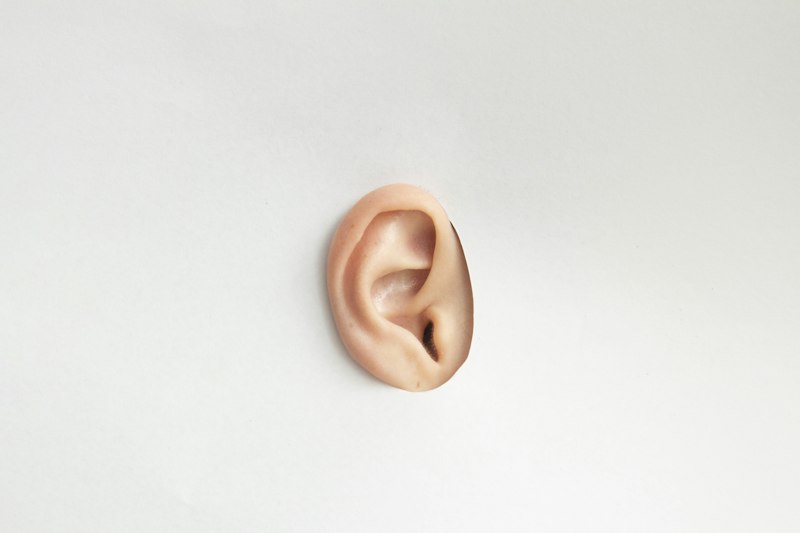
Audio represents one of the most fundamental forms of sensory input and communication available to humans. Defined scientifically, audio is the perception of sound waves, which are created by the mechanical vibrations of an object or medium, such as air or water. These vibrations travel through the medium and are interpreted by the auditory system. Psychologically, audio shapes our understanding of the environment, alerting us to dangers, facilitating complex social interactions through speech, and enriching our emotional landscape through music and carefully crafted sound effects. The ability to record, reproduce, and transmit audio has profoundly altered human interaction and the accessibility of cultural content across vast distances and spans of time, making it a critical area of technological development throughout the last century.
The capacity for sound reproduction is critical in the context of psychological and sociological study, as it allows for the preservation and analysis of linguistic nuances, emotional tone, and non-verbal cues inherent in human communication. Before the advent of recording technologies, the transmission of complex auditory information—such as musical performances or detailed oral histories—was limited to live presence or unreliable documentation methods. The subsequent technological evolution allowed audio to become an enduring, manipulable medium, separating the sound event from its immediate physical source. This separation opened pathways for mass education, global cultural exchange, and significant advancements in fields dependent on precise acoustic documentation, fundamentally redefining how societies interact with and archive sound.
From its earliest implementations, the goal of audio technology has been to capture and replicate the characteristics of original sound with maximum fidelity—a measure of how closely the reproduced sound matches the original source. This pursuit of high fidelity drove innovation across mechanical, analog, and digital platforms. Understanding the evolution of audio reproduction requires recognizing the shift from purely physical methods, which were inherently prone to wear and noise, to sophisticated electronic and computational methods that now govern nearly all aspects of modern auditory experience, ranging from intimate personal listening to large-scale broadcast systems and immersive virtual environments.
The Dawn of Mechanical Sound Reproduction
The true history of audio technology began in the late 19th century with the invention of devices capable of capturing and playing back sound waves. Innovators like Thomas Edison developed the phonograph, a device that marked the first successful means of recording and reproducing sound. Early phonographs, alongside subsequent devices like the gramophone, operated on purely mechanical principles. Sound waves were channeled through a horn, vibrating a diaphragm attached to a stylus. This stylus physically etched the waveform onto a recording medium, initially using materials such as tinfoil and later shifting to more durable wax cylinders. The playback process reversed this mechanism: a needle traced the grooves, causing the diaphragm to vibrate and regenerate the sound waves, albeit often with considerable distortion and inherent background noise.
These mechanical devices, while revolutionary for their time, presented severe limitations in terms of sound quality, durability, and ease of mass production. The wax cylinders were fragile, susceptible to damage from repeated playback, and difficult to duplicate efficiently for commercial distribution, necessitating that masters be recorded multiple times. Furthermore, the frequency response and dynamic range—the ability to reproduce both very high and very low sounds, or very loud and very quiet sounds—were extremely limited by the physical constraints of the diaphragm and stylus mechanism. Despite these significant challenges, the phonograph established the fundamental concept that sound could be frozen in time and retrieved later, transforming the consumption of music and spoken word from ephemeral events into repeatable, domestic commodities.
As the 20th century began, the industry standardized around the disc format utilized by the gramophone, which offered a slightly more robust and reproducible medium than the cylinder. These early disc records, often made of shellac, introduced the concept of easily accessible, mass-produced entertainment, typically rotating at 78 revolutions per minute (RPM). This transition necessitated improvements in the materials used for both recording and playback needles, as well as the mechanical motors driving the rotation, striving constantly for better speed consistency and reduced mechanical noise. The existence of these playback devices fundamentally changed domestic life, making recorded entertainment a centerpiece of the modern home and setting the stage for future electroacoustic advancements.
Revolutionizing Fidelity: Magnetic Recording and Vinyl
A monumental shift in audio technology occurred with the move from mechanical etching to electromagnetic recording, which dramatically improved sound capture. The introduction of magnetic tape provided a far superior, non-physical medium for capturing sound. Developed primarily through the mid-20th century, magnetic recording works by converting acoustic energy into electrical signals, which are then used to align magnetic particles coated onto a thin plastic strip. This method offered several distinct advantages: recording could be instantaneous, the tape could be easily edited by splicing, and the overall sound quality (fidelity) surpassed anything achievable with wax or shellac discs. Magnetic tape became indispensable in professional recording studios, enabling complex multi-track recordings, advanced production techniques, and flexible archiving previously impossible in the acoustic era.
Parallel to the development of magnetic tape, the evolution of the consumer disc format led to the introduction of vinyl records (LPs, or Long Playing records) in the late 1940s. Unlike their brittle shellac predecessors, vinyl used polyvinyl chloride, allowing for much finer, tighter grooves (microgrooves), slower rotation speeds (33 1/3 RPM), and a significantly longer playing time per side—a major logistical improvement for complex musical works. Crucially, vinyl records provided a vastly superior sonic experience, offering increased dynamic range, significantly lower surface noise, and a truer representation of the original performance captured on magnetic tape, thereby elevating the standard of consumer audio quality to new heights.
This synergy between high-quality studio recording (via tape) and high-quality consumer playback (via vinyl) defined the golden age of analog audio, often referred to as “Hi-Fi” (High Fidelity). The widespread adoption of these formats democratized access to detailed, high-quality audio content. The technical innovations required for this shift—including the development of reliable electronic amplification systems, sensitive condenser microphones, and precision cutting lathes—established the essential foundation for modern electroacoustics and audio engineering. This era solidified the relationship between recorded audio and mass culture, setting new standards for expected sound quality that digital formats would later strive to emulate or exceed in terms of accuracy and consistency.
The Age of Portability: Cassettes and Mass Market Access
The demand for personal and highly portable audio consumption necessitated a format that was small, durable, and easily operable. In the 1960s, Philips introduced the compact audio cassette, a format that fundamentally changed how music was distributed and, more importantly, consumed individually. The cassette successfully housed magnetic tape within a small, durable plastic shell, eliminating the complex manual threading required by reel-to-reel tape recorders and providing a level of robustness that vinyl records simply lacked during transport. While initial audio quality was often inferior to vinyl records, especially in frequency response, the cassette’s overwhelming advantages in portability, convenience, and ease of use proved immensely popular, particularly among the mobile youth market.
The cassette format was revolutionary because it simultaneously facilitated two major shifts: personal recording and global mass distribution. For the first time, average consumers could easily record audio at home—whether creating personalized mixtapes, recording lectures, or documenting personal events—using small, relatively affordable recorder/player units. This personalization aspect had significant social and psychological implications, granting the listener unprecedented control over their immediate auditory environment and fostering creativity through compilation. Furthermore, the compact size and low manufacturing cost of pre-recorded music albums on cassette enabled unprecedentedly wide distribution into global markets, including developing regions where large, fragile vinyl records were impractical or prohibitively expensive to ship.
The proliferation of portable cassette players, most famously popularized by the introduction of the Sony Walkman in 1979, cemented audio as a deeply personal and mobile experience. This marked a psychological watershed moment, allowing individuals to curate their own auditory soundtrack while commuting, exercising, or performing everyday tasks without disturbing others. This significant shift away from communal, stationary listening toward individualized consumption laid the essential groundwork for the digital personal audio revolution that would follow decades later, demonstrating the deep consumer demand for audio content accessible anywhere, anytime, irrespective of location constraints.
The Digital Transformation: Non-Physical Formats
The late 20th century heralded the irreversible transition from analog to digital audio, beginning commercially with the introduction of the Compact Disc (CD) in the early 1980s. Digital audio relies on a process of sampling and quantization—converting the continuous analog waveform into discrete numerical data points (bits). This digital representation results in sound reproduction that is highly resistant to the physical wear, wow, flutter, hiss, and surface noise inherent in all analog formats. The CD format provided pristine sound quality, high durability, and easy track skipping, quickly becoming the dominant distribution medium for recorded music throughout the 1980s and 1990s, effectively phasing out vinyl and cassette tapes in mainstream retail.
However, the true digital revolution arrived with the development of highly efficient compressed audio formats, primarily the MP3 (MPEG-1 Audio Layer 3). MP3 utilizes sophisticated perceptual coding, meaning it strategically removes information from the audio file that psychoacoustic research suggests the human ear is least likely to perceive, drastically reducing file size (often by a factor of ten or more) while maintaining acceptable perceived quality. This compression technique was absolutely critical for allowing audio files to be easily stored on personal computers and, crucially, transmitted efficiently over the burgeoning, bandwidth-limited infrastructure of the internet. Other digital formats, such as WAV (Waveform Audio File Format), maintained lossless quality but required significantly larger storage capacity, often reserved for professional production, broadcasting, and archival purposes where absolute fidelity was paramount.
The introduction of accessible digital storage and compressed formats like MP3 decoupled music entirely from a mandatory physical medium. This shift had profound economic and psychological consequences, enabling listeners to possess and manage vast libraries of music on portable devices like early dedicated digital audio players. The ease of duplication and distribution, facilitated by the internet, fundamentally challenged traditional intellectual property models but ultimately facilitated an explosion of accessible content, paving the way for the current era of ubiquitous digital content consumption. The digital file became the primary unit of audio exchange, fundamentally altering the logistics of content creation, distribution, and consumption worldwide.
Modern Connectivity: Streaming and Voice Communication
Today, audio technology is defined not just by storage capacity and playback quality, but by instant connectivity and real-time accessibility. Audio streaming over the internet has decisively replaced physical sales and individual digital downloads as the dominant method of music consumption globally. Streaming services leverage cloud technology and high-speed internet to provide near-instant access to millions of tracks, effectively eliminating the need for listeners to physically store large music libraries. This model offers unparalleled convenience and breadth of choice, transforming music consumption from ownership of individual copies to subscription access to a constantly updated, global catalog. The reliance on consistent bandwidth for streaming, however, introduces new technical challenges regarding data compression and the maintenance of high-resolution audio quality during transmission over variable network conditions.
Furthermore, audio technology is now inextricably linked with modern voice communication systems, forming the bedrock of personal and professional connectivity. Digital audio processing is the essential backbone of cellular phone calls, Voice over Internet Protocol (VoIP) services, and comprehensive video conferencing solutions used across corporations and educational institutions. Advanced algorithms are constantly employed to manage noise reduction, cancel out acoustic echo, and ensure voice clarity, thereby guaranteeing efficient and intelligible communication across diverse, global digital networks. The quality and reliability of these real-time audio pathways are absolutely crucial for effective remote work, distance education, and maintaining social connectivity, highlighting audio’s critical functional role far beyond simple entertainment.
The integration of audio technology into smart devices and sophisticated artificial intelligence systems has led to the rapid rise of voice assistants, such as those found in smart speakers. These systems rely on highly specialized audio input processing, advanced natural language understanding, and synthesized speech output that must sound natural and responsive. This development requires highly specialized acoustic engineering to ensure accurate far-field recognition—the ability to hear commands from a distance—and realistic, natural-sounding responses. The omnipresence of microphones and speakers in the modern environment demonstrates the complete integration of audio technology into the infrastructure of daily life, driving innovation in areas like home automation, accessibility services, and secure user authentication.
Beyond Entertainment: Specialized Applications of Audio Technology
While audio is most often associated with music, communication, and basic entertainment, its applications extend far into specialized professional fields, leveraging its ability to convey subtle information and create profoundly immersive environments. In the realm of immersive technologies, highly detailed spatial audio is crucial for establishing perceptual presence and realism. In video games, advanced spatial audio techniques create three-dimensional soundscapes, allowing players to accurately locate sound sources, which is vital for both competitive play and deep environmental immersion. Similarly, Virtual Reality (VR) and Augmented Reality (AR) environments rely heavily on realistic binaural or ambisonic audio—sound that dynamically changes based on the user’s head movement—to accurately trick the auditory system into perceiving a tangible, three-dimensional space, thereby significantly enhancing the psychological sense of presence and realism in the simulated world.
The medical field utilizes specialized audio technology for both diagnostic purposes and therapeutic treatment. For example, high-frequency sound waves (inaudible to humans) are the foundation of ultrasound technology, which generates crucial internal images of the body without invasive procedures. Furthermore, continuous auditory monitoring systems are essential in critical care settings for tracking vital physiological signs, such as heartbeats and respiration rates. Research into auditory processing disorders and the engineering development of sophisticated hearing aids and cochlear implants represent direct applications of complex audio science aimed at restoring or augmenting auditory function, having profound and life-changing impacts on the quality of life for millions globally.
In education, audio serves as an indispensable tool to enhance the learning experience and promote accessibility. Audiobooks and recorded lectures provide flexible, on-demand access to educational content, accommodating various learning styles, schedules, and geographical locations. Interactive audio simulations, particularly in language learning programs, rely on immediate auditory feedback to reinforce concepts and pronunciation. For students with visual impairments or certain learning disabilities, audio technology offers vital access points to complex materials, ensuring greater inclusivity in educational settings through technologies like text-to-speech conversion and the design of enhanced acoustic environments intended to minimize external distraction.
Forensics, security, and defense fields also depend significantly on advanced audio analysis. Techniques such as voice biometrics are employed for secure identification and authentication purposes in high-security environments. Simultaneously, sophisticated digital filters and spectral analysis tools are utilized by investigators to clean up noisy or distorted recordings for evidentiary purposes in legal proceedings. The ability to accurately capture, enhance, and analyze subtle acoustic data provides critical insights in complex security investigations, showcasing audio technology’s indispensable role in maintaining societal safety and integrity across various operational domains.
Conclusion and Future Trajectories
Audio technology has undergone a staggering transformation since the days of the mechanical wax cylinder, evolving rapidly from simple mechanical reproduction to complex digital manipulation and global streaming. This journey has not merely been a technical progression; it has fundamentally enabled the mass distribution of culture, dramatically improved the efficacy and reach of global communication, and facilitated entirely new forms of entertainment and specialized professional work. Every significant innovation, from magnetic tape to compressed MP3s, has consistently addressed the core human desires for better fidelity, greater portability, and instant, ubiquitous access to auditory experiences, thereby shaping modern life.
As technology continues its rapid evolution, particularly in the fields of artificial intelligence, machine learning, and spatial computing, audio technology will remain a key, foundational component of our digital existence. Future advancements are likely to focus on hyper-realistic synthetic audio generation, highly personalized acoustic environments delivered through smart wearable devices, and improved methods for capturing and processing complex soundscapes in extreme environments, ranging from deep-sea exploration to industrial monitoring. The ongoing push for higher resolution audio fidelity and lower transmission latency will further blur the psychological lines between recorded sound and live, immersive experience.
Ultimately, audio technology is more than just hardware and software; it is the universal medium through which much of human knowledge, emotion, and social interaction is effectively conveyed and preserved. Its continued development ensures that our auditory world remains rich, accessible, and increasingly integrated with our digital lives, constantly shaping how we perceive and strategically interact with the complex world around us.
References
- McLeod, S. (2008). Technology in Music Education. Oxford: Oxford University Press.
- Meyer, P. (2005). The history of audio technology. In J. M. P. O’Regan & B. L. Massumi (Eds.), The Audio Culture Reader (pp. 6-15). New York: Continuum International Publishing Group.
- O’Regan, J. M. P., & Massumi, B. L. (Eds.). (2005). The Audio Culture Reader. New York: Continuum International Publishing Group.
- Schroeder, M. (n.d.). The evolution of audio technology. Retrieved from http://www.schroederindustries.com/evolution-of-audio-technology/