Auditory Perception: The Art of Mindful Listening
Scientifically Reviewed · Dr. Marwa Abd-Alazim · August 26, 2026
Review Criteria & Clinical Standards
This content undergoes rigorous scientific peer-review and medical editorial standards at Arab Psychology Network to ensure clinical accuracy, validity, and compliance with evidence-based guidelines from leading psychological and healthcare authorities (APA / WHO).
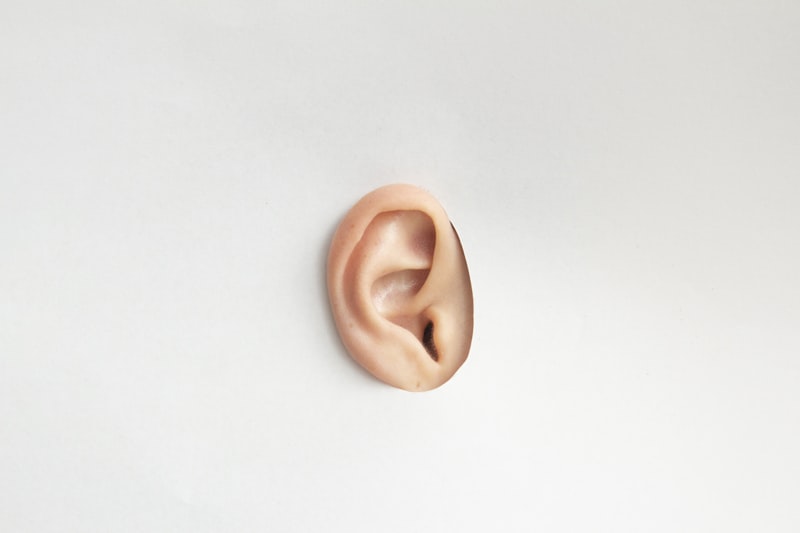
Definition and Historical Context of Auscultation
Auscultation, derived from the Latin verb auscultare, meaning “to listen,” is a foundational diagnostic method employed by clinicians to assess the functional state of internal organs by listening to the sounds generated within the body. This technique is indispensable in medicine, serving as a primary pillar of the physical examination, alongside inspection, palpation, and percussion. The process involves the systematic detection and interpretation of auditory signals produced by physiological processes, such as blood flow, air movement, and gastrointestinal motility. Crucially, auscultation allows the examiner to gather immediate, real-time data regarding the presence of abnormalities, the location of pathology, and the overall rhythm and quality of vital functions. The subtle variations in sound characteristics—including pitch, intensity, duration, and quality—provide critical non-invasive insights into the patient’s health status, making it a cornerstone of initial clinical assessment even in the era of advanced medical imaging.
While the practice of listening to the body has roots tracing back to antiquity, notably documented by Hippocrates, who described placing an ear directly against the chest to detect splashing sounds indicative of fluid in the lung, the formalization of auscultation as a refined diagnostic science is attributed to the French physician René Laennec in the early 19th century. Prior to Laennec’s innovation in 1816, the diagnostic method was limited to immediate auscultation, where the physician placed their ear directly onto the surface of the patient’s body. This method was often hindered by issues of hygiene, patient discomfort, localization difficulties, and the inability to clearly hear faint sounds, particularly in obese patients or women where social modesty was a concern. Laennec’s invention of the stethoscope—initially a simple rolled paper tube, later evolving into a wooden cylinder—revolutionized the field by enabling mediate auscultation, significantly amplifying and isolating internal sounds, thus transforming the quality and reliability of clinical diagnosis.
The enduring value of auscultation lies in its simplicity, portability, and instant availability. Unlike complex imaging modalities that require specialized equipment and significant logistical overhead, auscultation can be performed rapidly at the bedside, in emergency settings, or in remote clinical locations. It acts as an invaluable screening tool, often guiding the subsequent selection of more expensive or invasive diagnostic procedures. Furthermore, mastering the art of auscultation requires not only technical proficiency but also deep anatomical knowledge and pattern recognition, skills that differentiate the adept clinician. The ability to distinguish between normal physiological sounds and pathological adventitious sounds—such as heart murmurs indicating valvular disease or crackles suggesting pulmonary edema—is essential for accurate and timely clinical intervention, reaffirming its central role in both general practice and specialized medicine.
The Principles of Sound Transmission in the Body
Understanding the physics of sound transmission is paramount to interpreting auscultatory findings accurately. Body sounds are typically generated by two primary mechanisms: the turbulent flow of fluids (air or blood) through constricted or irregular passages, and the rapid vibration of internal structures, such as valve leaflets or vocal cords, or the movement of fluid interfaces. These generated sounds travel through various tissue densities—air-filled lungs, dense muscle, solid organs, and fluid-filled spaces—which modify the sound wave characteristics before they reach the surface of the body. Normal physiological sounds, such as vesicular breath sounds or the lub-dub of the heart, are produced by rhythmic, predictable processes. Pathological sounds, conversely, arise from structural changes, inflammation, obstruction, or fluid accumulation, which alter the normal acoustic signature.
When assessing these sounds, clinicians analyze four fundamental characteristics: pitch (frequency), intensity (amplitude/loudness), duration (length of the sound), and quality (timbre or descriptive characteristics, such as blowing, harsh, or musical). For instance, a high-pitched wheeze typically indicates airflow restriction through narrowed bronchioles, characteristic of asthma, while a low-pitched, rumbling murmur often signifies low-velocity turbulent flow, such as that caused by mitral stenosis. The intensity of a sound is crucial in determining the severity or proximity of the source; a loud S3 gallop, for example, suggests significant ventricular dysfunction. Furthermore, the duration of the sound, especially relative to the cardiac or respiratory cycle, is critical for accurate timing, which is essential for classifying specific cardiac murmurs as systolic or diastolic.
Pathophysiological changes significantly impact sound propagation. Increased tissue density, such as that seen in pulmonary consolidation (e.g., pneumonia), facilitates the transmission of high-frequency sounds, leading to louder and clearer breath sounds (bronchial breathing) over areas where sound is normally muffled. Conversely, the presence of fluid or air in the pleural space (e.g., pleural effusion or pneumothorax) dampens sound transmission, resulting in diminished or absent breath sounds. This alteration in acoustic impedance—the resistance of the medium to sound wave travel—is the basis for using auscultation to locate and define the boundaries of underlying pathology. The astute listener uses these modifications in sound characteristics and location to triangulate the exact nature and extent of the internal abnormality, providing a powerful, non-invasive indicator of disease progression or resolution.
Immediate Auscultation: The Direct Method
Immediate, or direct, auscultation represents the original and simplest form of body sound diagnosis, predating the invention of the stethoscope. In this method, the examiner places their ear directly upon the patient’s skin surface, usually protected by a thin layer of clothing or a towel, to perceive internal sounds. This technique relies entirely on the direct conduction of sound waves through the tissues and skin to the examiner’s auditory apparatus. Historically, it was the only method available, utilized primarily for listening to the respiratory sounds or the fetal heart tones. Its primary advantage is its inherent simplicity and the lack of reliance on equipment, making it immediately available in any clinical setting, regardless of resource constraints.
Despite its simplicity, immediate auscultation suffers from several inherent limitations that led to its eventual replacement by mediate methods. Firstly, the sound quality is often poor; the ear cannot effectively localize or amplify sounds originating deep within the body, especially low-frequency sounds. The broad contact surface also makes precise localization of the sound source challenging. Secondly, the physical proximity required presents significant barriers regarding patient comfort, hygiene, and professional boundaries, particularly when examining the chest or abdomen. Furthermore, the acoustic coupling between the ear and the body surface is often inconsistent, leading to potential air leaks and the introduction of distracting external noises, thereby compromising the reliability of the findings.
Today, immediate auscultation is largely obsolete in sophisticated clinical environments, having been supplanted by the superior acoustic performance and hygienic advantages of the stethoscope. However, certain specialized historical instruments, such as the Pinard horn used in obstetrics for monitoring fetal heart rate, function on the principles of immediate auscultation, acting as an acoustic amplifier that is placed directly onto the maternal abdomen. While modern Doppler devices have largely replaced the Pinard horn, it serves as a reminder of the historical significance of direct listening. The fundamental concept—that internal sounds carry vital diagnostic information—remains constant, even as the technology used to capture those sounds evolves.
Mediate Auscultation and the Evolution of the Stethoscope
Mediate auscultation, defined as listening to body sounds through the use of an intervening instrument, began with the invention of the stethoscope by Laennec. Driven by the need for a more effective and less intrusive diagnostic tool, he conceived of a rigid, hollow cylinder that effectively channeled sound from the patient’s body to the examiner’s ear. This simple invention fundamentally changed medical practice by isolating internal sounds from external noise and significantly improving the transmission efficiency, allowing for the clear detection of subtle sounds previously inaudible. The stethoscope provided the necessary acoustic separation, allowing physicians to systematically characterize and catalog the sounds associated with specific pulmonary and cardiac diseases.
The evolution of the stethoscope progressed rapidly from Laennec’s original monaural wooden tube to the modern binaural design standardized in the mid-19th century. The current clinical standard utilizes a flexible Y-shaped tubing system, connecting the chest piece to two ear pieces. The chest piece is the most critical element, typically featuring two functional sides: the diaphragm and the bell. The diaphragm is a flat, rigid disc that filters out low-frequency sounds, making it ideal for hearing high-pitched sounds, such as normal breath sounds, friction rubs, and the higher frequencies of heart sounds (S1 and S2). The diaphragm operates by detecting the pressure waves that cause the membrane to vibrate.
In contrast, the bell of the stethoscope is a hollow, cup-shaped structure designed to be placed lightly on the skin. When applied gently, the bell acts as a receiver for low-frequency sounds, which are often indicative of pathological states like certain heart murmurs (e.g., mitral stenosis) and S3 or S4 gallop rhythms. Applying too much pressure with the bell stretches the skin tautly over the opening, effectively turning the skin into a diaphragm and filtering out the very low-frequency sounds the bell is intended to detect. The careful manipulation of these two components allows the examiner to selectively listen to different frequency ranges, maximizing the diagnostic yield and enabling the detailed analysis required to differentiate complex cardiac and pulmonary pathologies.
Applications in Cardiopulmonary Assessment
The most frequent and critical application of auscultation is in the assessment of the cardiovascular and pulmonary systems. In the pulmonary examination, the clinician listens over different lung fields to characterize breath sounds. Normal sounds, termed vesicular sounds, are soft, low-pitched, and heard primarily during inspiration. Deviations from this pattern, such as the presence of loud, high-pitched bronchial sounds over the periphery, suggest consolidation or collapse, indicating pathology like pneumonia. The primary goal is to identify adventitious sounds—abnormal noises superimposed upon the normal breath sounds—which are strong indicators of disease processes.
Adventitious sounds are categorized based on their characteristics and timing. Crackles (or rales) are discontinuous, brief, popping sounds, often associated with the snapping open of collapsed alveoli or small airways, typical in conditions like pulmonary edema or interstitial lung disease. Wheezes are continuous, high-pitched, musical sounds produced by air rushing through narrowed airways, classically associated with asthma or chronic obstructive pulmonary disease (COPD). Rhonchi are continuous, low-pitched, snoring sounds resulting from secretions in the larger airways. The precise localization and characterization of these sounds are crucial for differentiating between diseases affecting the small airways, the parenchyma, or the pleural space (where a pleural friction rub might be heard).
In cardiac auscultation, the examiner systematically listens over four primary areas corresponding to the heart valves (aortic, pulmonary, tricuspid, and mitral) to identify the timing and quality of the heart sounds. The first heart sound (S1) marks the closure of the atrioventricular valves (mitral and tricuspid) and signifies the beginning of systole. The second heart sound (S2) marks the closure of the semilunar valves (aortic and pulmonary) and signifies the beginning of diastole. Abnormal findings often involve extra heart sounds (S3 and S4 gallops, indicative of ventricular dysfunction or stiffness) or heart murmurs. Murmurs are turbulent sounds generated by blood flowing across damaged or narrowed valves (stenosis) or flowing backward through incompetent valves (regurgitation). The clinical description of a murmur requires meticulous documentation of its timing, location, intensity (graded I to VI), pitch, and radiation pattern to guide further evaluation, such as echocardiography.
Auscultation in Abdominal and Peripheral Diagnostics
Auscultation extends beyond the chest cavity to include the abdomen, where it provides vital information regarding the function of the gastrointestinal tract and the vascular system. Abdominal auscultation involves listening for bowel sounds, which are the gurgling and clicking noises produced by peristalsis—the rhythmic muscular contractions that propel contents through the intestines. Normal bowel sounds are irregular and intermittent. Deviations in frequency and intensity are diagnostically significant. Hyperactive bowel sounds (borborygmi), characterized by increased frequency and loudness, may suggest gastroenteritis or early bowel obstruction, indicating increased motility.
Conversely, hypoactive bowel sounds indicate decreased or sluggish peristalsis, common after abdominal surgery, in peritonitis, or in paralytic ileus. The complete absence of bowel sounds over several minutes is a critical finding, often signaling a severe, non-mechanical obstruction or a paralytic ileus, requiring urgent medical intervention. The mapping of these sounds across the four abdominal quadrants helps localize the pathology. While the reliability of bowel sound assessment alone is sometimes debated in modern surgical practice, it remains an essential component of the initial abdominal survey, particularly in emergency and acute care settings.
In vascular assessment, auscultation is performed over major arteries, such as the carotid, femoral, and renal arteries, to detect bruits. A bruit is a harsh, blowing sound caused by turbulent blood flow through a partially obstructed or narrowed artery, typically due to atherosclerosis (stenosis). The presence of a carotid bruit, for example, is a strong indicator of carotid artery disease, raising concern for potential stroke risk. Similarly, bruits heard over the renal arteries may indicate renal artery stenosis, a potentially treatable cause of hypertension. The careful distinction between a true vascular bruit and sounds transmitted from the heart (which often radiate widely) requires skilled technique and knowledge of anatomical landmarks. Auscultation is also essential for indirect blood pressure measurement, relying on the detection of Korotkoff sounds—the sounds produced by pulsatile blood flow when an artery is compressed by a cuff.
Specialized Techniques and Digital Auscultation
Beyond the general survey, auscultation is integral to several specialized techniques, most notably sphygmomanometry. The standard method for non-invasive blood pressure measurement relies entirely on the examiner’s ability to accurately detect the five distinct phases of Korotkoff sounds. As the pressure in the blood pressure cuff is released, the examiner listens for the onset of sounds (Phase I, systolic pressure), their muffling (Phase IV), and their eventual disappearance (Phase V, diastolic pressure). The precise identification of these transitions is crucial for obtaining accurate readings, and inaccuracies can profoundly impact the diagnosis and management of hypertension.
The advent of technology has introduced digital auscultation, utilizing electronic stethoscopes that overcome many limitations of acoustic models. Digital stethoscopes incorporate sophisticated microphones and signal processing capabilities to amplify, filter, and normalize body sounds, making faint murmurs or breath sounds much clearer, especially in noisy environments or for practitioners with mild hearing impairment. Many electronic models allow the clinician to adjust frequency filters in real-time, focusing specifically on high- or low-frequency ranges. Furthermore, these devices often possess recording capabilities, allowing clinicians to capture heart or lung sounds for later review, archiving in the electronic health record, or for consultation with specialists.
The integration of digital auscultation into telemedicine represents a significant modern advancement. Specialized stethoscopes can transmit body sounds securely and in real-time over the internet, allowing a specialist located hundreds of miles away to perform a critical component of the physical examination during a virtual consultation. This capability is particularly transformative for remote patient monitoring, access to specialized cardiac or pulmonary care in rural areas, and for teaching purposes, enabling large groups of students to simultaneously hear the subtle pathological sounds that are difficult to appreciate using traditional acoustic methods. This technological leap enhances objectivity and reproducibility in a traditionally subjective diagnostic domain.
Challenges and Limitations of Auscultatory Diagnosis
Despite its clinical significance, auscultation is inherently limited by its subjective nature and dependence on external factors. The accuracy of the findings relies heavily upon the skill and experience of the individual examiner. Interpreting subtle variations in pitch, timing, and intensity requires extensive training and continuous practice, as the human auditory system must be trained to differentiate pathological sounds from normal physiological noise and environmental artifacts. Inexperienced practitioners often struggle to reliably identify complex or faint findings, leading to potential misdiagnosis or delayed referral.
Environmental noise is another pervasive challenge. Auscultation performed in noisy clinical settings, such as emergency rooms or hospital wards, can significantly compromise the ability to hear faint sounds like soft diastolic murmurs or distant breath sounds. While electronic stethoscopes offer noise reduction capabilities, they cannot eliminate all interference. Furthermore, the variability in patient body habitus—such as obesity, which increases the distance sound must travel, or excessive chest hair—can significantly attenuate internal sounds, making accurate assessment difficult or impossible, often necessitating reliance on imaging modalities.
Finally, auscultatory findings often lack the definitive specificity required for a final diagnosis; they are indicators, not confirmations. For instance, while a heart murmur indicates turbulent flow, it does not confirm the precise degree of valvular damage, necessitating follow-up with objective tests like echocardiography. Similarly, crackles in the lungs suggest fluid or alveolar collapse, but only chest X-ray or CT scanning can distinguish definitively between pneumonia, congestive heart failure, or pulmonary fibrosis. Thus, auscultation serves best as a rapid screening tool that guides the subsequent, often expensive, diagnostic pathway, rather than acting as a definitive standalone diagnostic instrument for complex internal pathology.