Aviation Psychology: Mastering Human Performance in Flight
Scientifically Reviewed · Dr. Marwa Abd-Alazim · August 25, 2026
Review Criteria & Clinical Standards
This content undergoes rigorous scientific peer-review and medical editorial standards at Arab Psychology Network to ensure clinical accuracy, validity, and compliance with evidence-based guidelines from leading psychological and healthcare authorities (APA / WHO).
Definition and Scope of Aviation Psychology
Aviation psychology refers to a specialized domain within applied psychology dedicated to the comprehensive study of human behavior, cognition, and performance within the complex ecosystem of aviation systems. This field systematically investigates how psychological factors relate directly to the operation, control, and maintenance of aircraft and air traffic management infrastructures, critically influencing both the safety and the efficiency of flight operations globally. The fundamental premise of aviation psychology is that the human element—pilots, air traffic controllers, maintenance crews, and ground staff—is the single most critical component in preventing accidents and optimizing performance, particularly when faced with high-stakes situations or demanding operational environments, such as during periods of crisis or rapid decision-making requirements. It acts as an essential bridge connecting the rigorous demands of aerospace engineering with the inherent limitations and capabilities of human physiology and psychological processing.
The research focus in this discipline is inherently interdisciplinary, drawing heavily upon cognitive psychology, industrial/organizational psychology, and human factors engineering. Aviation psychologists primarily seek to understand the mechanisms through which personnel effectively operate complex airframes and navigation systems. For instance, research endeavors often center on minimizing human error through improved system design, refining training protocols to enhance resilience under pressure, and developing sophisticated selection criteria to ensure that individuals possess the necessary psychological aptitude for demanding roles. Therefore, a person studying aviation psychology would likely dedicate their research to issues pertaining to the effective and safe operation of airplanes by all relevant personnel, moving beyond the traditional clinical focus of psychology to an applied, systems-oriented approach that prioritizes predictive modeling and preventative measures within the operational environment.
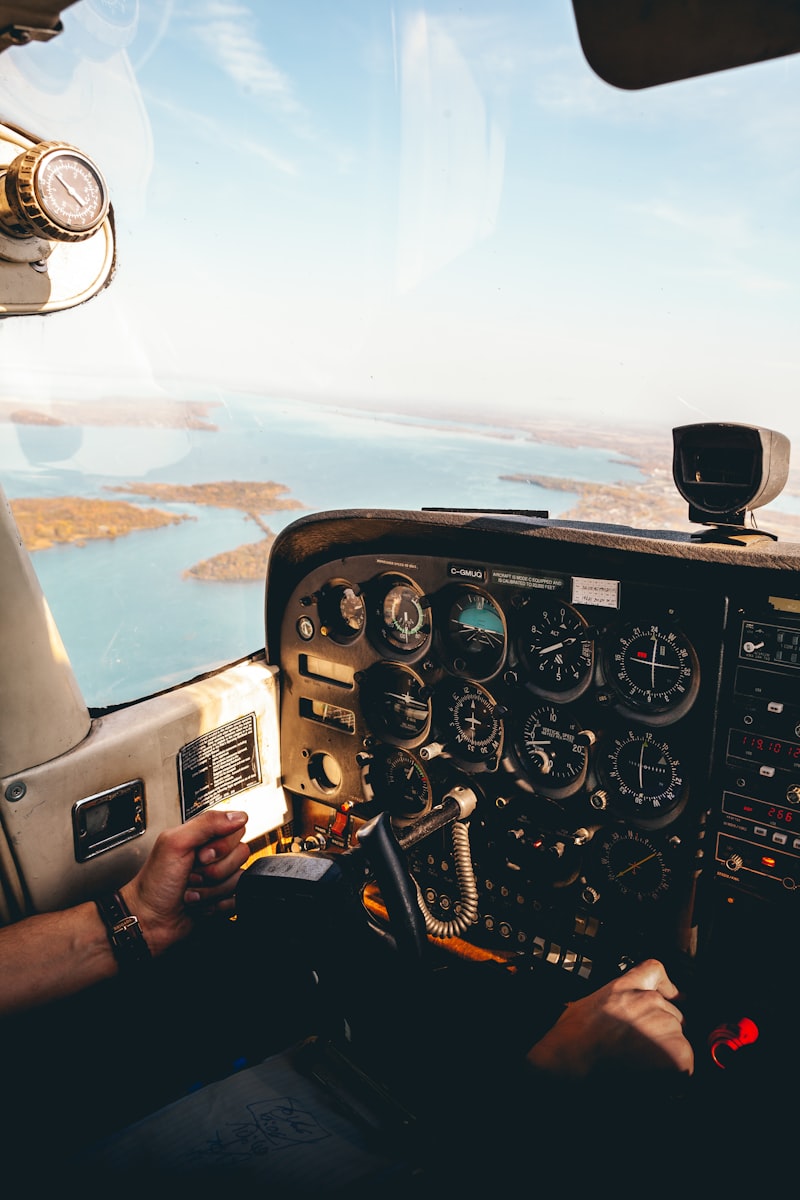
The scope extends far beyond the cockpit, encompassing the entirety of the aviation enterprise. This includes the design of instrument panels, the structuring of air traffic control procedures, the development of protocols for effective crew resource management (CRM), and the establishment of robust safety cultures within airlines and regulatory bodies. The goal is not merely to study errors after they occur, but to proactively analyze the interaction between the human operator and the machine interface (HMI), identifying potential points of failure before they can manifest as critical incidents. This proactive stance ensures that psychological principles are integrated at the earliest stages of system design, thereby creating aviation environments that are inherently more intuitive, less cognitively demanding, and significantly more tolerant of minor human deviations.
Historical Context and Evolution of the Discipline
The formal recognition of aviation psychology as a distinct field traces its origins back to the World Wars, periods characterized by rapid technological advancement in aircraft design coupled with catastrophic losses often attributed to “pilot error.” During World War I, military forces realized that despite having mechanically sound aircraft, the physical and psychological demands placed upon pilots—particularly regarding spatial orientation, reaction time, and stress tolerance—were often exceeding human capacity. This initial focus was primarily on selection; developing standardized tests to filter out individuals who were physically or mentally unsuited for the rigors of combat flight. The need for specialized psychometric assessment became undeniable as aircraft speed and complexity increased exponentially, establishing the foundation for modern military and commercial pilot screening programs.
The discipline matured significantly following World War II, transitioning from a focus purely on selection to a broader consideration of human performance limitations and the necessity of ergonomic design. Researchers began to understand that many accidents labeled as “pilot error” were actually symptomatic of deeper systemic failures, poor training, or badly designed equipment that led to confusion or fatigue. This pivotal shift in perspective catalyzed the development of what is now known as Human Factors research, emphasizing the interface between the pilot and the machine. Key figures began advocating for the design of cockpits that accommodated human sensory and cognitive limitations rather than forcing the operator to constantly adapt to an unnatural or poorly organized control environment, fundamentally changing how aircraft were conceptualized and built.
A defining moment that cemented the importance of aviation psychology in the public consciousness was the tragic 1977 Tenerife runway disaster, the deadliest accident in aviation history. Investigations into this event highlighted severe breakdowns in communication, situational awareness, and crew resource management (CRM). This disaster, among others, demonstrated unequivocally that technical proficiency was insufficient; effective crew coordination, assertive communication, and the management of authority gradients were equally vital to safety. Post-Tenerife, the industry mandated the widespread adoption of formalized CRM training, marking a critical evolutionary step where psychological principles related to teamwork and organizational dynamics moved from theoretical research into mandatory operational practice across the globe.
Core Domains of Study: Human Factors and Ergonomics
The central pillar of contemporary aviation psychology is the study of human factors, which aims to optimize the relationship between people and the systems they operate. This domain meticulously examines the sensory, perceptual, and motor processes involved in controlling an aircraft, particularly focusing on how pilots perceive information presented on instruments, process that data cognitively, and execute physical controls. A critical aspect of this involves studying perceptual errors, such as spatial disorientation, where a pilot’s sensory input conflicts with reality, leading to incorrect control inputs, particularly in conditions of low visibility or high G-force maneuvers. Aviation psychologists work closely with engineers to design displays (e.g., Head-Up Displays or Glass Cockpits) that present information in the most intuitive and least ambiguous manner possible, minimizing the cognitive effort required for accurate interpretation.
Ergonomics, specifically cognitive ergonomics, plays a profound role in this domain. This involves ensuring that the physical layout of the cockpit, the sequencing of checklists, and the interaction logic of automated systems are compatible with natural human movement and memory structures. Poor cockpit design can introduce “latent conditions”—hidden errors waiting to be triggered by an operational pressure—which aviation psychology seeks to identify and eliminate. For instance, the placement of critical switches or the standardization of control movements across different aircraft types are ergonomic considerations designed to reduce the likelihood of confusion and procedural mistakes, especially when an operator is under intense time pressure or stress.
Furthermore, a major focus is dedicated to the study of the entire error chain, often known as the Swiss Cheese Model of accident causation. Aviation psychologists recognize that accidents rarely result from a single failure; rather, they are the culmination of multiple sequential failures, often involving organizational, regulatory, and human factors. By analyzing these complex chains, the field develops interventions that break the sequence of errors at various points. These interventions range from improved briefing procedures and cross-checking mandates to sophisticated training programs designed to bolster a crew’s ability to recognize and arrest developing error situations before they reach a critical threshold, thereby transforming simple mistakes into recoverable incidents.
Cognitive Load and Decision Making in Flight
The aviation environment imposes immense cognitive demands, requiring rapid, accurate processing of vast amounts of dynamic information, often while simultaneously managing high levels of stress and physiological arousal. Aviation psychology extensively studies cognitive load—the total amount of mental effort being used in the working memory—and its impact on performance. High cognitive load, typically resulting from complex tasks, multiple simultaneous alerts, or unexpected emergencies, can lead to critical failures such as attention tunneling, where the operator focuses exclusively on one element while ignoring other crucial indicators, or memory lapses regarding critical procedures. Research in this area provides the foundation for designing system alerts and operational procedures that manage information flow effectively, ensuring that the human operator is never overwhelmed to the point of incapacitation.
Decision making is another paramount area of research, particularly examining how stress and time constraints distort rational judgment. Pilots frequently operate under conditions of uncertainty, needing to make high-consequence decisions with incomplete data—for example, deciding whether to divert due to unexpected weather or proceed despite a minor system anomaly. Aviation psychologists employ models of naturalistic decision making (NDM) to understand how expert operators utilize pattern recognition and intuition, built on years of experience, to arrive at sound decisions quickly, contrasting this with purely analytical, time-consuming methods. This research is crucial for developing training scenarios that move trainees beyond rote memorization toward adaptive, critical thinking under pressure.
Specific psychological phenomena that degrade cognitive performance are meticulously studied, including the effects of fatigue and circadian rhythm disruption. Long-haul flight operations inherently conflict with the body’s natural sleep-wake cycle, leading to chronic sleep deprivation and impaired judgment. Aviation psychologists develop sophisticated fatigue risk management systems (FRMS) that utilize predictive modeling based on physiological data, operational schedules, and individual sleep patterns to proactively mitigate the risk posed by fatigued crew members. These systems often involve optimizing scheduling, mandating strategic napping protocols, and educating personnel on the neurobiological impacts of sleep debt, viewing fatigue not as a personal failure but as an operational hazard that must be systematically managed.
Personnel Selection, Training, and Simulation Methodologies
A core function of aviation psychology is the development and implementation of rigorous selection programs designed to identify candidates who possess not only the technical skills but also the necessary psychological attributes for success in high-reliability aviation roles. This process utilizes psychometric testing to assess key personality traits, cognitive abilities (such as spatial reasoning and multitasking capacity), resilience, and temperament suitability. Modern selection protocols move beyond simple pass/fail criteria, often incorporating complex assessment centers and structured interviews designed to evaluate behaviors related to leadership, stress tolerance, and effective teamwork, ensuring that new recruits have the inherent psychological robustness required for the career.
Once selected, the training methodologies employed are heavily informed by psychological research on learning, retention, and performance under stress. Traditional instructional methods are supplemented by high-fidelity simulation and specialized behavioral training, most notably Line-Oriented Flight Training (LOFT). LOFT involves placing an entire crew into realistic, often highly stressful, simulated flight scenarios that require them to utilize not just technical skills, but also effective communication, resource allocation, and collaborative decision-making to safely manage the emergency. The effectiveness of simulation is continuously analyzed by psychologists to ensure maximum transfer of learning from the simulator environment to the actual aircraft.
Furthermore, aviation psychology is responsible for the design of specialized behavioral training programs, such as Crew Resource Management (CRM) and Threat and Error Management (TEM). TEM, for example, trains crews to proactively identify potential threats (e.g., bad weather, technical faults, distractions) and manage the resulting errors before they cascade into an incident. These programs are mandatory and recurring, focusing on non-technical skills like situational awareness, effective assertiveness, mutual support, and workload management. The psychological objective is to establish a shared mental model among the crew members, ensuring that all operators have a synchronized understanding of the operational environment and the required response plan, greatly enhancing system safety margins.
Organizational Dynamics and Safety Culture
The performance of individuals in aviation is inextricably linked to the organizational environment in which they operate. Aviation psychology scrutinizes organizational dynamics and the prevailing safety culture, recognizing that management decisions and cultural norms often create the preconditions for human error. A robust safety culture is characterized by a “just culture”—an environment where front-line employees feel safe to report errors and close calls without fear of unfair retribution, allowing the organization to learn from mistakes rather than simply punishing them. Conversely, a punitive or hierarchical culture stifles communication, encourages hiding errors, and significantly undermines safety efforts.
Psychologists develop and administer confidential reporting systems, such as the Aviation Safety Action Program (ASAP), which encourages voluntary disclosure of safety violations and procedural deviations. The data gathered from these systems provides invaluable insights into systemic weaknesses, human performance envelopes, and the psychological pressures faced by operational staff. Analyzing these reports allows the organization to move beyond surface-level fixes and address the root causes of error, which are often found in inadequate procedures, poor scheduling, or systemic communication failures between departments (e.g., maintenance and flight operations).
Leadership and communication patterns within the organization are also critical research areas. Effective leadership in aviation requires skills far beyond technical competence, including the ability to manage stress in others, foster an open and non-hierarchical communication environment, and instill a shared commitment to safety standards. Aviation psychologists often consult with management teams to restructure communication channels, implement feedback mechanisms, and train leaders to recognize the psychological signs of stress, burnout, or fatigue in their teams, thereby creating an organizational climate that actively supports peak human performance and resilience against operational hazards.
Technological Integration and Automation
The increasing sophistication of cockpit automation presents a unique and complex challenge for aviation psychology. While automation significantly reduces physical workload and enhances navigational precision, it introduces new forms of human error related to monitoring, trust, and system comprehension. A primary concern is automation complacency, the tendency for pilots to rely too heavily on automated systems, leading to a degradation of manual flying skills and a reduced vigilance toward subtle changes in the aircraft state or external environment. When an automated system fails or disengages, the pilot may suffer from a severe lapse in situational awareness, requiring them to rapidly transition from passive monitor to active controller under extreme pressure, a transition that psychological research shows is highly prone to error.
Another significant area of study is mode confusion, which occurs when the pilot misunderstands or loses track of the current operational state or “mode” of the automated flight control system. Modern aircraft systems can operate in dozens of different modes, and if the interface is poorly designed or the feedback is ambiguous, the pilot may input controls based on an incorrect assumption of the system’s behavior, leading to unintended flight path changes. Aviation psychologists meticulously evaluate automated interfaces, striving to make the system’s intent and operational status transparent and highly predictable to the human operator, minimizing reliance on memory or complex inference during critical phases of flight.
The future integration of increasingly autonomous systems—including the operation of Unmanned Aerial Systems (UAS) or drones—also falls squarely within the purview of this field. Psychologists are tasked with developing the appropriate human-machine interfaces for remote operators, studying the cognitive demands of managing multiple autonomous vehicles simultaneously, and addressing the unique ethical and psychological stress associated with remote decision-making in potentially lethal or high-risk scenarios. This requires a fundamental shift in understanding human control, moving from direct physical manipulation to supervisory control and system management.
Contemporary Challenges and Future Trajectories
Aviation psychology continues to evolve in response to emerging technological and operational challenges. One critical contemporary issue is the integration of big data and predictive analytics into daily operations. Psychologists are instrumental in ensuring that the vast amounts of performance data collected—from flight data recorders, simulators, and voluntary reporting systems—are analyzed not only for engineering faults but also for patterns of human behavior that signal latent operational risks. Utilizing machine learning models informed by psychological principles helps to identify crews or individuals who may be approaching performance limits due to cumulative fatigue, stress, or procedural deviations before an incident occurs.
The advent of commercial spaceflight also presents an entirely new frontier for aviation psychology, requiring the application of human factors principles to extreme environments. This includes understanding the psychological resilience required for long-duration missions, the dynamics of small, isolated crews, and the training necessary for individuals to manage high-risk systems under conditions of microgravity and profound physiological stress. The psychological screening and continuous monitoring of commercial astronauts demand novel protocols that extend beyond traditional aviation requirements, focusing heavily on interpersonal compatibility, conflict resolution, and coping mechanisms for extreme isolation.
Finally, maintaining a globally consistent standard of safety culture and training across diverse international regulatory environments remains a persistent challenge. Aviation psychologists work with international bodies to harmonize human factors training and reporting standards, ensuring that psychological research findings are effectively translated into practical, culturally sensitive safety protocols worldwide. The discipline is committed to continuously refining the understanding of the human role in aviation, striving for a future where system design and operational procedures are perfectly aligned with the inherent capabilities and limitations of the human mind, thereby maximizing safety and ensuring the continued reliability of air travel.