Axonal Transport: The Neuron’s Vital Logistics System
Scientifically Reviewed · Dr. Marwa Abd-Alazim · October 20, 2026
Review Criteria & Clinical Standards
This content undergoes rigorous scientific peer-review and medical editorial standards at Arab Psychology Network to ensure clinical accuracy, validity, and compliance with evidence-based guidelines from leading psychological and healthcare authorities (APA / WHO).
The Core Definition of Axonal Transport
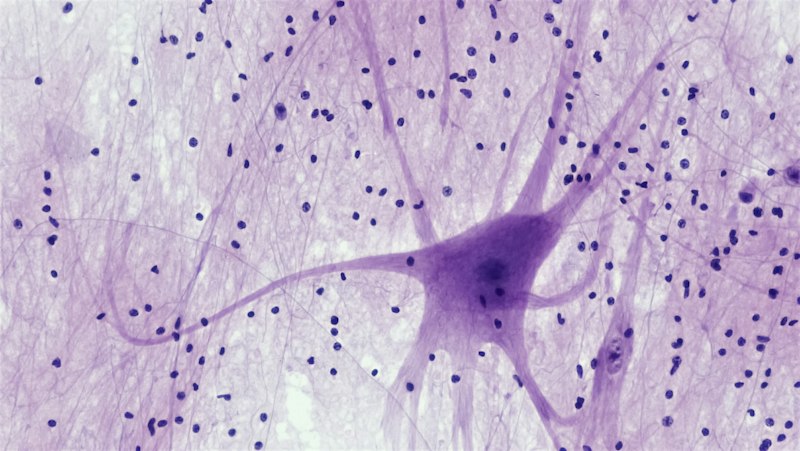
Axonal transport, often referred to synonymously as axoplasmic flow, is the fundamental biological process by which cellular materials are moved along the specialized, elongated processes of a neuron known as axons. This mechanism is absolutely critical for neuronal survival and function, acting as the internal logistics system of the nerve cell. Given that the neuronal cell body, or soma, is the primary location for protein synthesis and metabolism, while the synaptic terminals can be meters away in large mammals, materials must be efficiently and reliably transported across vast cytoplasmic distances to maintain structural integrity and communication capabilities. This complex process ensures that all necessary components—ranging from structural proteins and lipids to energy-producing organelles like mitochondria—reach their required destination, whether that is a distant dendrite or the terminal button, and equally ensures that waste products and signaling molecules are returned to the soma for processing.
The necessity of this transport system arises from the unique morphology of the neuron. Unlike most cells, neurons possess extreme polarity and length, meaning the machinery responsible for maintaining the cell—the nucleus, ribosomes, and endoplasmic reticulum—is physically segregated from the sites of action (the synapses). Without constant replenishment of membrane components, enzymes, and neurotransmitter precursors via axonal transport, the synapse would quickly fail, leading to a breakdown in nervous system communication. The flow is highly regulated, utilizing sophisticated molecular motor proteins that navigate along tracks built from microtubules within the axoplasm, ensuring that the necessary cargo is delivered precisely where and when it is needed.
Researchers distinguish axonal transport based primarily on its speed. The fastest rate, known as fast transport, moves materials such as membrane-bound vesicles, neurotransmitters, and mitochondria at speeds up to 400 millimeters per day. Conversely, slow transport moves soluble proteins, cytoskeletal elements, and neurofilaments at rates ranging from 0.1 to 10 millimeters per day. While seemingly slow, this rate is essential for renewing the bulk structural components of the axon itself, supporting its physical structure over the neuronal lifespan. Both fast and slow transport mechanisms are equally vital, but rely on slightly different underlying molecular mechanisms and represent different classes of cargo.
Fundamental Mechanisms: Anterograde and Retrograde Flow
Axonal transport is defined not only by its speed but also by its directionality, which is strictly separated into two main flows: anterograde and retrograde. Anterograde transport refers to the movement of materials away from the cell body (soma) toward the axon terminal and dendrites. This is the supply route, carrying all the newly synthesized components required for synaptic transmission, growth, and maintenance. Key cargoes include synaptic vesicles filled with neurotransmitters, lipids needed to repair and expand the terminal membrane, and critical enzymes necessary for local energy production and signaling cascades.
In contrast, retrograde transport is the movement of materials back toward the cell body, flowing from the axon terminal inward to the soma. This flow serves as the essential feedback and recycling mechanism. It carries signaling molecules, such as neurotrophic factors that have been taken up by the terminal, which signal the overall health and activity status of the synapse back to the nucleus. Furthermore, retrograde transport is responsible for clearing out degraded organelles (like worn-out mitochondria) and recycling empty synaptic vesicle components, which are often broken down or reprocessed in the soma. This dual directional system ensures a continuous loop of supply, use, maintenance, and feedback.
The distinction between the two flows is rigid and is determined entirely by the specific type of motor protein attached to the cargo. The microtubule tracks within the axon are highly polarized; their plus ends are oriented toward the terminal (the delivery zone), and their minus ends are oriented toward the soma (the manufacturing center). This structural polarity dictates which motor protein can travel in which direction. The efficiency of maintaining this bidirectional flow is paramount, as disruptions in either direction can lead to the accumulation of toxic or unnecessary materials at one end of the neuron, a pathology frequently observed in neurological disease.
The Molecular Motor Systems
The engine room of axonal transport consists of specialized molecular motor proteins that hydrolyze adenosine triphosphate (ATP) to generate mechanical force, allowing them to “walk” along the microtubule tracks. The primary motor protein responsible for anterograde transport (movement toward the plus end) is Kinesin. Kinesin molecules possess two essential domains: a head domain that binds to the microtubule and hydrolyzes ATP, enabling movement, and a tail domain that binds the specific cargo, such as a vesicle or a mitochondrion. The highly processive nature of Kinesin allows it to take many steps along the microtubule without detaching, ensuring long-distance cargo delivery with minimal interruption.
Conversely, the motor protein responsible for retrograde transport (movement toward the minus end, back to the soma) is Dynein. Cytoplasmic Dynein is a significantly larger and more complex molecular machine than Kinesin, often requiring the assistance of a large accessory protein complex called dynactin to efficiently link to its cargo and regulate its activity. Like Kinesin, Dynein uses ATP hydrolysis to generate motion, but its directionality is genetically and structurally fixed to move exclusively toward the minus end of the microtubule. The balance between Kinesin and Dynein activity is tightly regulated, and the fate of a cargo vesicle often depends on which motor protein is successfully attached and activated at any given time.
The interaction between the motor proteins and the microtubule tracks is highly dynamic and regulated by various signaling pathways, including phosphorylation events. For instance, the attachment of certain cargo, like mitochondria, to their respective motor proteins is often controlled by specific adaptor proteins. Defects in these adaptor proteins or in the regulatory signaling that controls motor protein activity can directly impair transport efficiency. If a motor protein is unable to detach or attach correctly, or if the microtubule tracks themselves are damaged, the entire system grinds to a halt, which is a key initiator of neuronal stress and pathology.
Historical Discovery and Early Research
The concept of material movement within the neuron is surprisingly old, though the underlying mechanisms remained mysterious for decades. Early anatomical studies in the late 19th and early 20th centuries noted the vast distances materials must travel, prompting speculation about some form of flow. However, definitive proof of bulk movement came much later, primarily through the work of Paul Weiss and H.B. Hiscoe in the 1940s. Using nerve ligation experiments—tying off or pinching an axon—they observed that material accumulated on the side of the ligation closer to the cell body, proving that substances were physically being transported down the axon from the soma. They coined the term “axoplasmic flow.”
While Weiss’s ligation studies definitively proved the existence of flow, they initially only measured the relatively slow accumulation of bulk material, leading to the early misinterpretation that all axoplasmic flow was slow. The realization of fast transport came with the advent of radioactive tracer experiments in the 1960s. Researchers injected radioactive amino acids into the cell bodies of neurons and tracked the movement of the synthesized proteins. These experiments revealed that some proteins arrived at the synaptic terminals within hours, confirming the existence of a high-speed transport mechanism far exceeding the rates observed by Weiss.
The true revolution, however, occurred in the 1980s with the biochemical isolation and characterization of the molecular motors. The discovery and purification of Kinesin from squid giant axons marked a pivotal moment. This research provided the first tangible evidence of the protein machinery responsible for generating the active, directional movement observed decades earlier. The subsequent identification of <a href="https://enős
The Core Definition of Axonal Transport
Axonal transport, often referred to synonymously as axoplasmic flow, is the fundamental biological process by which cellular materials are moved along the specialized, elongated processes of a neuron known as axons. This mechanism is absolutely critical for neuronal survival and function, acting as the internal logistics system of the nerve cell. Given that the neuronal cell body, or soma, is the primary location for protein synthesis and metabolism, while the synaptic terminals can be meters away in large mammals, materials must be efficiently and reliably transported across vast cytoplasmic distances to maintain structural integrity and communication capabilities. This complex process ensures that all necessary components—ranging from structural proteins and lipids to energy-producing organelles like mitochondria—reach their required destination, whether that is a distant dendrite or the terminal button, and equally ensures that waste products and signaling molecules are returned to the soma for processing.
The necessity of this transport system arises from the unique morphology of the neuron. Unlike most cells, neurons possess extreme polarity and length, meaning the machinery responsible for maintaining the cell—the nucleus, ribosomes, and endoplasmic reticulum—is physically segregated from the sites of action (the synapses). Without constant replenishment of membrane components, enzymes, and neurotransmitter precursors via axonal transport, the synapse would quickly fail, leading to a breakdown in nervous system communication. The flow is highly regulated, utilizing sophisticated molecular motor proteins that navigate along tracks built from microtubules within the axoplasm, ensuring that the necessary cargo is delivered precisely where and when it is needed.
Researchers distinguish axonal transport based primarily on its speed. The fastest rate, known as fast transport, moves materials such as membrane-bound vesicles, neurotransmitters, and mitochondria at speeds up to 400 millimeters per day. Conversely, slow transport moves soluble proteins, cytoskeletal elements, and neurofilaments at rates ranging from 0.1 to 10 millimeters per day. While seemingly slow, this rate is essential for renewing the bulk structural components of the axon itself, supporting its physical structure over the neuronal lifespan. Both fast and slow transport mechanisms are equally vital, but rely on slightly different underlying molecular mechanisms and represent different classes of cargo.
Fundamental Mechanisms: Anterograde and Retrograde Flow
Axonal transport is defined not only by its speed but also by its directionality, which is strictly separated into two main flows: anterograde and retrograde. Anterograde transport refers to the movement of materials away from the cell body (soma) toward the axon terminal and dendrites. This is the supply route, carrying all the newly synthesized components required for synaptic transmission, growth, and maintenance. Key cargoes include synaptic vesicles filled with neurotransmitters, lipids needed to repair and expand the terminal membrane, and critical enzymes necessary for local energy production and signaling cascades.
In contrast, retrograde transport is the movement of materials back toward the cell body, flowing from the axon terminal inward to the soma. This flow serves as the essential feedback and recycling mechanism. It carries signaling molecules, such as neurotrophic factors that have been taken up by the terminal, which signal the overall health and activity status of the synapse back to the nucleus. Furthermore, retrograde transport is responsible for clearing out degraded organelles (like worn-out mitochondria) and recycling empty synaptic vesicle components, which are often broken down or reprocessed in the soma. This dual directional system ensures a continuous loop of supply, use, maintenance, and feedback.
The distinction between the two flows is rigid and is determined entirely by the specific type of motor protein attached to the cargo. The microtubule tracks within the axon are highly polarized; their plus ends are oriented toward the terminal (the delivery zone), and their minus ends are oriented toward the soma (the manufacturing center). This structural polarity dictates which motor protein can travel in which direction. The efficiency of maintaining this bidirectional flow is paramount, as disruptions in either direction can lead to the accumulation of toxic or unnecessary materials at one end of the neuron, a pathology frequently observed in neurological disease.
The Molecular Motor Systems
The engine room of axonal transport consists of specialized molecular motor proteins that hydrolyze adenosine triphosphate (ATP) to generate mechanical force, allowing them to “walk” along the microtubule tracks. The primary motor protein responsible for anterograde transport (movement toward the plus end) is Kinesin. Kinesin molecules possess two essential domains: a head domain that binds to the microtubule and hydrolyzes ATP, enabling movement, and a tail domain that binds the specific cargo, such as a vesicle or a mitochondrion. The highly processive nature of Kinesin allows it to take many steps along the microtubule without detaching, ensuring long-distance cargo delivery with minimal interruption.
Conversely, the motor protein responsible for retrograde transport (movement toward the minus end, back to the soma) is Dynein. Cytoplasmic Dynein is a significantly larger and more complex molecular machine than Kinesin, often requiring the assistance of a large accessory protein complex called dynactin to efficiently link to its cargo and regulate its activity. Like Kinesin, Dynein uses ATP hydrolysis to generate motion, but its directionality is genetically and structurally fixed to move exclusively toward the minus end of the microtubule. The balance between Kinesin and Dynein activity is tightly regulated, and the fate of a cargo vesicle often depends on which motor protein is successfully attached and activated at any given time.
The interaction between the motor proteins and the microtubule tracks is highly dynamic and regulated by various signaling pathways, including phosphorylation events. For instance, the attachment of certain cargo, like mitochondria, to their respective motor proteins is often controlled by specific adaptor proteins. Defects in these adaptor proteins or in the regulatory signaling that controls motor protein activity can directly impair transport efficiency. If a motor protein is unable to detach or attach correctly, or if the microtubule tracks themselves are damaged, the entire system grinds to a halt, which is a key initiator of neuronal stress and pathology.
Historical Discovery and Early Research
The concept of material movement within the neuron is surprisingly old, though the underlying mechanisms remained mysterious for decades. Early anatomical studies in the late 19th and early 20th centuries noted the vast distances materials must travel, prompting speculation about some form of flow. However, definitive proof of bulk movement came much later, primarily through the work of Paul Weiss and H.B. Hiscoe in the 1940s. Using nerve ligation experiments—tying off or pinching an axon—they observed that material accumulated on the side of the ligation closer to the cell body, proving that substances were physically being transported down the axon from the soma. They coined the term “axoplasmic flow.”
While Weiss’s ligation studies definitively proved the existence of flow, they initially only measured the relatively slow accumulation of bulk material, leading to the early misinterpretation that all axoplasmic flow was slow. The realization of fast transport came with the advent of radioactive tracer experiments in the 1960s. Researchers injected radioactive amino acids into the cell bodies of neurons and tracked the movement of the synthesized proteins. These experiments revealed that some proteins arrived at the synaptic terminals within hours, confirming the existence of a high-speed transport mechanism far exceeding the rates observed by Weiss.
The true revolution, however, occurred in the 1980s with the biochemical isolation and characterization of the molecular motors. The discovery and purification of Kinesin from squid giant axons marked a pivotal moment. This research provided the first tangible evidence of the protein machinery responsible for generating the active, directional movement observed decades earlier. The subsequent identification of Dynein solidified the understanding that axonal transport was not merely passive flow, but a highly orchestrated system driven by dedicated molecular engines running along cytoskeletal tracks.
A Practical Example: Viral Pathogenesis
A powerful and illustrative practical example of axonal transport in action involves the mechanism by which certain viruses exploit the neuronal logistics system to infect the central nervous system (CNS). Pathogens such as the Herpes Simplex Virus (HSV) and the Rabies virus utilize retrograde transport to travel rapidly from peripheral nerve endings, where the initial infection occurs, to the relative safety of the neuronal cell body within the spinal cord or brain. This hijacking mechanism allows the virus to bypass the immune system defenses present in the periphery and establish latency or replicate aggressively within the CNS.
The process begins when the viral particles are endocytosed at the synaptic terminal, a location typically reserved for the uptake of growth factors or the recycling of membrane components. Once internalized, the virus particle, enclosed within a vesicle, effectively disguises itself as natural cargo intended for the soma. The viral capsule then binds to the Dynein motor complex, often through highly specific interactions with adaptor proteins. Dynein, designed to move towards the minus end of the microtubule (towards the soma), rapidly ferries the virus up the axon. This journey can cover significant distances very quickly, utilizing the fast transport rate.
The successful exploitation of the retrograde transport pathway is crucial for the virulence of these pathogens. If the virus were dependent on diffusion or slow transport, the body’s immune response would likely clear the infection before it reached the CNS. Instead, the virus effectively uses the neuron’s own superhighway to deliver its genetic material directly to the nucleus, where replication or latency can be established. This biological mechanism underscores the fundamental importance and efficiency of the transport system, demonstrating that while its primary role is maintenance, its precision can be dangerously exploited by external biological agents.
Significance in Neural Health and Disease
The integrity and efficiency of axonal transport are fundamental to maintaining neuronal health, particularly in the longest neurons that connect the spinal cord to the extremities. When transport fails, the downstream consequences are catastrophic for the cell, leading to a condition known as “dying back” neuropathy, where the synaptic terminals are the first structures to degenerate due to lack of essential supplies. This failure is often rooted in compromised energy supply; if mitochondria are not delivered efficiently via Kinesin motors, the energy demands of the highly active synapse cannot be met, leading to mitochondrial dysfunction and oxidative stress.
Furthermore, a failure in retrograde transport has profound implications for the cell body. If the Dynein motors cannot efficiently return neurotrophic factors (survival signals) back to the soma, the neuron interprets this lack of signal as a failure of connection or activity, triggering programmed cell death, or apoptosis. Similarly, if waste products and aggregated proteins are not cleared from the axon terminal and returned for degradation in the lysosome, these toxic aggregates accumulate locally, leading to physical blockages on the microtubule tracks, which further exacerbates the transport deficit in a debilitating positive feedback loop.
The field of neuropharmacology increasingly views axonal transport as a primary therapeutic target. Since transport deficiencies often precede the visible loss of neuronal structure in many diseases, interventions aimed at increasing motor protein efficiency, stabilizing microtubules, or clearing axonal blockages represent a promising strategy. Understanding the complex regulatory pathways governing the activation and deactivation of Kinesin and Dynein motors is key to developing drugs that can restore the flow before irreversible neurodegeneration occurs.
Connections to Neurodegenerative Disorders
A growing body of evidence strongly links defects in axonal transport to the pathogenesis of numerous severe human neurological conditions, collectively known as neurodegenerative disorders. In Alzheimer’s disease (AD), for instance, the hyperphosphorylation of the Tau protein, which normally stabilizes microtubules, causes Tau to detach from the tracks and aggregate into neurofibrillary tangles. This destabilizes the entire microtubule network, physically blocking the movement of motor proteins and causing widespread transport failure long before cognitive symptoms become severe.
Similarly, in Amyotrophic Lateral Sclerosis (ALS), a disease characterized by the progressive death of motor neurons, early symptoms often reflect distal axon defects consistent with transport failure. Mutations in genes such as SOD1 and TDP-43, which are linked to ALS, are known to interfere with the motor proteins or the integrity of the microtubule tracks, leading to an inability to supply the neuromuscular junction. In Parkinson’s disease, defects in mitochondrial transport, particularly their failure to reach the highly active dopamine terminals, contribute significantly to the energy crisis and oxidative damage that characterizes the disease.
The commonality of transport defects across seemingly diverse neurodegenerative disorders suggests that the nervous system’s vulnerability to logistical failure is a key weak point. Researchers are now exploring how genetic mutations affect the docking proteins that link motor proteins to cargo, or how environmental factors might interfere with microtubule stability. The goal is to identify common pathways of transport dysfunction that can be targeted simultaneously across different diseases, offering a unified approach to slowing or halting the progression of these devastating conditions by ensuring the neuronal logistics system remains operational.
Related Concepts and Broader Context
Axonal transport is a core topic within the field of Cellular and Molecular Neuroscience, providing the mechanistic link between gene expression in the cell body and function at the synapse. It is intimately related to several other key concepts in neurobiology, most notably Microtubule Dynamics. Microtubules are not rigid, static structures; they constantly undergo phases of growth and shrinkage. The dynamic regulation of these tracks is essential for neuronal plasticity and growth, and this dynamic state must be perfectly balanced to ensure they remain viable tracks for the motor proteins.
Furthermore, Synaptic Vesicle Cycling is entirely dependent on fast anterograde transport for the initial delivery of membrane components and enzymes necessary for neurotransmitter synthesis and recycling. The entire process of communication relies on the timely resupply provided by the motor proteins. Conversely, the concept of Signal Transduction relies heavily on fast retrograde transport, which acts as the physical conduit for relaying information about the extracellular environment (like the presence of neurotrophic factors) from the distal terminal back to the nucleus to influence gene transcription and survival decisions.
In summary, axonal transport represents the crucial link between a neuron’s metabolic center and its functional output. Its complexity, speed, and dual-directional nature are testaments to the sophisticated engineering of the nervous system. Understanding its regulation, identifying points of failure, and developing methods to restore its function are central challenges in modern neurology and are essential for addressing the pervasive issue of neurodegenerative disorders.