Neuroimaging: Mapping the Architecture of Human Thought
Scientifically Reviewed · Dr. Marwa Abd-Alazim · October 4, 2026
Review Criteria & Clinical Standards
This content undergoes rigorous scientific peer-review and medical editorial standards at Arab Psychology Network to ensure clinical accuracy, validity, and compliance with evidence-based guidelines from leading psychological and healthcare authorities (APA / WHO).
Introduction: Core Definition of Baro-(Bar-)
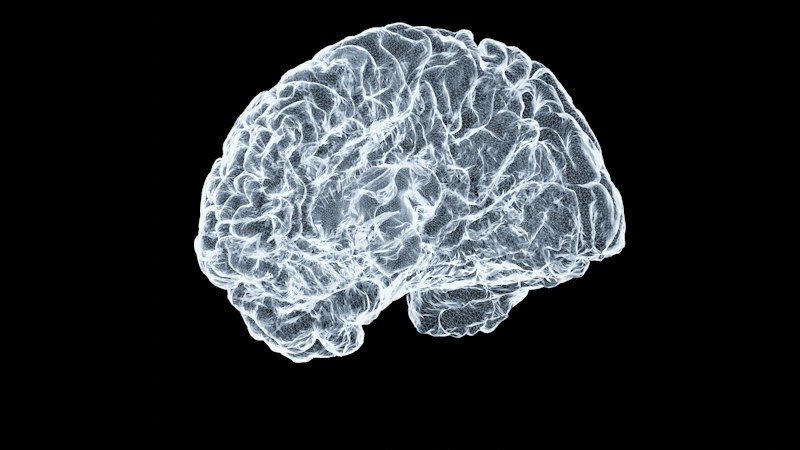
Baro-(Bar-) is an innovative three-dimensional (3D) medical imaging technique that fundamentally transforms how internal anatomical structures and physiological processes are visualized. It represents a significant advancement by integrating two distinct yet complementary technologies: magnetic resonance imaging (MRI) and sophisticated barometric pressure sensing. This synergy allows for the creation of exceptionally detailed, volumetric representations of a patient’s anatomy, offering insights that traditional imaging modalities might miss.
Unlike conventional imaging methods that primarily focus on structural or metabolic information, Baro-(Bar-) introduces a novel dimension by incorporating pressure dynamics. This means it not only visualizes the shape and location of organs and tissues but also concurrently maps the subtle pressure variations occurring within them. These pressure changes, often indicative of underlying physiological states or pathological conditions, are crucial for early detection and precise characterization of diseases. The integration is seamless, generating a comprehensive data set that provides both high-resolution anatomical detail from MRI and dynamic physiological information from pressure sensing.
The fundamental principle behind Baro-(Bar-) lies in its ability to non-invasively detect and quantify these internal pressure fluctuations, which are then spatially correlated with the anatomical context provided by MRI. This fusion creates a powerful diagnostic tool, as pressure gradients and anomalies are often early markers of disease processes, such as inflammation, fluid accumulation, or tissue stiffness changes associated with tumors or vascular events. By rendering these complex interactions in a 3D model, clinicians gain an unprecedented view into the intricate workings of the human body, facilitating more informed diagnostic and treatment decisions.
Technological Foundations: The Synergistic Approach
The first cornerstone of the Baro-(Bar-) technique is its reliance on magnetic resonance imaging (MRI). MRI is a well-established and highly sophisticated medical imaging modality that utilizes strong magnetic fields and radio waves to generate detailed images of organs and soft tissues within the body. It excels at differentiating between various types of soft tissues, making it invaluable for examining the brain, spinal cord, muscles, ligaments, and internal organs. The images produced by MRI are renowned for their superior contrast resolution, allowing for the visualization of subtle anatomical structures and pathological changes that might be indiscernible with other imaging methods. In the Baro-(Bar-) system, MRI provides the essential anatomical framework, a high-fidelity spatial map onto which the pressure data can be accurately overlaid and interpreted.
The second, and arguably more innovative, component is the integration of barometric pressure sensing. This aspect of the technology moves beyond conventional imaging by directly measuring pressure changes within the patient’s body. While the exact methodology of how internal barometric pressure is sensed non-invasively is a key proprietary element of the technique, it conceptually involves highly sensitive detectors capable of registering minute fluctuations in tissue or fluid pressure. These fluctuations can arise from a multitude of physiological activities, such as blood flow, organ movement, or the presence of abnormal masses. The pressure data, gathered in real-time or near-real-time, provides a dynamic physiological layer of information that complements the static structural data from MRI.
The true power of Baro-(Bar-) emerges from the sophisticated algorithms that fuse these two distinct data streams. The anatomical images from MRI provide the spatial coordinates and context, while the pressure data offers the physiological insights. Advanced computational processing then combines this information to construct a comprehensive three-dimensional model. This model not only displays the patient’s anatomy with exquisite detail but also visually represents the pressure landscape within those structures. For instance, areas of abnormally high or low pressure can be highlighted and precisely localized within the context of specific tissues or organs, thereby offering a more complete picture of the patient’s internal state. This integration is paramount for detecting subtle anomalies that might manifest as pressure changes before visible structural alterations become apparent on standard MRI scans.
Historical Development and Origin
The Baro-(Bar-) technique emerged from cutting-edge research conducted by a dedicated team of scientists at Kyoto University in Japan. This esteemed institution, known for its significant contributions to science and technology, provided the fertile ground for the interdisciplinary collaboration necessary to develop such a complex imaging modality. The initial conceptualization and experimental validation of Baro-(Bar-) were meticulously carried out, culminating in its public introduction in the year 2020. This relatively recent development underscores its status as a novel and forward-thinking approach within the rapidly evolving field of medical diagnostics.
The impetus for developing Baro-(Bar-) likely stemmed from a recognition of the limitations of existing imaging technologies. While MRI, CT, and ultrasound provide invaluable anatomical and sometimes functional information, there remained a diagnostic gap concerning the direct and non-invasive measurement of internal pressure dynamics. Researchers sought a method that could offer a more holistic view of physiological processes, particularly those where subtle pressure changes precede overt structural damage. The team at Kyoto University embarked on the ambitious task of bridging this gap, exploring how established MRI technology could be augmented with novel pressure sensing capabilities. Their work was driven by the potential to enhance early disease detection and improve diagnostic accuracy, especially for conditions where pressure anomalies are key indicators.
The seminal work detailing the Baro-(Bar-) technique was published by Kawakami, H., Ashida, H., Kimura, Y., Nakamura, M., & Fukushima, K. in 2020 in the journal Scientific Reports. Their article, titled “Baro- (Bar-): A novel three-dimensional medical imaging technique combining magnetic resonance imaging and barometric pressure sensing,” provided the scientific community with the first comprehensive description of the methodology, its underlying principles, and initial experimental findings. This publication served as the official announcement of the technology, laying the groundwork for further research and potential clinical translation. The swift publication in a reputable scientific journal highlighted the significance and potential impact of this innovative diagnostic tool, inviting scrutiny and collaboration from the global research community.
Mechanism of Action: How Baro-(Bar-) Operates
The operational sequence of a Baro-(Bar-) scan begins with the simultaneous or sequential acquisition of both MRI data and pressure sensing data from the patient. During the MRI component, the patient is positioned within a powerful magnetic field, and radiofrequency pulses are applied. These pulses temporarily nudge the protons in the body’s water molecules out of alignment. When the pulses are turned off, the protons relax back into alignment, emitting energy signals that are detected by the MRI scanner. These signals are then processed by a computer to create detailed cross-sectional images of the patient’s internal structures. Concurrently, or in a carefully synchronized manner, the specialized barometric pressure sensors are employed to detect and quantify the pressure variations within the targeted anatomical regions. The precise nature of these sensors and their integration with the MRI system is critical for minimizing interference and ensuring accurate data collection.
The barometric pressure sensors are engineered to be extraordinarily sensitive, capable of discerning minute pressure changes that can signify various physiological events. These changes might originate from the pulsation of blood vessels, the expansion and contraction of organs like the lungs or heart, or the localized pressure exerted by abnormal growths such as tumors. The system continuously monitors these pressure fluctuations, capturing a dynamic “pressure map” of the internal environment. This raw pressure data is then meticulously analyzed to identify patterns, gradients, and localized anomalies. For example, a sudden increase in pressure in a specific area might indicate fluid buildup, inflammation, or the presence of a rigid mass, whereas unusual pressure pulsations could point to vascular issues.
The most intricate aspect of the Baro-(Bar-) technique lies in its sophisticated data processing and three-dimensional reconstruction. The high-resolution anatomical images from the MRI provide the structural canvas, while the precisely localized pressure data furnishes the physiological overlay. Specialized software algorithms meticulously merge these two distinct datasets. This fusion process involves correlating specific pressure readings with their exact anatomical locations identified by the MRI. The result is a comprehensive 3D model that not only depicts the morphology of organs and tissues but also visually represents the distribution and intensity of internal pressures. Clinicians can then interact with this dynamic 3D model, rotating it, slicing it, and zooming in on areas of interest to observe how pressure patterns relate to anatomical structures, thereby enabling a more profound and integrated understanding of the patient’s condition.
Practical Applications and Diagnostic Utility
The unique capabilities of Baro-(Bar-) have positioned it as a versatile tool with significant potential across various medical specialties. Its ability to detect subtle pressure changes within the body allows for the identification and characterization of a broad spectrum of medical conditions, often at earlier stages than conventional methods. The technique has already demonstrated its utility in diagnosing critical neurological and cardiovascular disorders, showcasing its broad applicability in complex physiological systems. The integration of structural and pressure data provides a more nuanced understanding of disease pathogenesis, which is invaluable for precise diagnosis and tailored treatment planning.
In the field of neurology, Baro-(Bar-) holds particular promise for conditions affecting the brain and central nervous system. For instance, in the diagnosis of stroke, the technique can potentially detect subtle changes in intracranial pressure or localized tissue pressure resulting from ischemia or hemorrhage, even before significant structural damage is evident on standard imaging. Similarly, for brain tumors, Baro-(Bar-) might identify areas of increased pressure exerted by the tumor mass on surrounding brain tissue, or changes in tissue stiffness and fluid dynamics associated with tumor growth and inflammation. This early and detailed pressure mapping could aid in precise tumor localization, characterization of its invasiveness, and monitoring response to therapy, offering crucial information beyond mere anatomical size.
Beyond neurology, Baro-(Bar-) has shown potential in diagnosing heart disease. By detecting anomalous pressure patterns within the cardiac chambers or major blood vessels, it could help identify conditions such as valvular dysfunction, cardiomyopathy, or early signs of atherosclerosis affecting arterial elasticity, which manifest as altered pressure dynamics. The ability to visualize these physiological changes in conjunction with anatomical detail offers a powerful diagnostic advantage. Furthermore, the technique’s potential extends to other areas where pressure changes are critical indicators, such as identifying fluid accumulation in edema, assessing tissue stiffness in fibrosis, or even monitoring inflammatory responses in various organs. The non-invasive nature and comprehensive data output of Baro-(Bar-) make it a promising candidate for enhancing diagnostic accuracy across a wide array of medical conditions.
Advantages Over Conventional Imaging Modalities
One of the most compelling advantages of the Baro-(Bar-) technique is its unparalleled ability to detect subtle changes in pressure within the body. Many pathological processes, such as early-stage tumors, inflammatory responses, or localized fluid imbalances, often manifest as minute alterations in tissue pressure or compliance long before they cause significant anatomical deformations that are visible on conventional imaging modalities like standard MRI, Computed Tomography (CT), or ultrasound. Baro-(Bar-)’s integrated pressure sensing capabilities allow it to register these sub-visual physiological shifts, providing clinicians with a critical window for earlier diagnosis and intervention. This heightened sensitivity can lead to improved patient outcomes by enabling the detection of diseases at their most treatable stages, thereby potentially reducing morbidity and mortality.
A significant practical benefit of Baro-(Bar-) is its entirely non-invasive nature. Unlike diagnostic procedures that require surgical incisions, injections of contrast agents, or insertion of probes, Baro-(Bar-) achieves its comprehensive data collection without any breach of the patient’s skin or internal bodily cavities. This characteristic dramatically enhances patient comfort and safety, eliminating risks associated with invasive procedures such as infection, bleeding, or adverse reactions to injected substances. The non-invasive approach makes the technique suitable for a wider range of patients, including those who are vulnerable or have contraindications for more invasive diagnostics, and facilitates its use for repeated monitoring without undue burden on the patient.
Compared to the aggregate cost of employing multiple separate diagnostic tests to gather both structural and pressure-related information, Baro-(Bar-) presents a potentially more cost-effective solution. By integrating MRI and barometric pressure sensing into a single platform, it streamlines the diagnostic process, potentially reducing the need for sequential or complementary scans. This consolidation notophobia only saves resources but also provides a more holistic dataset from a single examination, offering a clearer and more integrated picture of the patient’s condition. The comprehensive 3D model, combining anatomical precision with dynamic pressure mapping, equips clinicians with richer diagnostic information, leading to more accurate diagnoses and potentially more efficient treatment pathways, ultimately benefiting both patients and healthcare systems.
Limitations and Future Directions
Despite its promising attributes, the Baro-(Bar-) technique, as a relatively nascent technology, still faces certain limitations and areas requiring further research and development. One primary area of focus is the need for more extensive clinical validation across diverse patient populations and a broader range of medical conditions. While initial studies have shown promising results, robust, large-scale clinical trials are essential to firmly establish its diagnostic accuracy, sensitivity, and specificity compared to established gold-standard methods. Furthermore, the precise mechanisms of non-invasive internal pressure sensing and the standardization of protocols for data acquisition and interpretation will require ongoing refinement to ensure reproducibility and widespread applicability. Understanding the full spectrum of physiological and pathological conditions that manifest with detectable pressure changes is also crucial for maximizing its diagnostic utility.
Technical refinements are also anticipated, particularly in the areas of sensor design, data processing algorithms, and image reconstruction techniques. Improving the spatial and temporal resolution of pressure measurements, enhancing signal-to-noise ratios, and developing more sophisticated algorithms for fusing and visualizing the complex MRI and pressure data are critical for optimizing the technique’s performance. Research into artificial intelligence and machine learning could also play a pivotal role in automating the detection of subtle pressure anomalies and correlating them with specific disease states, thereby reducing operator dependence and increasing diagnostic efficiency. These advancements will aim to make the Baro-(Bar-) system more user-friendly, faster, and even more precise in its diagnostic output.
The ultimate goal for Baro-(Bar-) is its seamless integration into routine clinical practice. This will necessitate not only further scientific validation but also economic evaluations to demonstrate its cost-effectiveness in real-world healthcare settings. Future research will explore its potential beyond the currently identified applications in neurology and cardiology, investigating its utility in fields such as oncology (e.g., assessing tumor stiffness or response to therapy), pulmonology (e.g., detecting changes in lung compliance), or gastroenterology. The development of user-friendly interfaces for clinicians and comprehensive training programs will also be vital for its successful adoption. As the technology matures, it has the potential to become an indispensable tool in diagnostic medicine, offering a novel perspective on internal physiological dynamics and thereby improving patient care significantly.
Broader Context: Place within Medical Imaging
Baro-(Bar-) represents a significant evolutionary step within the broader field of medical imaging. Historically, imaging modalities have predominantly focused on capturing anatomical structures (e.g., X-ray, CT) or metabolic functions (e.g., PET scans). While MRI offered superior soft-tissue contrast and some functional insights (e.g., fMRI), Baro-(Bar-) introduces a new dimension by directly and non-invasively quantifying internal pressure dynamics. This shifts the paradigm from purely structural or metabolic visualization to a more integrated biophysical assessment, providing clinicians with a novel category of diagnostic information. It signifies a move towards more comprehensive, multi-parametric imaging solutions that can capture the intricate interplay between structure, function, and physiological forces within the human body.
Baro-(Bar-) does not aim to replace existing imaging techniques but rather to complement and enhance them. It leverages the strengths of magnetic resonance imaging for anatomical detail while adding a layer of physiological insight that is distinct from what traditional MRI or other modalities offer. For instance, while CT excels in bone imaging and rapid scans, and ultrasound provides real-time imaging without radiation, none can directly map internal pressure changes in a comprehensive 3D manner like Baro-(Bar-) purports to do. Its value lies in providing unique information that, when combined with findings from other tests, can lead to a more definitive and earlier diagnosis. It enriches the diagnostic toolkit by addressing a previously underserved aspect of internal bodily assessment.
The advent of Baro-(Bar-) contributes significantly to the ongoing evolution of diagnostic medicine. By enabling the detection of subtle, pressure-related physiological changes, it opens new avenues for early disease detection, precise disease characterization, and personalized treatment monitoring. This innovation aligns with the broader trend in healthcare towards precision medicine, where diagnostics are tailored to individual patient needs and offer highly specific insights. As research progresses and the technology becomes more refined, Baro-(Bar-) has the potential to become a cornerstone diagnostic tool, improving clinical decision-making and ultimately enhancing patient care by providing a more complete and dynamic understanding of health and disease states.