Basal Forebrain: The Brain’s Hidden Command Center
Scientifically Reviewed · Dr. Marwa Abd-Alazim · October 22, 2026
Review Criteria & Clinical Standards
This content undergoes rigorous scientific peer-review and medical editorial standards at Arab Psychology Network to ensure clinical accuracy, validity, and compliance with evidence-based guidelines from leading psychological and healthcare authorities (APA / WHO).
The Core Definition and Anatomical Location
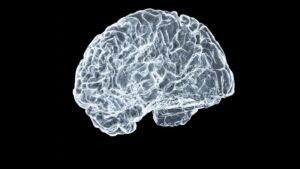
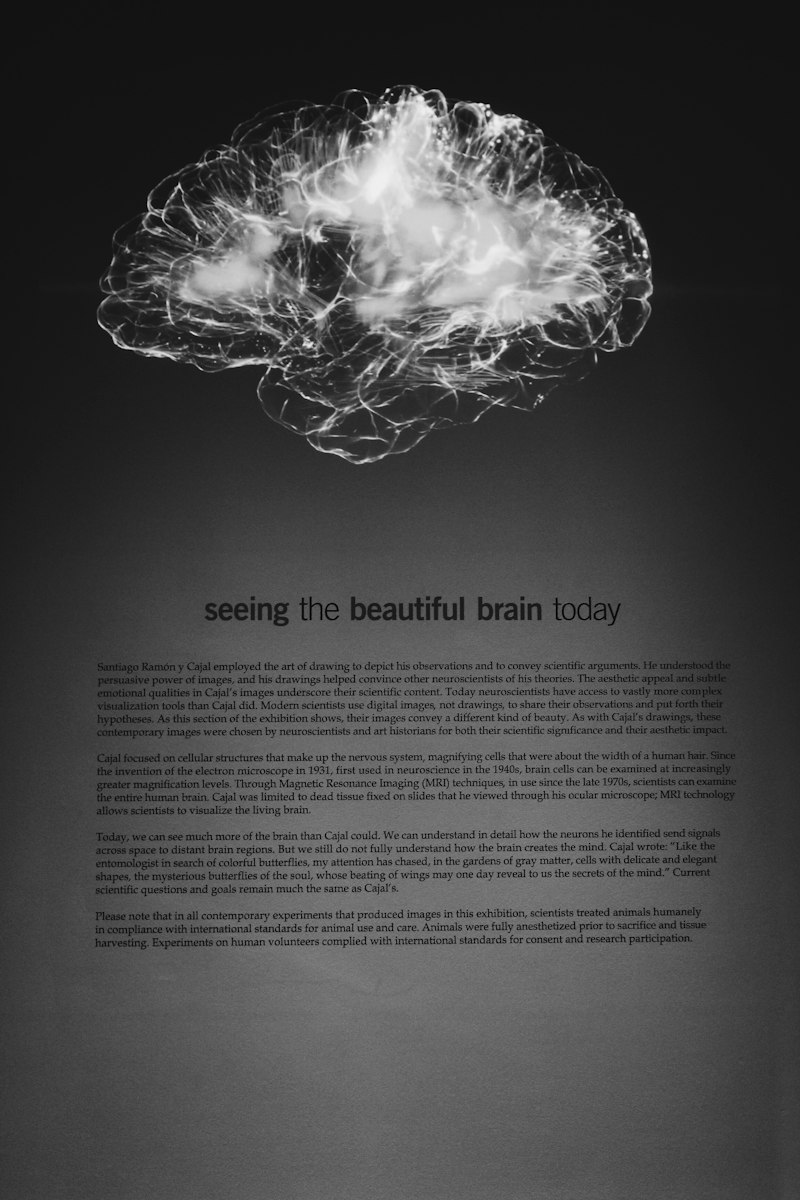
The basal forebrain (BF) is a critical collection of deep-lying structures located in the anterior part of the brain, situated ventral to the striatum and inferior to the frontal lobes. Structurally, it serves as a central hub, integrating information from various subcortical regions and projecting widely across the entire cerebral cortex and the hippocampus. This collection of nuclei is not a single, monolithic structure but rather a functional group comprising several distinct components, including the Nucleus Basalis of Meynert (NBM), the medial septal nucleus, and the diagonal band of Broca. These nuclei are fundamentally characterized by their production of the neurotransmitter acetylcholine, making the BF the primary source of cholinergic innervation for the vast expanse of the neocortex.
In its simplest definition, the basal forebrain is the area of the brain fundamentally responsible for modulating higher-order cognitive functions, particularly concerning arousal, sustained attention, learning, and the processes crucial for forming new memories. Its strategic location allows it to influence nearly all cortical activity, acting as a volume control or dimmer switch for brain activity based on current behavioral demands and motivational states. The integrity of the BF is therefore paramount for maintaining cognitive stability, allowing the brain to switch flexibly between focused concentration and broader awareness, essential elements for complex thought and environmental interaction.
Damage or dysfunction within the basal forebrain often leads to profound cognitive deficits, underscoring its indispensable role in maintaining normal cerebral function. The NBM, in particular, is noted for its extensive projections that fan out to the cerebral cortex, providing the necessary modulatory input that regulates cortical excitability. Without the constant, regulated output from the BF, the complex synchronized neural activity required for conscious processing and information retention cannot be sustained, resulting in fragmented thinking and impaired learning capabilities. This highlights the BF’s role not in processing the content of information, but in regulating the state in which that processing occurs.
Functional Significance: Memory, Learning, and Attention
The core functions attributed to the basal forebrain—memory, learning, and attention—are inextricably linked through its modulatory output. In the context of learning, the release of acetylcholine (ACh) by BF neurons is essential for synaptic plasticity, the biological mechanism underlying the formation of long-term memories. When a new stimulus is encountered or a new skill is being acquired, the BF increases its cholinergic output to targeted cortical and hippocampal areas, essentially priming these regions to be more receptive to change and better able to encode the novel information, thus strengthening the neural pathways necessary for retention.
Regarding attention, the basal forebrain plays a pivotal role in regulating sustained attention and vigilance. By projecting broadly to the frontal and parietal cortices, the BF helps to focus cognitive resources and filter out irrelevant sensory information, a necessary step for deep concentration. This mechanism involves the cholinergic system adjusting the excitability of cortical neurons, increasing the signal-to-noise ratio so that important inputs are highlighted while background noise is suppressed. This function is vital for tasks requiring continuous focus, such as reading complex material or following intricate instructions.
Furthermore, the interaction between the basal forebrain and the hippocampus is central to explicit memory formation. While the hippocampus is crucial for the initial encoding and consolidation of declarative memories (facts and events), the BF provides the necessary neuromodulatory drive. Research suggests that cholinergic input from the BF enhances the synchronization of hippocampal theta rhythms, a pattern of electrical activity strongly associated with active exploration and memory encoding. Consequently, any reduction in BF function directly compromises the ability of the hippocampus to perform its memory-related duties effectively, leading to pervasive memory impairment.
The Critical Role of the Cholinergic System
The defining characteristic of the basal forebrain is its status as the brain’s principal source of cholinergic input to the cortex. The primary output neurons of the BF are classified as cholinergic neurons, meaning they synthesize and release the neurotransmitter acetylcholine (ACh). ACh is an excitatory neurotransmitter that profoundly impacts neuronal communication. Within the BF, the medial septal nuclei and the diagonal band project predominantly to the hippocampus and limbic structures, regulating memory and emotional responses, while the Nucleus Basalis of Meynert focuses its widespread projections on the neocortex, regulating arousal and attention.
The action of acetylcholine released by the BF is modulatory rather than purely informational. Instead of transmitting specific pieces of data, it adjusts the state of the receiving neurons. At the synaptic level, ACh acts on muscarinic and nicotinic receptors, enhancing postsynaptic excitability and facilitating synaptic transmission. This chemical action is crucial for shifting the cortex from a resting state to an actively processing or aroused state, which is necessary for effective engagement with the environment. It is the steady, yet adaptable, supply of ACh from the BF that allows the cortex to maintain periods of intense, focused activity required for demanding cognitive tasks.
The maintenance of healthy cholinergic neuron populations within the basal forebrain is a key indicator of long-term cognitive health. These neurons are metabolically demanding and highly vulnerable to oxidative stress and neurotoxic insult. The relationship between the decline of BF cholinergic function and cognitive impairment is one of the most thoroughly studied areas in clinical neuroscience, forming the mechanistic basis for several current pharmacological treatments aimed at slowing neurodegenerative processes. These treatments often focus on increasing the availability of ACh in the synaptic cleft to compensate for the loss of the BF’s primary output.
Historical Discovery and Early Research
The anatomical components that constitute the basal forebrain were initially described during the late 19th and early 20th centuries through meticulous histological studies. Key figures, such as Theodor Meynert in the 1870s, identified specific cellular clusters in this region, most notably naming the Nucleus Basalis of Meynert (NBM). However, the functional significance of this area remained poorly understood for decades, viewed mostly as a diffuse collection of gray matter rather than a cohesive functional system.
The true importance of the BF began to emerge in the latter half of the 20th century, particularly with the advent of specific staining techniques that allowed researchers to map neurotransmitter systems. It was the discovery that these nuclei were rich in cholinergic neurons that provided the breakthrough. Researchers began tracing the extensive projections of these neurons, demonstrating that they provided a widespread, almost global innervation of the entire cerebral cortex. This finding elevated the BF from an obscure anatomical structure to a critical modulator of global brain function, fundamentally linking it to states of arousal and vigilance.
The most dramatic historical shift in the understanding of the basal forebrain occurred in the 1970s and 1980s when post-mortem studies established a definitive link between the degeneration of NBM neurons and the cognitive decline seen in patients suffering from Alzheimer’s disease. This discovery provided one of the first clear neurochemical hypotheses for a major psychiatric illness, suggesting that the loss of cholinergic input was a primary driver of memory loss and dementia. This research catalyzed a massive scientific effort to understand the cellular mechanisms of cholinergic neuron death and led directly to the development of the first generation of Alzheimer’s pharmaceuticals.
Clinical Relevance: Basal Forebrain Damage
Damage to the basal forebrain is highly consequential, manifesting primarily as severe deficits in memory and attention. The most well-known clinical correlate is its profound involvement in Alzheimer’s disease. In the early stages of this neurodegenerative disorder, there is often a significant and measurable loss of cholinergic neurons within the Nucleus Basalis of Meynert. This reduction in acetylcholine production is hypothesized to be a major contributing factor to the hallmark symptoms of Alzheimer’s, including progressive memory loss and disorientation, making the BF a central focus in the neuropathology of the disease.
Beyond Alzheimer’s disease, more acute or extensive damage to the basal forebrain, often resulting from stroke, trauma, or specific types of lesions (such as those caused by aneurysms of the anterior communicating artery), can lead to severe and immediate cognitive syndromes. One such syndrome involves profound amnesia, particularly anterograde amnesia, where the patient loses the ability to form new memories. This is due to the interruption of the critical cholinergic pathways traveling from the BF to the hippocampus and surrounding medial temporal lobe structures, preventing the effective encoding of novel information.
In cases of extensive damage, patients may also exhibit confabulation, a symptom characterized by the production of false or distorted memories without the conscious intention to deceive. While confabulation is often associated with Korsakoff’s syndrome (which affects broader diencephalic structures), damage specifically localized to the basal forebrain regions can impair the ability to monitor and verify the accuracy of memory retrieval, leading the individual to spontaneously generate plausible but incorrect accounts to fill memory gaps. This symptom highlights the BF’s critical role in the executive control aspects of memory retrieval and validation.
A Practical Scenario of BF Dysfunction
To illustrate the functioning of the basal forebrain, consider the scenario of a person attempting to learn a complex, multi-step task, such as assembling intricate furniture or mastering a new software program. This task demands high levels of sustained attention, selective filtering of distractions, and robust working memory to track the sequence of operations. When the basal forebrain is functioning optimally, it floods the prefrontal cortex with acetylcholine, thereby increasing the excitability of neurons involved in processing the task details. This cholinergic boost allows the individual to maintain focus despite environmental noise or internal thoughts, ensuring that the instructions are properly encoded and manipulated within working memory.
The “How-To” of the BF’s involvement proceeds in steps. First, the BF receives input signaling the motivational relevance of the task, prompting an increase in cholinergic output. Second, this increased acetylcholine modulates cortical circuits, narrowing the focus of attention and enhancing the brain’s ability to process the specific visual or verbal instructions required for assembly. Third, the BF ensures that the steps being learned are properly routed to the hippocampus for consolidation into long-term memory. If, however, the individual suffers from BF hypoactivity—perhaps due to early neurodegeneration or fatigue—the necessary cholinergic signal is weakened. The person would find their attention constantly wandering, struggling to follow sequential steps, and forgetting previous instructions almost immediately. The ability to learn the new task would be severely compromised because the neural circuits required for encoding are not adequately primed by the BF’s modulatory signal.
A simple, everyday example relates to driving in heavy traffic. An intact basal forebrain allows the driver to selectively attend to the critical signals (traffic lights, braking cars) while simultaneously filtering out extraneous information (radio noise, billboards). If the BF function is impaired, the driver would exhibit poor vigilance, failing to react quickly to changes in traffic flow and showing a generalized inability to sustain the high level of focus necessary for safe maneuvering, demonstrating a fundamental breakdown in the attentional control mechanisms orchestrated by the cholinergic system.
Diagnostic Methods and Modern Applications
Modern neuroscience utilizes advanced imaging techniques to assess the structural and functional integrity of the basal forebrain, especially in the context of early diagnosis of cognitive disorders. Specifically, high-resolution MRI scans (Magnetic Resonance Imaging) are now increasingly employed by scientists and clinicians to detect subtle changes, such as atrophy or loss of volume, in the specific nuclei of the BF, most notably the Nucleus Basalis of Meynert. Detecting this loss of function or volume can be a key diagnostic marker, as BF atrophy often precedes the more generalized cortical shrinkage seen later in the progression of neurodegenerative conditions like Alzheimer’s disease.
In addition to structural imaging, functional imaging techniques like Positron Emission Tomography (PET) scans can be used to visualize the density of cholinergic receptors or the metabolic activity of BF neurons. Lower metabolic activity in this region, coupled with clinical symptoms, strongly supports a diagnosis involving cholinergic dysfunction. These diagnostic capabilities are crucial because they offer the potential for intervention before widespread, irreversible cortical damage occurs, allowing for the timely implementation of therapeutic strategies.
The understanding of the BF’s critical role in acetylcholine production has directly translated into pharmacological applications. The current standard of care for mild to moderate Alzheimer’s disease involves the use of cholinesterase inhibitors (e.g., Donepezil, Rivastigmine). These drugs work by preventing the breakdown of acetylcholine in the synaptic cleft, thereby increasing the duration and efficacy of the limited ACh output remaining from the compromised BF neurons. While these medications do not cure the underlying pathology, they temporarily enhance the signaling capabilities of the remaining cholinergic system, providing symptomatic relief and slowing the rate of cognitive decline, underscoring the vital clinical significance of the basal forebrain structure.
Connections and Relations to Broader Psychological Theories
The basal forebrain belongs primarily to the subfields of Biological Psychology and Cognitive Neuroscience, serving as a foundational structure linking brain anatomy to complex mental processes. It is fundamentally related to the broader limbic system, particularly through its heavy projections to the hippocampus, amygdala, and cingulate cortex, thus playing an indirect but powerful role in regulating emotional memory and motivation. Its function as a global modulator of cortical state connects it strongly to theories of consciousness and arousal, positioning the BF as a key component of the ascending reticular activating system (ARAS).
The BF’s functional contribution is frequently discussed in relation to the **Papez Circuit**, the primary anatomical loop historically associated with emotion and memory. While the BF is not traditionally considered part of the core Papez circuit (which involves the hippocampus, mammillary bodies, and anterior thalamic nucleus), its cholinergic input is necessary for the optimal functioning of the hippocampal component of that circuit. Without the BF’s modulatory influence, the ability of the Papez circuit to consolidate and retrieve new episodic information is severely impaired, illustrating a crucial functional dependency.
Furthermore, the concept of the basal forebrain is central to contemporary theories of attention, particularly those focusing on **selective attention** and **top-down control**. The cholinergic system provides the necessary mechanism for allocating resources based on internal goals. For instance, when the prefrontal cortex determines that a particular sensory input is highly relevant, it sends signals to the BF, which then releases ACh to enhance the processing of that specific input in the relevant cortical areas. This dynamic interaction makes the basal forebrain a critical effector mechanism for executive functions originating in the frontal lobes, highlighting its importance in translating internal goals into focused cognitive action.