Intimate Partner Violence: Breaking the Cycle of Trauma
Scientifically Reviewed · Dr. Marwa Abd-Alazim · October 18, 2026
Review Criteria & Clinical Standards
This content undergoes rigorous scientific peer-review and medical editorial standards at Arab Psychology Network to ensure clinical accuracy, validity, and compliance with evidence-based guidelines from leading psychological and healthcare authorities (APA / WHO).
The Core Definition: Understanding Battered Women
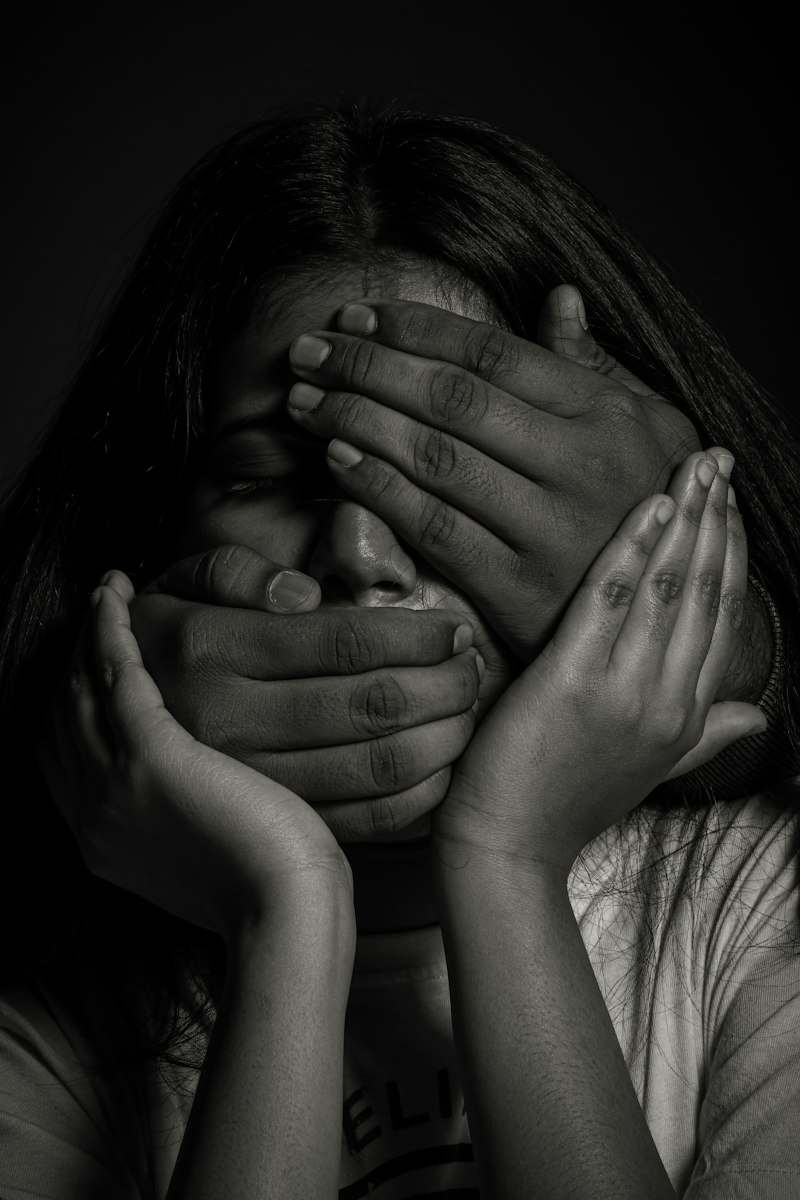
The term “battered women” refers broadly to women who have experienced repeated and systematic physical, sexual, or psychological violence at the hands of a current or former intimate partner or spouse. While the phrase is sometimes used synonymously with Intimate partner violence (IPV) when the victim is female, it specifically emphasizes the pattern of abuse and the resulting trauma experienced by the victim, distinguishing transient conflict from sustained victimization. This condition is recognized as a major public health issue globally, impacting mental and physical well-being across all socio-economic strata and cultures. The fundamental mechanism underlying this concept is the establishment of coercive control, where the perpetrator utilizes various forms of abuse to maintain power and dominance over the victim, thereby eroding her autonomy and self-esteem over time.
The core principle defining the experience of a battered woman is not merely the occurrence of isolated violent acts, but the sustained, chronic nature of the abuse, which often manifests as a recognizable pattern. This pattern includes cycles of tension building, explosive violence, and often, periods of temporary remorse or calm, known as the “Honeymoon Phase.” The cumulative effect of this cyclical abuse leads to profound psychological reorganization, frequently resulting in symptoms analogous to Post-Traumatic Stress Disorder (PTSD). This consistent exposure to terror and unpredictability profoundly influences the victim’s ability to leave the relationship, making the study of barriers to escape a crucial component of research into the phenomenon.
Historical and Conceptual Context
The systematic study and recognition of the plight of battered women gained significant traction in the 1970s and 1980s, largely driven by the feminist movement and pioneering research efforts. A central figure in the formal conceptualization of the trauma experienced by these victims was psychologist Lenore Walker, who introduced the influential concept of the “Battered Woman Syndrome” (BWS) in the late 1970s. BWS was developed primarily to provide a psychological framework for understanding why victims might remain in abusive relationships or, conversely, why they might resort to violence themselves in self-defense, particularly within the legal system.
Walker’s work was crucial in identifying the “Cycle of Violence,” which described the three recurring phases common to abusive relationships: the tension-building stage, the acute battering incident, and the stage of contrition or loving respite. This framework moved the discussion away from blaming the victim and toward recognizing domestic violence as a patterned, predictable form of control. Furthermore, her research drew heavily upon the psychological theory of learned helplessness, positing that repeated, inescapable abuse leads the victim to believe that they have no control over their situation, leading to passivity, even when opportunities for escape exist. This historical context transformed the legal and therapeutic approaches to intimate partner abuse, shifting it from a private matter to a serious societal concern requiring intervention.
Methodology of Prevalence Studies
Assessing the global prevalence of women who experience battering is a complex undertaking, necessitating rigorous research methodologies, typically involving large-scale surveys and systematic reviews of existing literature. The systematic review approach, as highlighted in studies assessing cross-cultural data, involves a comprehensive search of academic databases such as PubMed, ProQuest, and Cochrane Library. Researchers often employ specific, standardized search terms, including “battered women,” “intimate partner violence,” “spousal abuse,” and “wife abuse,” restricting analyses to studies that provide quantifiable data on prevalence rates within defined populations.
A significant methodological challenge in determining true prevalence rates is the issue of severe underreporting. Due to intense social stigma, fear of retaliation, and cultural acceptance of certain forms of violence, many women do not disclose their victimization. Therefore, prevalence estimates derived from official police or medical records are often significantly lower than those gathered through anonymous, population-based surveys. Furthermore, variations in definition—whether a study measures only physical violence, or includes sexual and emotional abuse—can dramatically skew comparative results across different regions, making standardization of measurement tools a critical component for accurate cross-cultural analysis.
Global Prevalence Findings: A Comparative Cultural Review
Systematic reviews that synthesize data on the global scope of intimate partner violence consistently demonstrate that the prevalence of women experiencing battering varies significantly across geographical regions and cultures, yet remains alarmingly high everywhere. The observed cross-cultural variations underscore the influence of socio-economic and legal structures on the manifestation and reporting of abuse. While some variation can be attributed to methodological differences in studies, substantial regional discrepancies highlight genuine differences in risk factors and societal acceptance of violence against women.
Specific findings illustrate this variation dramatically. In the United States, prevalence estimates for women who have experienced severe physical violence by an intimate partner range broadly, typically documented between 8% and 33.3%, depending on the criteria and timeframe used in the survey. Europe shows a similarly wide range, with estimates fluctuating from a low of 3.7% in some specific high-income nations to a high of 53.3% in certain Eastern European regions. The highest prevalence figures are often reported in regions facing significant challenges in gender equality and institutional stability: in Asia, recorded rates have spanned from 8.3% to a staggering 54%, while in Africa, the prevalence of battered women ranged from 8.4% to 56.3%. These high figures are often correlated with entrenched patriarchal norms, economic stress, and limited access to legal recourse for female victims.
Socio-Cultural Factors and Contributing Mechanisms
The significant variation in the global prevalence rates points toward powerful socio-cultural determinants that either mitigate or exacerbate the likelihood of domestic violence. One of the primary contributing factors is the degree of gender inequality embedded within a society’s legal, economic, and social systems. Cultures where women have limited economic independence, restricted access to education, and are legally subordinate to men often exhibit higher rates of violence, as the perpetrator faces fewer consequences and the victim possesses fewer resources to initiate separation or seek help.
Furthermore, cultural norms concerning male dominance and aggression play a vital role. In environments where concepts of “honor” or “family privacy” override individual safety, IPV is often viewed as a private family matter rather than a criminal offense, contributing to widespread impunity for abusers and discouraging victims from reporting. This intense social stigma ensures that the issue remains hidden, contributing to the cycles of abuse. Interventions must therefore be culturally sensitive, addressing not only the individual dynamics of abuse but also the broader institutional and normative structures that permit violence against women to persist.
Real-World Implications and Interventions
The study of battered women and Battered Woman Syndrome has immense significance, primarily transforming the legal and therapeutic response to domestic violence. Psychologically, it provides a crucial framework for clinical intervention, allowing therapists to understand the complex trauma, dissociation, and behavioral patterns (such as hypervigilance or emotional numbing) exhibited by survivors. Clinicians utilize trauma-focused therapies to help survivors process their experiences, regain a sense of self-efficacy, and develop safety planning skills, moving them away from the state of learned helplessness induced by chronic abuse.
In the legal sphere, understanding the dynamics of coercive control and the psychological impact of battering has been critical, particularly in cases where women are charged with crimes committed against their abusers. The BWS defense, though controversial and not universally accepted, aims to explain the defendant’s state of mind at the time of the offense, often arguing that the actions were taken in self-defense after years of terror and the perceived failure of the legal system to protect them. This application underscores the profound impact psychological understanding has had on ensuring that legal systems recognize the chronic nature of the abuse rather than focusing solely on the isolated incident of violence.
A practical example illustrates the insidious nature of psychological violence that often precedes or accompanies physical abuse. Consider a woman whose partner systematically isolates her from her friends and family, controls all financial resources, and constantly criticizes her intelligence and appearance. This coercive control, step-by-step, dismantles her support network and self-worth:
- The perpetrator begins by expressing extreme jealousy, framing it as “love” (Stage 1: Isolation).
- He subtly sabotages her work opportunities or educational pursuits, increasing her financial dependency (Stage 2: Economic Control).
- He uses constant verbal degradation, making her doubt her own reality and sanity (Stage 3: Gaslighting/Psychological Violence).
- When she attempts to leave, he threatens self-harm or violence against her loved ones, inducing terror (Stage 4: Escalation and Coercion).
This step-by-step erosion of agency demonstrates how the psychological component of battering is often the most potent factor keeping a victim trapped, illustrating why therapeutic interventions must prioritize restoring psychological independence and challenging the victim’s internalized sense of blame or failure.
Connections to Broader Psychological Theories
The study of battered women is fundamentally multidisciplinary, residing primarily at the intersection of Clinical Psychology, Social Psychology, and Forensic Psychology. Its core principles draw heavily upon established psychological theories of trauma and behavior. As noted earlier, the concept of Learned helplessness, pioneered by Martin Seligman, is crucial; it explains the victim’s perceived inability to escape a destructive environment after repeated attempts have failed, leading to passivity even when escape routes become available. This mechanism provides a robust theoretical explanation for behavior that outsiders often deem irrational.
Furthermore, the psychological sequelae of battering are closely linked to trauma disorders. The chronic and interpersonal nature of the abuse frequently results in complex trauma, which encompasses not only symptoms of Post-Traumatic Stress Disorder (PTSD)—such as flashbacks, hyperarousal, and avoidance—but also severe difficulties in emotional regulation, identity formation, and interpersonal relationships. The relationship between BWS and PTSD highlights the need for trauma-informed care in treating survivors. Finally, from a Social Psychology perspective, the field connects to research on power dynamics, gender roles, and the impact of societal norms on aggressive behavior, emphasizing that intimate partner violence is a systemic issue, not solely an individual failing.