Bioinformational Theory: How Mental Images Drive Action
Scientifically Reviewed · Dr. Marwa Abd-Alazim · September 6, 2026
Review Criteria & Clinical Standards
This content undergoes rigorous scientific peer-review and medical editorial standards at Arab Psychology Network to ensure clinical accuracy, validity, and compliance with evidence-based guidelines from leading psychological and healthcare authorities (APA / WHO).
Introduction to the Bioinformational Theory
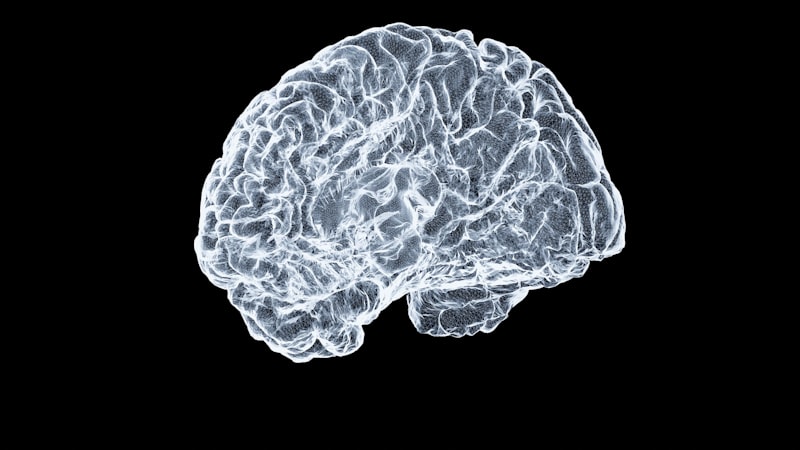
The Bioinformational Theory (BIT), first articulated by Dr. Peter Lang in the 1970s, represents a foundational framework within cognitive and sport psychology designed to explain the powerful relationship between mental imagery, emotional processing, and behavioral outcomes. Fundamentally, BIT posits that images are functional representations stored in long-term memory, behaving much like computer files that contain detailed information about a stimulus and the associated responses. This theoretical stance moves beyond simply describing imagery as “seeing things in the mind’s eye,” instead defining it as a structured propositional network. The primary utility of BIT lies in its capacity to explain precisely why the focus on making an image more vivid, realistic, and emotionally engaging is crucial for enhancing actual performance, particularly in domains requiring high degrees of skill execution and psychological resilience. Consequently, the theory provides systematic guidelines for practitioners seeking to harness the power of mental rehearsal for therapeutic or performance-related goals, establishing a sophisticated understanding of how internal mental states translate into external measurable actions.
Central to understanding the Bioinformational Theory is recognizing that mental images are not unitary constructs but rather complex, multi-modal memory structures. These structures are encoded through prior experience, integrating sensory, affective, and motor information into a cohesive whole. When an individual engages in mental imagery, they are effectively accessing and activating this highly sophisticated informational network. This activation process is critical because it allows the individual to mentally rehearse specific behaviors without the necessity of physical execution, thereby refining neural pathways and strengthening the association between the intended action and its successful outcome. The effectiveness of this mental rehearsal, according to BIT, is directly proportional to the completeness and accuracy of the informational components activated, emphasizing the necessity of high-fidelity mental simulation to achieve tangible, real-world improvements in skill mastery and psychological preparation.
The original insight driving Lang’s formulation of the Bioinformational Theory was the need for a mechanism to explain the differential effectiveness of various imagery techniques observed in clinical settings, particularly concerning fear and anxiety disorders. However, its principles proved highly transferable to the field of sport psychology, where mental rehearsal is a primary tool for skill acquisition and performance maintenance. The theory provides the necessary theoretical bridge connecting the subjective experience of imagining an action to the objective physiological and motor changes that result from that rehearsal. This integration of cognitive, physiological, and behavioral elements makes BIT a uniquely comprehensive model for understanding the role of internal representation in modulating external behavior, underscoring the necessity of structured and intentional imagery practice for maximizing human potential across competitive and therapeutic contexts.
Core Tenets and Conceptual Framework
The conceptual framework of the Bioinformational Theory is built upon the premise that a mental image is a structured list of descriptive propositions stored in memory, not a vague internal picture. These propositions are organized into two distinct yet interdependent categories: the stimulus propositions and the response propositions. This duality is the cornerstone of BIT, providing the architectural blueprint for how imagery functions as a rehearsal mechanism. Stimulus propositions describe the objective content of the scene being imagined—the specific environment, objects, and participants involved in the scenario. For instance, in imagining a successful golf swing, the stimulus propositions would include the feel of the club grip, the sight of the fairway, the sound of the wind, and the position of the ball. These elements define the context and the environmental inputs that initiate the action sequence, acting as the necessary triggers for the subsequent behavioral chain.
In contrast, response propositions detail the individual’s subjective experience and physiological reactions to the imagined stimulus. These are arguably the most critical components for performance enhancement, as they encompass the affective, somatic, and behavioral responses the individual would exhibit if the event were occurring in reality. Continuing the golf example, the response propositions would include the feeling of confidence, the relaxation of the muscles before the backswing, the speed and force applied during the downswing, and the feeling of satisfaction upon hearing the contact. BIT argues forcefully that for imagery to translate effectively into improved physical performance, the activation of these response propositions must be prioritized and rehearsed accurately. If an athlete only focuses on the visual environment (stimulus), they neglect the vital physiological and emotional preparation necessary for successful execution, resulting in less effective mental practice.
The fundamental mechanism proposed by BIT is that activating these propositional networks in the brain mimics the actual experience. When both stimulus and response propositions are vividly and realistically activated, the cognitive system essentially runs a simulation of the behavior, thereby strengthening the neural pathways responsible for coordinating the action. This simulation process explains why the level of vividness and realism is paramount: the more detailed and emotionally integrated the imagined scenario, the more closely it approximates the actual physical event, leading to more robust learning and improved skill transfer. Consequently, effective imagery training under the guidance of BIT involves meticulous scripting and iterative practice focused on ensuring that the internal mental experience fully captures the sensory, affective, and motor components required for optimal performance.
The Stimulus and Response Propositions
A deeper dive into the Stimulus and Response Propositions reveals the prescriptive nature of the Bioinformational Theory for imagery training protocols. Stimulus propositions serve as the foundation of the imagery script, providing the situational context necessary for the individual to become fully immersed in the mental scene. They define the ‘what’ and ‘where’ of the imagined event, ensuring that the rehearsal is context-specific. High-quality stimulus propositions include details across all sensory modalities—visual cues (colors, light, surroundings), auditory input (crowd noise, specific sounds), tactile sensations (texture, temperature), and even olfactory input (smells associated with the environment). The detailed encoding of these stimuli ensures that when the individual encounters similar real-world conditions, the associated memory network is easily accessed and activated, initiating the rehearsed sequence of actions and emotions.
However, the true explanatory power of BIT lies in the Response Propositions, which dictate the behavioral and psychological outcomes of the rehearsal. Unlike stimulus propositions which are passive descriptors of the environment, response propositions are highly active and focused on the individual’s internal state and motor output. These include physiological responses such as heart rate deceleration, muscle tension management, changes in breathing patterns, and emotional responses like determination, focus, or calm confidence. Crucially, the rehearsal of response propositions is hypothesized to prepare the autonomic nervous system and the motor cortex for the actual execution of the skill. When an athlete mentally rehearses feeling powerful and relaxed during a critical moment, they are strengthening the neural connections that link that specific context (stimulus) to the desired internal state (response), making the execution smoother and more automatic when the real situation arises.
The critical distinction mandated by the theory is that these propositions are stored in long-term memory and must be purposefully activated for the imagery to be effective. The process of modifying behavior through imagery requires explicit attention to the response propositions. For example, if a tennis player struggles with anxiety during match point, simply imagining the court (stimulus) is insufficient. The successful application of BIT demands that the player must actively rehearse the desired physiological response—perhaps deep, steady breathing and a feeling of grounded calmness—immediately following the stimulus activation. Therefore, the structure of the memory itself ensures that visualization and mental imagery function simultaneously as both a stimulus and a response system: the image acts as a mental stimulus that elicits a rehearsed internal response, which, upon activation, can then be modified and strengthened for future performance application.
Mechanisms of Imagery Modification
The Bioinformational Theory provides a clear mechanistic explanation for how behavioral change and skill refinement occur through mental practice. The theory explicitly states that visualization networks, once stored, must first be activated before they can be modified. This initial activation serves to bring the propositional network from long-term storage into working memory, making it malleable and accessible for deliberate alteration. If a stored image sequence contains maladaptive responses (e.g., imagining a missed shot leading to frustration), the process of modification involves replacing those undesirable response propositions with adaptive ones (e.g., imagining the missed shot leading to immediate, focused self-correction).
Modification, therefore, is not a simple deletion of old information but a process of strengthening new, desired response pathways. This is achieved through systematic and repeated rehearsal of the corrected script. For effective modification, the imagery must be highly specific, ensuring that the new response propositions are tightly coupled with the relevant stimulus propositions. For instance, if a skier consistently anticipates falling at a specific turn (a maladaptive response proposition), the modification process involves rehearsing the precise stimulus (the visual cue of approaching the turn) followed immediately by a strong, confident, and balanced physical feeling (the desired response proposition). The intensity and frequency of this rehearsal determine the speed and stability with which the new response network overrides the previous, less effective network.
This process highlights the dynamic nature of memory structures within the context of BIT. Mental imagery is not a static playback of past events; it is an active, constructive process that allows individuals to pre-program future behaviors and emotional states. The emphasis on intentional, vivid, and controlled modification distinguishes high-quality imagery training from casual daydreaming. Expert practitioners utilize techniques like “rehearsal looping” or “error correction imagery,” where the athlete intentionally runs the sequence, identifies the weak or negative response proposition, pauses, and then immediately runs the corrected sequence several times. This deliberate focus on the response component ensures that the neurological basis for the desired action is reinforced, ultimately leading to enhanced performance and greater psychological resilience under pressure.
BIT and Performance Enhancement
The most widespread practical application of the Bioinformational Theory is found in performance psychology, particularly in elite sport, where marginal gains can determine success. BIT explains the efficacy of mental rehearsal by demonstrating that the mental practice of a skill activates the same neural circuits used during physical execution, a phenomenon often referred to as functional equivalence. When an athlete uses imagery guided by BIT principles, focusing equally on the environmental cues (stimulus) and the desired physical and emotional reactions (response), they are essentially maximizing the transfer effect from mental practice to physical performance. The theory suggests that mental imagery contributes positively to performance enhancement precisely because it strengthens the entire action schema, from perception to motor output.
The practical implication for coaches and athletes is the necessity of structured imagery scripts that prioritize the inclusion and vividness of response propositions. Merely visualizing the outcome (e.g., the ball going into the net) is insufficient; the athlete must vividly feel the movements, the muscle activation, the breath control, and the emotional state associated with achieving that outcome. This detailed focus ensures that the motor command system is primed and prepared. For complex motor skills, BIT suggests that imagery helps in two primary ways: cognitive rehearsal, aiding in strategic planning and decision-making (largely stimulus-focused), and somatic rehearsal, refining the actual motor program (response-focused). Both must be integrated for maximal benefit.
Furthermore, BIT offers a framework for managing competitive anxiety and building self-efficacy. By repeatedly rehearsing successful outcomes paired with controlled, positive physiological responses (e.g., feeling calm under pressure), athletes systematically desensitize themselves to stressful stimuli and replace anxiety-inducing responses with adaptive coping mechanisms. This proactive mental preparation not only enhances technical execution but also stabilizes the psychological state necessary for peak performance. Consequently, the theory underscores that effective performance enhancement through imagery is not about wishful thinking, but about rigorous, systematic, and targeted activation and modification of the stored bioinformational network.
Neurophysiological Underpinnings of Imagery
While Lang’s original formulation was behavioral and cognitive, modern neuroscience strongly supports the core tenets of the Bioinformational Theory, providing empirical evidence for the functional equivalence between actual action and vividly imagined action. Studies utilizing techniques such as functional magnetic resonance imaging (fMRI) and electroencephalography (EEG) have consistently demonstrated that mental rehearsal activates many of the same brain regions involved in physical movement, including the premotor cortex, supplementary motor area, and the cerebellum. This neurological overlap validates the BIT assertion that imagery is a true simulation, effectively “running the code” for a behavior without engaging the final motor execution pathways (although slight activation of those pathways often occurs).
Specifically, the distinction between stimulus and response propositions finds neurophysiological analogs. The activation of stimulus propositions likely involves sensory processing areas of the cortex (e.g., visual cortex for visual information). In contrast, the activation of response propositions is highly correlated with activity in the motor planning and execution centers. When an individual focuses intensely on the feeling of their muscles contracting or the sensation of movement—the response propositions—there is a measurable increase in activity within the motor imagery network. This physiological preparation is what allows mental practice to improve muscle memory and coordination, serving as a neural workout that refines the motor program stored in memory.
The concept that stored information must be activated before modification is also consistent with principles of synaptic plasticity. Memory consolidation and modification occur most effectively when neural networks are actively engaged. By repeatedly and vividly activating the propositional network, the neural connections representing the desired behavior are strengthened through processes like long-term potentiation. If the imagery practice is incomplete, lacking the critical response components, the resultant neural activation is fragmented, explaining why casual or poorly structured imagery often fails to yield significant performance gains. BIT provides the cognitive structure necessary to guide this neuroplastic process efficiently, ensuring that the entire action-response sequence is fully and robustly encoded into the underlying neural architecture.
Applications Across Disciplines
Although the Bioinformational Theory gained initial traction in clinical settings (specifically in systematic desensitization for phobias) and later dominated sport psychology, its applicability extends broadly across various fields requiring skill acquisition, emotional regulation, and behavioral modification. In clinical psychology, BIT provides a strong theoretical basis for exposure therapies. By systematically exposing individuals to fear-inducing stimuli (stimulus propositions) while rehearsing controlled, anxiety-reducing responses (response propositions), therapists can help patients modify their deeply ingrained emotional reactions, demonstrating the theory’s power in altering pathological memory networks.
In rehabilitation and physical therapy, BIT principles are employed to accelerate motor recovery following injury or neurological damage. Patients who cannot physically perform a movement due to pain or immobilization can engage in vivid mental rehearsal of the movement, effectively keeping the motor pathways active and reducing motor skill degradation. This application relies heavily on the response propositions, where the patient focuses on the feeling of successful, pain-free movement, thereby strengthening the neural blueprint for recovery before physical activity is possible. This demonstrates the theory’s utility in contexts where physical practice is limited or impossible.
Furthermore, in professional training contexts, such as surgical simulation, military preparedness, or high-stakes business negotiations, BIT informs best practices for mental preparation. Professionals are trained to mentally simulate complex, high-pressure scenarios (detailed stimulus propositions) coupled with precise, adaptive, and calm execution strategies (critical response propositions). This deliberate, high-fidelity mental rehearsal reduces cognitive load during actual execution, allowing for more automatic and error-free performance. Across all these applications, the core message remains constant: intentional focus on the response component of the mental image is the necessary prerequisite for translating visualization into measurable behavioral improvement.
Critiques and Future Directions
Despite its enduring influence and empirical support, the Bioinformational Theory is subject to certain conceptual and practical critiques. One primary critique revolves around the difficulty in objectively measuring and quantifying the propositional content of an individual’s mental image. While the theory provides clear conceptual categories (stimulus vs. response), accessing and verifying the completeness and fidelity of these internal representations remains a challenge, often relying on self-report measures which are inherently subjective. This subjectivity complicates large-scale empirical testing of specific propositional modifications, prompting researchers to seek more objective measures, such as physiological indices (heart rate variability, skin conductance) to confirm the activation of response propositions.
Another area of discussion involves the limitations of the theory in explaining all forms of imagery use, particularly spontaneous or non-deliberate imagery. BIT is highly effective at guiding controlled, goal-oriented mental practice, but it offers less explanation for the role of unconscious or affective imagery processes that are not intentionally structured into stimulus and response scripts. Future theoretical development may need to integrate BIT with other cognitive models, such as dual-process theories, to account for the interaction between controlled (propositional) and automatic (non-propositional) forms of mental representation and action planning.
Looking forward, the integration of the Bioinformational Theory with advanced neuroimaging and virtual reality (VR) technologies represents a promising avenue. VR environments allow for unprecedented control over the stimulus propositions, creating highly realistic and reproducible training scenarios. By coupling these advanced stimuli with biofeedback mechanisms that measure physiological response propositions (e.g., muscle activity, heart rate), researchers can create more precise and effective imagery interventions. Ultimately, the robust structure provided by BIT—emphasizing that images are functional memory structures requiring activation and modification of both environmental context and subjective reaction—ensures its continued relevance as a principal guide for maximizing the efficacy of mental rehearsal techniques in psychology and human performance engineering.