Biological Aging: Unlocking the Secrets to a Longer Life
Scientifically Reviewed · Dr. Marwa Abd-Alazim · September 6, 2026
Review Criteria & Clinical Standards
This content undergoes rigorous scientific peer-review and medical editorial standards at Arab Psychology Network to ensure clinical accuracy, validity, and compliance with evidence-based guidelines from leading psychological and healthcare authorities (APA / WHO).
Introduction to the Biological Theory of Aging
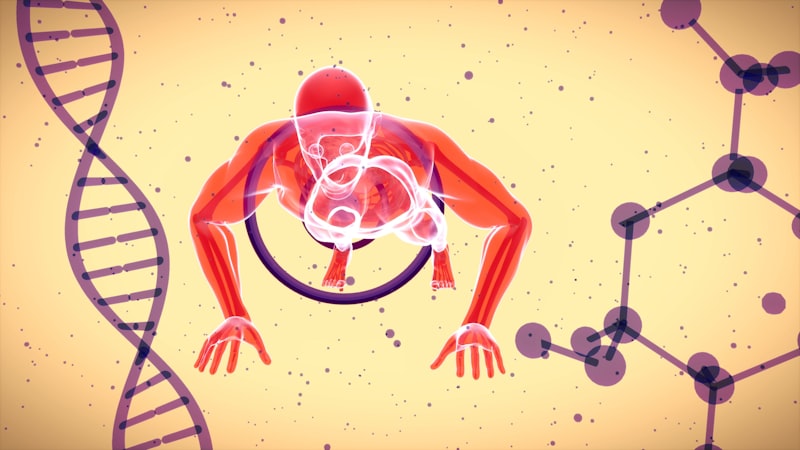
The Biological Theory of Aging encompasses a diverse collection of hypotheses designed to explain the universal and progressive decline in physiological function observed across species, ultimately leading to increased vulnerability to disease and mortality. Aging, or senescence, is not viewed as a singular process but rather as the cumulative result of various biological changes occurring at the molecular, cellular, and systemic levels. These theories generally fall into two broad categories: those suggesting aging is genetically predetermined and regulated (Programmed Theories) and those proposing that aging results from random environmental damage accumulated over time (Stochastic Theories). Understanding the interplay between these intrinsic and extrinsic factors is crucial for elucidating the mechanisms of longevity and age-related pathology.
Historically, the study of aging, or gerontology, moved beyond simple wear-and-tear concepts to explore sophisticated genetic and biochemical pathways. The core challenge addressed by these theories is identifying the primary drivers of functional decline, distinguishing between changes that are merely correlated with age and those that are causative. For instance, the original insight that aging involves the accumulation of waste products interfering with normal metabolism speaks directly to the consequences of cellular dysfunction, which is a common theme explored extensively within stochastic models. However, modern approaches recognize that even damage accumulation is often modulated by genetically encoded maintenance and repair mechanisms that decline with age, thus bridging the gap between programmed and stochastic explanations.
The complexity of human aging necessitates a multi-factorial approach, acknowledging that different tissues and organ systems may age through distinct, though interconnected, mechanisms. For example, the decline of the immune system might be primarily governed by programmed changes in T-cell production, while neurological decline might be more heavily influenced by cumulative oxidative stress and protein aggregation. Therefore, when discussing the Biological Theory of Aging, it is essential to consider this framework as a spectrum of probable theories that collectively attempt to explain the multifaceted nature of senescence, ranging from highly regulated biological clocks to catastrophic cellular failure resulting from random molecular damage.
Programmed Theories: Genetic Senescence and Biological Clocks
Programmed Theories of aging posit that senescence is an active, intentional part of the genetic blueprint, much like development and maturation. These theories suggest that aging is not merely the absence of maintenance, but rather a process governed by specific genes that regulate the timing and rate of decline. One prominent explanation is Genetic Senescence, which proposes that organisms are designed with an inherent biological clock that dictates maximum lifespan. This clock might manifest through specific gene expression profiles that change dramatically late in life, leading to a cascade of degenerative events. The evolutionary rationale for programmed aging often centers on the idea of disposable soma theory—that resources are preferentially allocated to reproduction and early survival rather than indefinite somatic maintenance, thus setting the stage for subsequent decay once reproductive fitness wanes.
A central pillar of programmed aging theory is the Telomere Shortening Theory. Telomeres are protective caps on the ends of chromosomes composed of repetitive DNA sequences. In most somatic cells, telomeres progressively shorten with each cell division due to the inability of DNA polymerase to fully replicate the chromosome ends. Once telomeres reach a critically short length, the cell enters a state known as replicative senescence, ceasing division and often releasing pro-inflammatory signals. The enzyme telomerase, which counteracts this shortening, is typically repressed in most adult somatic tissues but active in germline cells and cancer cells. The controlled loss of telomere length therefore acts as a mitotic clock, limiting the proliferative capacity of tissues necessary for repair and regeneration, thereby directly contributing to age-related functional decline, particularly in high-turnover tissues like the hematopoietic system and the skin.
Other programmed theories focus on systemic controls, suggesting that central regulatory systems dictate the pace of aging across the entire organism. The Neuroendocrine Theory, for instance, proposes that the hypothalamic-pituitary-adrenal (HPA) axis and other hormonal circuits lose synchronization over time, leading to detrimental changes in homeostasis. Similarly, the Immunological Theory of Aging, sometimes grouped under programmed concepts, suggests a genetically determined involution of the thymus gland and a resultant decline in T-cell function (immunosenescence). This programmed systemic decline compromises the body’s ability to defend against pathogens and self-antigens, contributing significantly to the increased incidence of infections, chronic inflammation, and autoimmune disorders observed in advanced age.
Stochastic Theories: Damage Accumulation and Error
In contrast to programmed models, Stochastic Theories—often referred to as Damage or Error Theories—emphasize that aging results from the cumulative effects of random assaults on biological molecules, cells, and tissues throughout life. These events are not genetically preordained in their timing or location but rather occur due to environmental factors, metabolic byproducts, and imperfect repair mechanisms. The core premise is that the gradual accumulation of molecular damage eventually surpasses the capacity of the cell to maintain homeostasis and function, leading to catastrophic failure at the organ level. This category includes some of the most widely studied explanations for aging, focusing on the relentless biological assault imposed by basic metabolic processes.
The Somatic Mutation Theory is a foundational stochastic concept, proposing that aging is a consequence of accumulating mutations in the DNA of somatic cells. While DNA repair mechanisms are highly efficient, they are not infallible. Errors introduced during replication or damage caused by environmental mutagens (e.g., radiation, chemicals) can lead to detrimental changes in gene function, potentially causing cells to malfunction, proliferate inappropriately (cancer), or undergo apoptosis. If critical genes responsible for tissue maintenance or repair are affected, the overall viability and regenerative capacity of the tissue decline. This focus on genetic integrity highlights the importance of maintaining accurate genomic information over the lifespan, suggesting that any factor compromising DNA fidelity accelerates the aging phenotype.
Another pivotal stochastic model is the Error Catastrophe Theory, which suggests that errors occurring during the synthesis of proteins and other macromolecules accumulate exponentially. If errors occur in the machinery responsible for synthesizing these components—such as ribosomes or enzymes involved in transcription and translation—the faulty machinery will produce more faulty components, leading to a cascading failure. While this theory, initially proposed by Orgel, faced challenges in empirical verification regarding exponential error rates in all systems, it remains conceptually relevant in explaining how subtle initial damage to maintenance systems can amplify into significant functional decline. The continuous generation of slightly impaired proteins ultimately contributes to cellular stress and reduced efficiency in crucial metabolic pathways.
The Free Radical Theory of Aging and Oxidative Stress
The Free Radical Theory of Aging, initially proposed by Denham Harman in the 1950s, is arguably the most influential of the stochastic theories. It posits that aging is largely driven by damage inflicted by highly reactive molecules known as free radicals, particularly reactive oxygen species (ROS). ROS are unavoidable byproducts of normal cellular metabolism, primarily generated during oxidative phosphorylation in the mitochondria. These molecules, which possess an unpaired electron, seek stability by reacting with and damaging essential cellular components, including DNA, proteins, and lipids (a process known as oxidative stress).
The damage caused by chronic oxidative stress is systemic and multifaceted. Lipid peroxidation damages cell membranes, altering fluidity and impairing receptor function. Protein oxidation leads to denaturation, aggregation, and loss of enzymatic activity, resulting in the accumulation of dysfunctional proteins. DNA damage, including single-strand and double-strand breaks, compromises genomic stability and transcriptional accuracy. While cells possess elaborate antioxidant defense systems (e.g., superoxide dismutase, catalase, glutathione peroxidase) and repair mechanisms, the sheer volume of free radical production over a lifetime eventually overwhelms these defenses. The resulting irreparable damage is a significant contributor to the functional decline observed in neurological disorders, cardiovascular disease, and general cellular senescence.
Recent refinements to the Free Radical Theory emphasize the critical role of the mitochondria—the primary site of ROS generation—in the aging process. The Mitochondrial Theory of Aging suggests that mitochondrial DNA (mtDNA) is particularly vulnerable to oxidative damage because it lacks protective histones and is situated close to the source of the radicals. Damage to mtDNA impairs the electron transport chain, leading to reduced ATP production, further increases in ROS generation (a vicious cycle), and ultimately, compromised cellular energy supply. This decline in mitochondrial function is strongly correlated with the age-related deterioration of high-energy-demand tissues, such as muscle (sarcopenia) and the brain.
Waste Product Accumulation and Cross-Linking Theories
The concept that aging results from an accumulation of waste products that interfere with normal metabolism is a core historical aspect of the Biological Theory of Aging and remains relevant today through modern molecular perspectives. Cells possess mechanisms, primarily the lysosomal and proteasomal systems, designed to degrade and recycle damaged or unnecessary molecules. However, with age, the efficiency of these degradation pathways declines, leading to the intracellular buildup of material that cannot be effectively cleared. This accumulation physically obstructs cellular processes and chemically alters the internal environment, contributing to overall cellular toxicity and dysfunction.
A prime example of accumulated waste is lipofuscin, often termed the “age pigment.” Lipofuscin is a complex aggregate of oxidized lipids and proteins that accumulates primarily within the lysosomes of post-mitotic cells, such as neurons and cardiac myocytes. While initially considered inert, large amounts of lipofuscin can impair lysosomal function, reducing the cell’s ability to clear other important debris and damaged organelles. This inability to maintain cellular cleanliness exacerbates oxidative stress and metabolic inefficiency. The observation that lipofuscin accumulation is directly correlated with chronological age in numerous tissues strongly supports the hypothesis that ineffective waste management is a hallmark of senescence.
Related to waste accumulation is the Cross-Linking Theory (or Glycation Theory). This theory focuses on the non-enzymatic reaction between reducing sugars (like glucose) and proteins, lipids, and nucleic acids, leading to the formation of irreversible molecular bonds called Advanced Glycation End products (AGEs). The formation of AGEs causes molecules to become stiff and resistant to degradation, effectively cross-linking them. For example, collagen in the skin and blood vessels becomes rigid, contributing to loss of skin elasticity and arterial stiffness (atherosclerosis). These cross-links accumulate over time, physically hindering molecular movement, disrupting enzyme function, and preventing the proper turnover of structural components, thus dramatically interfering with tissue function and metabolism, particularly in long-lived proteins.
The Role of Cellular Senescence and Epigenetic Drift
Cellular senescence, a state of irreversible growth arrest experienced by cells following telomere shortening or excessive stress (oncogene activation, oxidative damage), plays a complex dual role in aging. While originally viewed as a protective mechanism against cancer by halting the proliferation of potentially damaged cells, the accumulation of senescent cells in tissues is now recognized as a major driver of age-related pathology. Senescent cells remain metabolically active and acquire a distinctive secretory phenotype (the Senescence-Associated Secretory Phenotype, or SASP).
The SASP involves the release of a potent mixture of pro-inflammatory cytokines, chemokines, growth factors, and matrix metalloproteinases. This continuous release creates a chronic, low-grade inflammatory state—often termed inflammaging—in the local tissue environment. Inflammaging damages adjacent healthy cells, disrupts tissue architecture, and recruits immune cells, thereby accelerating functional decline and promoting age-related diseases like osteoarthritis, frailty, and neurodegeneration. Research focused on senolytics (drugs that selectively kill senescent cells) suggests that removing this accumulating cellular burden can significantly improve healthspan and delay the onset of multiple age-related conditions, confirming the profound negative impact of accumulated senescent cells.
Furthermore, aging is strongly associated with Epigenetic Drift—changes in DNA methylation patterns, histone modification, and chromatin structure that occur independently of changes in the underlying DNA sequence. These epigenetic alterations disrupt gene expression profiles, often leading to the silencing of genes necessary for repair and maintenance or the inappropriate activation of detrimental genes. The loss of precise epigenetic control means that cells gradually lose their specific identity and function, resulting in dysfunctional tissues. The observation that specific patterns of DNA methylation (epigenetic clocks) correlate more accurately with biological age than chronological age underscores the fundamental role of epigenetic regulation in controlling the pace of senescence.
Integrating Biological Theories: A Unified View of Aging
While the various biological theories—programmed versus stochastic—were historically treated as competing hypotheses, contemporary gerontology favors an integrated model where these mechanisms are deeply intertwined and interdependent. For example, programmed decline in telomerase activity (a programmed event) leads to telomere shortening, which triggers cellular senescence. The senescent cell then releases inflammatory SASP factors, which exacerbate oxidative stress and damage to neighboring cells (stochastic events). Thus, aging is best understood as a complex feedback loop rather than a linear process driven by a single factor.
The concept of Antagonistic Pleiotropy provides an evolutionary mechanism for linking these processes. This theory suggests that genes selected for their beneficial effects early in life (e.g., rapid growth, robust immune response) may have detrimental, aging-accelerating consequences later in life. For instance, high levels of signaling through the insulin/IGF-1 pathway promote growth and reproduction in youth but are associated with accelerated senescence and increased disease risk in old age, illustrating how genetic programming can inadvertently set the stage for later stochastic damage.
Ultimately, the Biological Theory of Aging is converging on the identification of several universal hallmarks of aging, which represent the common molecular and cellular defects driving senescence across species. These universally recognized hallmarks include:
- Genomic Instability: Accumulated DNA damage and mutations.
- Telomere Attrition: Progressive shortening of chromosome caps.
- Epigenetic Alterations: Changes in gene expression regulation.
- Loss of Proteostasis: Failure in protein maintenance and turnover.
- Mitochondrial Dysfunction: Compromised energy production and excessive ROS generation.
- Cellular Senescence: Accumulation of pro-inflammatory, non-dividing cells.
- Stem Cell Exhaustion: Reduced regenerative capacity of tissues.
- Deregulated Nutrient Sensing: Impaired metabolic signaling pathways.
Future Directions in Aging Research
Current research efforts are intensely focused on translating the theoretical understanding of aging into practical interventions, moving beyond merely treating age-related diseases to actively modulating the aging process itself. The identification of key regulatory pathways, particularly those involved in nutrient sensing (such as mTOR, AMPK, and sirtuins), has opened doors to pharmacological and dietary interventions, such as caloric restriction and the use of compounds like rapamycin and metformin, which mimic the effects of reduced nutrient intake and have shown promise in extending lifespan in model organisms.
Furthermore, the development of sophisticated tools for analyzing molecular damage and cellular status—such as high-resolution proteomics and single-cell sequencing—allows researchers to map the specific trajectory of senescence in different tissues with unprecedented accuracy. This detailed understanding will facilitate the development of personalized interventions tailored to an individual’s specific aging phenotype, addressing their unique accumulation of damage, whether it be excessive oxidative stress, high senescent cell burden, or pronounced epigenetic instability.
In summary, the biological explanations for aging have evolved from simple observations of wear and tear to complex models involving tightly regulated genetic programs intersecting with cumulative environmental insults. The future of the Biological Theory of Aging lies in integrating these molecular details into a comprehensive systems biology framework, allowing for precise control over the hallmarks of senescence and ultimately fulfilling the goal of extending healthspan and reducing the burden of age-related disability.