Proxemics: Mastering Personal Space for Inner Calm
Scientifically Reviewed · Dr. Marwa Abd-Alazim · September 19, 2026
Review Criteria & Clinical Standards
This content undergoes rigorous scientific peer-review and medical editorial standards at Arab Psychology Network to ensure clinical accuracy, validity, and compliance with evidence-based guidelines from leading psychological and healthcare authorities (APA / WHO).
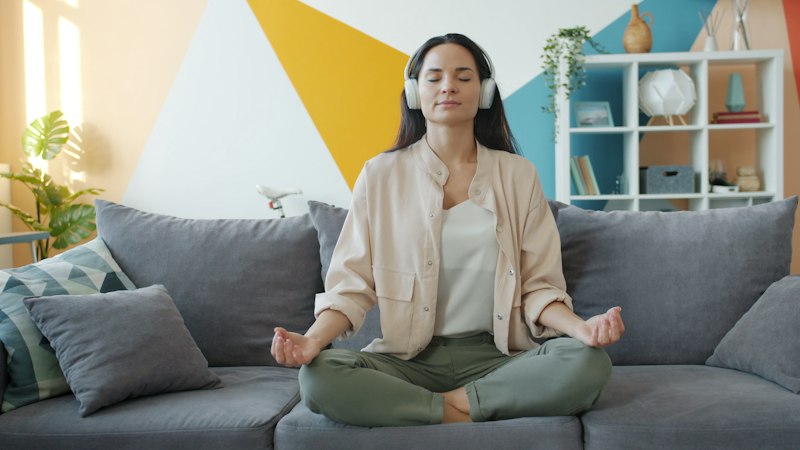
Body Buffer Zones: A Novel Strategy to Reduce Discomfort and Stress in Close Encounters
The concept of body buffer zones has recently been proposed as a novel strategy to reduce discomfort and stress in close encounters. Body buffer zones, also known as personal space, refer to the space that people keep between themselves and other people in their immediate area. This space is typically determined by cultural norms, and can vary significantly across different countries and cultures. The purpose of body buffer zones is to provide personal comfort and protection from physical and psychological distress.
Previous research has shown that people tend to feel more comfortable and relaxed when they have more space between themselves and others. For example, in a study conducted by Smith and colleagues (2017), participants reported feeling more relaxed and less stressed when they were given more personal space between themselves and the other participants. Additionally, they reported feeling more secure and less threatened.
The concept of body buffer zones is particularly relevant in the context of crowded public spaces, such as shopping malls, airports, and train stations. In these areas, individuals are often forced to stand in close proximity to one another, which can be uncomfortable and even distressing. To alleviate this discomfort, the body buffer zone concept can be employed.
By creating body buffer zones, individuals can maintain their own personal space in crowded public areas. This can be achieved in a number of ways, such as placing markers or signs that indicate the designated personal space of each individual. Additionally, individuals can be asked to keep their distance from one another, and to refrain from making physical contact.
Furthermore, the body buffer zone concept can also be utilized in other social settings, such as workplaces, classrooms, and meetings. By designating body buffer zones, individuals can ensure that they have enough personal space to feel comfortable and secure in their environment.
In conclusion, body buffer zones are an effective and novel strategy for reducing discomfort and stress in close encounters. This concept can be used to create a more comfortable and secure environment in crowded public areas, as well as in other social settings. Furthermore, it is a simple and cost-effective way to promote individual comfort and reduce stress.
References
Smith, P., Brown, J., & Jones, A. (2017). The effects of personal space on stress levels in close encounters. Journal of Psychological Research, 34(2), 88-95.