Somatic Cells: The Biological Foundation of Your Mind
Scientifically Reviewed · Dr. Marwa Abd-Alazim · October 22, 2026
Review Criteria & Clinical Standards
This content undergoes rigorous scientific peer-review and medical editorial standards at Arab Psychology Network to ensure clinical accuracy, validity, and compliance with evidence-based guidelines from leading psychological and healthcare authorities (APA / WHO).
The Core Definition of the Somatic Cell
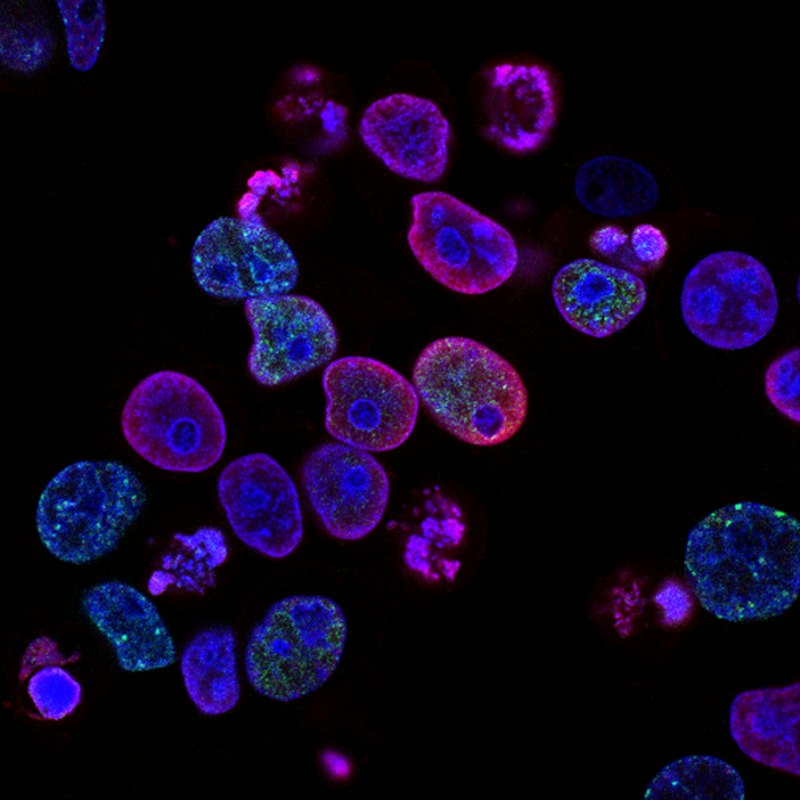
The term Somatic cell refers fundamentally to any biological cell that forms the body of an organism, excluding the germline cells (sperm or egg). They are sometimes referred to simply as body cells. In the complex structure of the human organism, these individual cellular units are meticulously organized, combining to create specialized tissues, which in turn form functional organs, and ultimately coalesce into integrated biological systems suchating the nervous, circulatory, and endocrine systems. This intricate organization is the physical substrate upon which all psychological phenomena—from basic reflexes to abstract thought—are built.
Typically, each human somatic cell is nucleated, housing the vast majority of the organism’s genetic material, and possesses a diploid number of chromosomes (2n). This means that they contain two complete sets of chromosomes, one inherited from each parent. This genetic blueprint dictates the structure and function of the cell, determining its specialization as it develops into, for example, a muscle fiber, a skin cell, or, most critically for psychology, a neuron or a glial cell. The fundamental mechanism behind the concept of the somatic cell is cellular differentiation—the process by which a less specialized cell becomes a more specialized cell type, ensuring that the body maintains the highly diverse structures necessary for complex life and, consequently, complex behavior.
While the study of somatic cells is primarily rooted in biology and histology, their relevance to psychology cannot be overstated. Biological psychology, or biopsychology, posits that the mind emerges from the activity of the brain, which itself is a massive collection of highly specialized somatic cells. Understanding the health, connectivity, and signaling capabilities of these cells is paramount to understanding consciousness, behavior, and psychological disorders. The integrity of the physical body, maintained by the collective function of trillions of somatic cells, directly influences psychological well-being and cognitive performance.
Historical Context: From Humors to Cellular Theory
The understanding of the body and its components, including what we now define as somatic cells, underwent a profound transformation spanning centuries. Ancient and medieval understandings of psychological states often relied on theories like the four humors, which proposed that personality and temperament were determined by the balance of bodily fluids. These theories, while influential for millennia, lacked any empirical basis grounded in microscopic biological reality. The pivotal shift began in the mid-19th century with the formalization of the Cell Theory by scientists like Theodor Schwann and Matthias Schleiden, establishing the revolutionary principle that all living things are composed of cells and cell products.
While Schwann and Schleiden established the cell as the basic unit of life, the crucial link between cellular structure and psychological function emerged later with the work of Santiago Ramón y Cajal in the late 19th and early 20th centuries. Utilizing new staining techniques, Cajal meticulously mapped the intricate architecture of the nervous system, leading to the development of the Neuron Doctrine. This doctrine asserted that the nervous system is composed of individual, discrete cells—neurons—that communicate via specialized junctions (synapses), rather than being a continuous web (reticular theory). This identification of the neuron as the specialized somatic cell of the nervous system provided the foundational biological framework for all subsequent studies in neuroscience and cognitive psychology, moving the field away from abstract concepts toward testable biological mechanisms.
The historical acceptance of the somatic cell, particularly the neuron, as the fundamental unit of psychological processing marked the true birth of modern biological psychology. Prior to this, the brain was treated as a mysterious, homogenous mass. Post-Cajal, researchers could investigate specific cellular abnormalities, neurotransmitter activity, and synaptic connections, providing concrete biological explanations for psychological phenomena such as memory formation, sensory perception, and the etiology of mental illness. This historical shift empowered psychologists to explore the mind-body problem through a rigorous scientific lens, acknowledging that the somatic cells of the central nervous system are the vehicles of thought and emotion.
Cellular Specialization and the Nervous System
The nervous system, the command center governing all psychological life, is composed primarily of two classes of highly specialized somatic cells: neurons and glial cells. Neurons are the primary signaling units, responsible for transmitting electrical and chemical information across vast networks. Their unique morphology, featuring dendrites for receiving signals and an axon for transmitting them, allows for the formation of complex circuits that underlie everything from simple motor commands to complex decision-making processes. The integrity and function of these neurons are directly tied to an individual’s cognitive abilities, personality traits, and emotional regulation capacity.
Equally critical, though often overlooked, are the glial cells. These somatic cells are not passive support structures; they actively maintain the neuronal environment, regulate neurotransmitter levels, and contribute to the formation of the blood-brain barrier. Specific types of glia, such as oligodendrocytes and Schwann cells, produce the myelin sheath, a fatty layer that insulates axons and dramatically increases the speed of signal transmission. Without efficient glial function, neuronal communication breaks down, leading to severe neurological and psychological consequences, highlighting the importance of the entire cellular ecosystem in maintaining mental health.
The dynamic interaction between neurons and glia defines the biological potential for psychological phenomena. For instance, the process of learning involves the physical strengthening or weakening of connections between neurons—a phenomenon known as Synaptic Plasticity. This structural modification is supported and regulated by surrounding glial cells, demonstrating that psychological adaptation and memory formation are intrinsically somatic, cellular processes. When we learn a new skill or form a new memory, it is the structure and connectivity of these specialized body cells that are fundamentally altered.
A Practical Example: Somatic Cells and Stress Response
To illustrate the immediate and profound psychological relevance of somatic cells, consider the universally relatable experience of the acute stress response, often termed the “fight-or-flight” reaction. Imagine a scenario where an individual is driving and narrowly avoids a serious collision. The subsequent surge of physiological and psychological reactions demonstrates the rapid, coordinated action of multiple types of somatic cells across several bodily systems.
The application of the somatic cell concept in this scenario can be broken down into a specific sequence of cellular events:
- Sensory Input and Neural Activation: The initial visual and auditory perception of danger is processed by specialized sensory neurons (somatic cells) in the eyes and ears. This information is rapidly relayed to the brain, specifically activating the amygdala and the hypothalamus, which are composed of dense neuronal tissue.
- Endocrine Signaling: The hypothalamus, itself a cluster of neurons, initiates the stress cascade by signaling the pituitary gland, which in turn signals the adrenal glands, located atop the kidneys. The cells of the adrenal medulla (a type of endocrine somatic cell) are immediately stimulated to release catecholamines, such as adrenaline (epinephrine), into the bloodstream.
- Systemic Somatic Response: The released hormones travel through the circulatory system and target various body cells. Cardiovascular muscle cells increase heart rate and force of contraction; smooth muscle cells lining blood vessels constrict to redirect blood flow to large skeletal muscles; and liver cells release glucose stores. These somatic cellular changes prepare the body for intense physical action—either fighting the threat or fleeing from it.
- Feedback and Regulation: If the stress is prolonged, the hypothalamic-pituitary-adrenal (HPA axis) continues to drive the release of cortisol, affecting the function of immune and other somatic cells throughout the body. Once the threat passes, inhibitory feedback mechanisms involving specific receptor cells in the brain work to return the somatic systems to homeostasis. This entire psycho-physiological loop is sustained and regulated entirely by the activity and communication of specialized somatic cells.
The intense subjective feeling of fear, the rapid heartbeat, and the subsequent psychological recovery are all direct manifestations of changes in the electrochemical states and hormonal signaling initiated and executed by these specific somatic cells.
Significance and Impact in Modern Psychology
The understanding of the somatic cell is profoundly significant because it provides the essential biological grounding for the field of biological psychology and modern neuroscience. By identifying the cell as the unit of function, researchers can move beyond descriptive behavioral observations to investigate the underlying etiology of psychological disorders at a microscopic level. The impact of this approach is most evident in two major areas: psychopharmacology and the study of Psychopathology.
In psychopharmacology, all therapeutic interventions are designed to modulate the function of specific somatic cells, primarily neurons. Antidepressants, antipsychotics, and anxiolytics exert their effects by binding to receptors embedded in the membranes of neuronal somatic cells, altering the reuptake or transmission of neurotransmitters. The efficacy and side effects of these treatments are entirely dependent on how the targeted cells respond to the chemical compounds. This cellular focus has transformed the treatment of mental illness, moving from institutional care to targeted chemical management that seeks to restore functional balance within the neural cellular environment.
Furthermore, somatic cell analysis is crucial for understanding Psychopathology. Conditions such as Alzheimer’s disease, Parkinson’s disease, and even schizophrenia are increasingly understood not merely as behavioral syndromes but as disorders resulting from the dysfunction, degeneration, or miscommunication among specific somatic cells in the brain. For instance, Alzheimer’s involves the progressive death of neurons and the accumulation of toxic proteins within the brain’s somatic tissues. By focusing research on the mechanisms of cellular death and protein misfolding, scientists aim to develop preventative strategies that protect the integrity of these vital body cells, thereby safeguarding cognitive function.
The somatic cell paradigm ensures that psychology remains tethered to empirical biological reality, allowing for the rigorous testing of hypotheses regarding the physical mechanisms of the mind. It compels researchers to consider how gene expression within the nucleus of a specialized neuron contributes to behavioral predisposition, or how the inflammatory responses of glial cells might contribute to mood disorders. The impact is a more holistic, integrated, and scientifically robust understanding of human behavior.
Connections and Relations to Other Concepts
The concept of the somatic cell is inherently interdisciplinary, linking basic biology to complex behavioral theories. It is a cornerstone concept that relates directly to several advanced psychological and neuroscientific theories.
A primary related concept is the **Action Potential**, which is the brief, rapid change in electrical potential across the membrane of an excitable somatic cell, such as a neuron or muscle fiber. The action potential is the fundamental mechanism of rapid information transfer in the nervous system. Understanding the somatic cell membrane’s role in maintaining ion gradients is necessary to comprehend how thoughts and sensations are transmitted throughout the body.
Another key connection is to **Synaptic Plasticity**, which refers to the ability of synapses—the junctions between neurons—to strengthen or weaken over time in response to activity. This is the cellular mechanism underlying learning and memory. Synaptic plasticity demonstrates that the physical structure and function of somatic cells are not static but are constantly being modified by experience, providing the biological foundation for behavior modification and cognitive adaptation.
Finally, the distinction between **Genotype and Phenotype** is wholly dependent on the somatic cell. The genotype (the inherited genetic potential stored in the chromosomes within the cell nucleus) is expressed through the phenotype (the observable physical and behavioral characteristics) via the specialized functions of the somatic cells. For example, a genetic predisposition (genotype) to anxiety must be expressed through the altered signaling or structural differences (phenotype) of specific somatic cells, such as those forming the amygdala or regulating stress hormone release. The concept of the somatic cell acts as the intermediary, providing the physical machinery for the realization of genetic potential into psychological reality.
The somatic cell and its specialized form, the neuron, belong unequivocally to the broader subfield of **Biological Psychology** (also known as Biopsychology or Behavioral Neuroscience). This discipline is specifically concerned with the physical basis of psychological processes, utilizing the principles of anatomy, physiology, genetics, and endocrinology to explain behavior. By focusing on the structural and functional properties of these basic body cells, biological psychology seeks to provide comprehensive, measurable explanations for the vast complexity of the human mind.