Bodybuilding Psychology: Sculpting Your Mental Strength
Scientifically Reviewed · Dr. Marwa Abd-Alazim · September 17, 2026
Review Criteria & Clinical Standards
This content undergoes rigorous scientific peer-review and medical editorial standards at Arab Psychology Network to ensure clinical accuracy, validity, and compliance with evidence-based guidelines from leading psychological and healthcare authorities (APA / WHO).
1. Introduction to Bodybuilding
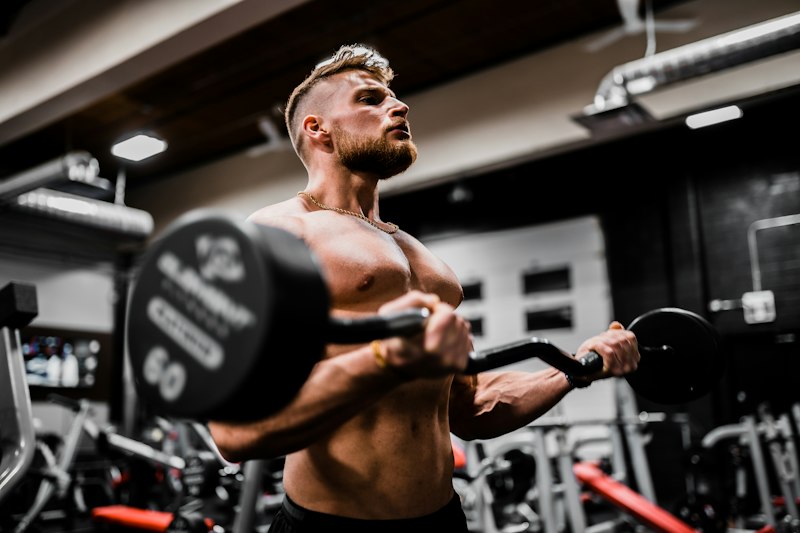
Bodybuilding is fundamentally defined as the disciplined practice of intentionally developing and refining the muscular structure of the human body through a synthesis of specialized resistance exercise, meticulous nutritional intake, and adequate rest. While often associated with competitive endeavors, the core intent of bodybuilding, for the vast majority of participants, is to significantly improve overall physique, enhance functional strength, and optimize general health and well-being. This pursuit moves beyond mere physical activity, evolving into a comprehensive lifestyle strategy utilized by a diverse population, ranging from professional athletes seeking peak performance aesthetics to general fitness enthusiasts focused on longevity and improved body composition.
The historical roots of bodybuilding can be traced back to antiquity, but the modern iteration gained prominence in the late 19th and early 20th centuries, championed by figures like Eugen Sandow. Today, it stands as a global phenomenon, recognized both as a distinct sport requiring extraordinary dedication and as one of the most effective methodologies for achieving significant physiological adaptation. Crucially, the principles underlying bodybuilding—progressive overload, specific periodization, and precise dietary management—are universally applicable and form the foundational elements of nearly all successful strength and conditioning programs. Understanding bodybuilding requires acknowledging its duality: it is both a highly aesthetic pursuit focused on muscular symmetry and definition, and a highly scientific approach centered on physiological adaptation and metabolic regulation.
The commitment required in bodybuilding necessitates a profound understanding of biological processes, including muscle hypertrophy mechanisms, energy substrate utilization, and hormonal responses to stress. Unlike sports focused purely on endurance or skill acquisition, bodybuilding places paramount importance on the observable modification of somatic architecture. This intense focus on physical transformation, however, yields benefits far exceeding the purely visual. It serves as a powerful medium for personal growth, discipline cultivation, and psychological resilience, factors that contribute significantly to the participant’s overall quality of life and mental fortitude. Therefore, bodybuilding must be analyzed not just as a physical activity, but as an integrated system for self-mastery.
2. Core Principles and Practices
Effective bodybuilding is governed by several immutable physiological principles, chief among them being progressive overload. This principle mandates that in order for muscle tissue to adapt and grow (hypertrophy), it must be continually subjected to stress greater than that to which it is accustomed. In practical terms, this means consistently increasing the resistance (weight), the volume (sets and repetitions), the frequency of training, or the density (less rest time) over time. Without systematic application of progressive overload, the body reaches a state of homeostasis, and muscular development plateaus. Implementing overload requires careful tracking and periodization—structuring training cycles to vary intensity and volume—to maximize adaptation while minimizing the risk of overtraining or injury.
Equally critical is the concept of training specificity, often encapsulated by the acronym SAID (Specific Adaptation to Imposed Demands). Bodybuilding training must be tailored precisely to elicit the desired outcome, which is typically muscle hypertrophy and definition, rather than maximal strength (powerlifting) or endurance. This often translates into using moderate to high repetition ranges (6–15 repetitions per set), focusing on time under tension, and ensuring a deep mind-muscle connection to maximize fiber recruitment. The selection of exercises is also crucial, prioritizing compound movements (squats, deadlifts, bench press) for systemic stimulus, complemented by isolation exercises to sculpt specific muscle groups and address lagging areas, ensuring symmetry and proportionality.
However, the pursuit of physique modification is only half-completed in the gym; the other half is executed through rigorous nutritional management. Bodybuilding nutrition is characterized by precision in macronutrient distribution and caloric intake, meticulously adjusted based on training phase (bulking for mass gain or cutting for fat loss and definition). The consumption of sufficient protein is non-negotiable, serving as the essential building block for muscle repair and synthesis. Furthermore, the strategic use of carbohydrates for energy and healthy fats for hormonal balance and overall health are monitored with high vigilance. This dietary discipline is what transforms the micro-tears created during resistance training into tangible muscular growth, illustrating the symbiotic relationship between exercise and diet in this practice.
3. The Spectrum of Physical Benefits
The physiological adaptations stimulated by consistent bodybuilding practices are extensive and foundational to long-term health. The most immediate and apparent benefit is the significant improvement in musculoskeletal strength, power, and localized muscular endurance, which enhances functional capacity in daily life and improves athletic performance across various disciplines. Strength training, a central component of bodybuilding, has been scientifically proven to increase muscle fiber size (hypertrophy), leading to greater force production capability. This enhanced physical robustness translates into a superior ability to perform complex physical tasks and a reduced vulnerability to common physical stressors.
Beyond strength, bodybuilding profoundly affects body composition. By increasing lean muscle mass, resistance training inherently raises the basal metabolic rate (BMR). Muscle tissue is metabolically active, meaning it requires more energy (calories) for maintenance than adipose tissue (fat). This elevated BMR facilitates more efficient calorie expenditure, making it easier to manage weight and maintain low levels of body fat. This improved body composition is directly linked to reduced risk factors for metabolic syndrome, Type 2 diabetes, and cardiovascular diseases. Furthermore, the practice improves insulin sensitivity, enhancing the body’s ability to manage blood glucose levels effectively, which is critical for systemic health.
Bodybuilding also yields substantial orthopedic and kinematic benefits. Consistent engagement in resistance training strengthens not only the muscles but also the associated connective tissues, including tendons and ligaments, thereby increasing joint stability. Moreover, a comprehensive program often integrates movements that improve range of motion, flexibility, and overall posture. Improved strength in core stabilizing muscles is instrumental in correcting muscular imbalances, leading to better spinal alignment and reduced incidence of chronic back pain. By focusing on symmetrical development and balanced movement patterns, bodybuilding effectively reduces the overall risk of injury, both within the training environment and during activities of daily living, promoting superior longevity and physical independence.
- Improved cardiovascular health due to high-intensity training protocols.
- Increased bone mineral density, offering substantial protection against osteoporosis.
- Enhanced balance and coordination through compound, multi-joint movements.
- Superior metabolic health markers, including cholesterol and blood pressure regulation.
4. Psychological and Mental Health Advantages
The mental benefits derived from the discipline of bodybuilding are often as significant, if not more profound, than the physical changes. A central psychological outcome is the dramatic improvement in self-esteem and confidence. As individuals witness tangible, measurable progress in their physical capabilities and appearance, this success reinforces a positive self-image. The commitment required to adhere to strict training and dietary regimes instills a powerful sense of accomplishment and mastery over one’s own body and environment, translating into increased self-efficacy in other domains of life. This feeling of agency is a potent antidote to feelings of helplessness or lack of control.
Furthermore, bodybuilding serves as a highly effective mechanism for stress relief and mood regulation. Physical exertion, particularly resistance training, triggers the release of endorphins, natural mood elevators that can alleviate symptoms of depression and anxiety. The structured, goal-oriented nature of the practice provides a necessary psychological distraction from daily stressors, allowing the individual to channel mental energy into a productive and tangible pursuit. The intense focus required during heavy lifts or complex movements naturally enhances concentration and the ability to remain present, skills that transfer positively to academic or professional environments.
The sustained effort involved in bodybuilding cultivates extraordinary mental discipline and motivation. Unlike activities that yield immediate gratification, muscle growth and body transformation are slow, arduous processes requiring consistent commitment over months and years. This necessity for long-term planning and adherence strengthens executive functions, including delayed gratification and goal setting. Participants develop an intrinsic motivation fueled by internal metrics of improvement rather than solely external validation. This disciplined approach to self-management contributes to an overall improved quality of life and enhanced psychological resilience when facing unrelated challenges.
5. Components of a Successful Training Program
To maximize the myriad benefits offered by bodybuilding, adherence to a meticulously structured and individually tailored training program is absolutely imperative. A successful program must be fundamentally rooted in the individual’s specific goals, current physical abilities, and recovery capacity. This customization ensures that the stimulus provided is optimal—challenging enough to induce adaptation but not so demanding as to cause overtraining. Key components include the strategic integration of both resistance training and cardiovascular conditioning, balanced across a microcycle (week), mesocycle (4–12 weeks), and macrocycle (year).
The foundation of the training methodology relies heavily on resistance training, typically employing a split routine where different muscle groups are targeted on different days (e.g., push, pull, legs). This strategy allows localized muscle groups sufficient time for repair and recovery while still permitting frequent training sessions. The selection of exercises must follow a hierarchy, prioritizing multi-joint compound movements, which generate the greatest hormonal response and muscle activation, before moving to isolation movements. Training variables—including volume (total work performed), intensity (load lifted relative to maximum capacity), tempo (speed of movement), and rest intervals—must be precisely manipulated depending on whether the goal is pure mass gain, strength development, or muscular endurance.
A crucial, often neglected, component of program design is the inclusion of periodization. Periodization involves the systematic variation of training volume and intensity over time to prevent plateaus and minimize the risk of injury. A typical structure might involve high-volume, lower-intensity accumulation phases, followed by lower-volume, high-intensity intensification phases, and concluding with a strategic deload or recovery phase. Furthermore, incorporating mobility work, stretching, and targeted exercises to correct structural imbalances (prehabilitation) ensures the body remains biomechanically sound. A successful bodybuilding program is not merely a collection of exercises but a strategic, evolving plan designed to systematically impose challenges and facilitate continuous adaptation.
- Assessment: Establishing baseline strength, body composition, and goal definition.
- Programming: Designing the training split, exercise selection, and variable manipulation.
- Execution: Strict adherence to form, intensity, and volume specifications.
- Tracking: Detailed logging of weights, sets, reps, and subjective feelings.
- Adjustment: Modifying the plan based on performance data and physiological response.
6. Nutritional Strategy and Macronutrient Management
Nutrition is arguably the most critical and complex element of bodybuilding success, acting as the catalyst for recovery and growth. The nutritional strategy must be aligned perfectly with the training goals, whether the individual is in a caloric surplus (bulking) to maximize muscle hypertrophy or a caloric deficit (cutting) to achieve maximal leanness and definition. Precise calculation of total daily energy expenditure (TDEE) and subsequent caloric manipulation forms the cornerstone of this strategic approach. Without careful caloric control, the desired body composition changes—gaining muscle without excessive fat or losing fat while preserving muscle—are impossible to achieve efficiently.
Macronutrient distribution requires meticulous attention, with protein intake being prioritized. Protein provides the essential amino acids required for muscle protein synthesis (MPS). For bodybuilders, protein requirements are significantly elevated compared to sedentary individuals, often ranging between 1.6 to 2.2 grams per kilogram of body weight. This high intake is necessary not only for building new tissue but also for minimizing muscle breakdown during intense training or caloric restriction. Protein timing, particularly consuming protein shortly after training, is often utilized to optimize the immediate post-exercise recovery window.
Carbohydrates serve as the primary fuel source for high-intensity resistance training and are crucial for replenishing muscle glycogen stores, which directly impacts recovery and performance capacity. The type and timing of carbohydrate consumption are tailored to the training schedule, favoring complex, slow-digesting carbohydrates throughout the day and faster-digesting sources immediately post-workout to spike insulin and drive nutrients into muscle cells. Fats, though often reduced during cutting phases, must be maintained at adequate levels (typically 20–30% of total calories) to support hormonal health, absorb fat-soluble vitamins (A, D, E, K), and maintain cell membrane integrity. The overall nutritional approach emphasizes nutrient-dense, whole foods, ensuring micronutrient sufficiency alongside macronutrient precision.
7. Rest, Recovery, and Injury Prevention
The critical phase of adaptation and growth in bodybuilding occurs not during the exercise itself, but during the periods of rest and recovery. Resistance training provides the stimulus (microtrauma to muscle fibers), but recovery is when the body repairs, rebuilds, and supercompensates, resulting in hypertrophy. Inadequate rest leads to a state of chronic fatigue, compromised immune function, elevated cortisol levels, and ultimately, a halt in progress—a condition known as overtraining syndrome. Therefore, integrating sufficient rest and recovery time into the training program is as essential as the workout itself.
Adequate sleep is perhaps the most powerful recovery tool. During deep sleep cycles, the body releases growth hormone (GH) and testosterone, both critical anabolic hormones necessary for muscle repair and fat mobilization. Targeting 7 to 9 hours of quality, uninterrupted sleep per night is non-negotiable for serious bodybuilders. Furthermore, programmed rest days are essential. These days allow the central nervous system (CNS) to recover from the stress of heavy lifting, which is often a limiting factor in long-term progression. Active recovery, such as light stretching or low-intensity cardio, can be utilized on rest days to promote blood flow without imposing significant new stress.
Injury prevention relies on strict adherence to proper lifting technique, avoiding ego lifting (lifting weights beyond one’s capacity simply for display), and the consistent use of warm-ups and cool-downs. A thorough warm-up prepares the joints and muscles for the impending load, increasing tissue elasticity and reducing the risk of strains or tears. The use of mobility drills and dynamic stretching before lifting, followed by static stretching post-workout, contributes significantly to joint health and flexibility. Bodybuilding requires a proactive approach to physical maintenance, recognizing that longevity in the sport depends entirely on avoiding chronic injury through meticulous technique and planned recovery protocols.
8. Bodybuilding as a Lifestyle and Social Phenomenon
For dedicated participants, bodybuilding transcends the definition of a mere hobby or exercise routine; it becomes a complete lifestyle choice that dictates daily schedules, social interactions, and long-term priorities. The necessary commitment to training frequency, nutritional adherence, and sleep schedules requires profound organization and often necessitates restructuring one’s daily life around these demands. This holistic integration of fitness practices fosters high levels of personal accountability and structure, benefiting overall life management by reinforcing habits of discipline and consistency.
Socially, bodybuilding has developed a rich and complex subculture. While often perceived through the lens of individual effort, the gym environment frequently functions as a significant community space. Training partners provide crucial motivation, accountability, and spotting safety, transforming solitary effort into a shared endeavor. Furthermore, the competitive aspect of bodybuilding, involving highly specialized preparation for judged performances based on muscle symmetry, size, and definition, creates a structured social environment with its own set of norms, ethics, and competitive hierarchies.
However, the intense focus on physique can also introduce complex psychological challenges, particularly concerning body image. While the practice generally improves body image by empowering individuals through physical change, the pursuit of perpetually leaner or more muscular states can sometimes lead to body dysmorphia (muscle dysmorphia, or “bigorexia”) or disordered eating patterns, especially during extreme dieting phases required for competition. Awareness and proactive management of these psychological risks are crucial, emphasizing that the primary goal should remain sustainable health and personal growth, rather than unattainable aesthetic perfection driven by external pressures.
9. Conclusion and Future Directions
In summary, bodybuilding represents a powerful and comprehensive methodology for achieving profound physical and psychological transformation. When executed correctly, adhering to principles of progressive overload, nutritional precision, and adequate recovery, it yields substantial physical benefits including enhanced strength, superior body composition, increased bone density, and improved metabolic health. Furthermore, the practice imparts significant mental advantages, fostering improved self-esteem, concentration, motivation, and effective stress management, empowering individuals with a sustained sense of control and accomplishment.
The future of bodybuilding lies in its continued integration with evidence-based exercise science and sports nutrition. As research advances, particularly in areas like genetics, personalized nutrition, and biomechanics, training protocols are becoming increasingly refined and individualized, moving away from generalized routines toward precision programming. The democratization of knowledge means that these highly effective principles are now more accessible to the general population seeking to utilize resistance training for longevity, chronic disease prevention, and maintaining vitality throughout the lifespan.
Ultimately, bodybuilding provides a framework for lifelong physical maintenance and psychological resilience. It stands as a testament to the human capacity for disciplined self-improvement and physical adaptation. The commitment to this practice ensures that individuals are not merely existing, but actively constructing a stronger, healthier, and more capable version of themselves, utilizing the synergy of intense training and meticulous dietary planning to optimize both physical form and mental fortitude.
10. References
- Baker, J., & Nance, S. (2019). Resistance Training and Nutrition for Bodybuilding. Sports Medicine, 49(11), 1763-1774. https://doi.org/10.1007/s40279-019-01156-9
- Bray, G. A., & Smith, S. R. (2019). Benefits of Bodybuilding. International Journal of Sports Medicine, 40(11), 821-827. https://doi.org/10.1055/a-0960-7351
- Kibler, W. B., & Schulthies, S. S. (2016). Bodybuilding and Strength Training Basics. American College of Sports Medicine’s Health & Fitness Journal, 20(2), 16–21. https://doi.org/10.1249/FIT.0000000000000062