The Gut-Brain Axis: Rewire Your Mind Through Digestion
Scientifically Reviewed · Dr. Marwa Abd-Alazim · September 26, 2026
Review Criteria & Clinical Standards
This content undergoes rigorous scientific peer-review and medical editorial standards at Arab Psychology Network to ensure clinical accuracy, validity, and compliance with evidence-based guidelines from leading psychological and healthcare authorities (APA / WHO).
Introduction to Bowel Disorders and Gastrointestinal Health
Bowel disorders, often categorized under the broader umbrella of gastrointestinal (GI) conditions, represent a diverse and complex array of medical issues that fundamentally disrupt the normal functioning of the digestive system. These conditions are not merely physical inconveniences; they are profound health challenges that can significantly alter a person’s quality of life, daily routines, and psychological well-being. The digestive tract is a sophisticated system responsible for the breakdown of food, the absorption of vital nutrients, and the elimination of waste products. When any part of this process is compromised, the body experiences a cascade of physiological stressors that manifest as chronic or acute symptoms. Bowel disorders are increasingly recognized as a significant public health concern, affecting millions of individuals globally and necessitating a multidisciplinary approach to management that incorporates medicine, nutrition, and psychology.
The prevalence of these disorders has seen a steady rise in modern society, likely due to a combination of genetic predispositions, environmental factors, and changing lifestyle habits. From a psychological perspective, the impact of chronic bowel dysfunction cannot be overstated. Patients often experience heightened levels of anxiety and depression, frequently stemming from the unpredictable nature of their symptoms and the social stigma sometimes associated with digestive health. The constant threat of abdominal pain or the urgent need for a restroom can lead to social withdrawal and a diminished sense of self-efficacy. Consequently, understanding bowel disorders requires a holistic lens that views the patient not just as a biological entity with a malfunctioning gut, but as an individual navigating the complex intersection of physical illness and mental health.
Furthermore, the systemic nature of the human body ensures that bowel disorders rarely remain localized to the intestines. Chronic inflammation or malabsorption associated with these conditions can lead to systemic issues such as fatigue, nutritional deficiencies, and immune system dysregulation. The complexity of the digestive system’s nervous network, often referred to as the “second brain,” highlights why these disorders are so intricately linked to our overall health. As we delve deeper into the specific classifications, causes, and treatments of bowel disorders, it becomes clear that a comprehensive understanding is essential for effective diagnosis and long-term management. This encyclopedia entry aims to provide an exhaustive overview of the current clinical understanding of bowel disorders, emphasizing their physiological manifestations and the necessity of integrated care.
Major Classifications of Bowel Disorders
Bowel disorders are generally classified into two primary categories: functional disorders and structural disorders. Irritable Bowel Syndrome (IBS) is perhaps the most well-known functional disorder, characterized by a collection of symptoms that occur together, including repeated pain in the abdomen and changes in bowel movements. Unlike structural diseases, IBS does not show visible signs of damage or disease in the digestive tract during routine examinations like a colonoscopy. However, the impact on the patient is very real and often debilitating. IBS is further categorized into subtypes based on the primary bowel habit: IBS with constipation (IBS-C), IBS with diarrhea (IBS-D), or mixed IBS (IBS-M). The pathophysiology of IBS is thought to involve hypersensitivity of the nerves in the gut and disturbances in how the brain and gut communicate.
In contrast to functional disorders, Inflammatory Bowel Disease (IBD) involves chronic inflammation of the digestive tract, which can lead to permanent structural damage. IBD primarily consists of two conditions: Crohn’s disease and ulcerative colitis. Crohn’s disease can affect any part of the gastrointestinal tract from the mouth to the anus and often involves “skip lesions,” where healthy tissue is interspersed between inflamed areas. It can penetrate deep into the layers of the intestinal wall. Ulcerative colitis, on the other hand, is usually restricted to the colon and rectum, where it causes long-lasting inflammation and sores (ulcers) on the innermost lining of the large intestine. These conditions are characterized by periods of flare-ups and remission, requiring aggressive medical management to prevent complications such as strictures or perforations.
Another common structural disorder is diverticulitis, which occurs when small, bulging pouches called diverticula develop in the lining of the digestive system, most commonly in the lower part of the large intestine (colon). While the presence of these pouches is known as diverticulosis and is often asymptomatic, diverticulitis happens when one or more of these pouches become inflamed or infected. This can cause severe abdominal pain, fever, and a marked change in bowel habits. The development of diverticula is often linked to aging and low-fiber diets, which increase pressure within the colon. Understanding these distinctions is crucial for clinicians, as the treatment pathways for functional disorders like IBS differ significantly from the surgical and pharmacological interventions required for structural diseases like IBD or diverticulitis.
Etiological Factors and Pathophysiology
The etiology of bowel disorders is multifactorial, involving a complex interplay of genetic, environmental, and biological elements. While the exact cause for many of these conditions remains elusive, research has identified several key contributors. Genetic predisposition plays a significant role, particularly in Inflammatory Bowel Disease, where certain gene mutations are known to increase susceptibility by affecting the body’s immune response to gut bacteria. However, genetics alone are rarely the sole cause; environmental triggers are often necessary to activate the disease. These triggers can include infections, the use of certain medications like nonsteroidal anti-inflammatory drugs (NSAIDs), and smoking, the latter of which is a well-documented risk factor for the development and exacerbation of Crohn’s disease.
The role of the gut microbiome has emerged as a central focus in the study of bowel disorders. The human gut is home to trillions of microorganisms that play a vital role in digestion, vitamin production, and immune system regulation. An imbalance in these microbial communities, known as dysbiosis, is frequently observed in patients with IBS and IBD. When the delicate balance of beneficial and harmful bacteria is disrupted, it can lead to increased intestinal permeability, often referred to as “leaky gut.” This allows toxins and bacteria to enter the bloodstream, triggering an immune response and chronic inflammation. Factors such as a high-fat, high-sugar diet, chronic stress, and the overuse of antibiotics can all contribute to dysbiosis, further complicating the clinical picture of bowel disorders.
Beyond genetics and microbiology, anatomical abnormalities and immune system dysfunction are critical pathological components. In many bowel disorders, the immune system mistakenly attacks the cells of the digestive tract or overreacts to harmless substances, leading to persistent tissue damage. Furthermore, abnormalities in the enteric nervous system, which controls the motility of the intestines, can result in muscles contracting too quickly or too slowly. This dysmotility leads to the hallmark symptoms of diarrhea or constipation. Additionally, psychosocial stressors are known to exacerbate symptoms through the brain-gut axis, suggesting that the physiological manifestations of bowel disorders are deeply intertwined with the patient’s neurological and emotional state.
The Gut-Brain Axis and Psychological Influences
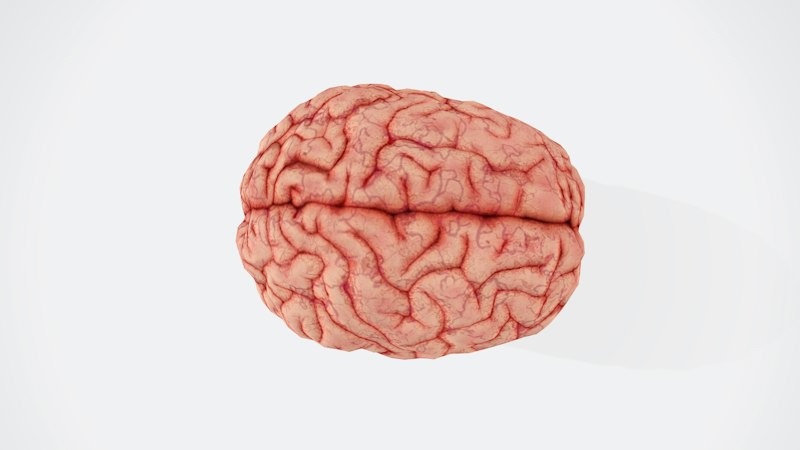
One of the most fascinating aspects of bowel disorders is the gut-brain axis, a bidirectional communication network that links the central nervous system with the enteric nervous system. This connection explains why emotional states like stress, anxiety, and depression can manifest as physical gastrointestinal symptoms. The gut is lined with millions of neurons that communicate directly with the brain via the vagus nerve. Consequently, psychological distress can alter gut motility, increase visceral sensitivity, and even change the composition of the gut microbiota. For many patients with functional disorders like IBS, their symptoms are not just “in their head,” but are the result of a genuine physiological dysfunction driven by neurological signals between the brain and the digestive tract.
Chronic stress is a particularly potent trigger for bowel disorder exacerbations. When the body undergoes a stress response, it releases hormones like cortisol and adrenaline, which can slow down digestion in the stomach while accelerating movement in the large intestine. This can lead to abdominal cramping and urgent bowel movements. Furthermore, individuals with bowel disorders often develop a heightened awareness of their internal sensations, a phenomenon known as visceral hypersensitivity. In these cases, normal digestive processes that most people would not notice are perceived as painful or distressing. This creates a feedback loop where the fear of pain leads to more stress, which in turn worsens the physical symptoms, making psychological intervention a cornerstone of effective treatment.
The psychological burden of living with a chronic bowel disorder also includes the impact on mental health and social functioning. The unpredictability of symptoms can lead to agoraphobia or social anxiety, as patients fear being in public places without easy access to a restroom. This isolation can contribute to a depressive state, which further degrades the patient’s ability to manage their physical health. Recognizing the importance of the gut-brain axis has led to the development of integrated treatment models that include Cognitive Behavioral Therapy (CBT) and gut-directed hypnotherapy. These psychological approaches aim to retrain the brain’s interpretation of gut signals and reduce the physiological impact of stress, providing significant relief for many who have not responded to traditional medical treatments alone.
Clinical Presentation and Symptomatology
The clinical presentation of bowel disorders is highly variable, with symptoms ranging from mild discomfort to life-threatening complications. However, there are several hallmark signs that clinicians look for during an assessment. Abdominal pain and cramping are the most common complaints, often occurring in the lower abdomen and sometimes relieved by bowel movements. This pain can be intermittent or chronic and is frequently accompanied by bloating and excessive gas, which can cause visible distension of the abdomen. The nature of bowel movements also changes significantly, with patients experiencing chronic diarrhea, persistent constipation, or a distressing alternation between the two.
In more severe cases, particularly with Inflammatory Bowel Disease or diverticulitis, symptoms may include rectal bleeding or the presence of mucus in the stool. This is a critical clinical sign that often necessitates immediate diagnostic investigation to rule out malignancy or severe ulceration. Systemic symptoms are also common and can include:
- Nausea and vomiting: Often associated with severe flare-ups or intestinal obstructions.
- Fatigue: A persistent sense of exhaustion that is not relieved by rest, often linked to chronic inflammation or anemia.
- Unexplained weight loss: Resulting from malabsorption of nutrients or a self-imposed reduction in food intake to avoid symptoms.
- Loss of appetite: A natural response to the discomfort associated with eating.
- Fever: Indicative of an active infection or a significant inflammatory response in the body.
These symptoms can fluctuate in intensity, with periods of “flares” where symptoms are acute and “remission” where they subside.
It is also important to note that the symptoms of bowel disorders can overlap with other serious medical conditions, including colorectal cancer or celiac disease. Therefore, a thorough clinical evaluation is necessary to ensure an accurate diagnosis. The psychological impact of these symptoms, such as the embarrassment associated with incontinence or the frustration of chronic pain, should also be considered a part of the clinical presentation. When symptoms persist for more than a few weeks or are accompanied by “red flag” signs like nocturnal diarrhea or significant weight loss, it is imperative that the individual seeks medical attention to prevent long-term damage to the digestive tract.
Diagnostic Methodologies and Clinical Assessment
The process of diagnosing a bowel disorder begins with a comprehensive clinical assessment, where a physician takes a detailed medical history and performs a physical examination. During the history-taking phase, the doctor will inquire about the duration, frequency, and nature of symptoms, as well as any family history of gastrointestinal disease. The physical exam often involves palpating the abdomen to check for tenderness, masses, or organ enlargement. Because many bowel disorders share similar symptoms, the diagnostic process is often one of exclusion, particularly for functional disorders like IBS where there are no specific biological markers.
To differentiate between functional and structural disorders, several diagnostic tests are typically employed. Blood tests are used to check for signs of infection, inflammation (using markers like C-reactive protein), and anemia, which may indicate internal bleeding or malabsorption. Stool samples are also analyzed to look for pathogens, parasites, or occult blood. A specific stool test for fecal calprotectin can be particularly useful, as high levels of this protein are a strong indicator of intestinal inflammation, helping clinicians distinguish between IBD and IBS without initially resorting to invasive procedures.
For a definitive diagnosis of structural issues, imaging and endoscopic procedures are essential. A colonoscopy allows a gastroenterologist to view the entire length of the colon and rectum using a thin, flexible tube equipped with a camera. During this procedure, biopsies (small tissue samples) can be taken to be examined under a microscope for signs of inflammation, dysplasia, or malignancy. Other imaging techniques, such as CT scans, MRIs, or ultrasound, may be used to visualize the thickness of the intestinal walls, identify abscesses, or detect diverticula. These diagnostic tools are vital for creating a tailored treatment plan that addresses the specific underlying cause of the patient’s distress.
Therapeutic Interventions: Lifestyle and Dietary Management
The management of bowel disorders often begins with conservative, non-pharmacological interventions, with dietary changes being the most impactful for many patients. For those with IBS, a low-FODMAP diet (Fermentable Oligosaccharides, Disaccharides, Monosaccharides, and Polyols) is frequently recommended. This diet involves temporarily restricting certain carbohydrates that are poorly absorbed in the small intestine and fermented by bacteria in the colon, which can trigger gas and bloating. Once symptoms improve, foods are gradually reintroduced to identify specific triggers. Additionally, increasing dietary fiber—particularly soluble fiber—can help regulate bowel movements for those suffering from chronic constipation, though it must be introduced slowly to avoid exacerbating gas.
Lifestyle modifications beyond diet are also crucial for long-term symptom control. Regular physical activity has been shown to improve gut motility and reduce stress, both of which are beneficial for individuals with bowel disorders. Hydration is another key factor; adequate water intake is essential for the proper functioning of fiber and for maintaining the mucosal lining of the intestines. Furthermore, identifying and avoiding personal triggers—such as caffeine, alcohol, spicy foods, or artificial sweeteners—can lead to a significant reduction in the frequency and severity of flare-ups. Patients are often encouraged to keep a food and symptom diary to track these correlations over time.
Stress management is an equally important component of lifestyle intervention. Since the gut-brain axis plays such a large role in these disorders, techniques such as mindfulness-based stress reduction (MBSR), yoga, and deep-breathing exercises can help modulate the body’s nervous system response. Ensuring adequate sleep and maintaining a consistent daily routine can also help stabilize the enteric nervous system. While lifestyle changes require significant effort and discipline from the patient, they often provide a foundation for health that reduces the reliance on heavy medications and improves the overall effectiveness of other therapeutic interventions.
Pharmacological and Surgical Treatment Modalities
When lifestyle and dietary changes are insufficient, pharmacological interventions become necessary to manage the symptoms and underlying causes of bowel disorders. For patients with Inflammatory Bowel Disease, the primary goal of medication is to reduce inflammation and induce remission. This is often achieved through the use of aminosalicylates (5-ASAs), corticosteroids for acute flares, and immunomodulators that suppress the overactive immune response. In recent years, biologic therapies—which target specific proteins involved in the inflammatory process—have revolutionized the treatment of moderate to severe IBD, offering hope to patients who previously had limited options.
For functional disorders like IBS, medication is typically symptom-specific. Antidiarrheal drugs such as loperamide may be used for IBS-D, while laxatives or prokinetic agents are prescribed for IBS-C. Antispasmodics can be effective in reducing abdominal cramping by relaxing the smooth muscles of the gut. Interestingly, low-dose antidepressants (such as TCAs or SSRIs) are often prescribed for bowel disorders, not necessarily for their effect on mood, but because they can modulate the pain signals sent from the gut to the brain and improve intestinal transit time. Antibiotics like rifaximin may also be used in cases where small intestinal bacterial overgrowth (SIBO) is suspected.
In cases where medical therapy fails or complications arise, surgical intervention may be required. For diverticulitis, surgery might involve removing the diseased portion of the colon (resection). In IBD, surgery is often a last resort but may be necessary to treat obstructions, fistulas, or severe bleeding. For ulcerative colitis, a total proctocolectomy (removal of the colon and rectum) is considered a curative procedure, though it requires the creation of an internal pouch or an external stoma for waste elimination. While surgery is a major undertaking, it can significantly improve the quality of life for patients with severe, refractory disease, allowing them to return to a level of functioning that was previously impossible.
Psychosocial Management and Long-term Prognosis
The long-term management of bowel disorders must address the psychosocial dimensions of chronic illness to be truly effective. Chronic GI issues can lead to a sense of powerlessness and a diminished quality of life. Therefore, psychological support, such as individual therapy or support groups, can be invaluable. Support groups allow patients to share experiences and coping strategies, reducing the sense of isolation that often accompanies these conditions. Cognitive Behavioral Therapy (CBT), in particular, has been shown to help patients reframe their thoughts about their illness, reduce “catastrophizing” about symptoms, and develop healthier coping mechanisms for dealing with pain and urgency.
The prognosis for individuals with bowel disorders varies depending on the specific diagnosis and the individual’s response to treatment. For those with IBS, the condition is chronic but not life-threatening, and most people can achieve significant symptom control through a combination of diet, lifestyle, and psychological interventions. For those with IBD, the disease is more serious and requires lifelong monitoring due to the increased risk of complications, including colorectal cancer. However, with modern medical advancements and proactive management, many people with IBD live long, productive lives and remain in remission for extended periods.
Ultimately, the successful management of bowel disorders relies on an integrated care model where gastroenterologists, dietitians, and mental health professionals work together. Education is a key component of this model; when patients understand the mechanics of their disorder and the rationale behind their treatment plan, they are more likely to adhere to it and feel empowered in their journey toward health. While bowel disorders can be challenging and complex, a comprehensive approach that addresses the physical, nutritional, and psychological aspects of the condition offers the best path toward long-term wellness and an improved quality of life.
References
- Brenner, D. M., & Cooper, M. E. (Eds.). (2020). The Merck Manual Professional Edition. Philadelphia, PA: Merck Sharp & Dohme Corp.
- Giannakou, A., & Dessi-Fulgheri, P. (2020). Inflammatory Bowel Diseases. In StatPearls. StatPearls Publishing.
- Kaufman, M. S., & Routman, A. S. (2019). Irritable Bowel Syndrome. In StatPearls. StatPearls Publishing.
- Mason, L. (2020). Diverticulitis. In StatPearls. StatPearls Publishing.