Brain Death: Understanding the End of Consciousness
Scientifically Reviewed · Dr. Marwa Abd-Alazim · October 7, 2026
Review Criteria & Clinical Standards
This content undergoes rigorous scientific peer-review and medical editorial standards at Arab Psychology Network to ensure clinical accuracy, validity, and compliance with evidence-based guidelines from leading psychological and healthcare authorities (APA / WHO).
Introduction to Brain Death
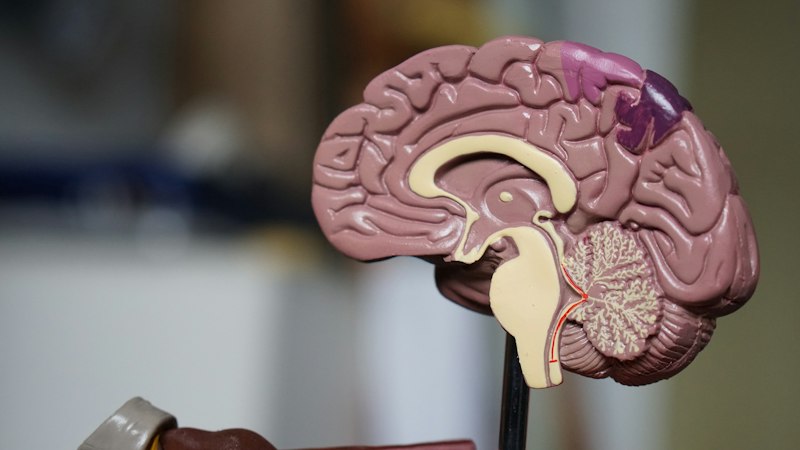
Brain death represents a profound and irreversible state, medically and legally recognized as the complete cessation of all functions of the entire brain, including the brainstem. This condition is distinct from other severe neurological states such as coma or a vegetative state, where some brainstem or cortical activity may persist. The determination of brain death signifies that the individual has definitively died, even if artificial means, such as mechanical ventilation, are maintaining circulation and other bodily functions. This entry will delve into the comprehensive definition, the rigorous diagnostic criteria, and the significant clinical, ethical, and legal implications associated with brain death, providing a holistic understanding for a general audience.
The concept of brain death emerged from advancements in critical care medicine, particularly the development of life support technologies that could sustain cardiopulmonary function in individuals with devastating and irreparable brain injuries. Prior to these technological capabilities, the cessation of heartbeat and breathing was universally accepted as the moment of death. However, with the ability to artificially maintain these vital signs, a new definition of death became necessary to address situations where the brain, the seat of consciousness and central regulatory functions, had irreversibly failed. This re-evaluation of death’s criteria has had profound impacts on medical practice, organ donation, and end-of-life discussions worldwide.
The Core Definition of Brain Death
At its core, brain death is defined as the complete and irreversible cessation of all functions of the cerebrum, cerebellum, and brainstem. This means there is no measurable electrical activity in the brain (as detected by an electroencephalogram, or EEG) and no evidence of blood flow to the brain, signifying total neurological devastation. Unlike a coma, which is a state of prolonged unconsciousness where the brain may still show some activity and potential for recovery, brain death implies an utter absence of brain activity, making recovery impossible. Similarly, a persistent vegetative state involves the loss of higher cognitive functions but often preserves brainstem reflexes and sleep-wake cycles, demonstrating a level of brainstem integrity not present in brain death.
The fundamental mechanism behind brain death involves widespread anoxic or ischemic injury to the brain, often resulting from severe trauma, stroke, or prolonged cardiac arrest. When the brain’s oxygen supply is critically interrupted for a sufficient duration, neuronal cells begin to die, leading to irreversible damage. This cell death progresses to the point where the entire brain, including the brainstem which controls essential involuntary functions like breathing and heart rate regulation, ceases to function. The key idea is the absolute and permanent loss of all neurological function, differentiating it from conditions where some brain activity or potential for recovery remains, however minimal. It is the definitive biological marker that the organism as a whole has ceased to function as an integrated entity.
Historical Context and Evolution of the Concept
The concept of brain death began to gain formal recognition in the mid-20th century, particularly in the 1960s. This period saw rapid advancements in medical technology, notably the development of mechanical ventilators and intensive care units, which allowed medical professionals to sustain respiration and circulation even when the brain had suffered catastrophic and irreversible damage. Before these advancements, the cessation of heartbeat and breathing was the undisputed criterion for death. However, with patients whose hearts could be kept beating artificially despite a completely destroyed brain, medical practitioners and legal experts were compelled to reassess the definition of death.
A pivotal moment occurred in 1968, when the Ad Hoc Committee of the Harvard Medical School published its report, “A Definition of Irreversible Coma.” This landmark report proposed new criteria for determining death based on neurological function, rather than solely cardiopulmonary function. Key figures in this development included medical ethicist Henry K. Beecher and neurologist Raymond D. Adams. They advocated for criteria such as unresponsiveness, absence of reflexes, and flat EEG readings, thereby establishing the foundation for what is now known as brain death. This initiative was driven by both clinical necessity—to avoid prolonging suffering and utilizing scarce resources on patients with no hope of recovery—and the burgeoning field of organ transplantation, which required viable organs from deceased donors.
Following the Harvard criteria, various countries and medical organizations developed their own guidelines, leading to a broad international consensus on the neurological basis of death. In the United States, the Uniform Determination of Death Act (UDDA) was proposed in 1981, stating that an individual is dead if they have sustained either “irreversible cessation of circulatory and respiratory functions” or “irreversible cessation of all functions of the entire brain, including the brainstem.” This legislation provided a legal framework for the diagnosis of brain death, solidifying its acceptance as a valid determination of death across jurisdictions and ensuring consistency in medical practice and legal proceedings.
Diagnostic Criteria and Procedures
The diagnosis of brain death is a rigorous and comprehensive process, requiring a physician to conduct a series of meticulous clinical and often ancillary tests to confirm the complete and irreversible absence of all brain and brainstem functions. The primary goal is to ensure that no possibility of recovery exists and that all confounding factors that might mimic brain death have been ruled out. These confounding factors can include severe hypothermia, metabolic disturbances, or the presence of central nervous system depressant drugs. Therefore, before initiating the diagnostic protocol, the patient’s core body temperature must be normalized, and any sedatives or paralytics must have worn off.
The clinical examination for brain death typically involves assessing for the absence of specific brainstem reflexes. These include pupillary light reflexes (pupils fixed and dilated), corneal reflexes (no blink response to touch), oculocephalic reflexes (eyes do not move when head is turned, also known as doll’s eyes), oculovestibular reflexes (no eye movement when cold water is instilled into the ear canal, known as caloric reflexes), gag reflex (no response to stimulation of the back of the throat), and cough reflex (no response to tracheal suctioning). Crucially, the absence of spontaneous respiration is tested through an apnea test, where the ventilator is temporarily disconnected while the patient is pre-oxygenated, and arterial carbon dioxide levels are monitored. A rising CO2 level without any spontaneous breathing effort confirms the loss of the brainstem’s respiratory drive.
In addition to the clinical examination, ancillary tests may be performed, especially if parts of the clinical examination cannot be completed or if there are concerns about confounding factors. An electroencephalogram (EEG) is used to detect electrical activity in the brain; a “flat” or isoelectric EEG indicates an absence of cerebral cortical activity. Other tests, such as a cerebral angiogram, transcranial Doppler ultrasonography, or nuclear medicine scans, can assess cerebral blood flow. The absence of blood flow to the brain is a definitive indicator of irreversible brain damage. It is often required that two separate examinations, typically by different physicians, be performed a specified time apart (e.g., 6 to 24 hours, depending on local guidelines) to definitively confirm the diagnosis.
A Practical Example of Brain Death Determination
Consider a scenario involving a 45-year-old male, Mr. John Doe, who suffered a massive intracerebral hemorrhage after a sudden collapse at home. Paramedics initiated cardiopulmonary resuscitation (CPR) and he was rushed to the emergency room, where physicians managed to restore his heartbeat and maintain his breathing through mechanical ventilation. Despite these life-sustaining measures, subsequent brain imaging revealed catastrophic and widespread damage to his brain, with significant swelling causing severe pressure and lack of blood flow. After several hours in the intensive care unit, Mr. Doe remained deeply unresponsive, showing no signs of improvement.
The medical team, suspecting brain death, began the formal diagnostic process. First, they ensured Mr. Doe’s body temperature was normal and confirmed that no sedatives or paralytic medications were active in his system. A qualified neurologist then performed a detailed neurological examination. During this examination, the neurologist observed that Mr. Doe’s pupils were fixed and fully dilated, unresponsive to light. He exhibited no corneal reflex (no blink when the cornea was gently touched), no gag reflex when the back of his throat was stimulated, and no cough reflex to tracheal suctioning. Furthermore, there were no oculocephalic or oculovestibular reflexes, indicating a complete loss of brainstem function.
The critical step of the apnea test was then performed. After pre-oxygenating Mr. Doe, the ventilator was temporarily disconnected. Despite a significant rise in his arterial carbon dioxide levels (a strong stimulus for breathing), Mr. Doe made no spontaneous respiratory efforts. An EEG was also conducted, which showed an iso-electric or “flat” line, indicating an absence of electrical activity in the cerebrum. After a waiting period, a second, independent physician repeated the full clinical examination with identical findings. Based on these comprehensive and consistent results, Mr. Doe was formally declared brain dead. This determination meant that, despite his heart still beating due to external support, he had legally and medically died.
Significance and Impact in Modern Medicine
The formal recognition and diagnostic criteria for brain death have had an immense impact on modern medicine, fundamentally reshaping end-of-life care, medical ethics, and the practice of organ donation. Its importance extends beyond mere definition, influencing resource allocation, legal frameworks, and the emotional closure for families facing an unimaginable loss. By clearly defining death based on neurological criteria, medical professionals can make definitive declarations, preventing the indefinite prolongation of artificial support for individuals with no hope of recovery, thereby honoring patient autonomy and dignity.
One of the most profound applications of the concept of brain death is its role in facilitating organ donation. Patients declared brain dead, whose circulatory and respiratory functions are maintained artificially, often have organs that are still viable for transplantation. This allows for the life-saving transfer of organs to recipients in need, transforming a tragic loss into an opportunity for others to live. Without the clear and legally recognized determination of brain death, the window for viable organ retrieval would be significantly narrower, if not impossible, due to the rapid deterioration of organs once circulation ceases. The ethical frameworks surrounding organ donation are heavily reliant on the certainty provided by brain death diagnosis, ensuring that organs are only procured from individuals who are unequivocally deceased.
Furthermore, the concept of brain death has significantly contributed to discussions surrounding medical futility and the appropriate limits of life-sustaining treatment. It provides a clear boundary where continued aggressive medical intervention, while technically possible, offers no benefit to the patient. This helps guide difficult conversations with families, enabling them to understand that their loved one has passed, even if their body is still warm and their heart is beating. The clarity provided by brain death criteria helps families navigate grief, make informed decisions about discontinuing life support, and begin the process of mourning, acknowledging the irreversible nature of the condition.
Ethical and Legal Considerations
The diagnosis of brain death carries significant ethical and legal weight, shaping policies on end-of-life care, consent for organ donation, and the legal definition of personhood. Ethically, the determination of brain death is crucial because it marks the point at which medical interventions shift from life-saving to simply body-sustaining, raising questions about the moral obligation to continue treatment. The consensus among medical and ethical communities is that once brain death is unequivocally diagnosed, the individual is deceased, and further life support is medically futile and ethically optional.
Legally, the concept of brain death has been incorporated into statutes worldwide, providing a uniform and legally binding definition of death. In many jurisdictions, laws recognize both cardiopulmonary death (cessation of heartbeat and breathing) and brain death as valid criteria for declaring an individual deceased. This legal framework is vital for practical matters such as issuing death certificates, settling estates, and, most importantly, proceeding with organ donation. Without clear legal definitions, families could face prolonged disputes, and medical teams could be in an ambiguous position regarding the cessation of care.
Despite broad acceptance, brain death continues to be a subject of philosophical and sometimes public debate. Concerns often arise from a lack of public understanding, cultural or religious beliefs that emphasize the beating heart as the definitive sign of life, or the emotional difficulty of accepting death when the body appears physiologically active. Medical professionals are therefore tasked not only with accurate diagnosis but also with sensitive and clear communication to families, explaining the irreversible nature of the condition and addressing any concerns or misconceptions. This emphasis on transparent communication is critical in upholding trust and ensuring that ethical principles are respected throughout the process.
Connections and Relations to Other Concepts
Brain death is situated within a broader spectrum of neurological conditions and ethical dilemmas, sharing intricate relationships with concepts such as coma, persistent vegetative state, and consciousness itself. While all these states involve profound alterations in brain function, their distinctions are critical for diagnosis, prognosis, and ethical decision-making. Brain death stands as the most severe, representing the complete and irreversible loss of all brain activity, including that of the brainstem, which controls vital reflexes and autonomic functions. This definitive loss contrasts sharply with a coma, where patients are unconscious but may retain some brainstem reflexes and show minimal, often non-purposeful, brain activity, with a potential, albeit sometimes small, for recovery.
The relationship to a persistent vegetative state (PVS) is particularly important for clarity. In PVS, individuals have lost higher cortical functions—the ability for thought, memory, and purposeful action—but retain intact brainstem functions, allowing for sleep-wake cycles, spontaneous breathing, and some reflexive movements. They are awake but not aware. Brain death, conversely, involves the loss of both cortical and brainstem functions, leading to a complete absence of wakefulness, awareness, and automatic bodily regulation. Understanding these differences is crucial for medical professionals in counseling families and for legal and ethical deliberations concerning the withdrawal of life support, as the prognosis and moral considerations differ significantly between these states.
Furthermore, brain death is closely connected to philosophical and scientific debates surrounding the nature of consciousness and personhood. If the brain is considered the sole physical substrate of consciousness and identity, then its irreversible cessation implies the end of the individual as a conscious entity. This perspective underpins the medical and legal acceptance of brain death as true death. The concept also belongs to the broader categories of neurocritical care, medical ethics, and end-of-life care within clinical psychology and neurology. It interacts with psychological aspects of grief, family decision-making, and the societal implications of defining when life ends, making it a multifaceted concept that bridges biology, medicine, law, and philosophy.