Neural Transplantation: Rewiring the Human Mind
Scientifically Reviewed · Dr. Marwa Abd-Alazim · September 27, 2026
Review Criteria & Clinical Standards
This content undergoes rigorous scientific peer-review and medical editorial standards at Arab Psychology Network to ensure clinical accuracy, validity, and compliance with evidence-based guidelines from leading psychological and healthcare authorities (APA / WHO).
Defining the Paradigm of Brain Grafting and Neural Transplantation
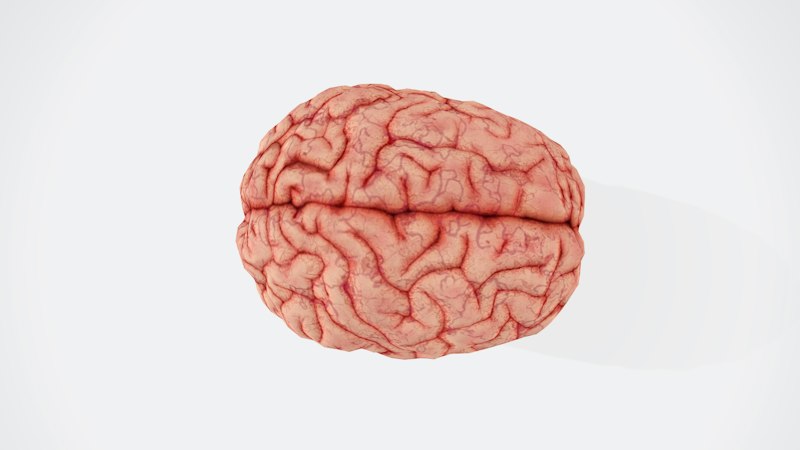
The concept of the brain graft, frequently referred to in academic and clinical literature as neural transplantation, represents one of the most ambitious and transformative frontiers in contemporary neuroscience and regenerative medicine. At its core, this field is dedicated to the integration of external biological materials into the central nervous system to restore functionality lost to disease or trauma. This multidisciplinary area of research holds the potential to provide revolutionary treatments for a wide array of neurological diseases, offering hope for significant improvements in the quality of life for millions of affected individuals globally. By shifting the focus from palliative care to restorative intervention, brain grafting seeks to address the underlying cellular deficits that characterize many chronic conditions.
While the terminology might suggest a singular procedure, neural transplantation encompasses a diverse range of techniques involving the transfer of cells, tissues, or entire organs from a donor source to a recipient. This can involve autologous grafts, where the patient’s own cells are repurposed, or allogeneic grafts, where materials are sourced from another organism of the same species. The primary objective is to achieve a state of functional integration, where the transplanted material not only survives within the hostile environment of a damaged brain but also forms meaningful synaptic connections with the host’s existing neural architecture. This level of biological synergy is essential for the restoration of complex motor and cognitive processes.
The significance of this research cannot be overstated, as it addresses some of the most intractable challenges in medicine. Traditional pharmacological interventions often focus on modulating neurotransmitter levels or managing symptoms, but they rarely address the fundamental loss of neurons or the degradation of neural pathways. In contrast, brain grafting aims to physically replace the lost components of the nervous system. As scientists continue to make strides in understanding the complex biology involved—including the nuances of neurogenesis, immune privilege, and synaptic plasticity—the transition from experimental research to viable medical procedures becomes increasingly tangible.
Historical Context and the Evolution of Neural Grafting
The intellectual foundations of brain grafting are not a modern invention; rather, they date back to the early 20th century when pioneering researchers first hypothesized the possibility of transplanting neural tissue. During these nascent stages, the scientific community struggled with the limitations of surgical technology and a rudimentary understanding of the brain’s immunological response. Early experiments were often met with failure, as the delicate nature of neural cells and the brain’s tendency to reject foreign matter presented seemingly insurmountable barriers. However, these initial attempts were crucial in establishing the basic principles of tissue viability and the necessity for precise anatomical placement within the cranial vault.
In the mid-to-late 20th century, the field underwent a significant transformation as advancements in microscopy, genetics, and surgical instrumentation allowed for more refined experimentation. Researchers began to identify specific regions of the brain that were more receptive to grafts, as well as the types of cells that possessed the highest degree of neuroplasticity. This era saw the first successful demonstrations of functional recovery in animal models, proving that transplanted neurons could indeed secrete essential chemicals and influence the behavior of the host organism. These breakthroughs shifted the perception of the brain as a static, non-regenerative organ to a more dynamic system capable of structural modification through external intervention.
Only recently have scientists been able to leverage the tools of molecular biology and stem cell research to make profound strides in this field. Modern research focuses on the precision of the graft, utilizing sophisticated imaging techniques to guide the delivery of cells to specific nuclei within the brain. The evolution from crude tissue grafts to the transplantation of highly specialized progenitor cells reflects a broader trend in medicine toward personalized and targeted therapies. As we stand on the shoulders of these historical milestones, the current state of brain grafting research is defined by a sophisticated understanding of how to manipulate the cellular environment to favor survival and integration.
The Biological Mechanisms of Cellular and Tissue Transplantation
The actual process of brain grafting is a meticulous procedure that begins with the selection and preparation of the donor material. Whether the graft consists of fetal neural tissue, stem cell-derived neurons, or specialized support cells like astrocytes and oligodendrocytes, the material must be harvested and processed under stringent conditions to maintain its regenerative potential. The biological goal is to introduce cells that can either replace those that have died or provide a supportive “scaffold” that encourages the host’s own cells to repair themselves. This dual approach of replacement and support is central to the efficacy of the transplantation process.
Once the donor material is prepared, it is introduced into the recipient’s brain through highly specialized neurosurgical techniques. This often involves stereotactic surgery, which uses a three-dimensional coordinate system to locate small targets inside the brain and perform actions such as injection or implantation. The precision of this delivery is paramount; if the graft is placed even a few millimeters away from the intended site, it may fail to integrate with the necessary neural circuits. Furthermore, the microenvironment of the host brain—including the presence of inflammatory cytokines and the integrity of the blood-brain barrier—plays a critical role in determining whether the graft will thrive or be destroyed by the immune system.
Following the physical transplantation, a complex series of biological events must occur for the procedure to be successful. The transplanted cells must undergo differentiation, extending axons and dendrites toward their targets. This process is guided by various neurotrophic factors, which are proteins that promote the growth and survival of developing neurons. Successful integration is marked by the formation of functional synapses, allowing the graft to participate in the electrochemical signaling that governs brain activity. Understanding these intricate biological pathways is a primary focus of current research, as it allows scientists to develop interventions that can enhance the survival and connectivity of the transplanted tissue.
Applications in Chronic Neurodegenerative Diseases: Parkinson’s and Huntington’s
One of the most well-documented and successful applications of brain grafting has been in the treatment of Parkinson’s disease. This condition is characterized by the progressive loss of dopaminergic neurons in the substantia nigra, leading to severe motor impairments such as tremors, rigidity, and bradykinesia. For decades, researchers have explored the transplantation of dopamine-producing cells into the striatum to compensate for this loss. Clinical trials have shown that these grafts can survive for years, effectively releasing dopamine and significantly reducing the motor symptoms of the disease, in some cases allowing patients to reduce their reliance on traditional medications like Levodopa.
Similarly, Huntington’s disease has been a major focus of neural transplantation research. Unlike Parkinson’s, Huntington’s involves more widespread neurodegeneration, particularly in the striatum, leading to a combination of motor, cognitive, and psychiatric symptoms. Research into brain grafting for Huntington’s focuses on replacing the lost medium spiny neurons to restore the regulatory loops between the basal ganglia and the cerebral cortex. While the challenges are greater due to the nature of the disease, experimental grafts have demonstrated the ability to improve motor coordination and slow the progression of functional decline in animal models and early-stage human trials.
The success of brain grafting in these chronic conditions provides a “proof of concept” for the broader field of restorative neurology. By demonstrating that the brain can incorporate new cells and that these cells can perform the specialized tasks of their predecessors, researchers have opened the door to treating other degenerative states. These applications highlight the importance of cell-specific replacement, where the goal is not just to add mass to the brain, but to restore specific chemical and electrical balances that have been disrupted by the disease process.
Addressing Acute Neurological Damage: Stroke and Traumatic Brain Injury
Beyond chronic degeneration, brain grafting holds immense potential for treating acute injuries such as stroke and traumatic brain injury (TBI). In the case of a stroke, the sudden loss of blood flow results in a localized area of cell death, known as an infarct. Traditional rehabilitation focuses on training the remaining brain tissue to take over lost functions, but brain grafting offers the possibility of actually repairing the damaged area. By transplanting neural progenitor cells into the peri-infarct zone, researchers hope to stimulate angiogenesis (the formation of new blood vessels) and provide a source of new neurons to rebuild the damaged circuitry.
Traumatic brain injury presents a different set of challenges, as the damage is often more diffuse and involves physical shearing of axons and widespread inflammation. Brain grafts in this context are used to bridge the gaps created by the injury, providing a physical and chemical pathway for regenerating fibers. The goal is to restore the structural integrity of the brain and facilitate the recovery of both motor and sensory functions. Research in this area has shown that grafts can help stabilize the injury site, reduce the formation of glial scars (which normally inhibit repair), and promote a more favorable environment for natural recovery processes.
The use of brain grafts for acute injuries is particularly promising because the brain’s own neuroplasticity is often heightened in the aftermath of trauma. By introducing healthy, viable cells during this critical window, clinicians may be able to amplify the body’s innate healing mechanisms. This approach requires a deep understanding of the temporal dynamics of brain injury—knowing exactly when to intervene to ensure the graft is not overwhelmed by the initial inflammatory response, yet early enough to prevent permanent functional loss.
Expanding the Scope: Alzheimer’s Disease and Brain Tumors
Recently, the scope of brain grafting research has expanded to include Alzheimer’s disease, a condition characterized by widespread cortical atrophy and the accumulation of amyloid plaques and tau tangles. While the diffuse nature of Alzheimer’s makes it a difficult target for localized grafting, researchers are exploring the use of grafts to deliver nerve growth factors (NGF) to specific regions like the basal forebrain. These “bio-pumps” can help sustain the health of existing cholinergic neurons, potentially slowing the cognitive decline associated with the disease. This shift from cell replacement to therapeutic delivery represents a versatile new direction for grafting technology.
In the field of neuro-oncology, brain grafts are being investigated as a novel way to treat brain tumors. Traditional treatments like chemotherapy and radiation often have limited efficacy and significant side effects. Innovative research involves using engineered neural stem cells that have a natural “homing” instinct toward tumor cells. These transplanted cells can be designed to carry anti-cancer agents directly to the site of the malignancy, providing a targeted strike that spares healthy tissue. This application demonstrates the potential for brain grafts to serve as sophisticated delivery vehicles for a variety of therapeutic molecules.
These expanding applications underscore the versatility of neural transplantation as a medical tool. Whether the goal is to replace lost cells, deliver growth factors, or hunt down malignant tumors, the underlying principle remains the same: using the unique properties of neural tissue to intervene in pathological processes. As we continue to refine these techniques, the potential to treat a variety of previously untreatable neurological conditions grows, moving the field closer to a reality where the brain’s inherent limitations can be overcome through scientific innovation.
Restorative Neurology: Repairing Axons and Spinal Cord Injuries
A critical component of functional recovery in the nervous system is the ability to repair damaged or severed axons. Axons are the long, slender projections of neurons that conduct electrical impulses away from the cell body, and their destruction is a hallmark of many debilitating injuries, particularly spinal cord injuries. Brain and spinal cord grafting techniques are being developed to create “neural bridges” that span the site of the injury. These grafts provide a permissive environment that encourages axons to regrow across the lesion, effectively reconnecting the brain with the rest of the body.
The restoration of lost or impaired functions through these techniques is a primary goal of regenerative medicine. For individuals with paralysis or severe sensory deficits, the ability to restore even a fraction of neural connectivity can lead to significant improvements in independence and health. Research has shown that transplanted cells can produce myelin, the protective sheath around axons that is necessary for rapid signal transmission. By restoring this insulation, grafts can improve the efficiency of the remaining neural pathways and facilitate the return of motor control and sensation.
Furthermore, the ability of brain grafts to restore physiological functions extends beyond simple motor repair. Researchers are investigating how these techniques can influence the autonomic nervous system, potentially helping to regulate functions such as bladder control and blood pressure in patients with high-level spinal injuries. This holistic approach to restorative neurology emphasizes the interconnectedness of the nervous system and the profound impact that localized grafting can have on the overall health and well-being of the patient.
Cognitive Enhancement and Disorders of the Nervous System
In addition to physical and motor repair, there is a growing interest in the potential for brain grafts to improve cognitive function. This involves the transplantation of cells into areas of the brain responsible for memory, attention, and executive function, such as the hippocampus and prefrontal cortex. In animal models of aging and cognitive impairment, neural grafts have been shown to improve performance on spatial memory tasks and increase the density of synaptic connections. These findings suggest that brain grafting could eventually be used to treat dementias and other disorders characterized by cognitive decline.
The application of brain grafting also extends to a variety of other disorders of the nervous system, including chronic pain, epilepsy, and even certain psychiatric conditions. For instance, transplanting inhibitory interneurons into the brain may help to suppress the overactive electrical signals that cause seizures in epileptic patients. Similarly, grafts that release specific neurotransmitters could potentially be used to balance the chemical dysregulation found in severe depression or schizophrenia. While these applications are still in the early stages of research, they highlight the vast potential of the technique to modulate complex brain states.
The potential to treat systemic disorders through localized grafting represents a paradigm shift in how we approach mental and neurological health. By viewing the brain as a repairable biological system, scientists are moving away from the idea that neurological damage is permanent. Instead, they are exploring how cellular interventions can reset the brain’s circuitry and restore a state of equilibrium. This research not only has clinical implications but also deepens our understanding of the fundamental mechanisms of human cognition and emotion.
Navigating Challenges: Rejection and Immunological Barriers
Despite the immense potential of brain grafting, the field faces significant challenges that must be addressed before it can become a mainstream medical treatment. The most formidable of these is the risk of rejection. Although the brain was once thought to be an “immunologically privileged” site, we now know that the immune system is highly active within the central nervous system. When foreign cells or tissues are introduced, the body may identify them as invaders and initiate an inflammatory response that can destroy the graft and cause further damage to the host tissue.
To mitigate this risk, cells and tissues must be carefully matched between the donor and the recipient, similar to the process used in heart or kidney transplants. This requires sophisticated histocompatibility testing and often necessitates the lifelong use of immunosuppressive drugs, which carry their own set of risks and side effects. Researchers are currently exploring ways to create “universal donor” cells through genetic engineering—modifying cells so they do not express the markers that trigger an immune response. This would eliminate the need for matching and reduce the risk of rejection significantly.
In addition to immunological concerns, the procedure itself must be closely monitored to prevent complications such as infection, hemorrhage, or the development of graft-induced dyskinesias (uncontrolled movements). There is also the risk that transplanted stem cells could grow uncontrollably, leading to the formation of tumors or teratomas. Ensuring the safety and stability of the graft over the long term is a critical hurdle. As such, rigorous clinical protocols and advanced imaging techniques are essential to track the progress of the transplant and ensure that it is functioning as intended without causing harm.
Conclusion and the Future of Neural Transplantation
In conclusion, brain grafting is a promising and rapidly evolving field of research that stands at the intersection of biology, medicine, and engineering. It offers a potential path toward curing or significantly mitigating the effects of neurological diseases and injuries that were once considered incurable. From restoring motor function in Parkinson’s patients to the potential for cognitive enhancement and tumor treatment, the applications of this technique are as vast as the complexities of the human brain itself. The progress made in understanding neural biology over the last few decades has laid a solid foundation for the future of this discipline.
While the challenges of immune rejection and surgical precision remain significant, the ongoing advancements in stem cell technology, gene editing, and neuroimaging provide a roadmap for overcoming these obstacles. The scientific community is moving closer to creating viable, safe, and effective medical procedures that can be tailored to the specific needs of individual patients. This personalized approach to restorative neurology represents the next great leap in medical science, promising a future where the devastating impact of brain disorders can be reversed.
As researchers continue to explore the intricate dance between transplanted cells and the host brain, our understanding of neuroplasticity and repair will only deepen. The journey from the early theoretical models of the 20th century to the sophisticated clinical trials of today is a testament to human ingenuity and the persistent quest to improve the quality of life for those affected by neurological conditions. Ultimately, brain grafting represents not just a medical procedure, but a profound shift in our ability to heal the most complex organ in the human body.
References
- Baker, K. B., & Johnston, M. V. (2015). Brain grafts for neurological diseases: Current state of the science. The Neuroscientist, 21(4), 370–383. https://doi.org/10.1177/1073858414554495
- Froemke, R. C., & Furlan, S. (2017). Brain grafting: A review of current and potential applications. Frontiers in Neuroscience, 11, 519. https://doi.org/10.3389/fnins.2017.00519
- Khan, A. A., & Naughton, G. A. (2018). Neural transplantation and brain grafting for neurological disorders: Potentials and challenges. Frontiers in Neuroscience, 12, 790. https://doi.org/10.3389/fnins.2018.00790