Neuroimaging: Mapping the Hidden Architecture of the Mind
Scientifically Reviewed · Dr. Marwa Abd-Alazim · September 6, 2026
Review Criteria & Clinical Standards
This content undergoes rigorous scientific peer-review and medical editorial standards at Arab Psychology Network to ensure clinical accuracy, validity, and compliance with evidence-based guidelines from leading psychological and healthcare authorities (APA / WHO).
Introduction and Definition of Brain Scanning
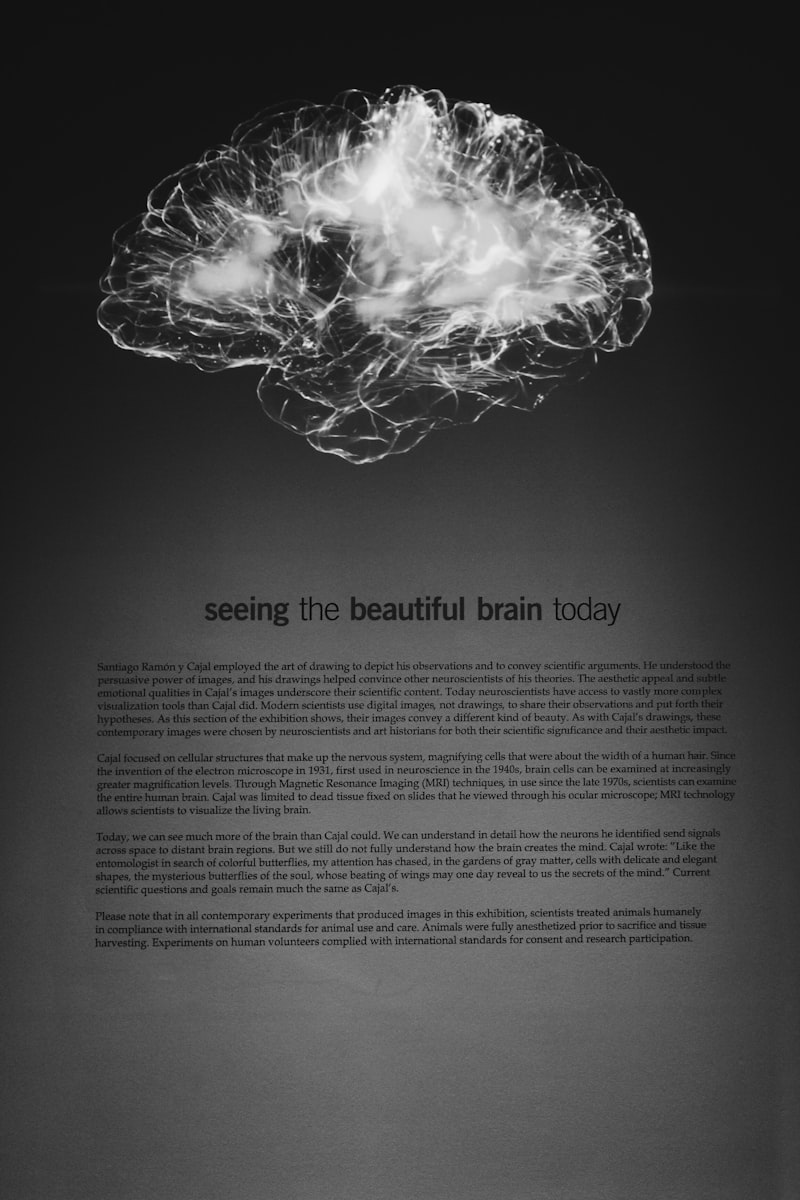
Brain scanning, often referred to synonymously with neuroimaging or brain imaging, encompasses a sophisticated suite of non-invasive techniques designed to visualize the internal structure, physiological processes, and functional activity of the central nervous system, particularly the cerebrum. As a crucial diagnostic tool in modern medicine and a primary investigative method in cognitive psychology, the brain scan is designed specifically to reveal any evidence of structural or functional abnormality that may underlie neurological or psychiatric symptoms. These methods are indispensable for medical professionals seeking to detect pathology, monitor disease progression, and plan therapeutic interventions with precision.
The fundamental utility of brain scanning lies in its capacity to visualize parameters that are otherwise inaccessible without invasive measures. Specifically, these techniques allow for the analysis of cerebral blood flow, metabolic rates, tissue density, and the integrity of neural pathways. By mapping these characteristics, clinicians are able to detect critical abnormalities such as space-occupying tumors, areas of tissue damage known as lesions (which may result from demyelinating diseases like multiple sclerosis), or regions suffering from vascular compromise, commonly identified as infarctions following an ischemic event or stroke. The comprehensive data generated by these scans provides the empirical foundation for accurate diagnosis.
The breadth of methodologies used under the umbrella of brain scanning is substantial, ranging from techniques that capture static anatomical detail to those that monitor dynamic, real-time neuronal activity. Key among the structural visualization methods are Computed Tomography (CT) and Magnetic Resonance Imaging (MRI). Functional modalities, conversely, include functional MRI (fMRI), Positron Emission Tomography (PET), and Single-Photon Emission Computed Tomography (SPECT). The selection of a specific brain scanning technique is determined by the diagnostic question at hand, weighing factors such as required spatial resolution, temporal resolution, and the necessity of monitoring blood flow or biochemical processes.
Historical Development and Evolution of Neuroimaging
The desire to visualize the living brain has deep historical roots, though early methods were highly invasive and offered limited clarity. Prior to the revolutionary developments of the late 20th century, techniques such as pneumoencephalography—where cerebrospinal fluid was replaced by air to outline brain structures using X-rays—were utilized, albeit with significant patient discomfort and limited diagnostic value. The crucial turning point arrived with the advent of computer-assisted reconstruction methods, which fundamentally transformed the field from speculative visualization to quantifiable, cross-sectional mapping.
The true revolution in structural neuroimaging began in the early 1970s with the introduction of the CT scan, developed primarily by Sir Godfrey Hounsfield. This technology marked the first time that internal structures of the head could be imaged without requiring surgery. The CT scanner uses X-rays from multiple angles combined with sophisticated computational algorithms to create detailed axial slices of the brain, effectively differentiating bone, fluid, and soft tissues based on their varying X-ray absorption densities. This innovation rapidly became the standard for acute neurotrauma diagnosis and the identification of large structural anomalies, significantly reducing reliance on dangerous exploratory procedures.
Following the CT breakthrough, the development of Magnetic Resonance Imaging (MRI) provided an even more significant leap in soft tissue contrast and anatomical detail. Based on nuclear magnetic resonance principles refined in the 1940s, MRI technology, championed by researchers like Paul Lauterbur and Sir Peter Mansfield, uses powerful magnetic fields and radiofrequency pulses to align and measure the relaxation of hydrogen nuclei within water molecules in the body. The superior resolution and the ability to generate images in multiple planes (axial, sagittal, coronal) without using ionizing radiation established MRI as the gold standard for detecting subtle pathological changes, including early-stage lesions and fine anatomical details crucial for neuroscience research.
Core Principles and Applications (Structural vs. Functional)
Neuroimaging methodologies are broadly categorized into two major domains, each serving distinct investigative purposes: structural and functional. Structural imaging is primarily concerned with the morphology of the brain—its anatomy, tissue integrity, and the detection of physical abnormalities. These scans provide high-resolution, static maps of the brain, allowing for the precise measurement of grey matter volume, white matter organization, and the identification of gross pathological features such as hemorrhage, edema, or atrophy associated with neurodegenerative diseases.
In contrast, Functional imaging focuses on the dynamic processes occurring within the brain. The core principle underpinning most functional techniques is the concept of neurovascular coupling, or metabolic coupling. When a region of the brain becomes neurally active, the increased demand for energy (oxygen and glucose) is met by a rapid, localized increase in cerebral blood flow. Functional scans track these physiological responses, acting as surrogates for neuronal activity. For instance, fMRI detects the changes in blood oxygenation levels (the BOLD signal), while PET measures the distribution of metabolically active compounds, thereby correlating specific brain regions with cognitive tasks or resting-state activity.
Understanding the trade-offs between different modalities is essential for both research and clinical practice. Structural scans (CT, MRI) generally offer high spatial resolution, providing excellent detail on where a structure is located. Functional scans (fMRI, EEG, MEG), however, often prioritize temporal resolution—the ability to measure changes rapidly over time. For example, fMRI offers good spatial resolution but poor temporal resolution (seconds), while electrophysiological methods like EEG offer superb temporal resolution (milliseconds) but poor spatial localization. The integration of data across multiple techniques is increasingly common to achieve a comprehensive understanding of brain structure and function.
Structural Imaging Techniques (MRI and CT)
The Computed Tomography (CT) Scan remains a cornerstone of rapid neurological assessment, particularly in emergency settings. The technique involves a motorized X-ray source and detector assembly that rotates 360 degrees around the patient’s head. As the X-rays pass through the tissue, attenuation occurs based on the density of the material encountered. Computers then process thousands of individual measurements to generate detailed, cross-sectional images. CT is highly effective for visualizing bone structures and is the fastest method for identifying acute intracranial hemorrhage, which appears hyperdense (bright) due to the presence of clotting blood, or for detecting calcifications and large mass effects.
The Magnetic Resonance Imaging (MRI) Scan provides vastly superior soft tissue contrast compared to CT, making it the preferred method for most non-acute neurological imaging. The process relies on the manipulation of the body’s intrinsic water content. When placed in a strong magnetic field, the nuclei of hydrogen atoms align. Radiofrequency pulses are then briefly applied, knocking these nuclei out of alignment. When the pulse ceases, the nuclei “relax” back into alignment, emitting energy signals (radio waves) that are measured by the scanner. By adjusting the timing sequences (e.g., T1-weighting emphasizes anatomical detail; T2-weighting highlights pathology and fluid/edema), the MRI can generate highly specific images that reveal subtle pathology, such as demyelination, small lesions, and early signs of tissue damage.
Advanced structural MRI applications have further enhanced diagnostic capabilities. Diffusion Tensor Imaging (DTI), for instance, is a variation of MRI that measures the diffusion of water molecules within the brain. Since water diffusion is constrained by the presence of organized structures like white matter tracts (axonal bundles), DTI allows researchers and clinicians to map the connectivity and integrity of the brain’s crucial wiring, providing insight into disorders affecting white matter, such as stroke, TBI, and neurodevelopmental conditions.
Functional Imaging Techniques (fMRI, PET, SPECT)
Functional Magnetic Resonance Imaging (fMRI) is the dominant functional neuroimaging tool in cognitive neuroscience research. Unlike standard MRI, fMRI measures the hemodynamic response related to neural activity. It leverages the fact that oxygenated and deoxygenated hemoglobin have different magnetic properties. When a brain region is active, the influx of oxygenated blood briefly overshoots the metabolic need, increasing the ratio of oxygenated to deoxygenated blood in that area. This change creates the Blood Oxygenation Level Dependent (BOLD) signal, which is tracked over time. fMRI allows researchers to map which brain regions are activated during specific tasks, such as memory retrieval, language processing, or emotional regulation, providing invaluable insight into human cognition.
Positron Emission Tomography (PET) provides a window into the brain’s biochemical and metabolic machinery. PET requires the injection of a biologically active molecule tagged with a short-lived positron-emitting radioisotope (a radiotracer). The most common tracer is fluorodeoxyglucose (FDG), which mimics glucose and maps regional glucose metabolism—a reliable marker of cellular activity. PET scans are vital in oncology (detecting brain tumors), cardiology, and increasingly, in the early diagnosis of neurodegenerative disorders, such as identifying amyloid plaques in Alzheimer’s disease using specific radioligands. The strength of PET lies in its ability to quantify specific molecular targets, unlike fMRI, which only measures blood flow changes.
Single-Photon Emission Computed Tomography (SPECT) operates on principles similar to PET but utilizes radiotracers that emit single photons, which are detected by gamma cameras rotating around the patient. SPECT is particularly effective for imaging regional cerebral blood flow (rCBF). While offering lower spatial resolution than PET or fMRI, SPECT remains an affordable and clinically useful technique for assessing stroke severity, differentiating types of dementia, and evaluating seizure foci, especially when combined with specialized pharmacological challenges.
Clinical Applications and Diagnostic Utility
The clinical utility of brain scanning is profound and multifaceted, serving as the primary diagnostic pathway for a vast array of neurological and psychiatric conditions. In acute neurological care, CT scans are essential for rapid triage, determining the nature of a stroke—whether ischemic (requiring clot-busting drugs) or hemorrhagic (contraindicating those same drugs). Subsequent MRI provides detailed information on the extent of tissue death (infarctions) and the integrity of surrounding vasculature. Brain scans also guide neurosurgeons, mapping the precise location and boundaries of tumors or vascular malformations before and during operative procedures.
For chronic and progressive disorders, neuroimaging is critical for monitoring disease progression.
- Neurodegenerative Diseases: MRI tracks brain atrophy (tissue shrinkage), while PET scans can visualize specific pathologies, such as tau protein accumulation or reduced glucose metabolism characteristic of Alzheimer’s disease.
- Demyelinating Conditions: MRI is the definitive tool for diagnosing Multiple Sclerosis (MS) by identifying the characteristic white matter lesions scattered throughout the brain and spinal cord.
- Epilepsy: Both structural MRI and functional scans (PET, SPECT) help localize the seizure focus, aiding in surgical planning for patients with drug-resistant epilepsy.
Beyond traditional neurology, brain scanning techniques are increasingly used to investigate the biological basis of psychiatric disorders. Functional scans help identify altered patterns of neural connectivity and metabolism associated with conditions like major depressive disorder, obsessive-compulsive disorder, and schizophrenia. While these findings are generally used for research and classification rather than routine individual diagnosis, they offer invaluable insights into the physiological mechanisms underlying complex behavioral and cognitive disturbances, reinforcing the brain scan as a powerful tool for bridging the gap between mind and brain.
Ethical Considerations and Future Directions
As neuroimaging technology rapidly advances, several important ethical considerations must be addressed, particularly regarding data privacy and the interpretation of results. The creation of large datasets containing highly detailed brain maps raises significant privacy concerns, necessitating stringent protocols for anonymization and data security. Furthermore, the increasing prevalence of brain scans leads to the detection of incidental findings—previously unknown, often small abnormalities (like asymptomatic aneurysms or benign cysts) that may require further, costly, and potentially unnecessary investigation, causing significant patient anxiety.
The future of brain scanning is focused on improving resolution, enhancing portability, and integrating multiple modalities.
- Ultra-High Field MRI: Scanners operating at magnetic field strengths of 7 Tesla (7T) and higher are entering clinical research, offering unprecedented anatomical and functional detail, allowing visualization of cortical layers and small vascular structures.
- Hybrid Systems: Integrated PET/MRI scanners provide simultaneous acquisition of structural, functional, and molecular data, optimizing spatial and temporal correlation and reducing scanning time for the patient.
- Portable Neuroimaging: The development of smaller, cheaper, and more portable systems, potentially utilizing optically pumped magnetometers (OPM-MEG) or low-field MRI, promises to bring advanced neuroimaging capabilities out of specialized centers and into community hospitals and field research settings.
Ultimately, the evolution of brain scanning represents a continuous effort to refine our understanding of the healthy and diseased brain. These methods, which began as simple X-ray visualizations, have matured into highly complex, computational tools that are indispensable for medical diagnosis, therapeutic monitoring, and the fundamental exploration of human consciousness and behavior. The ongoing synergy between physics, computer science, and clinical practice ensures that neuroimaging will continue to define the frontier of neuroscience for decades to come.