Neuro-Stimulation: Unlock Your Brain’s Hidden Potential
Scientifically Reviewed · Dr. Marwa Abd-Alazim · October 5, 2026
Review Criteria & Clinical Standards
This content undergoes rigorous scientific peer-review and medical editorial standards at Arab Psychology Network to ensure clinical accuracy, validity, and compliance with evidence-based guidelines from leading psychological and healthcare authorities (APA / WHO).
Core Definition of Brain Stimulation
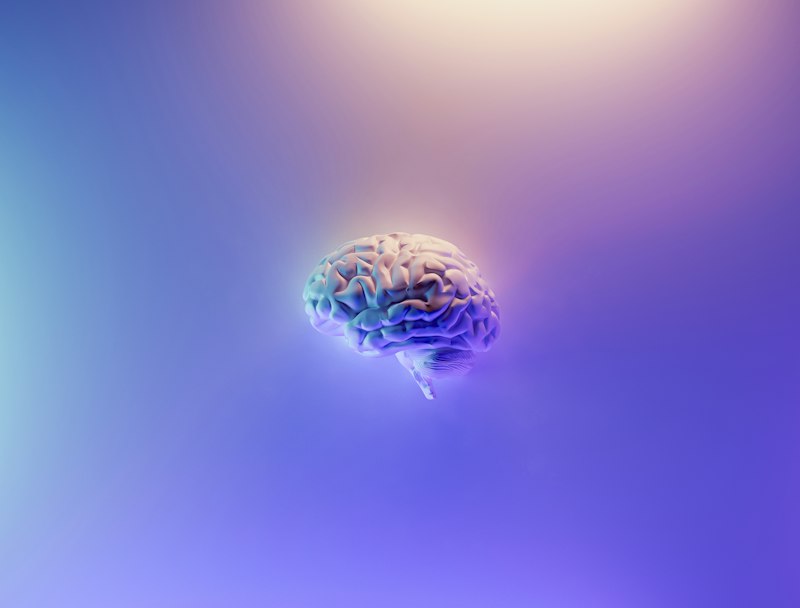
Brain stimulation encompasses a diverse array of advanced neuroscientific techniques designed to directly modulate neuronal activity within the brain. This modulation is achieved through the precise application of various forms of energy, including electrical currents, magnetic fields, or chemical agents, with the primary goal of inducing measurable physiological changes. These induced changes can range from excitation or inhibition of specific neural circuits to the alteration of neurotransmitter release, ultimately impacting brain function and behavior. The fundamental principle underlying these techniques is the understanding that the brain operates via electrochemical signals; by introducing external stimuli, scientists and clinicians can manipulate these signals to investigate brain mechanisms or to therapeutic effect.
At its most basic level, brain stimulation operates by influencing the electrical excitability of neurons, the fundamental building blocks of the nervous system. When electrical currents are applied, they can depolarize or hyperpolarize neuronal membranes, thereby increasing or decreasing the likelihood of an action potential—the electrical impulse neurons use to communicate. Magnetic fields, on the other hand, induce electrical currents in underlying brain tissue through electromagnetic induction, achieving a similar effect without direct physical contact. Chemical stimulation involves introducing neuroactive substances that directly interact with neuronal receptors or influence synaptic transmission. These interventions allow researchers to explore the causal roles of specific brain regions in cognitive processes and behaviors, offering insights that correlational studies cannot provide.
The versatility of brain stimulation techniques allows for their application across a broad spectrum of research and clinical domains. In research settings, they are invaluable tools for mapping brain functions, understanding the neural underpinnings of complex cognitive processes such as memory, attention, and learning, and dissecting the intricate circuitry involved in various psychological phenomena. Clinically, these methods have emerged as powerful therapeutic options for a range of neurological and psychiatric disorders, particularly those resistant to conventional pharmacological or psychotherapeutic treatments. The precision and adaptability of modern brain stimulation approaches continue to drive significant advancements in both our fundamental understanding of the brain and our capacity to treat its ailments.
Historical Foundations and Evolution
The concept of influencing the brain with external forces dates back centuries, with early observations often involving crude electrical phenomena. One of the earliest scientific explorations into the effects of electricity on biological tissue can be attributed to Luigi Galvani in the late 18th century, whose experiments with frog legs demonstrated that electrical currents could induce muscle contractions, laying the groundwork for understanding bioelectricity. While not direct brain stimulation, Galvani’s work established the principle that living tissues respond to electrical stimuli, a foundational idea for future neuroscientific endeavors. This period marked the initial recognition of the body’s intrinsic electrical nature, sparking curiosity about its potential manipulation.
More direct investigations into brain stimulation began in the 19th century. In 1870, German physicians Gustav Fritsch and Eduard Hitzig conducted pioneering experiments where they applied electrical currents to the exposed brains of dogs, demonstrating that specific areas of the cerebral cortex elicited distinct motor responses in the contralateral limbs. This groundbreaking work provided the first empirical evidence of functional localization within the brain, challenging earlier holistic views and establishing the concept of a motor cortex. Their findings were pivotal, showing that stimulating specific brain regions could reliably produce predictable behavioral outputs, thus opening the door for systematic exploration of brain function through direct manipulation.
Throughout the 20th century, the application of brain stimulation expanded significantly, particularly in clinical contexts. In the 1930s, the development of Electroconvulsive Therapy (ECT) by Ugo Cerletti and Lucio Bini marked a controversial yet historically significant milestone. Initially used to induce seizures to treat psychiatric conditions, ECT, despite its early crude applications, demonstrated that broad electrical stimulation could alleviate severe symptoms of depression and psychosis. Later, neurosurgeon Wilder Penfield famously used electrical stimulation during epilepsy surgeries in the mid-20th century to precisely map functional areas of the human brain, allowing for the removal of pathological tissue while preserving critical functions like speech and motor control. These historical developments, from early experiments to clinical applications, underscored the profound potential of external stimuli to interact with and influence the complex workings of the human brain.
Mechanisms of Brain Stimulation
The diverse methods of brain stimulation, whether electrical, magnetic, or chemical, all converge on a common goal: to alter the electrochemical state of neurons and, consequently, the activity of neural circuits. Electrical stimulation, for instance, directly introduces an electrical current into brain tissue. This current creates an electrical field that can either depolarize the neuronal membrane, pushing it closer to its firing threshold and thus increasing its excitability, or hyperpolarize it, making it less likely to fire. The precise effect depends on the current’s polarity, intensity, and duration, as well as the orientation and physiological state of the targeted neurons. This direct manipulation of membrane potential allows for immediate and often precise control over neuronal activity, forming the basis for techniques like Deep Brain Stimulation (DBS) and Transcranial Direct Current Stimulation (tDCS).
Magnetic stimulation, exemplified by Transcranial Magnetic Stimulation (TMS), operates on the principle of electromagnetic induction. A rapidly changing magnetic field generated by a coil placed outside the skull passes unimpeded through the scalp and bone. This fluctuating magnetic field then induces a localized electrical current in the underlying brain tissue. These induced electrical currents are sufficient to depolarize neurons and trigger action potentials, effectively activating or inhibiting specific neural populations. The non-invasive nature of TMS, coupled with its ability to target relatively superficial cortical areas, makes it a powerful tool for both research and clinical applications. The depth and spread of the induced current are influenced by the coil’s geometry, the intensity of the magnetic field, and the conductivity of the brain tissue.
Chemical stimulation involves the direct introduction of neuroactive substances into specific brain regions. This can include neurotransmitters, neuromodulators, or pharmaceutical drugs designed to interact with specific receptors or metabolic pathways within neurons. Unlike electrical or magnetic stimulation, which primarily affect the electrical properties of neurons, chemical stimulation can exert highly specific effects based on the pharmacology of the introduced substance. For example, injecting a dopamine agonist into a particular brain area can mimic the effects of endogenous dopamine, while an antagonist could block its action. Recent advancements in this domain include techniques like optogenetics, where genetically engineered neurons are made sensitive to light, allowing for extremely precise control over their activity through targeted light delivery. This approach provides unparalleled temporal and spatial resolution in manipulating neural circuits, offering profound insights into their function in real-time.
Types of Brain Stimulation Techniques
The field of brain stimulation has diversified into several distinct techniques, each with unique mechanisms, applications, and levels of invasiveness. Among the most prominent invasive techniques is Deep Brain Stimulation (DBS). DBS involves surgically implanting electrodes into specific, deep brain structures, such as the subthalamic nucleus or globus pallidus. These electrodes are then connected to a pulse generator, typically implanted under the skin in the chest, which delivers continuous, high-frequency electrical impulses. DBS has revolutionized the treatment of movement disorders like Parkinson’s disease, essential tremor, and dystonia, significantly reducing debilitating motor symptoms in many patients. Its efficacy stems from its ability to modulate abnormal neural circuit activity in these deep structures, though the precise mechanisms are still an active area of research.
On the non-invasive front, Transcranial Magnetic Stimulation (TMS) stands out as a widely adopted technique. TMS uses an electromagnetic coil placed on the scalp to generate brief, powerful magnetic pulses that induce electrical currents in the superficial layers of the brain. Depending on the frequency and intensity of the pulses, TMS can either excite or inhibit neuronal activity in the targeted cortical region. Repetitive TMS (rTMS) involves administering a series of pulses over a specific duration and has gained FDA approval for treating treatment-resistant depression, obsessive-compulsive disorder (OCD), and migraine. Its non-invasive nature and relatively good safety profile make it an attractive option for modulating cortical excitability and plasticity for both research and therapeutic purposes.
Another non-invasive electrical technique is Transcranial Direct Current Stimulation (tDCS). tDCS involves placing two electrodes on the scalp and delivering a constant, low-amplitude direct current. Unlike TMS, tDCS does not typically induce action potentials directly but rather modulates neuronal excitability, making neurons either more or less likely to fire in response to other inputs. Anodal tDCS generally increases excitability, while cathodal tDCS decreases it. While still largely considered an investigational tool, tDCS is being explored for its potential in cognitive enhancement, rehabilitation following stroke, and treatment for various psychiatric and neurological conditions due to its simplicity, portability, and low cost. The subtle nature of its effects, however, often requires repeated sessions and careful protocol design to achieve meaningful changes.
Beyond these, chemical stimulation, particularly in advanced forms like optogenetics, offers unparalleled precision for research. Optogenetics involves introducing genes into specific neurons, causing them to express light-sensitive proteins called opsins. When light of a specific wavelength is delivered to these neurons (often via implanted optical fibers), the opsins open ion channels, allowing researchers to turn neuronal activity on or off with exquisite temporal and spatial control. This technique has revolutionized neuroscience research, enabling scientists to dissect the causal roles of specific neural circuits in complex behaviors, from memory formation to decision-making, in animal models. While currently primarily a research tool, the insights gained from optogenetics are continuously informing our understanding of brain function and potential future therapeutic targets.
Practical Applications and Examples
To illustrate the practical application of brain stimulation, consider the use of Transcranial Magnetic Stimulation (TMS) in treating a patient with severe, treatment-resistant depression. This individual has likely undergone several rounds of antidepressant medications and psychotherapy without achieving significant relief from their debilitating symptoms. For such a patient, TMS offers a non-invasive alternative that directly targets brain regions implicated in mood regulation.
The “how-to” of applying TMS for depression typically follows a structured process:
- Initial Assessment and Mapping: The patient first undergoes a thorough psychiatric evaluation to confirm the diagnosis of major depressive disorder and ascertain their suitability for TMS. Once deemed appropriate, a motor threshold mapping session is conducted. During this session, the TMS coil is placed over the motor cortex (the part of the brain controlling voluntary movement). Pulses are delivered at varying intensities until a visible twitch in the patient’s hand is observed. This establishes the individual’s motor threshold, which is used to calibrate the treatment intensity, typically around 120% of this threshold.
- Targeting the Dorsolateral Prefrontal Cortex: For depression, the primary target area is usually the left dorsolateral prefrontal cortex (DLPFC), a region critically involved in mood regulation, executive function, and emotional processing. Using anatomical landmarks or neuronavigation systems, the TMS coil is precisely positioned over the DLPFC. High-frequency (e.g., 10 Hz) repetitive TMS (rTMS) is typically applied to this region, as it is thought to increase neuronal activity in an area often found to be underactive in individuals with depression.
- Treatment Sessions: A typical course of TMS involves daily sessions, usually five days a week, for a period of four to six weeks. Each session lasts approximately 20 to 40 minutes, depending on the specific protocol. During the session, the patient sits comfortably in a chair while the TMS coil delivers thousands of magnetic pulses. Patients remain awake and alert, and while they may feel a tapping sensation on their scalp, the procedure is generally well-tolerated with few side effects, primarily mild scalp discomfort or headache.
- Mechanism of Action and Outcome: Over the course of treatment, the repeated magnetic pulses induce enduring changes in neuronal excitability and synaptic plasticity within the targeted DLPFC and its interconnected circuits. This leads to a gradual normalization of brain activity in regions involved in mood regulation. Patients often begin to experience a reduction in depressive symptoms, such as improved mood, increased energy, better sleep, and enhanced ability to engage in daily activities. This example demonstrates how brain stimulation moves beyond pharmacological interventions to directly modulate specific brain circuits, offering a targeted approach to managing complex psychiatric conditions.
Significance, Impact, and Therapeutic Uses
The significance of brain stimulation to the field of psychology and neuroscience is profound, offering both a powerful research methodology and an expanding range of therapeutic interventions. As a research tool, it allows scientists to establish causal links between specific brain regions and behaviors or cognitive functions, moving beyond correlational observations. By transiently activating or inhibiting a particular cortical area using techniques like TMS, researchers can directly observe the immediate impact on tasks involving memory, attention, language, or motor control. This capability has revolutionized our understanding of brain functional anatomy, neural plasticity, and the intricate networks that underpin human cognition and emotion.
The therapeutic impact of brain stimulation has been transformative, particularly for patients suffering from severe and otherwise intractable mental and neurological disorders. Deep Brain Stimulation (DBS) has become a standard treatment for advanced Parkinson’s disease, essential tremor, and certain cases of dystonia, significantly improving motor control and quality of life for thousands of individuals. Its success has also led to its exploration for psychiatric conditions such as severe obsessive-compulsive disorder (OCD) and major depression, showing promise where other treatments have failed. Non-invasive techniques like Transcranial Magnetic Stimulation (TMS) have also emerged as crucial therapies, with FDA approval for major depressive disorder, migraine, and OCD, offering a safer alternative to more invasive procedures for millions of patients.
Beyond direct treatment, brain stimulation techniques are also being explored for their potential in cognitive enhancement and rehabilitation. For instance, tDCS is being investigated as a tool to improve learning, memory, and attention in both healthy individuals and those with cognitive impairments resulting from stroke or neurodegenerative diseases. While these applications are still largely experimental and raise important ethical considerations, they highlight the potential for these technologies to not only restore function but also to optimize cognitive performance. The ability to precisely modulate brain activity opens new frontiers in understanding and harnessing the brain’s inherent plasticity, paving the way for personalized medicine approaches that target specific neural circuits relevant to an individual’s condition or desired outcome.
Emerging Technologies and Future Directions
The field of brain stimulation is rapidly evolving, driven by technological innovations that promise greater precision, efficacy, and accessibility. One of the most exciting advancements is optogenetics, a revolutionary technique that allows for the control of genetically modified neurons using light. By introducing genes for light-sensitive proteins (opsins) into specific neuronal populations, researchers can precisely activate or inhibit their activity with millisecond temporal resolution simply by shining light of a particular wavelength. While currently used predominantly in basic neuroscience research with animal models, optogenetics offers unparalleled insight into the causal roles of specific neural circuits in behavior and disease, laying the groundwork for future highly targeted human therapies, potentially through gene therapy combined with light delivery.
Another area of significant development is the emergence of “closed-loop” or responsive neurostimulation systems. Unlike conventional DBS, which delivers continuous stimulation, closed-loop systems are designed to detect abnormal brain activity (e.g., seizure onset in epilepsy or tremor activity in Parkinson’s) and deliver stimulation only when needed. This adaptive approach not only conserves battery life but, more importantly, provides highly personalized and effective treatment by directly responding to the brain’s real-time physiological state. These intelligent systems leverage advanced algorithms and sophisticated sensing capabilities to create a dynamic interaction with neural circuits, moving towards a future of brain stimulation that is both reactive and proactive in managing neurological conditions.
Furthermore, non-invasive techniques continue to advance, with innovations like focused ultrasound (FUS) gaining traction. FUS uses precisely aimed ultrasonic waves to either temporarily disrupt or permanently ablate target brain tissue without requiring incisions or electrodes. While initially developed for thermal ablation in conditions like essential tremor, low-intensity FUS is being explored for neuromodulation, leveraging mechanical effects to alter neuronal excitability. The non-invasive nature and ability to target deep brain structures make FUS a promising frontier. The future of brain stimulation also envisions greater integration with artificial intelligence for personalized treatment protocols, the development of smaller and more durable implantable devices, and a deeper understanding of brain networks to optimize stimulation parameters for individual patients and a wider range of conditions.
Connections and Relations to Other Psychological Concepts
Brain stimulation techniques are deeply intertwined with numerous fundamental concepts and subfields within psychology and neuroscience. At its core, it connects directly with neuroscience and biological psychology, providing empirical tools to explore the biological bases of behavior, cognition, and emotion. By manipulating neural activity and observing the resultant changes in psychological processes, these techniques help validate and refine theories about brain-behavior relationships. For instance, demonstrating that stimulating a specific brain region enhances memory directly supports theories positing that region’s causal role in memory formation, moving beyond mere correlation.
Within cognitive psychology, brain stimulation is invaluable for understanding how various brain regions contribute to complex mental processes. Researchers use TMS, for example, to temporarily disrupt the function of specific cortical areas while participants perform tasks related to attention, executive function, language processing, or decision-making. Observing deficits in performance during stimulation allows for the precise mapping of brain regions to specific cognitive functions, providing critical insights into the neural architecture of the mind. This approach complements neuroimaging studies by offering a causal, rather than purely correlational, understanding of cognitive neural circuits.
The most direct connections are found in clinical psychology and psychiatry, where brain stimulation methods have transitioned from experimental tools to established therapeutic interventions. Techniques like ECT, TMS, and DBS are directly applied to treat severe psychiatric disorders such as major depression, OCD, and Tourette’s syndrome, as well as neurological conditions like Parkinson’s disease and epilepsy. These applications are often informed by theories of abnormal neural circuitry in these disorders, aiming to restore balance or normalize activity in dysfunctional brain networks. Furthermore, the ethical considerations surrounding brain stimulation, particularly regarding potential cognitive enhancement or personality changes, form a critical intersection with neuroethics, a burgeoning field that examines the societal implications of neuroscience advancements.
The broader category to which brain stimulation belongs is Neurotechnology, a multidisciplinary field focused on developing tools and methods to understand, monitor, and manipulate the nervous system. Within psychology, it is a core component of cognitive neuroscience and clinical neuroscience, representing the cutting edge of how we interact with the brain. It fundamentally challenges and expands our understanding of brain plasticity, demonstrating that the brain is not a static organ but one that can be actively modulated and potentially rewired to improve function or alleviate pathology. This dynamic interaction between technology and the brain continues to redefine the boundaries of what is possible in psychological and neurological treatment and research.