Neuroendocrinology: The Rat That Defied Human Biology
Scientifically Reviewed · Dr. Marwa Abd-Alazim · October 19, 2026
Review Criteria & Clinical Standards
This content undergoes rigorous scientific peer-review and medical editorial standards at Arab Psychology Network to ensure clinical accuracy, validity, and compliance with evidence-based guidelines from leading psychological and healthcare authorities (APA / WHO).
The Core Definition and Physiological Defect
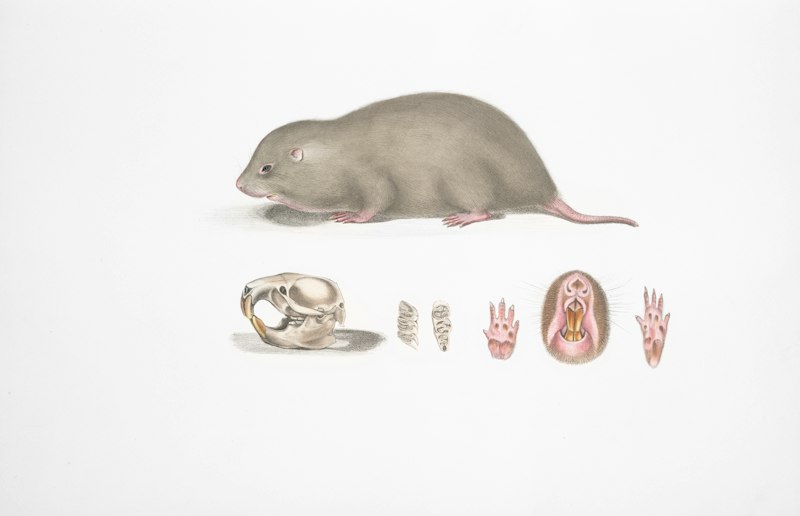
The Brattleboro rat (Rattus norvegicus) is a highly significant strain of laboratory rat, characterized fundamentally by a spontaneous genetic mutation that renders it incapable of producing the hormone Arginine Vasopressin (AVP), also known as Antidiuretic Hormone (ADH). This specific deficiency leads to a chronic condition known as Central Diabetes Insipidus (DI), distinguishing this strain from virtually all other research models. The lack of AVP, a crucial peptide synthesized primarily in the hypothalamus and released by the posterior pituitary gland, prevents the kidneys from properly reabsorbing water, resulting in extreme polyuria (excessive urination) and compensatory polydipsia (excessive thirst).
The fundamental mechanism underlying this condition is a specific deletion within the gene responsible for the synthesis of the AVP precursor molecule. Because AVP plays a critical dual role—both regulating fluid balance in the periphery (kidneys) and acting as a powerful neurotransmitter and neuromodulator in the central nervous system (CNS)—the Brattleboro rat provides a unique opportunity to study the intricate connections between hormonal signaling, fluid homeostatic mechanisms, and complex behavioral patterns. Its utility extends far beyond simple endocrinology, offering deep insights into how a single genetic defect can profoundly influence physiological stability, lifespan, and key psychological functions such as stress response and memory consolidation.
While the Brattleboro rat is often cited for its physiological characteristics—including certain observations suggesting a lower basal metabolic rate and resistance to diet-induced obesity compared to normal Wistar rats—its primary value in psychology and neuroscience rests solely on the absence of AVP. This makes the strain a natural “knockout” model, allowing researchers to isolate and study the manifold functions of this essential neurohormone without the complications inherent in surgically or chemically induced deficiencies. Understanding the consequences of AVP deficiency is critical for grasping the broader principles of neuroendocrine control over behavior.
Historical Discovery and Origin
The origin of this valuable strain dates back to the late 1950s in the United States. The rats were initially developed from a colony of wild rats captured in the towns of Brattleboro and Putney, Vermont, giving the strain its distinctive name. The defining characteristic—the manifestation of Diabetes Insipidus—was first observed serendipitously in 1961 by Dr. Henry A. Schroeder and his colleagues while maintaining the colony at the Dartmouth Medical School. They noticed that some individuals within the developing colony exhibited dramatically increased fluid intake and output compared to their littermates.
The subsequent characterization of this trait revealed that the affected rats were unable to concentrate their urine, confirming a diagnosis of DI. Crucially, researchers were able to confirm that the condition was inherited in an autosomal recessive fashion. The scientific community quickly recognized the profound importance of this discovery, as it offered the first viable, naturally occurring mammalian model for studying central DI and the specific function of AVP. This led to rapid dissemination of the strain to research institutions worldwide, transforming the study of osmoregulation and neuroendocrinology.
The historical significance lies in the fact that researchers did not have to artificially induce the deficiency; the Brattleboro rat presented a stable, reproducible genetic mutation. This stability allowed for large-scale, long-term studies that characterized not only the immediate symptoms of DI but also the compensatory mechanisms developed by the rat’s body, such as the increased size of the bladder and the constant drive for water consumption. The meticulous work establishing the genetic basis of the mutation—a deletion in the AVP-neurophysin II gene—solidified the Brattleboro rat’s position as a cornerstone model in molecular neuroendocrinology research throughout the 1960s and 1970s.
The Role of Vasopressin in Behavioral Neuroscience
While AVP is known primarily for its anti-diuretic effects, its function within the brain is profoundly important to psychology, particularly in the fields of social behavior, stress response, and memory. In the central nervous system, AVP acts as a neuromodulator, influencing circuits involved in Neuroendocrinology. In normal rats, AVP signaling is linked to the regulation of anxiety, aggression, and affiliation. The absence of AVP in the Brattleboro rat thus provides a direct mechanism for studying the behavioral consequences of this hormonal deficit independent of other factors.
Research using the Brattleboro model has been instrumental in understanding the hypothalamic-pituitary-adrenal (HPA) axis, the body’s central stress response system. AVP works synergistically with Corticotropin-releasing hormone (CRH) to modulate the stress response. In the absence of AVP, the regulation and efficacy of the HPA axis can be significantly altered, leading researchers to use this strain to model vulnerability to stress-related disorders. Studies have explored how the lack of AVP impacts coping strategies and emotional regulation in response to various stressors, providing vital clues about hormonal involvement in psychological resilience.
Furthermore, AVP is intimately involved in cognitive processes, specifically memory consolidation and retrieval. Receptors for AVP are heavily localized in brain regions critical for learning, such as the hippocampus and amygdala. Brattleboro rats often exhibit deficits in certain forms of learning and memory tasks, particularly those requiring complex spatial or associative recall. By comparing the cognitive performance of Brattleboro rats with that of control rats, and then observing the effects of systemic or intracerebral administration of AVP, scientists can precisely map the neural pathways through which this hormone exerts its cognitive influence, contributing significantly to our understanding of the biological basis of memory.
Applications in Behavioral Neuroscience
The application of the Brattleboro rat in neuroscience is diverse, focusing on elucidating fundamental principles of neurohormonal control. One major area of application is the study of addiction and motivation. Since AVP signaling interacts closely with the dopamine reward pathways, the Brattleboro model has been used to investigate potential alterations in drug-seeking behaviors, demonstrating how fluid balance and stress hormones can indirectly modulate the brain’s reward system. This is crucial for developing therapies that target the neuroendocrine components of substance use disorders.
Another significant application lies in comparative psychology and the study of mammalian social behavior. Although AVP’s most dramatic effects on social bonding are observed in specific species of voles, the Brattleboro rat still provides insight into generalized social recognition and affiliative behaviors in rats. Researchers can administer AVP antagonists or agonists to control rats and compare the results to the naturally deficient Brattleboro strain, allowing for the isolation of specific receptor subtypes responsible for mediating complex social interactions, such as mate recognition and parental care.
The strain is also essential for pharmacological screening and therapy development. Because the Brattleboro rat suffers from a well-defined monogenic disorder (a disease caused by a single gene defect), it serves as an excellent model for testing novel therapeutic agents designed to treat Diabetes Insipidus or other related neuroendocrine dysfunctions. Beyond DI, the model is used to investigate the mechanisms of action of pharmaceutical compounds that target vasopressin receptors (V1a, V1b, V2) in the brain and periphery, informing treatments for conditions ranging from congestive heart failure to obsessive-compulsive disorder, where AVP signaling may be implicated.
A Practical Research Example: Thirst Regulation
A powerful practical example illustrating the utility of the Brattleboro rat involves the study of central homeostatic drives, specifically the drive for water consumption (thirst). In a typical laboratory setting, a normal control rat might consume 20-30 milliliters of water per day to maintain fluid balance. The Brattleboro rat, due to its inability to conserve water, will consume an extraordinary amount, often exceeding 100-200 milliliters per day, a volume several times its normal requirement.
A research protocol designed to demonstrate the hormonal control over this behavior would typically follow an ordered, multi-step process. First, researchers establish a baseline measurement, meticulously recording the water intake, urine output, and urine concentration of the Brattleboro rat (which will be extremely dilute). Second, a synthetic analog of Arginine Vasopressin, such as dDAVP, is administered, typically via injection or osmotic pump, to the Brattleboro rat.
The third, critical step involves observing the immediate and dramatic physiological and behavioral changes. Within hours of administration, the synthetic AVP acts on the kidney receptors, allowing for water reabsorption. This leads to a precipitous drop in urine output and a corresponding increase in urine concentration. Behaviorally, the intense, chronic thirst drive dissipates, and the rat’s water intake rapidly normalizes to levels comparable to the control strain. This practical example provides irrefutable evidence that AVP is the sole and necessary hormonal regulator for this primary homeostatic behavior, making the Brattleboro rat an unparalleled tool for teaching and research in behavioral endocrinology.
Significance and Impact in Understanding Homeostasis
The significance of the Brattleboro rat transcends its role as a model for Diabetes Insipidus; it fundamentally changed how researchers understood hormonal integration and biological feedback loops. Prior to this discovery, demonstrating that a single, specific hypothalamic peptide could govern both peripheral fluid balance and central behavioral states was difficult. The Brattleboro rat provided a clear, undeniable case study of a complete system failure caused by a single, traceable defect, thereby illuminating the function of the missing component.
Its impact is particularly profound in the study of aging and metabolism, areas initially explored but now understood through a neuroendocrine lens. While the original strain exhibited a longer lifespan and resistance to obesity, subsequent research has linked these traits back, in part, to the complex metabolic interplay regulated by AVP and related peptides. By helping define the precise mechanisms through which AVP influences renal function, cardiovascular health, and even glucose metabolism, the Brattleboro rat has served as a cornerstone for geriatric and metabolic research, highlighting how stable internal environments are prerequisites for healthy longevity.
In modern psychology, the rat’s enduring significance lies in challenging reductionist views of behavior. It demonstrates that complex psychological states—such as stress reactivity, social interaction, and cognitive function—cannot be separated from the underlying physiological and hormonal machinery. By providing a clear window into the functioning of the central nervous system without a key neuropeptide, the Brattleboro rat continues to be an essential reference point for validating theories about the biological basis of motivation, emotion, and neurodevelopmental processes impacted by hormonal signaling.
Connections to Related Psychological Concepts
The study of the Brattleboro rat is intrinsically linked to several major subfields and theoretical concepts within psychology. Foremost among these is Neuroendocrinology, the field dedicated to studying the interaction between the nervous system and the endocrine system. The Brattleboro rat is arguably the most important non-human model for central neuroendocrinology, demonstrating the synthesis, transport, and release of neurohormones from the hypothalamus to the pituitary gland.
The concept of Homeostasis is another central theme. The severe fluid imbalance experienced by the Brattleboro rat is a perfect example of a catastrophic failure in homeostatic regulation. Researchers use this model to understand the feedback loops involving osmoreceptors in the brain that detect changes in blood concentration and signal the need for AVP release or the induction of thirst behavior. This relationship extends to drive theory in motivation, as the powerful, chronic thirst experienced by the rat represents an extreme biological drive necessary for survival.
Furthermore, the research connects directly to Biological Psychology and Comparative Psychology, especially in understanding the evolutionary conservation of hormonal systems. The involvement of Arginine Vasopressin (and its related peptide, Oxytocin) in social attachment and parental behavior across mammalian species provides a framework for understanding human behavior. By manipulating AVP levels in the Brattleboro model, researchers gain critical comparative data that informs theories regarding the biochemical basis of human bonding, aggression, and the regulation of stress via the HPA axis, demonstrating the foundational importance of this unique model organism.