Bulbar Paralysis: Understanding the Brainstem’s Decline
Scientifically Reviewed · Dr. Marwa Abd-Alazim · October 7, 2026
Review Criteria & Clinical Standards
This content undergoes rigorous scientific peer-review and medical editorial standards at Arab Psychology Network to ensure clinical accuracy, validity, and compliance with evidence-based guidelines from leading psychological and healthcare authorities (APA / WHO).
Core Definition and Mechanisms
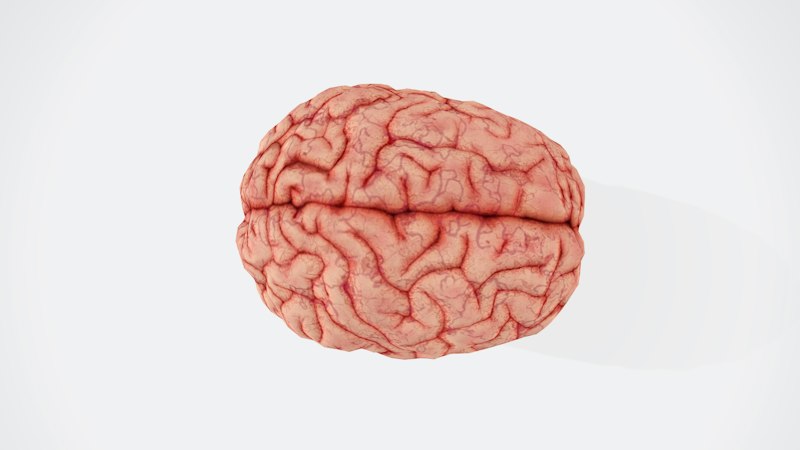
Bulbar paralysis is a complex neurological syndrome characterized by the progressive weakness or paralysis of muscles controlled by the lower cranial nerves originating from the brainstem’s medulla oblongata, often referred to as the “bulb.” This critical region of the brainstem houses the nuclei for several important cranial nerves, specifically the Glossopharyngeal (IX), Vagus (X), Accessory (XI), and Hypoglossal (XII) nerves. These nerves are vital for orchestrating essential functions such as speaking, swallowing, and breathing. The term “bulbar” precisely refers to this anatomical location, distinguishing it from other types of paralysis that might affect limbs or other body parts.
The fundamental mechanism underlying bulbar paralysis involves damage or dysfunction to the lower motor neurons within these cranial nerve nuclei, or to the nerve fibers themselves as they exit the brainstem and innervate the target muscles. When these motor neurons are compromised, they fail to transmit the necessary electrical signals to the muscles of the face, throat, and tongue. This interruption leads to flaccid weakness, muscle atrophy, and impaired voluntary movement. The resulting symptoms are a direct consequence of the inability of these muscles to perform their coordinated actions effectively, leading to significant challenges in daily life.
Key manifestations of bulbar paralysis include dysphagia, which is difficulty swallowing; dysarthria, characterized by slurred or unclear speech due to poor articulation; and dysphonia, referring to changes in voice quality such as hoarseness or weakness. Additionally, patients may experience facial weakness, inability to move the tongue effectively, and in severe cases, compromise of respiratory muscles, leading to breathing difficulties. Understanding the anatomical and physiological basis of bulbar paralysis is crucial for differentiating it from other neurological conditions and for guiding appropriate diagnostic and therapeutic interventions.
Historical Perspective and Early Observations
The recognition of neurological deficits affecting speech and swallowing has roots in early medical observations, though the specific syndrome of bulbar paralysis as a distinct entity emerged more clearly with the advancements in neurology during the 19th century. Early neurologists began to systematically categorize and describe various paralytic conditions, distinguishing between those affecting the limbs and those impacting the vital functions controlled by the brainstem. The term “bulbar” itself became prominent as medical understanding of brain anatomy and function deepened, specifically pointing to the medulla oblongata as the origin of these critical motor pathways.
Much of the early understanding of bulbar paralysis was intertwined with the study of neurodegenerative diseases, particularly Amyotrophic Lateral Sclerosis (ALS). Pioneers such as Jean-Martin Charcot, a renowned French neurologist in the late 19th century, made significant contributions to the clinical characterization of ALS, noting the profound bulbar symptoms that often accompany or even initiate the disease. He described the progressive muscle weakness, atrophy, and fasciculations, including those affecting the tongue and pharyngeal muscles, which are hallmark signs of lower motor neuron involvement in the bulbar region.
The detailed observation and pathological studies conducted during this period helped to establish bulbar paralysis not just as a symptom, but as a critical clinical presentation indicative of specific underlying neurological pathologies. As diagnostic tools and neurological examinations became more refined, physicians were able to better differentiate between acute and chronic causes of bulbar dysfunction, leading to a more nuanced understanding of conditions like brainstem strokes, infections, and autoimmune disorders that could manifest with similar bulbar symptoms. This historical progression from general observations to precise pathological correlations laid the groundwork for modern neurological diagnostics.
Clinical Manifestations and Symptoms
The presentation of bulbar paralysis is characterized by a constellation of symptoms directly stemming from the impaired function of the lower cranial nerves, primarily affecting the muscles of the mouth, throat, and tongue. One of the most prominent and distressing symptoms is dysphagia, or difficulty swallowing. Patients may struggle to initiate a swallow, experience food or liquids getting stuck in the throat, or cough and choke frequently during meals. This impairment can lead to significant weight loss, malnutrition, and a high risk of aspiration pneumonia, where food or liquid enters the airways instead of the esophagus, posing a serious threat to health.
Another defining characteristic is dysarthria, which refers to slurred, slow, or difficult speech. The muscles involved in articulating words – the lips, tongue, soft palate, and pharynx – become weak or uncoordinated. This can result in speech that is nasal, breathy, or indistinct, making communication challenging and frustrating for the individual. Furthermore, changes in voice quality, known as dysphonia, are common; the voice may become weak, hoarse, or monotone due to weakness of the vocal cords and laryngeal muscles. These speech and voice impairments significantly impact a person’s ability to interact socially and professionally.
Beyond swallowing and speech difficulties, patients with bulbar paralysis may exhibit other observable signs. These can include facial weakness, manifesting as a drooping mouth corner, difficulty smiling symmetrically, or problems with lip closure. The tongue often shows signs of atrophy, appearing shrunken or furrowed, and may exhibit involuntary twitching movements known as fasciculations, which are indicative of lower motor neuron damage. The patient might also struggle to protrude the tongue or move it from side to side. In advanced stages, particularly when the underlying cause is progressive, the weakness can extend to muscles involved in breathing, necessitating respiratory support and becoming a life-threatening complication.
Diagnostic Approaches
Diagnosing bulbar paralysis requires a meticulous and comprehensive approach, integrating a thorough clinical evaluation with specialized diagnostic tests to pinpoint the underlying cause. The process typically begins with a detailed medical history, where the physician inquires about the onset, progression, and specific nature of symptoms, as well as any associated neurological or systemic conditions. This history is crucial for understanding whether the onset was acute (as in a stroke), subacute (as in Guillain-Barré syndrome), or chronic and progressive (as in Amyotrophic Lateral Sclerosis or some neurodegenerative disorders).
A comprehensive neurological examination is paramount. The clinician meticulously assesses the function of the cranial nerves, paying close attention to facial symmetry, strength of jaw closure, tongue movement and presence of atrophy or fasciculations, soft palate elevation, and the gag reflex. Speech quality (for dysarthria and dysphonia) and swallowing ability (for dysphagia) are also carefully evaluated. Muscle strength in the limbs, reflexes, and sensory function are also tested to determine if the neurological deficits extend beyond the bulbar region, which can provide crucial clues about the extent and type of neurological disease.
To confirm the diagnosis and identify the etiology, several laboratory and imaging tests are commonly employed. Blood tests may be ordered to screen for inflammatory markers, autoimmune antibodies (e.g., for myasthenia gravis), metabolic imbalances, or infectious agents. Imaging studies, particularly Magnetic Resonance Imaging (MRI) of the brainstem, are essential to visualize structural lesions such as tumors, infarcts (strokes), or areas of demyelination. Electromyography (EMG) and Nerve Conduction Studies (NCS) are neurophysiological tests that assess the electrical activity of muscles and the speed of nerve impulse conduction, respectively. These tests are invaluable for confirming lower motor neuron involvement, detecting muscle denervation, and differentiating between neuromuscular junction disorders, myopathies, and neuropathies. Additionally, specialized swallowing assessments like videofluoroscopic swallowing studies (VFSS) or fiberoptic endoscopic evaluation of swallowing (FEES) can objectively visualize and analyze the swallowing mechanism, identifying specific deficits and guiding therapeutic interventions.
Treatment Strategies and Management
The treatment of bulbar paralysis is multifaceted, primarily focusing on addressing the underlying cause of the condition while simultaneously managing the debilitating symptoms to improve the patient’s quality of life. Since bulbar paralysis is a manifestation of various neurological disorders, the specific treatment approach is highly dependent on the accurate diagnosis of the etiological factor. For instance, if the cause is an autoimmune condition like myasthenia gravis, immunosuppressive medications such as corticosteroids or acetylcholinesterase inhibitors (e.g., pyridostigmine) are often prescribed. In cases of acute stroke affecting the brainstem, treatments might include thrombolytics or anticoagulants to restore blood flow and prevent further damage. If a tumor is compressing the brainstem, surgical resection, radiation therapy, or chemotherapy may be necessary.
Symptomatic management is a cornerstone of care for bulbar paralysis, particularly in conditions where a cure is not available or during the recovery phase. Speech-language pathologists play a critical role in addressing dysarthria and dysphonia. They work with patients to improve articulation through targeted exercises, enhance voice projection, and develop compensatory communication strategies, which may include assistive communication devices or augmentative and alternative communication (AAC) systems. For dysphagia, speech therapists provide swallowing therapy, which involves specific exercises to strengthen swallowing muscles, postural adjustments during meals, and recommendations for dietary modifications, such as thickened liquids and pureed or soft foods, to minimize aspiration risk.
Beyond speech and swallowing, comprehensive care often involves a multidisciplinary team. Respiratory therapists monitor lung function and provide interventions such as non-invasive ventilation (e.g., BiPAP or CPAP) or, in severe cases, invasive mechanical ventilation if respiratory muscles are significantly weakened. Nutritionists ensure adequate caloric and fluid intake, sometimes recommending nutritional supplements or, if oral intake is unsafe, the insertion of feeding tubes (e.g., nasogastric tube or gastrostomy tube). Physical therapy may also be beneficial, especially if the underlying condition affects other motor functions, helping to maintain general strength, mobility, and prevent secondary complications. Regular monitoring and adjustments to the treatment plan are essential as the patient’s condition evolves.
Living with Bulbar Paralysis: A Practical Perspective
Consider the case of Mr. Davies, a 62-year-old retired teacher who began noticing subtle changes in his speech. Initially, he dismissed it as fatigue, but gradually, his family pointed out that his words were becoming increasingly slurred, a condition known as dysarthria. Eating became a challenge; he started choking on liquids and found it difficult to chew and swallow solid foods, experiencing dysphagia. These symptoms severely impacted his daily life, leading to frustration and social withdrawal. Simple pleasures like sharing a meal with his wife or engaging in lively conversations with friends became sources of anxiety and embarrassment. His voice also became softer and more nasal, altering his familiar speaking pattern.
Upon diagnosis of a progressive neurological condition causing his bulbar paralysis, Mr. Davies embarked on a comprehensive rehabilitation program. A speech-language pathologist became an indispensable part of his care team. For his dysarthria, the therapist taught him compensatory strategies, such as speaking slowly, enunciating each word carefully, and using shorter sentences. They practiced specific tongue and lip exercises to improve articulation. When verbal communication became too effortful, the therapist introduced him to an augmentative and alternative communication (AAC) device, a tablet with text-to-speech capabilities, which allowed him to express his thoughts clearly and maintain his independence in communication.
To manage his dysphagia, the swallowing therapist recommended a modified diet consisting of pureed foods and thickened liquids, which were easier and safer to swallow. Mr. Davies learned specific swallowing techniques, such as the chin tuck maneuver, to protect his airway. His family received training on how to prepare his meals safely and recognize signs of aspiration. Although these adjustments required significant lifestyle changes, they were crucial for preventing serious complications like aspiration pneumonia and ensuring he received adequate nutrition. This practical, step-by-step application of therapeutic interventions allowed Mr. Davies to regain a sense of control over his life and maintain meaningful interactions with his loved ones, despite the challenges posed by his condition.
Significance and Impact
The concept of bulbar paralysis holds profound significance within the field of neurology, serving as a critical indicator of various underlying neurological pathologies and exerting a substantial impact on patients’ quality of life. Its presence often signals the involvement of crucial brainstem structures and lower cranial nerves, which are essential for basic life-sustaining functions. Therefore, an understanding of bulbar paralysis is not merely academic; it is vital for early diagnosis, appropriate management, and prognostic assessment of numerous neurological disorders, ranging from treatable conditions to progressive and fatal diseases.
The impact of bulbar paralysis on an individual’s life is immense, primarily due to the severe functional impairments it causes. The inability to speak clearly (dysarthria) isolates individuals, affecting their ability to communicate needs, thoughts, and emotions, leading to profound psychological distress and social withdrawal. Even more critically, dysphagia poses a direct threat to life, as the risk of aspiration pneumonia is high, often leading to hospitalizations and a significant cause of morbidity and mortality. These challenges necessitate a comprehensive, multidisciplinary approach to care, involving neurologists, speech-language pathologists, dietitians, and respiratory therapists, all working to mitigate the severe consequences of bulbar dysfunction.
Beyond its direct clinical implications, the study of bulbar paralysis contributes significantly to neurological research, particularly in understanding motor neuron diseases and other neurodegenerative processes. By examining the patterns of bulbar involvement, researchers gain insights into disease progression, potential biomarkers, and therapeutic targets. Its presence in conditions like Amyotrophic Lateral Sclerosis (ALS) underscores the importance of the bulbar region as a vulnerable area in neurodegeneration. Furthermore, the principles of rehabilitation developed for bulbar paralysis, especially in speech and swallowing therapy, have broad applications in managing similar deficits arising from other neurological injuries or diseases, enhancing overall patient care and rehabilitation strategies across various neurological conditions.
Connections and Relations
Bulbar paralysis is not a standalone disease but rather a clinical syndrome that can arise from a multitude of neurological conditions, making its understanding crucial for differential diagnosis in neurology. It primarily falls under the broader categories of Neuromuscular Disorders and Neurodegenerative Diseases, depending on its underlying cause. A key distinction often made is between bulbar paralysis (due to lower motor neuron lesions in the brainstem nuclei or their axons) and pseudobulbar palsy, which results from upper motor neuron lesions affecting the corticobulbar tracts that project to the brainstem nuclei. While both present with similar symptoms like dysarthria and dysphagia, pseudobulbar palsy often includes signs of spasticity, exaggerated reflexes, and emotional lability, whereas bulbar paralysis typically features flaccid weakness, muscle atrophy, and fasciculations.
Several significant neurological conditions are closely associated with bulbar paralysis:
- Amyotrophic Lateral Sclerosis (ALS): This is perhaps the most well-known association. ALS is a progressive neurodegenerative disease that affects both upper and lower motor neurons. Bulbar onset ALS, where symptoms like dysphagia and dysarthria are among the first to appear, is particularly challenging and often has a faster progression.
- Myasthenia Gravis: An autoimmune disorder characterized by fluctuating muscle weakness, often affecting the ocular, facial, and bulbar muscles. Patients may experience worsening dysphagia and dysarthria with activity or towards the end of the day, improving with rest or specific medications.
- Stroke: Brainstem strokes can acutely damage the bulbar nuclei or their descending pathways, leading to sudden onset of bulbar paralysis. The extent of paralysis depends on the location and size of the infarct.
- Guillain-Barré Syndrome (GBS): An acute demyelinating polyneuropathy that can affect cranial nerves in addition to peripheral nerves, leading to bulbar symptoms, often alongside ascending paralysis.
- Poliomyelitis: Historically, polio, caused by the poliovirus, was a significant cause of bulbar paralysis, as the virus directly attacked motor neurons, including those in the brainstem. While largely eradicated, post-polio syndrome can sometimes involve new or worsening bulbar weakness.
Understanding these connections is vital for clinicians to accurately diagnose the specific etiology behind bulbar paralysis, which, in turn, dictates the most effective treatment and management strategies. The multidisciplinary approach employed in managing bulbar paralysis often draws upon insights from various subfields within neurology, including neuromuscular medicine, neurorehabilitation, and neurodegenerative disease research, highlighting its central role in clinical practice and scientific inquiry.