Calcium Homeostasis: The Hidden Key to Mental Clarity
Scientifically Reviewed · Dr. Marwa Abd-Alazim · September 28, 2026
Review Criteria & Clinical Standards
This content undergoes rigorous scientific peer-review and medical editorial standards at Arab Psychology Network to ensure clinical accuracy, validity, and compliance with evidence-based guidelines from leading psychological and healthcare authorities (APA / WHO).
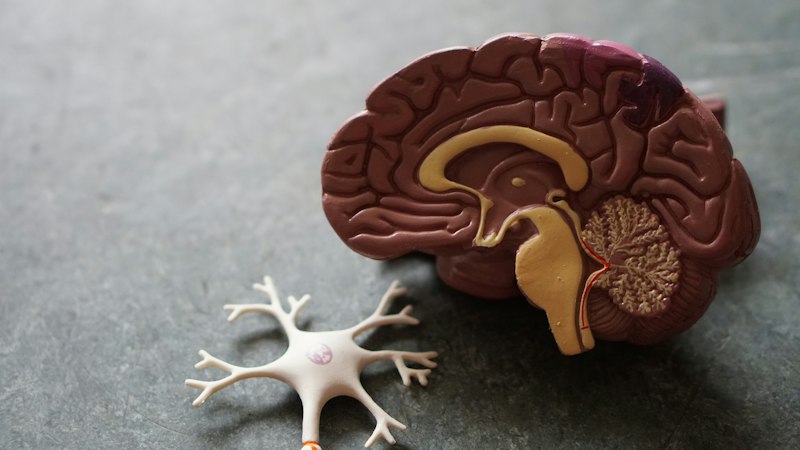
Calcium-Deficiency Disorders: A Review
Calcium-deficiency disorders are a group of clinical conditions caused by insufficient calcium in the diet or body. They are a significant cause of morbidity and mortality worldwide and can have a negative impact on quality of life. This article reviews the current evidence on the prevalence, etiology, diagnosis, and management of calcium-deficiency disorders.
Epidemiology
Calcium-deficiency disorders are a major public health issue, affecting an estimated 1.7 billion people worldwide. The prevalence of calcium-deficiency disorders varies by region and age group. In the United States, calcium-deficiency disorders are most common in older adults, with an estimated prevalence of 5-15%. In developing countries, calcium-deficiency disorders are more common in children and adolescents, with a prevalence of up to 20%.
Etiology
Calcium-deficiency disorders are caused by inadequate calcium intake or absorption, or increased calcium losses due to disease or medications. Inadequate dietary calcium intake is the most common cause of calcium-deficiency disorders. Other causes include malabsorption due to gastrointestinal or intestinal diseases, certain medications, vitamin D deficiency, excessive intake of caffeine or alcohol, and certain genetic disorders.
Diagnosis
Calcium-deficiency disorders can be diagnosed through laboratory tests, such as serum calcium and phosphorus levels, serum parathyroid hormone (PTH) levels, and urine calcium and phosphorus levels. Additionally, imaging studies, such as dual-energy x-ray absorptiometry (DXA) or computed tomography (CT) scans can be used to diagnose calcium-deficiency disorders.
Management
The treatment of calcium-deficiency disorders depends on the underlying cause. Dietary modifications, including increased intake of calcium-rich foods, may be recommended. Supplementation with calcium and vitamin D may also be recommended. For individuals with malabsorption due to gastrointestinal or intestinal diseases, medications, such as calcium citrate, may be prescribed. In cases of severe calcium-deficiency disorders, intravenous calcium may be necessary.
Conclusion
Calcium-deficiency disorders are a major public health issue owing to their prevalence and significant impact on quality of life. The diagnosis and management of calcium-deficiency disorders is complex and requires a thorough evaluation of dietary intake, laboratory tests, and imaging studies. Treatment typically involves dietary modification, supplementation, and, in some cases, medications or intravenous calcium.
References
Arnson, Y., Amital, H., & Shoenfeld, Y. (2010). Vitamin D and autoimmunity: New aetiological and therapeutic considerations. Annals of the Rheumatic Diseases, 69(9), 1541–1545. https://doi.org/10.1136/ard.2009.123106
Breslau, N. A., Brinkley, L., Hill, K. D., Pak, C. Y., & Cirillo, P. M. (1988). Relationship of animal protein-rich diet to kidney stone formation and calcium metabolism. Journal of Clinical Endocrinology & Metabolism, 66(6), 140–146. https://doi.org/10.1210/jcem-66-6-140
Khan, A. A., & Ismail, T. (2016). Calcium and vitamin D metabolism: Physiology and pathophysiology. Indian Journal of Endocrinology and Metabolism, 20(3), 319–332. https://doi.org/10.4103/2230-8210.178655
Lee, M. K., & Silverberg, S. J. (2020). Calcium and phosphate disorders. American Family Physician, 101(4), 224–229.
Nguyen, T. T., & Eisman, J. A. (2016). Calcium and vitamin D deficiency disorders. Best Practice & Research Clinical Endocrinology & Metabolism, 30(3), 441–454. https://doi.org/10.1016/j.beem.2016.04.004