Cannabis Use Disorder: Breaking Free from Dependency
Scientifically Reviewed · Dr. Marwa Abd-Alazim · September 11, 2026
Review Criteria & Clinical Standards
This content undergoes rigorous scientific peer-review and medical editorial standards at Arab Psychology Network to ensure clinical accuracy, validity, and compliance with evidence-based guidelines from leading psychological and healthcare authorities (APA / WHO).
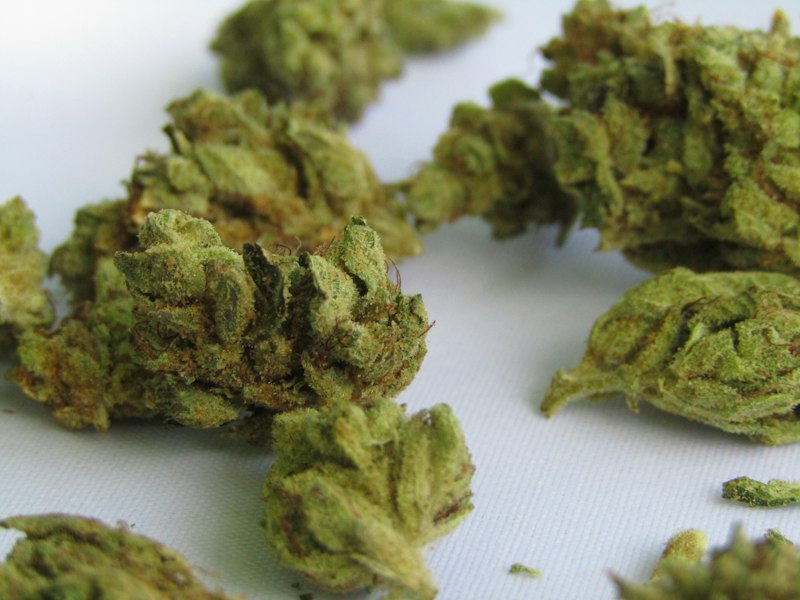
Defining Cannabis Abuse and Cannabis Use Disorder
The concept of Cannabis Abuse, as defined in the DSM-IV-TR (Diagnostic and Statistical Manual of Mental Disorders, Fourth Edition, Text Revision), refers primarily to a detrimental pattern of repeated and excessive cannabis use leading to clinically significant impairment or distress. This diagnosis centered on the negative consequences stemming from the use, rather than the physiological compulsion inherent in dependence. Specifically, abuse was identified when recurrent use resulted in failure to fulfill major role obligations at work, school, or home; recurrent use in situations where it was physically hazardous (such as driving); recurrent cannabis-related legal problems; or continued use despite having persistent or recurrent social or interpersonal problems caused or exacerbated by the effects of the substance. It is crucial to understand that the DSM-IV framework differentiated sharply between abuse, which focused on behavioral consequences, and Cannabis Dependence, which included criteria related to tolerance, withdrawal, and compulsive substance-seeking behavior. While the DSM-IV acknowledged that dependence on cannabis was clinically significant and did occur, it was often noted to be less frequent or severe than dependence on substances like alcohol or opioids, though the potential for severe psychological and physical addiction remained a serious consideration for heavy users.
The transition to the DSM-5 marked a significant conceptual shift, consolidating both abuse and dependence into a single overarching diagnosis: Cannabis Use Disorder (CUD). This revised nomenclature acknowledges that substance-related problems exist along a continuum of severity, ranging from mild to severe. CUD is defined by a problematic pattern of cannabis use leading to clinically significant impairment or distress, manifested by at least two of eleven criteria occurring within a 12-month period. This framework integrates the behavioral aspects previously categorized under ‘abuse’ (such as role failure and hazardous use) with the physiological and compulsive aspects previously categorized under ‘dependence’ (such as tolerance and withdrawal). This unified approach provides clinicians with a more flexible and accurate tool for diagnosing and assessing the scope of an individual’s struggle with cannabis use, emphasizing that even mild forms of the disorder warrant clinical attention and intervention. The underlying pathology involves a maladaptive pattern of cognitive, behavioral, and physiological symptoms indicating that the individual continues using the substance despite significant substance-related problems.
The term excessive cannabis use is central to understanding the pathology of CUD. This excess is not merely defined by frequency but by the dose, duration, and the resulting negative impact on life function. Chronic, heavy use of high-potency cannabis strains (those rich in delta-9-tetrahydrocannabinol, or THC) significantly elevates the risk profile. The psychological consequences of this excessive use frequently manifest as heightened states of anxiety, paranoia, and acute panic attacks, particularly during periods of acute intoxication. Furthermore, chronic exposure can induce more pervasive mental health issues, including the precipitation or exacerbation of underlying psychotic disorders. Therefore, the contemporary clinical focus remains on identifying the pattern of use that transcends recreational boundaries and actively interferes with an individual’s psychological stability and societal functioning, recognizing that the inherent risks extend far beyond simple intoxication.
Evolution of Diagnostic Criteria: From Abuse to Use Disorder
The diagnostic criteria for problematic cannabis use have undergone substantial refinement, reflecting an improved understanding of addiction as a complex brain disease rather than merely a failure of willpower. Under the DSM-IV system, the separation of Cannabis Abuse and Cannabis Dependence created clinical ambiguities. Abuse was defined by external, negative life consequences, such as failing responsibilities or legal trouble, and required only one criterion to be met within a year. Dependence, conversely, required three or more criteria focused on physical and psychological markers, including evidence of tolerance (a need for markedly increased amounts of the substance to achieve intoxication or desired effect, or a markedly diminished effect with continued use of the same amount) and withdrawal (the characteristic syndrome for the substance, or the substance being taken to relieve or avoid withdrawal symptoms). This dichotomy often failed to capture individuals who experienced significant psychological craving and compulsive use without clear physiological withdrawal symptoms or substantial tolerance, leading to potential under-diagnosis of serious psychological dependence.
The shift to the DSM-5’s unified Cannabis Use Disorder (CUD) addressed these limitations by viewing problematic substance use along a continuous spectrum of severity. The 11 criteria for CUD encompass both the behavioral issues from the former abuse category and the physiological/compulsive issues from the dependence category. A diagnosis requires meeting at least two criteria, with severity ratings based on the total number met: mild (2–3 criteria), moderate (4–5 criteria), and severe (6 or more criteria). Key additions and modifications in the DSM-5 include the specific inclusion of craving or a strong desire or urge to use cannabis, acknowledging the powerful psychological component of addiction that was sometimes overlooked in the older abuse definition. Furthermore, the removal of cannabis-related legal problems as a specific criterion reflects a move toward focusing on core clinical impairment rather than socially determined consequences, recognizing that the legal status of cannabis varies widely and should not be the primary diagnostic determinant.
This evolution emphasizes that individuals struggling with CUD typically exhibit multiple facets of impairment simultaneously. For instance, a user might demonstrate a persistent desire or unsuccessful efforts to cut down or control use (a dependence criterion) while also continuing use despite knowing they have a persistent or recurrent psychological problem that is likely to have been caused or exacerbated by the substance (an abuse criterion). The DSM-5 model thus provides a more comprehensive picture of the pathology, highlighting the interwoven nature of compulsive behavior, physiological adaptation, and consequential life impairment. Understanding this continuum is vital for tailoring effective therapeutic interventions, as treatments for mild CUD might focus heavily on psychoeducation and motivational enhancement, whereas severe CUD often requires intensive behavioral therapy and management of pronounced withdrawal syndromes.
Pathophysiology and Neurobiological Mechanisms
The neurobiological mechanisms underlying cannabis abuse and CUD are primarily mediated by the substance’s active components, predominantly delta-9-tetrahydrocannabinol (THC), and its interaction with the endogenous cannabinoid system. THC acts as a partial agonist at the CB1 receptor, which is one of the most abundant G protein-coupled receptors in the central nervous system. CB1 receptors are strategically located in brain regions critical for reward processing, memory, cognition, emotion, and motor control, including the basal ganglia, hippocampus, cortex, and cerebellum. Acute intoxication results from THC disrupting the normal regulatory function of this system, leading to the characteristic effects such as euphoria, altered sensory perception, and impaired motor coordination. Chronic, heavy exposure, however, leads to significant neuroadaptation, primarily manifested as a downregulation and desensitization of CB1 receptors, a key mechanism underlying the development of tolerance and dependence.
The development of CUD is fundamentally linked to the brain’s reward circuitry, particularly the mesolimbic dopamine pathway. THC administration causes an increase in dopamine release in the nucleus accumbens, creating the rewarding sensation that reinforces the pattern of substance seeking. With persistent use, the brain attempts to maintain homeostasis, resulting in structural and functional changes. Chronic exposure leads to blunting of the dopamine system, meaning the individual requires more cannabis (tolerance) to achieve the same level of reward, and simultaneously, natural rewards (like food, social interaction, or hobbies) become less potent reinforcers. This state of hypo-dopaminergic function contributes significantly to the motivational deficits and anhedonia often observed during cannabis withdrawal and sustained periods of abstinence, making sustained recovery challenging.
Furthermore, chronic cannabis abuse is associated with alterations in brain regions responsible for executive function and emotional regulation. Studies utilizing neuroimaging techniques often reveal structural changes, such as reduced gray matter volume, particularly in areas like the orbitofrontal cortex and prefrontal cortex, which govern impulse control, planning, and decision-making. These structural and functional deficits impair the individual’s capacity to rationally assess the long-term negative consequences of their use, thereby perpetuating the compulsive cycle characteristic of CUD. The neurobiological impact underscores why clinical interventions must often focus on restoring cognitive functions and motivational drive alongside addressing the immediate physical withdrawal symptoms associated with cessation.
Clinical Presentation of Acute Intoxication and Abuse
Acute cannabis intoxication, often a precursor or component of Cannabis Abuse, presents a wide spectrum of psychological and physiological symptoms. Psychologically, the most common effects include a sense of euphoria, altered perception of time, heightened sensory experiences, and relaxation. However, particularly with high-potency strains or in users with pre-existing vulnerability, these pleasurable effects can rapidly devolve into distressing symptoms. A hallmark of problematic use is the frequent manifestation of anxiety and intense panic attacks. These episodes involve sudden, intense fear and discomfort that peak within minutes, often accompanied by physical symptoms such as palpitations, sweating, trembling, shortness of breath, and a fear of losing control or “going crazy.” This acute anxiety response is believed to be related to THC’s complex interaction with the amygdala, the brain region central to fear processing.
Another critical clinical manifestation of excessive use, highlighted in the original definition, is the potential for hallucinations and marked paranoia. While true, sustained visual or auditory hallucinations are more indicative of a psychotic disorder, transient perceptual disturbances, misinterpretations, and vivid illusions are common during acute, heavy intoxication. Paranoia, characterized by intense feelings of suspicion, persecution, and distrust of others, is highly prevalent and can lead to dangerous behavioral responses. These acute psychotic-like symptoms are often dose-dependent and typically resolve as the drug wears off, but their occurrence signifies a significant psychological vulnerability and represents a severe negative consequence of the abuse pattern. The recurrent nature of these adverse psychological reactions, despite continued use, is a key diagnostic criterion for CUD.
Beyond the psychological distress, acute abuse impairs crucial cognitive and motor functions, leading directly to the criterion of hazardous use. Cognitive deficits include impaired attention, short-term memory impairment, and decreased executive function, which significantly compromise performance in complex tasks such as driving, operating machinery, or performing academic work. Physiologically, acute symptoms include tachycardia, conjunctival injection (red eyes), dry mouth, and increased appetite (the “munchies”). Repeated episodes of intoxication that disrupt daily responsibilities, coupled with recurrent experiences of anxiety, panic, or paranoia, firmly establish the detrimental pattern of use central to the diagnosis of a severe Cannabis Use Disorder.
The Critical Link to Cannabis Dependence
Although historical perspectives often suggested that dependence on cannabis was rare compared to other substances, contemporary clinical evidence confirms that chronic, heavy cannabis use absolutely leads to a measurable state of dependence, characterized by physiological adaptation and psychological compulsion. Dependence, which now aligns with the moderate to severe spectrum of CUD, is primarily identified by the presence of tolerance and withdrawal symptoms. Tolerance develops as the central nervous system adapts to chronic THC exposure, requiring the user to consume increasingly large amounts to achieve the desired effect. This escalation in dosage significantly increases the risk of adverse psychological outcomes, including heightened anxiety and psychotic episodes.
The experience of Cannabis Withdrawal Syndrome solidifies the diagnosis of dependence. While not typically medically dangerous like alcohol or opioid withdrawal, cannabis withdrawal is profoundly uncomfortable and significantly impedes attempts at cessation. Symptoms usually begin within 24 to 72 hours following the last use and can persist for one to two weeks. Characteristic symptoms include irritability, anger, or aggression; nervousness or anxiety; sleep difficulty (insomnia, disturbing dreams); decreased appetite or weight loss; restlessness; and depressed mood. Physiologically, symptoms may include abdominal pain, tremors, sweating, fever, chills, and headache. The severity of these symptoms directly correlates with the frequency and potency of prior cannabis use, and the primary motivation for many individuals to relapse is to alleviate the intense psychological distress caused by withdrawal.
The transition from simple abuse (a pattern of use causing negative life consequences) to full dependence (marked by tolerance and withdrawal) reflects a critical shift in the brain’s neurochemistry and the individual’s relationship with the substance. Dependence involves a loss of control over substance use, exemplified by the dependence criteria: consuming the substance in larger amounts or over a longer period than intended; persistent desire or unsuccessful efforts to cut down or control use; and spending a great deal of time in activities necessary to obtain, use, or recover from the effects of the substance. This compulsive, time-consuming pursuit of cannabis signifies that the substance has become the central organizing principle of the user’s life, overshadowing occupational, social, and recreational interests, necessitating intensive therapeutic intervention.
Cannabis-Induced Psychotic Disorder (CIPD)
One of the most serious consequences of excessive cannabis abuse, explicitly referenced in the initial definition, is the potential to induce psychotic phenomena, categorized as Cannabis-Induced Psychotic Disorder (CIPD). This condition is characterized by the presence of prominent hallucinations or delusions that develop shortly after, or during, intoxication or withdrawal from cannabis. The symptoms cause significant distress or impairment in social, occupational, or other important areas of functioning. CIPD is distinct from chronic psychotic illnesses like schizophrenia, though cannabis use is also a known risk factor for the onset of schizophrenia in vulnerable individuals. In CIPD, the psychotic symptoms are directly attributable to the pharmacological effects of THC and typically remit within hours or days once the substance is cleared from the system, though rarely, they may persist longer.
The mechanism linking cannabis use to psychosis is complex but involves THC’s impact on dopamine regulation in the brain. High doses of THC can mimic the neurochemical imbalance seen in primary psychotic disorders. Individuals with a genetic predisposition, such as those with a family history of schizophrenia or schizotypal personality traits, are particularly vulnerable to the precipitating effects of cannabis. Early onset of heavy cannabis use (during adolescence) is considered a major risk multiplier, as the adolescent brain is still undergoing critical development, making it highly susceptible to the neurotoxic effects of chronic high-potency cannabinoid exposure. For these vulnerable populations, abuse serves as a direct environmental trigger that unmasks latent severe mental illness.
Clinically differentiating CIPD from the onset of schizophrenia is vital for prognosis and treatment planning. CIPD typically has a rapid onset linked closely in time to cannabis consumption, and the content of the delusions or hallucinations may be less systematized than those found in primary psychotic disorders. However, the presence of CIPD indicates a severe reaction to cannabis that necessitates immediate abstinence. Continued cannabis use following a CIPD episode drastically increases the likelihood of recurrence and conversion to a chronic psychotic illness. Therefore, when a diagnosis of Cannabis Use Disorder co-occurs with psychotic symptoms, the treatment focus must prioritize stabilizing the psychosis, often requiring antipsychotic medication, followed by intensive behavioral therapy aimed at achieving and maintaining long-term sobriety from cannabis.
Epidemiology, Risk Factors, and Vulnerable Populations
The epidemiology of Cannabis Use Disorder (CUD) demonstrates that it is one of the most prevalent substance use disorders globally, although rates vary significantly based on geographic location, legal status of cannabis, and age group. Adolescents and young adults exhibit the highest rates of initiation and progression to CUD. The age of first use is a critical predictor; studies consistently show that individuals who begin using cannabis heavily during early adolescence are far more likely to develop dependence, experience cognitive deficits, and suffer from co-morbid mental health issues compared to those who start later in life. This heightened vulnerability in youth is attributed to ongoing brain maturation, particularly in the prefrontal cortex, which governs decision-making and impulse control.
Several key risk factors contribute to the development of cannabis abuse and CUD. Genetic predisposition plays a significant role, with heritability estimates for CUD ranging from 30% to 50%. Environmental factors, such as peer substance use, low socioeconomic status, lack of parental monitoring, and exposure to childhood trauma, also strongly influence risk. Furthermore, the presence of co-morbid mental health disorders—a phenomenon known as dual diagnosis—is a major complicating factor. Individuals with pre-existing conditions such as anxiety disorders, depression, Bipolar Disorder, or Attention-Deficit/Hyperactivity Disorder (ADHD) often use cannabis as a form of self-medication, inadvertently worsening their underlying symptoms and accelerating the development of CUD.
Vulnerable populations also include those who utilize high-potency cannabis concentrates (e.g., dabs, oils), which contain significantly higher concentrations of THC compared to traditional flower. Increased THC potency has been directly correlated with higher rates of dependence, greater severity of withdrawal symptoms, and elevated risk of psychotic disorders. Social and policy environments, such as the increasing legalization and commercialization of cannabis, may also inadvertently increase the prevalence of CUD by increasing accessibility, perceived safety, and normalizing chronic heavy use, particularly among young adults who may underestimate the psychological risks associated with frequent exposure to high-THC products.
Treatment Modalities and Intervention Strategies
Effective treatment for Cannabis Use Disorder (CUD) typically involves a multi-faceted approach combining behavioral therapies and, in some cases, pharmacological support to manage withdrawal and cravings. Currently, there are no FDA-approved medications specifically for CUD, making psychosocial interventions the cornerstone of recovery. The primary goals of treatment are achieving abstinence, managing withdrawal symptoms, addressing co-occurring mental health issues, and preventing relapse. Because CUD often involves significant psychological dependence, therapies must focus on building coping mechanisms and repairing the functional impairment caused by chronic abuse.
The most robust evidence supports the efficacy of several behavioral therapies. Cognitive Behavioral Therapy (CBT) helps patients identify the triggers for cannabis use, recognize and challenge maladaptive thought patterns surrounding use, and develop effective coping strategies to manage cravings and high-risk situations. Motivational Enhancement Therapy (MET) is particularly useful in the early stages, helping individuals resolve ambivalence about stopping use and mobilizing their internal resources for change. Furthermore, Contingency Management (CM), which uses positive reinforcement (e.g., vouchers or small financial rewards) for objective evidence of abstinence (such as negative urine screens), has proven highly effective in achieving initial sobriety. These therapies are often delivered in intensive outpatient or residential settings, depending on the severity of the CUD.
Pharmacological interventions, while limited, are primarily used to manage specific symptoms associated with withdrawal or co-morbid conditions. Medications such as gabapentin, n-acetylcysteine (NAC), and buspirone have shown promise in clinical trials for reducing cannabis craving and mitigating withdrawal severity, though they are not standard prescribing practice. Addressing substance dependence-intoxication requires immediate clinical stabilization, especially if acute symptoms like severe anxiety, panic attacks, or transient psychosis are present. Long-term recovery relies heavily on robust relapse prevention strategies, which involve developing a comprehensive plan for handling stressors, maintaining engagement in recovery support groups (such as 12-step programs), and fostering a supportive social environment to sustain abstinence and promote long-term psychological health.