Cannabis Psychology: Mapping the Psychoactive Mind
Scientifically Reviewed · Dr. Marwa Abd-Alazim · October 15, 2026
Review Criteria & Clinical Standards
This content undergoes rigorous scientific peer-review and medical editorial standards at Arab Psychology Network to ensure clinical accuracy, validity, and compliance with evidence-based guidelines from leading psychological and healthcare authorities (APA / WHO).
The Core Definition and Fundamental Mechanism
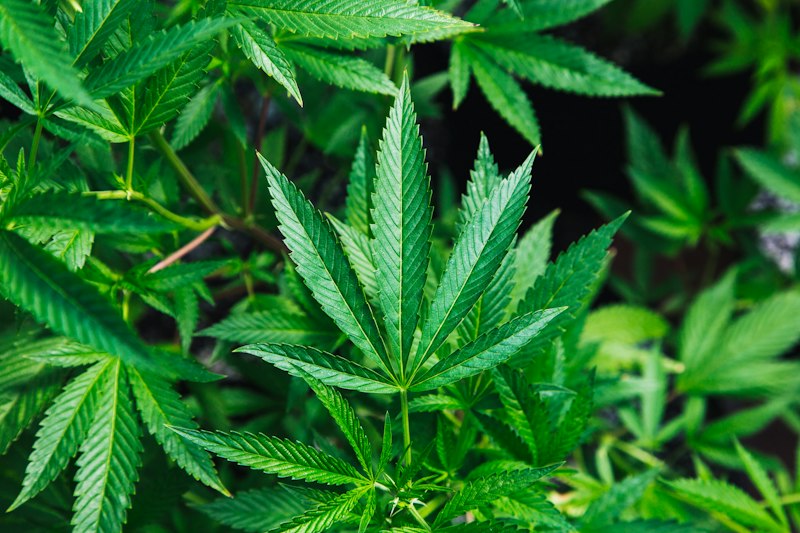
Cannabis is defined as a preparation of the Cannabis sativa plant intended for use as a psychoactive drug. It is one of the oldest psychoactive substances utilized by humans, distinguished by its complex chemical profile and its ability to modulate the central nervous system. The plant contains hundreds of unique chemical compounds, the most significant of which are the cannabinoids, which are responsible for its therapeutic, recreational, and adverse effects. While historically referred to by many names, its pharmacological action is fundamentally linked to how these compounds interact with internal human biological pathways, differentiating it from other natural substances.
The fundamental principle governing the effects of this substance lies in its interaction with the endocannabinoid system (ECS), a vast network of receptors and signaling molecules naturally present in the human body. The ECS plays a critical role in regulating numerous physiological processes, including mood, memory, appetite, pain sensation, and immune function. The plant-derived compounds, known as phytocannabinoids, mimic the body’s own neurotransmitters, binding primarily to CB1 receptors found predominantly in the brain and central nervous system, and CB2 receptors found mostly in peripheral organs and immune cells. This binding action is the mechanism by which cannabis exerts its wide range of psychoactive and physiological effects, essentially hijacking or modulating the body’s natural regulatory systems.
Pharmacological Profile: Cannabinoids and Effects
The chemical complexity of cannabis is profound, containing over 400 distinct chemical compounds, including more than 60 known cannabinoids. The two most abundant and pharmacologically studied cannabinoids are delta-9-tetrahydrocannabinol (THC) and cannabidiol (CBD). Understanding the differential roles of these two compounds is crucial for appreciating the diverse impact of cannabis use. THC is the primary psychoactive component and is solely responsible for the euphoric and intoxicating effects typically associated with recreational use. Its affinity for the CB1 receptor in the brain dictates the alterations in perception, cognition, and mood that users experience.
Conversely, cannabidiol (CBD) is non-psychoactive and does not produce the “high” associated with THC. Instead, CBD is increasingly recognized for its potential therapeutic properties, including anti-inflammatory, analgesic (pain-relieving), and anxiolytic (anti-anxiety) effects. Crucially, CBD may also modulate or mitigate some of the negative effects of THC, such as anxiety and paranoia, by altering THC’s binding capacity or activating different receptor pathways. The ratio of THC to CBD in a cannabis preparation is a primary determinant of the resulting psychological and physiological experience, influencing both potency and side-effect profile.
Historical Use and Context
The history of Cannabis use spans millennia, making it one of the longest-used psychoactive substances in human history. Its origins trace back to Central Asia, where it was cultivated not only for its fibrous stalk used in textiles and rope but also for its seeds and, most importantly, its pharmacological properties. Archaeological evidence suggests its use as a medicinal agent dates back to ancient times, particularly in traditional Chinese medicine, where it was prescribed for ailments ranging from rheumatic pain to constipation and malaria. This long history highlights its foundational role in early human pharmacology before modern medicine emerged.
Beyond medicinal applications, cannabis has played a significant role in spiritual purposes and religious rituals across various cultures, from Scythian burial rites to Hindu traditions. Its capacity to alter consciousness made it a tool for seeking altered states, meditation, and communion with the divine. The shift toward widespread recreational use only intensified in the 19th and 20th centuries, particularly as colonial powers introduced it globally. However, the modern scientific study of cannabis, particularly the isolation and identification of delta-9-tetrahydrocannabinol (THC) in the 1960s by Raphael Mechoulam, marked a critical turning point, transitioning the substance from a traditional folk medicine to a subject of rigorous scientific inquiry in psychopharmacology.
Pharmacokinetics and Administration
The effects experienced by a user are highly dependent on the method of administration, which dictates the substance’s pharmacokinetics—how it is absorbed, distributed, metabolized, and excreted. The two primary routes of administration are inhalation (smoking or vaporization) and ingestion orally (edibles or oils). These methods result in dramatically different onset times, duration, and intensity of effects due to variances in absorption pathways.
When inhaled, THC is rapidly absorbed into the bloodstream through the vast surface area of the lungs. This leads to a near-immediate onset of effects, often within minutes, with peak plasma concentration reached quickly. This rapid onset allows users to titrate their dose effectively, meaning they can gauge the effects almost instantly and decide whether to consume more. The metabolites of inhaled cannabis are subsequently excreted in the urine and feces. Conversely, when cannabis is ingested orally, the active compounds must first pass through the digestive system and are then processed by the liver in a process known as first-pass metabolism.
This hepatic metabolism transforms the primary active cannabinoid, THC, into a more potent metabolite, 11-hydroxy-THC. The onset of effects is significantly delayed, often taking 30 minutes to two hours, but the resulting effects are typically much longer-lasting, more intense, and sometimes unpredictable due to variations in individual metabolism and stomach contents. This difference in metabolism underscores the importance of understanding the administration route, especially in medical and recreational settings where precise dosage control is necessary.
Therapeutic Potential and Medical Applications
The resurgence of interest in cannabis is largely driven by its substantial therapeutic potential across a variety of complex medical conditions. Clinical research has identified efficacy in treating symptoms of chronic pain, a condition often refractory to traditional pharmaceutical interventions. The analgesic properties of CBD and THC, mediated through the ECS, offer new avenues for pain management without the high addiction risk associated with opioid use. Furthermore, cannabis has proven effective as an antiemetic, reducing chemotherapy-induced nausea and vomiting in cancer patients, and as a potent appetite stimulant for those experiencing wasting syndrome.
Beyond symptomatic relief, specific cannabinoids are being rigorously studied for their impact on neurological and inflammatory disorders. For instance, purified CBD has shown promising results and has been federally approved in the US for treating rare, severe forms of epilepsy, such as Dravet syndrome and Lennox-Gastaut syndrome. Research also continues into its application for managing spasticity and pain associated with multiple sclerosis, and its potential anti-inflammatory properties are being explored for autoimmune conditions. These applications highlight the substance’s potential to move beyond recreational use and become a standardized tool in clinical medicine, provided further research validates safety and efficacy across diverse populations.
Potential Adverse Effects and Risk Profile
Despite its therapeutic promise, the use of cannabis is associated with a range of short-term and long-term effects, necessitating a careful assessment of its risk profile. Short-term adverse effects often manifest immediately after use and include acute symptoms such as transient impaired cognition, which affects attention, memory, and motor coordination; heightened anxiety or paranoia, particularly with high-THC strains; and physiological changes such as increased heart rate and blood pressure. These acute effects are generally dose-dependent and subside as the drug is metabolized.
The long-term risks are more complex and often tied to heavy, chronic use, particularly starting during adolescence when the brain is still developing. Chronic use has been linked to decreased cognitive function, potentially affecting educational and occupational achievement. Furthermore, there is a recognized link between cannabis use, especially in individuals with a genetic predisposition, and an increased risk of psychological disorders, including psychosis and schizophrenia. While the causal direction remains debated, heavy use is correlated with earlier onset and poorer outcomes in vulnerable populations. Additionally, the combustion of cannabis involves inhaling harmful substances, similar to tobacco smoke, posing an increased risk of certain cancers and respiratory issues, although vaporization may mitigate some of these risks.
Practical Application: Understanding Effects
To practically illustrate the importance of pharmacokinetics and potency, consider the scenario of a new user attempting to manage mild chronic pain. If the user chooses to inhale the product, the onset of effects is rapid, allowing them to quickly determine if the administered amount provides relief or induces unwanted psychoactivity. This rapid feedback mechanism makes inhalation a relatively predictable method for initial experimentation and acute symptom management.
Conversely, if that same user opts for edibles, they face a significant risk of accidental overdose due to the delayed onset. A user may consume a small dose, feel no effect after 30 minutes, and decide to consume more, unaware that the initial dose is still working its way through the liver. When the effects finally hit—often an hour or two later—the combined dose results in an overwhelming and potentially distressing psychoactive experience, characterized by intense euphoria, panic, and prolonged duration. This real-world example demonstrates the critical need for consumer education regarding the differences in absorption and metabolism between methods, emphasizing that peak plasma concentration timing is the key variable influencing the user experience.
Connections to Neurobiology and Related Concepts
The study of Cannabis primarily falls under the broad subfield of Psychopharmacology, which examines how drugs affect mood, sensation, thinking, and behavior. It also heavily intersects with Neurobiology, particularly through the discovery and exploration of the endocannabinoid system (ECS). The ECS is the fundamental link that connects the biochemistry of the plant to the physiology of the human body.
Related psychological concepts that connect directly to cannabis research include tolerance and dependence. Tolerance develops when the body adapts to chronic exposure to THC, often leading to a reduction in CB1 receptor density and necessitating higher doses to achieve the same effect. Furthermore, the concept of Cannabis Use Disorder (CUD) highlights the behavioral and psychological dependence that can develop, characterized by compulsive use despite negative consequences to health or daily functioning. This understanding of dependence, tolerance, and withdrawal places the study of cannabis firmly within the clinical psychology framework of addiction science, paralleling research into other substances that affect neurotransmitters and reward pathways.