Cardiomyopathy: The Mind-Body Connection to Heart Health
Scientifically Reviewed · Dr. Marwa Abd-Alazim · September 23, 2026
Review Criteria & Clinical Standards
This content undergoes rigorous scientific peer-review and medical editorial standards at Arab Psychology Network to ensure clinical accuracy, validity, and compliance with evidence-based guidelines from leading psychological and healthcare authorities (APA / WHO).
Overview and Definition of Cardiomyopathy
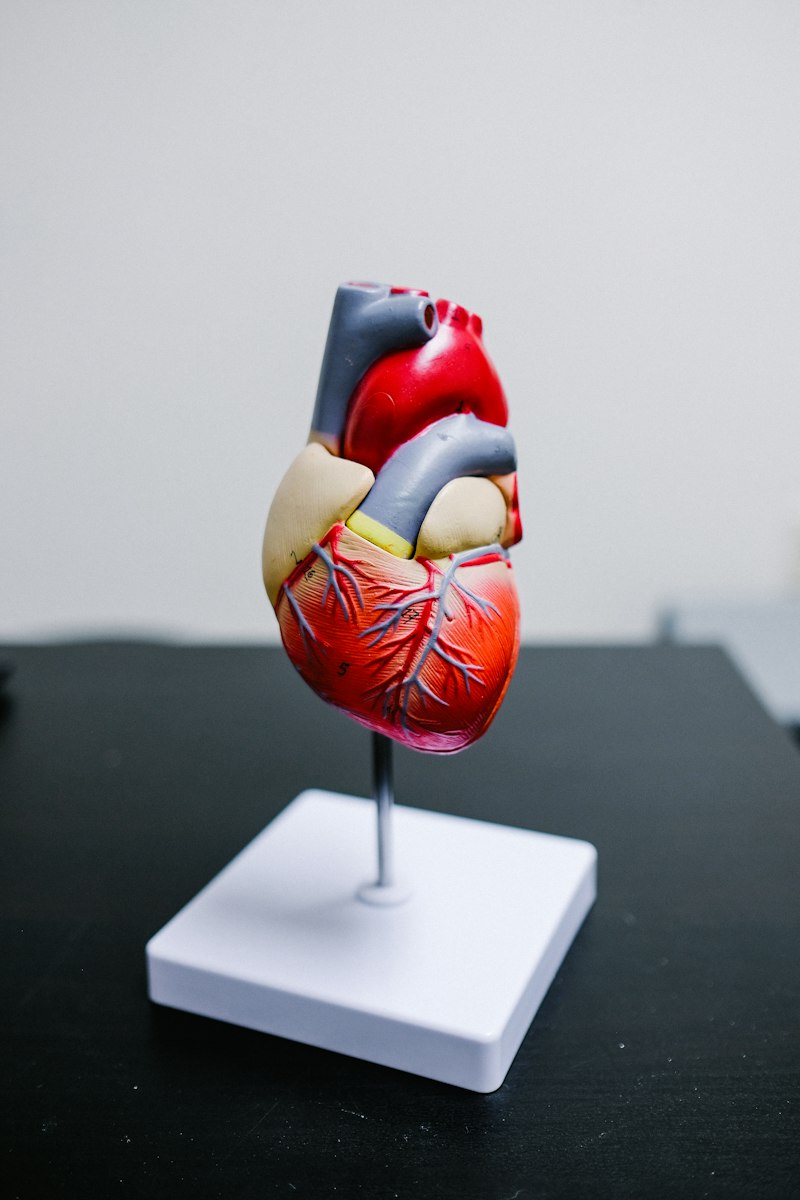
Cardiomyopathy is a complex and multifaceted disease of the heart muscle that significantly impairs the myocardium’s ability to pump blood effectively to the rest of the body. This condition is not a single entity but rather a collection of diverse disorders that lead to structural and functional abnormalities of the heart chambers. As the disease progresses, the heart muscle may become enlarged, thickened, or rigid, which eventually culminates in heart failure or life-threatening systemic complications. Due to its progressive nature, cardiomyopathy remains a leading cause of cardiovascular disability and is associated with a substantially increased risk of sudden cardiac death and long-term mortality.
The clinical significance of cardiomyopathy cannot be overstated, as it serves as a primary precursor to chronic heart failure and necessitates intensive medical surveillance. In many instances, the remodeling of the heart tissue leads to a decline in cardiac output, which triggers a cascade of compensatory mechanisms that, while initially helpful, ultimately exacerbate the damage to the cardiac architecture. Understanding the nuances of this condition is essential for healthcare professionals, as early identification and intervention are paramount in altering the disease’s trajectory and improving patient survival rates. This article provides a comprehensive review of the epidemiology, pathophysiology, and multi-disciplinary management strategies required to address this serious health concern.
The classification of cardiomyopathy has evolved significantly over recent decades, moving from purely morphological descriptions to a more nuanced understanding involving genetic and molecular components. Historically, the disease was categorized based on the physical appearance of the heart during autopsy or imaging; however, modern medicine now recognizes the intricate interplay between environmental triggers and genetic predispositions. By examining the underlying biological drivers of the disease, clinicians can better tailor treatments to the specific needs of the patient, moving toward a more personalized approach in cardiovascular care. This encyclopedia entry aims to synthesize current knowledge to provide a clear and detailed overview of the current state of cardiomyopathy research and clinical practice.
Epidemiological Trends and Global Impact
The global burden of cardiomyopathy is extensive, with current estimates suggesting that the condition affects over 26 million individuals worldwide. This high prevalence marks it as a major contributor to global morbidity and mortality, placing a significant strain on healthcare systems across both developed and developing nations. In the United States alone, it is estimated that approximately 1 in every 500 individuals lives with some form of cardiomyopathy. This statistic highlights the ubiquity of the condition and the necessity for robust screening programs to identify asymptomatic individuals before the onset of severe cardiac events.
Demographic data reveal that the incidence of cardiomyopathy is not uniformly distributed across all populations. The highest frequency of diagnosis typically occurs in individuals between the ages of 40 and 60 years, suggesting that age-related physiological changes or cumulative exposure to environmental toxins may play a role in disease manifestation. Furthermore, clinical observations consistently show that the condition is more prevalent in men than in women. While the reasons for this gender disparity are still being investigated, researchers point to potential hormonal influences, differences in lifestyle factors, and variations in genetic expression as likely contributing factors to the higher male incidence rate.
Beyond the raw numbers, the socioeconomic impact of cardiomyopathy is profound, as it often strikes individuals during their most productive years of life. The chronic nature of the disease leads to frequent hospitalizations, long-term reliance on expensive pharmaceutical regimens, and, in advanced cases, the need for highly specialized surgical interventions such as heart transplants. Consequently, the epidemiological study of this condition is vital for public health planning, as it allows for the allocation of resources toward prevention, early detection, and the development of novel therapeutic modalities that can mitigate the economic and personal costs associated with heart muscle failure.
Pathophysiological Foundations and Disease Progression
The pathophysiology of cardiomyopathy is characterized by a diverse array of initiating factors that converge on a common pathway of myocardial dysfunction. These triggers include, but are not limited to, genetic defects, chronic viral infections, metabolic disorders, and exposure to cardiotoxic substances. Genetic mutations often affect the proteins responsible for the contraction of the heart muscle, leading to structural instability at the cellular level. Alternatively, viral myocarditis can cause direct damage to the myocytes or trigger an autoimmune response that results in persistent inflammation and subsequent scarring of the heart tissue, known as fibrosis.
Metabolic disturbances, such as those seen in uncontrolled diabetes or thyroid disorders, can also profoundly alter the energy metabolism of the heart, leading to the gradual weakening of the myocardium. Toxins, including excessive alcohol consumption and certain chemotherapeutic agents, exert direct poisonous effects on cardiac cells, disrupting their structural integrity and functional capacity. Regardless of the initial cause, the heart attempts to compensate for the loss of pumping efficiency through a process called cardiac remodeling. During this phase, the heart walls may stretch or thicken in an attempt to maintain adequate blood flow, but these changes eventually lead to increased wall stress and further cellular damage.
The progression of the disease is often marked by the replacement of healthy, contractile muscle tissue with non-contractile fibrotic tissue. This fibrosis increases the stiffness of the heart, making it difficult for the chambers to fill with blood during the relaxation phase of the cardiac cycle. As the heart’s ejection fraction—the percentage of blood pumped out with each beat—decreases, the body’s vital organs receive insufficient oxygen and nutrients. This systemic deficit triggers further compensatory responses, such as the activation of the renin-angiotensin-aldosterone system, which ultimately leads to fluid retention and the classic symptoms of congestive heart failure.
Primary Classifications: Dilated and Hypertrophic Cardiomyopathy
The most frequently encountered form of the disease is dilated cardiomyopathy (DCM), a condition characterized by the enlargement and thinning of the heart’s left ventricle. In DCM, the weakened muscle is unable to contract with sufficient force, leading to a significant reduction in the heart’s ability to circulate blood. This dilation often results in a “balloon-like” appearance of the heart on imaging studies. While DCM can be idiopathic, it is frequently linked to previous viral infections, chronic hypertension, or genetic predispositions. Because the heart is stretched, the valves may also fail to close properly, leading to regurgitation and further complicating the hemodynamic status of the patient.
In contrast, hypertrophic cardiomyopathy (HCM) is defined by an abnormal thickening of the myocardial walls, particularly the interventricular septum. This thickening occurs in the absence of an obvious external cause, such as high blood pressure. HCM is primarily a genetic condition, often caused by mutations in the genes encoding the sarcomere proteins. The thickened muscle can obstruct the flow of blood out of the heart, a condition known as hypertrophic obstructive cardiomyopathy (HOCM). Additionally, the disorganized arrangement of cardiac cells in HCM creates a substrate for dangerous arrhythmias, making it a leading cause of sudden cardiac death in young athletes.
Both dilated and hypertrophic variants represent extremes of myocardial adaptation. While DCM focuses on the failure of systolic function (pumping), HCM often focuses on the failure of diastolic function (filling). Despite these differences, both types share a common end-stage of heart failure if left untreated. Clinicians must distinguish between these types through detailed imaging, as the management strategies for a dilated, weak heart differ significantly from those for a thick, obstructed heart. Understanding these primary classifications is the first step in developing a targeted clinical intervention plan.
Secondary Classifications: Restrictive and Arrhythmogenic Variants
Restrictive cardiomyopathy (RCM) is a less common but particularly challenging form of the disease. In RCM, the walls of the ventricles become excessively rigid, though they do not necessarily thicken. This rigidity prevents the heart from expanding and filling with blood properly during diastole. RCM is often the result of systemic diseases that cause the infiltration of abnormal substances into the heart muscle, such as amyloidosis or sarcoidosis. Patients with RCM often experience severe symptoms of heart failure despite having a seemingly normal ejection fraction, as the primary issue lies in the heart’s inability to relax and receive blood.
Another specialized form is arrhythmogenic right ventricular cardiomyopathy (ARVC), a rare genetic condition where the muscle of the right ventricle is progressively replaced by fatty and fibrous tissue. This replacement disrupts the heart’s electrical signaling, leading to potentially fatal ventricular arrhythmias. ARVC is particularly dangerous because it may remain asymptomatic until a sudden cardiac event occurs. Early diagnosis often requires a high index of suspicion and specialized imaging techniques to detect the subtle structural changes in the right side of the heart, which is often harder to visualize than the left side.
These secondary classifications underscore the diversity of the disease. While RCM focuses on the restrictive filling of the heart and ARVC focuses on electrical instability and right-sided failure, both highlight the importance of tissue characterization in the diagnostic process. Unlike the more common dilated or hypertrophic forms, these variants often require specific treatments aimed at the underlying infiltrative process or the prevention of sudden arrhythmic death. The management of these conditions is typically handled by specialized cardio-genetic teams due to the complexity of the underlying pathology.
Clinical Manifestations and Symptomatic Presentation
The clinical presentation of cardiomyopathy can vary widely depending on the stage of the disease and the specific type involved. The most pervasive and debilitating symptom is dyspnea, or shortness of breath. Initially, this may only occur during physical exertion, but as the heart’s pumping efficiency continues to decline, patients may experience breathlessness even while at rest or when lying flat. This symptom is a direct result of fluid backing up into the lungs due to the heart’s inability to move blood forward effectively through the systemic circulation.
Beyond respiratory distress, patients frequently report profound fatigue and generalized weakness. Because the heart cannot meet the metabolic demands of the body’s muscles, even simple daily tasks can become exhausting. Other common manifestations include:
- Chest pain or pressure, which may mimic angina.
- Palpitations, described as a sensation of the heart skipping beats or racing.
- Dizziness and lightheadedness, often occurring upon standing or during exertion.
- Edema, or swelling in the legs, ankles, and feet due to fluid retention.
- Syncope, or fainting spells, which can indicate serious underlying arrhythmias.
It is important to note that many individuals in the early stages of cardiomyopathy may be entirely asymptomatic, leading to a delay in diagnosis. This “silent” progression is particularly dangerous, as the first sign of the disease can sometimes be a catastrophic event like a stroke or sudden cardiac arrest. Therefore, clinical evaluation must be thorough, and even mild symptoms should be investigated in individuals with a family history of heart disease or those who have been exposed to known cardiotoxic risk factors. Recognizing the constellation of symptoms early is the most effective way to initiate life-saving therapy.
Multimodal Diagnostic Approaches
The diagnosis of cardiomyopathy requires a comprehensive and multimodal approach to accurately characterize the heart’s structure and function. The process begins with a detailed physical examination and a review of the patient’s medical and family history. An electrocardiogram (ECG) is typically the first diagnostic tool used, as it can detect electrical abnormalities, such as arrhythmias or signs of heart muscle thickening, that suggest the presence of underlying myocardial disease. While the ECG provides valuable clues, it is rarely sufficient for a definitive diagnosis on its own.
The cornerstone of cardiac imaging for cardiomyopathy is the echocardiogram. This non-invasive ultrasound of the heart allows clinicians to visualize the size of the heart chambers, the thickness of the walls, and the function of the heart valves in real-time. Most importantly, it provides a measurement of the ejection fraction, which is critical for determining the severity of the heart’s pumping impairment. In cases where the echocardiogram results are inconclusive or where more detailed tissue characterization is required, a cardiac MRI is performed. The MRI is the gold standard for identifying areas of fibrosis and inflammation, which helps in differentiating between the various types of cardiomyopathy.
In addition to imaging, laboratory tests and invasive procedures may be necessary to refine the diagnosis. Blood tests can identify elevated levels of brain natriuretic peptide (BNP), a marker of heart strain, or detect underlying metabolic and inflammatory conditions. In certain complex cases, a cardiac catheterization or an endomyocardial biopsy may be performed to directly measure pressures within the heart or to examine a tissue sample under a microscope. This high level of detail ensures that the treatment plan is based on a precise understanding of the patient’s specific cardiac pathology.
Comprehensive Management and Therapeutic Interventions
The management of cardiomyopathy is a long-term endeavor that focuses on three primary goals: managing symptoms, slowing disease progression, and preventing sudden cardiac death. Treatment plans are highly individualized and depend on the specific type of cardiomyopathy and the severity of the patient’s condition. Lifestyle modifications are the foundation of treatment and include restricting sodium and fluid intake, engaging in supervised exercise, and abstaining from alcohol and tobacco. These changes help to reduce the workload on the heart and mitigate the risk of fluid overload.
Pharmacological therapy is essential for most patients with cardiomyopathy. Medications such as ACE inhibitors, angiotensin II receptor blockers (ARBs), and beta-blockers are used to improve heart function and protect the heart from harmful stress hormones. Diuretics are frequently prescribed to manage fluid retention and alleviate symptoms of congestion. In patients with a high risk of blood clots, anticoagulants may be necessary. For those with hypertrophic or arrhythmogenic forms, specific anti-arrhythmic drugs are used to stabilize the heart’s electrical activity and prevent dangerous heart rhythms.
When medical management is insufficient, surgical or procedural interventions may be required. These can include:
- Implantable Cardioverter-Defibrillators (ICDs) to monitor heart rhythms and deliver a shock if a lethal arrhythmia occurs.
- Pacemakers or cardiac resynchronization therapy (CRT) to help the heart chambers beat in a more coordinated fashion.
- Septal myectomy, a surgical procedure to remove thickened heart muscle in patients with obstructive HCM.
- Left Ventricular Assist Devices (LVADs), which are mechanical pumps that support the heart’s function in advanced failure.
- Heart transplantation, which remains the definitive treatment for patients with end-stage cardiomyopathy that no longer responds to other therapies.
Conclusion and Future Directions
In conclusion, cardiomyopathy is a serious and potentially life-threatening condition that requires a sophisticated understanding of cardiovascular physiology and pathology. The disease’s ability to manifest in various forms—ranging from the dilated and weak to the thick and restrictive—presents a significant challenge for healthcare providers. However, through the integration of advanced imaging, genetic testing, and comprehensive medical management, the prognosis for many patients has improved significantly. The key to successful outcomes lies in early detection and a proactive, multi-disciplinary approach to care.
As research continues to evolve, the future of cardiomyopathy management lies in the realm of precision medicine and gene therapy. Scientists are currently investigating ways to “silence” the genetic mutations that cause conditions like HCM and ARVC, potentially stopping the disease before it ever begins to damage the heart. Furthermore, advancements in regenerative medicine may one day allow for the repair of scarred heart tissue, offering hope for those who currently face the prospect of heart transplantation. Staying abreast of these developments is vital for clinicians who strive to provide the highest standard of care for their patients.
Ultimately, cardiomyopathy serves as a reminder of the complexity of the human heart and the necessity for continued investment in cardiac research. By maintaining a high level of clinical suspicion and utilizing the full spectrum of diagnostic and therapeutic tools available, the medical community can continue to reduce the global impact of this disease. For patients, education and adherence to treatment protocols remain the most effective means of managing the condition and maintaining a high quality of life despite the challenges posed by a failing heart.
References
American Heart Association. (2020). Cardiomyopathy. Retrieved from https://www.heart.org/en/health-topics/cardiomyopathy
Pereira, A. C., & Sharma, S. (2017). Cardiomyopathy: Epidemiology, diagnosis, and management. European Heart Journal, 38(15), 1144-1153. doi:10.1093/eurheartj/ehx220