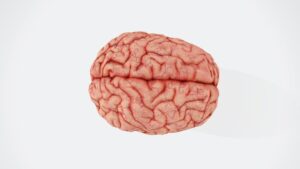
Cerebral Perfusion: Powering Your Cognitive Potential
Scientifically Reviewed · Dr. Marwa Abd-Alazim · August 20, 2026
Review Criteria & Clinical Standards
This content undergoes rigorous scientific peer-review and medical editorial standards at Arab Psychology Network to ensure clinical accuracy, validity, and compliance with evidence-based guidelines from leading psychological and healthcare authorities (APA / WHO).

The Core Definition of the Carotid System
The Carotid Artery system represents a crucial component of the human circulatory architecture, functioning as the primary conduit for transporting nutrient-rich, oxygenated blood from the heart directly to the structures of the head, face, and, most critically, the brain. Defined broadly, the system begins with the common carotid artery, which ascends bilaterally along the neck—the left common carotid arising directly from the aortic arch, and the right common carotid branching off the brachiocephalic trunk. This arrangement ensures a consistent and robust supply necessary for maintaining the immensely high metabolic demands of the central nervous system, particularly the cerebral cortex, which governs all complex psychological processes such as cognition, memory, and consciousness. Without the constant, uninterrupted flow provided by these arteries, neuronal function rapidly deteriorates, leading to severe neurological and psychological deficits within minutes.
The fundamental mechanism underpinning the carotid system is the maintenance of cerebral perfusion pressure, a vital physiological requirement that dictates the blood flow to the brain tissue. This system is intricately monitored by specialized structures known as the carotid bodies and carotid sinuses, located near the bifurcation point, which are sensitive baroreceptors and chemoreceptors. The baroreceptors regulate blood pressure, while the chemoreceptors monitor oxygen and carbon dioxide levels in the blood, allowing the body to make immediate adjustments to ensure the brain receives optimal resources, even during physical exertion or stress. The efficiency of this blood delivery mechanism is paramount, as the brain, despite constituting only about two percent of the body weight, consumes roughly twenty percent of the total oxygen and caloric energy utilized at rest, directly linking vascular health to psychological stability and functional capacity.
Understanding the carotid system is therefore foundational not only to anatomy but also to biological psychology and neuroscience, as it physically underpins the infrastructure required for mental life. The common carotid artery is essentially the trunk of this tree, which then bifurcates—or divides—at the level of the upper border of the thyroid cartilage into two highly specialized branches: the internal carotid artery and the external carotid artery. This division is not merely structural but functional, establishing distinct routes that prioritize the most vital organs while serving the superficial tissues of the head.
Historical Discovery and Anatomical Context
The existence and importance of the carotid arteries have been recognized since antiquity, although their precise function and pathology were not fully understood until modern medicine. Early Greek physicians, notably those following the Hippocratic tradition and later Galen of Pergamon, observed that applying pressure to these arteries in the neck could induce a state of lethargy or loss of consciousness. This observation led to the naming convention itself; the term “carotid” derives from the Greek word “karotides,” meaning “to stupefy” or “to put to sleep.” This historical etymology highlights the early, albeit crude, recognition that these vessels were directly linked to cerebral function and the state of consciousness, foreshadowing centuries of neurological study.
During the Renaissance, anatomical studies gained significant momentum, primarily driven by figures like Andreas Vesalius in the 16th century, whose detailed dissections challenged Galenic dogma and provided the first truly accurate mapping of the human circulatory system. Vesalius’s work, De humani corporis fabrica, solidified the visual and structural understanding of the common, internal, and external carotid arteries, distinguishing their paths and confirming their role as major arterial suppliers to the head. However, the physiological implications—specifically how plaque buildup or stenosis within these arteries leads to serious psychological and motor deficits—remained unclear until the 19th and 20th centuries, coinciding with advancements in surgical techniques and diagnostic imaging.
The modern understanding of carotid pathology, particularly its link to ischemic stroke, emerged significantly in the mid-20th century. Researchers began correlating localized narrowing (stenosis) of the carotid arteries with specific neurological symptoms, which catalyzed the development of vascular surgery techniques such as carotid endarterectomy. This historical progression illustrates the shift from merely naming the “sleep-inducing” vessels to understanding them as critical choke points in the cerebral circulation system, whose health directly dictates the cognitive fate of the individual.
Detailed Anatomy and Branches
The complexity of the carotid system lies in its bifurcation and subsequent specialization. The primary division occurs when the common Carotid Artery splits into two distinct vessels, each serving entirely different territories. This anatomical separation is crucial for understanding clinical syndromes and the impact of vascular disease. The internal carotid artery (ICA) is the vessel of paramount importance to psychology and neuroscience because it supplies the vast majority of the cerebral hemispheres, specifically entering the skull through the carotid canal. This vessel ascends without branching in the neck and is solely dedicated to nourishing the brain and the structures of the orbit, making its integrity non-negotiable for sustained mental function.
Conversely, the external carotid artery (ECA) is responsible for supplying the extracranial structures. This includes the face, scalp, tongue, pharynx, thyroid gland, and dura mater. The external carotid artery typically gives off eight major branches, ensuring that all superficial tissues and structures outside the cranial cavity receive adequate oxygenated blood. The distinction is clear: the internal carotid artery enters the brain, while the external carotid artery supplies the scalp and face. This functional separation allows for localized disease processes, such as superficial infections or trauma, to occur without immediately compromising the vital blood supply to the brain, provided the common carotid trunk remains intact.
Within the skull, the internal carotid artery is further divided into segments and ultimately contributes significantly to the Circle of Willis, an anastomotic ring of arteries at the base of the brain. This circular structure acts as a protective failsafe, providing collateral circulation that can partially maintain blood flow to the brain tissue even if one of the major input vessels (like the internal carotid) becomes partially occluded. However, the effectiveness of the Circle of Willis is highly variable among individuals, meaning that significant stenosis or blockage in the internal carotid artery often still results in severe neurological consequences due to insufficient compensatory flow.
Practical Relevance to Cognitive Health
To illustrate the profound psychological and cognitive relevance of the carotid system, we can consider the real-world scenario of transient ischemic attack (TIA) or a full ischemic Stroke caused by carotid stenosis. Carotid stenosis, the narrowing of the artery due to plaque buildup (Atherosclerosis), reduces the volume and pressure of oxygenated blood reaching the brain. This scenario is a direct, step-by-step demonstration of how physical anatomy governs cognitive stability.
The “How-To” of this psychological impact begins when fatty deposits accumulate within the internal carotid artery wall, a process often silent for years.
-
Plaque Formation and Narrowing: Atherosclerosis leads to the progressive narrowing of the internal carotid lumen, severely restricting the overall flow capacity. This stage can cause subtle symptoms like momentary dizziness or memory lapses, which are often dismissed but signify reduced perfusion pressure in critical brain areas.
-
Embolic Event: A more dangerous scenario occurs when a piece of the unstable plaque breaks off (an embolus). This embolus travels rapidly downstream through the internal carotid and lodges in a smaller cerebral artery, instantly cutting off blood supply to a specific region of the brain tissue.
-
Acute Cognitive Deficit: The sudden lack of oxygenated blood causes the affected neurons to cease functioning within seconds. If the blockage affects the left hemisphere, the individual might suddenly lose the ability to speak or understand language (aphasia), or experience paralysis on the right side of the body. These immediate and devastating psychological and motor impairments directly map the dependency of complex behavior on uninterrupted carotid blood flow.
-
Long-term Psychological Impact: Recovery from a stroke often requires intensive psychological and physical rehabilitation, highlighting the permanence of the damage. The patient may struggle with executive function, emotional regulation, and memory—all functions governed by the brain areas previously supplied by the compromised carotid artery.
Clinical Significance and Impact
The significance of the Carotid Artery system extends far beyond basic anatomy, serving as a critical diagnostic and therapeutic target in modern medicine. Carotid disease is one of the leading preventable causes of ischemic stroke, which remains a primary cause of long-term disability worldwide. Therefore, clinical focus is heavily placed on early detection and management of carotid stenosis. Non-invasive diagnostic tools, particularly carotid ultrasound, are routinely used to visualize the artery walls, measure the degree of narrowing, and assess the risk of plaque rupture, offering a powerful predictive tool for neurological events.
In psychology and psychiatry, the impact of carotid health is often discussed in the context of vascular cognitive impairment (VCI). Chronic, low-level cerebral hypoperfusion, even without a catastrophic stroke, can lead to insidious deterioration of higher cognitive functions. This is particularly relevant in aging populations where minor, non-symptomatic carotid disease contributes to generalized white matter damage and reduced cognitive speed and flexibility. Thus, the status of the carotid arteries provides a biological barometer for assessing long-term brain resilience and potential vulnerability to conditions like vascular dementia.
Therapeutically, the carotid arteries are central to high-stakes vascular surgery. Procedures like carotid endarterectomy (surgical removal of plaque) and carotid angioplasty with stenting are highly effective interventions designed to restore optimal blood flow and dramatically reduce the risk of future strokes. The success of these procedures underscores the direct causal link between vascular plumbing and psychological integrity; by cleaning the physical pathway, clinicians protect the intricate cognitive machinery it serves. The decision to intervene surgically is often based on the measured degree of stenosis and the patient’s overall risk profile, emphasizing the critical diagnostic role of this vascular structure.
Connections to Neuroscience and Behavior
The study of the carotid system naturally falls under the broad disciplinary umbrella of Biological Psychology, particularly Neuropsychology and physiological psychology, as it connects core physiological function (circulation) directly to behavior and cognition. The carotid arteries are not isolated channels; they are integral components of the broader neurovascular unit, which includes the neurons, glia, and the blood-brain barrier.
The relationship between carotid function and other key psychological concepts is immediate and profound:
- The Blood-Brain Barrier (BBB): While the carotid arteries deliver the blood, the BBB, a highly selective semipermeable membrane, controls what substances leave the blood and enter the brain tissue. The integrity of the BBB is dependent on healthy vascular function, and chronic carotid hypoperfusion can compromise its structure, potentially allowing harmful substances to enter the delicate neural environment and impacting psychological health.
- Cerebral Lateralization: Since the left and right internal carotid arteries primarily supply their respective cerebral hemispheres, disease in one artery often leads to highly specific, lateralized cognitive deficits. For example, blockage of the left internal carotid artery often results in deficits related to language processing (a left-hemisphere function), providing clinical evidence for the theory of cerebral lateralization.
- Cognitive Reserve: An individual’s capacity to cope with brain damage, known as cognitive reserve, is heavily influenced by the efficiency of collateral circulation pathways, which are often fed by the carotid system via the Circle of Willis. A highly functional and robust carotid network enhances the brain’s ability to maintain cognitive function even in the face of partial vascular compromise.
In conclusion, the carotid arteries serve as the ultimate biological constraint on psychological capacity. While psychological theories often focus on abstract constructs like motivation, memory, and personality, all these phenomena require a constantly supplied and highly oxygenated blood infrastructure. The study of the carotid system, therefore, provides a vital link between the physical body and the manifestation of the human mind, solidifying its place within the scope of Neuropsychology and clinical neuroscience.