Feline Attachment: Why We Love Our Predators
Scientifically Reviewed · Dr. Marwa Abd-Alazim · September 22, 2026
Review Criteria & Clinical Standards
This content undergoes rigorous scientific peer-review and medical editorial standards at Arab Psychology Network to ensure clinical accuracy, validity, and compliance with evidence-based guidelines from leading psychological and healthcare authorities (APA / WHO).
Introduction to the Evolutionary and Social Context of Felis Catus
The domesticated cat, scientifically classified as Felis catus, represents one of the most significant success stories in the history of animal domestication. For millennia, these enigmatic creatures have shared human hearths and homes, evolving from solitary wild hunters into the most popular companion animal in the United States and many other regions globally. Their journey from the wild landscapes of the Near East to the modern living room is a testament to their adaptability and the unique niche they fill within human ecological and social structures. As a species, cats are uniquely positioned between the wild and the domestic, maintaining many of the predatory instincts of their ancestors while forming deep, complex emotional bonds with their human caretakers.
In the field of anthrozoology and psychology, the study of cats offers profound insights into the nature of interspecies relationships. Unlike dogs, which were bred for specific tasks and high levels of obedience, cats have historically maintained a degree of independence that has led to their veneration in various cultures. This high regard is often rooted in their perceived intelligence, agility, and aesthetic beauty. In contemporary society, the presence of a cat in the household is frequently associated with reduced stress levels and improved psychological well-being for the owner, highlighting the symbiotic nature of this relationship. This article provides a comprehensive exploration of the feline species, covering its physical attributes, biological imperatives, historical development, and lasting societal impact.
Understanding the cat requires a multi-disciplinary approach that encompasses evolutionary biology, ethology, and sociology. By examining the physiological adaptations that make the cat a master predator and the behavioral traits that allow it to thrive in human environments, we can better appreciate the complexity of Felis catus. From their specialized sensory organs to their sophisticated communication methods, cats are a marvel of biological engineering. This encyclopedia entry aims to detail these aspects with high precision, providing a definitive resource on the domestic cat’s role in the natural and human worlds.
Morphological Characteristics and Physiological Adaptations
The physical structure of Felis catus is characterized by a balance of strength, flexibility, and grace. Typically, domestic cats are small to medium-sized mammals, with an average length ranging from 8 to 16 inches (20-41 cm) and a weight typically falling between 2 and 7 pounds (1-3 kg), though some breeds can significantly exceed these averages. Their anatomy is optimized for predatory efficiency, featuring an elongated body and a highly flexible spine that lacks a functional collarbone, allowing them to pass through any space that their head can fit through. This skeletal fluidity is complemented by a short, thick neck and long, powerful legs that facilitate both explosive speed and remarkable jumping capabilities.
One of the most distinctive features of the feline anatomy is the tail, which is usually proportionate to the body size. The tail serves as a critical tool for balance, acting as a counterbalance during high-speed maneuvers or when navigating narrow surfaces. Furthermore, the external appearance of a cat is defined by its fur, which exhibits an extraordinary range of colors and patterns—such as tabby, calico, and solid—depending on the specific breed and genetic inheritance. This fur provides insulation and protection, while the skin beneath is sensitive to tactile stimuli, playing a role in the cat’s overall sensory awareness of its environment.
The feline head is home to some of the most specialized sensory organs in the animal kingdom. Their olfactory system is highly developed; cats possess a sense of smell that is estimated to be up to 100,000 times more acute than that of a human. This is bolstered by the vomeronasal organ (or Jacobson’s organ), located in the roof of the mouth, which allows them to “taste-smell” pheromones in the air. Additionally, their auditory capabilities allow them to detect ultrasonic frequencies, which is essential for locating the high-pitched squeaks of rodent prey. Their vision is similarly specialized, with a high density of rod cells and a reflective layer behind the retina known as the tapetum lucidum, which grants them superior night vision by reflecting light back through the retina.
The Biological Imperatives of an Obligate Carnivore
Biologically, cats are classified as obligate carnivores, a term that denotes their absolute physiological requirement for nutrients found only in animal tissue. Unlike omnivores, cats lack the metabolic pathways to synthesize certain essential amino acids, such as taurine and arginine, from plant-based sources. Their digestive systems are relatively short, designed for the rapid processing of high-protein, high-fat diets. This specialized diet is fundamental to their survival, influencing everything from their hunting behaviors to their metabolic health. Without a consistent intake of animal protein, cats can suffer from severe health complications, including heart disease and vision loss.
The lifespan of a domestic cat typically ranges between 12 and 14 years, though improvements in veterinary medicine and nutrition have enabled many cats to live into their late teens or even early twenties. Their biological aging process is distinct; a one-year-old cat is roughly equivalent in maturity to a 15-year-old human. Maintaining health over this lifespan requires careful attention to their unique physiological needs, including hydration. Because their ancestors were desert-dwelling animals, cats have a low thirst drive and are biologically adapted to obtain much of their moisture from their prey, making modern dietary choices a critical factor in preventing renal issues.
The reproductive biology of Felis catus is highly efficient, contributing to their global proliferation. Female cats are seasonally polyestrous, meaning they go into “heat” multiple times a year, typically every 2 to 3 weeks during the breeding season. They are induced ovulators, where the act of mating triggers the release of eggs. The gestation period lasts approximately 63 to 65 days, culminating in the birth of a litter that can range from 1 to 8 kittens. These kittens are born altricial—blind and deaf—relying entirely on the mother’s care for the first several weeks of life before undergoing rapid developmental milestones that prepare them for independence.
Behavioral Ethology and Intraspecies Communication
The behavioral repertoire of the domestic cat is a complex mix of instinctual hunting drives and sophisticated social signals. Despite their domestication, cats retain the predatory sequence of stalking, pouncing, and biting, which is often observed in play behavior. This play is not merely recreational but serves as essential practice for the coordination and muscle memory required for survival. Cats are also highly territorial animals, using scent glands located on their cheeks, paws, and tail base to mark their environment. This chemical signaling communicates their presence and social status to other felines, reducing the need for physical confrontation.
Communication in cats involves a diverse array of vocalizations, body language, and tactile interactions. While cats primarily use scent and body posture to communicate with one another, they have developed a specific set of vocalizations—most notably the “meow”—specifically for interacting with humans. This is a fascinating example of behavioral adaptation to a domestic environment. Other vocalizations include purring, which can indicate contentment or a self-soothing mechanism during stress, and hissing or growling, which serve as clear warnings of agitation or perceived threats. Their ears, eyes, and tail movements provide further context to their emotional state, with a flicking tail often signaling annoyance and upright ears indicating alertness.
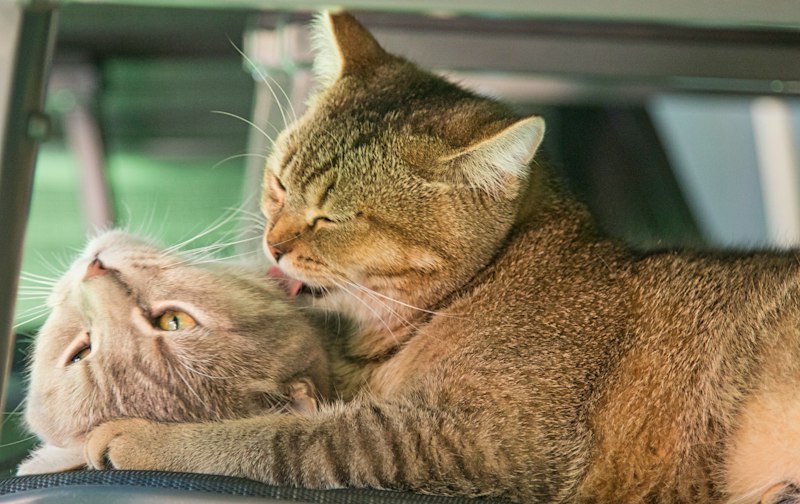
Socially, cats are often perceived as solitary, yet they are capable of forming complex social structures, particularly in feral colonies. Within a domestic setting, the human-animal bond is characterized by a high degree of mutual affection, though it is often expressed on the cat’s terms. Understanding feline psychology requires recognizing their need for environmental enrichment and vertical space, as they naturally seek high vantage points to monitor their surroundings. Their grooming habits are another critical behavioral trait; cats spend a significant portion of their waking hours cleaning themselves, which serves both a hygienic purpose and a cooling function through the evaporation of saliva.
The Historical Trajectory of Domestication
The history of the domestic cat is deeply intertwined with the rise of human civilization. Current archaeological evidence suggests that the domestication process began approximately 10,000 years ago in the Near East, specifically in the Fertile Crescent. This period coincided with the transition of human societies from hunter-gatherers to settled farmers. As humans began to store grain, they attracted large populations of rodents, which in turn attracted wildcats (Felis lybica). This created a mutually beneficial relationship where cats provided pest control and humans provided a stable environment, leading to a gradual process of self-domestication.
Following their initial domestication in the Near East, cats became an integral part of Ancient Egyptian society. In Egypt, they were not only valued for their ability to protect granaries from vermin but were also elevated to the status of deities. The goddess Bastet, often depicted as a cat or a woman with a cat’s head, represented protection, fertility, and motherhood. The veneration was so intense that harming a cat was considered a capital crime, and many cats were mummified and buried with their owners. From Egypt, cats were eventually introduced to Europe by the Romans, who valued them for their utility and companionship as they expanded their empire.
The migration of cats continued during the Age of Discovery, as European settlers brought them to the Americas to protect food supplies on ships and in new colonies. Throughout the centuries, selective breeding began to take hold, as humans noticed and encouraged specific physical and behavioral traits. This led to the establishment of various pedigree breeds, a process that accelerated in the 19th and 20th centuries. Today, the diversity of cat breeds is a direct result of this historical intervention, ranging from the long-haired Persian to the vocal Siamese and the large, rugged Maine Coon.
Societal Impact and the Human-Feline Bond
The impact of cats on human society extends far beyond their historical role as mousers. In the modern era, cats are primary companion animals, providing emotional support and companionship to millions. Psychological studies have indicated that the presence of a cat can lower blood pressure, reduce anxiety, and combat feelings of loneliness. This therapeutic benefit has led to the inclusion of cats in animal-assisted therapy programs in hospitals, nursing homes, and schools. The unique nature of the feline personality—often described as discerning and calm—provides a different type of social support than that of more demanding pets.
Economically and culturally, cats have a massive footprint. The pet industry, encompassing food, veterinary care, and accessories, is a multi-billion dollar sector driven largely by feline ownership. Furthermore, cats have become icons of digital culture, with feline-related content being among the most consumed media on the internet. This “internet cat” phenomenon has created a new type of cultural currency, where specific cats become global celebrities. Despite this modern fame, cats continue to serve their traditional roles as working animals in many parts of the world, particularly in agricultural settings and small businesses where natural pest control is still required.
The integration of cats into human life also raises important questions regarding animal welfare and environmental management. As the most popular pet, the responsibilities of ownership include ensuring proper nutrition, medical care, and spaying/neutering to prevent overpopulation. Additionally, the impact of outdoor domestic cats on local wildlife populations is a subject of ongoing ecological debate. Responsible ownership involves balancing the cat’s natural instincts with the need to protect biodiversity, often leading to the recommendation of keeping cats indoors or in enclosed outdoor spaces (catios).
Summary of Feline Sensory and Behavioral Traits
- Night Vision: Enhanced by the tapetum lucidum, allowing sight in one-sixth the light level required for humans.
- Ultrasonic Hearing: Ability to detect high-frequency sounds made by small prey.
- Protractible Claws: Claws that remain retracted during walking to stay sharp and silent, but extend for climbing or hunting.
- Righting Reflex: An innate ability to reorient the body during a fall to land on the feet.
- Vibrissae: Highly sensitive whiskers that detect changes in air currents and provide spatial awareness.
Notable Domestic Cat Breeds and Their Origins
- Persian: Known for its long fur and flat face, originating in Persia (modern-day Iran).
- Siamese: A vocal, sleek breed with distinct point coloration, originating from Thailand (formerly Siam).
- Maine Coon: One of the largest domestic breeds, known for its intelligence and “dog-like” personality, originating in North America.
- Bengal: A breed developed to resemble wild jungle cats, created through the cross-breeding of domestic cats with Asian leopard cats.
- Abyssinian: A breed with a distinctive “ticked” coat, believed to be one of the oldest breeds in existence.
Conclusion on the Enduring Legacy of the Cat
The domestic cat remains a fascinating subject of study due to its dual nature as a fierce predator and a gentle companion. Their biological success is evident in their global distribution and their ability to thrive in a wide variety of environments. From their specialized metabolism as obligate carnivores to their sophisticated sensory adaptations, cats are perfectly evolved for their ecological niche. Their history, marked by periods of divine worship and utilitarian service, reflects the changing values of human societies over ten millennia. Today, they stand as a cornerstone of the modern household, providing a unique form of companionship that is both independent and deeply loyal.
As we move forward, the relationship between humans and cats will continue to evolve. Ongoing research into feline genetics and behavior promises to deepen our understanding of this species, leading to better care and more harmonious cohabitation. The psychological benefits of the human-feline bond are increasingly recognized by the medical community, suggesting that the “cat” is more than just a pet; it is a vital part of the human social fabric. By respecting their biological needs and historical heritage, we ensure that the legacy of Felis catus remains a central part of our shared future on this planet.
In conclusion, the cat is a testament to the complexity of nature and nurture. They have retained their wild essence while becoming an inextricable part of human domestic life. Whether as a silent hunter in the night or a purring companion on a sofa, the cat continues to captivate the human imagination. Their continued popularity is a clear indicator that the bond forged 10,000 years ago in the Fertile Crescent is as strong today as it has ever been, securing the cat’s place as a beloved member of the global community.
References and Bibliographic Resources
American Veterinary Medical Association. (2020). Cats. Retrieved from https://www.avma.org/resources-tools/animal-health-and-welfare/cats
Cat Fanciers’ Association. (2020). Breed Characteristics. Retrieved from https://cfa.org/breed-information/
Norsworthy, G. D., & Gibbs, P. G. (2009). Felis Catus. In S. J. O’Brien (Ed.), Encyclopedia of Cats (pp. 39-42). New York, NY: Facts On File.
Rochlitz, I. (2005). Domestic Cat: The Biology of its Behaviour (2nd ed.). Cambridge: Cambridge University Press.
Turner, D. C., & Bateson, P. (2000). The Domestic Cat: The Biology of its Behaviour (2nd ed.). Cambridge: Cambridge University Press.