Articles
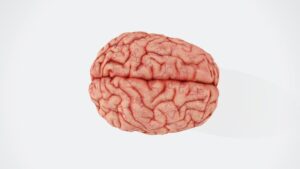
Acroagnosia: When Your Brain Loses Track of Your Body
Introduction and Definitional Framework Acroagnosia is recognized within clinical neuropsychology as a specialized, albeit rare,...
Introduction and Definitional Framework Acroagnosia is recognized within clinical neuropsychology as a specialized, albeit rare,...

Definition and Etiology of Acoustic Trauma Acoustic trauma is defined as a specific type of...
Introduction and Definition Aortic Arch Syndrome (AAS) represents a complex and relatively uncommon vasculopathy characterized...

Anxiety Fixation: Definition and Clinical Presentation Anxiety is a ubiquitous human experience, yet when it...

Introduction to Antisocial Behavior Antisocial behavior represents a complex and multifaceted psychological construct characterized by...

Antigonadal Action: A Review The antigonadal action of drugs is a pharmacological phenomenon that has...

Introduction to Anticipatory Grief Anticipatory grief represents a profound and complex emotional experience characterized by...

Anterior-Posterior Axis: A Review The anterior-posterior (AP) axis is a fundamental concept in developmental biology....

Aging is a natural process that affects all living organisms. Over time, skin becomes less...
Anoxemia is a medical condition in which there is a lack of oxygen in the...

Introduction to Anions and Ionic Chemistry Anions represent a fundamental class of chemical species defined...

Anomic Suicide: The Role of Social and Economic Stressors in Existential Breakdown The concept of...