Articles
Classical Conditioning: Master the Power of Association
Defining Classical Conditioning: The Foundation of Associative Learning Pavlovian Conditioning, often referred to as Classical...
Defining Classical Conditioning: The Foundation of Associative Learning Pavlovian Conditioning, often referred to as Classical...

Definition and Core Concepts of the Pecking Order The term pecking order defines a generally...

Introduction: Defining Pathognomonic and its Historical Context The term pathognomonic, derived from the Greek words...

Introduction and Definition of the Terminology Debate The Patient-Client Issue represents a profound and long-standing...

Introduction to Passive Avoidance Passive avoidance is a specialized mechanism within the domain of operant...

Introduction and Definition of Passive-Avoidance Learning Passive-avoidance learning, often abbreviated as PAL, constitutes a fundamental...

Introduction to Participative Management Participative management represents a sophisticated and influential style of organizational leadership...

Introduction and Definition of Partial Hospitalization The concept of Partial Hospitalization refers to a highly...
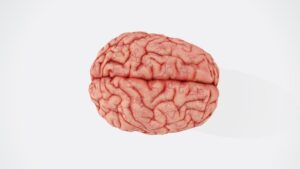
Parkinson’s Disease (PD) is a chronic, progressive neurodegenerative disorder characterized primarily by the gradual deterioration...

Introduction: Defining Parenting Styles and Historical Context Parenting styles represent the fundamental constellation of attitudes,...
Definition and Etymology of Parenchyma The term parenchyma is a fundamental concept in histology, anatomy,...

Defining the Concept of Parasitism The term parasitism holds significant weight across multiple academic disciplines,...