Articles
The Typicality Effect: Why Our Brains Prefer Prototypes
Typicality Effect The Core Definition of the Typicality Effect The typicality effect is a fascinating...
Typicality Effect The Core Definition of the Typicality Effect The typicality effect is a fascinating...
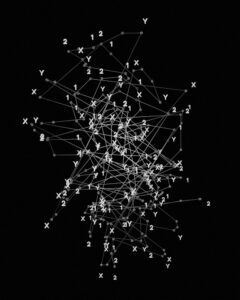
Two-by-Two Factorial Design Introduction: The Core Definition of a 2×2 Factorial Design A two-by-two factorial...

T-Unit (Minimal Terminable Unit) The T-unit, an abbreviation for “minimal terminable unit,” stands as a...
Tropia: A Biopsychosocial Perspective on Early Disease Detection The Core Definition of Tropia Tropia, in...

Tryptamine Derivatives Introduction to Tryptamine Derivatives Tryptamine derivatives represent a diverse and pharmacologically significant class...
Trigeminal Chemoreception Introduction to Trigeminal Chemoreception Trigeminal chemoreception refers to the detection and processing of...

Trinucleotide Repeat Disorders Introduction to Trinucleotide Repeats Trinucleotide repeats (TNRs), sometimes referred to as triplet...

Triangulation in Psychological Research Introduction to Triangulation In the vast and intricate landscape of the...

Treatment Withholding Defining Treatment Withholding: A Medical-Ethical Perspective Treatment withholding is a complex and often...

Psychological Transformation The Core Definition of Psychological Transformation Psychological transformation refers to a profound and...

Transcortical Aphasia The Core Definition of Transcortical Aphasia Transcortical aphasia is a specific type of...

Transitional Object Introduction: Defining the Transitional Object A transitional object refers to any item or...