Human Behavior: Unlocking the Secrets Behind Your Actions
Scientifically Reviewed · Dr. Marwa Abd-Alazim · October 5, 2026
Review Criteria & Clinical Standards
This content undergoes rigorous scientific peer-review and medical editorial standards at Arab Psychology Network to ensure clinical accuracy, validity, and compliance with evidence-based guidelines from leading psychological and healthcare authorities (APA / WHO).
Introduction: The Multifaceted Nature of Human Behavior
Human behavior is an extraordinarily complex and dynamic phenomenon, encompassing the full range of physical and emotional actions that individuals exhibit throughout their lives. At its core, it represents the intricate interplay between an individual’s internal states and their external environment, manifesting in everything from routine daily tasks to profound emotional responses and complex social interactions. Understanding the origins and drivers of these actions is a central pursuit in psychology, aiming to decipher why people think, feel, and act the way they do across diverse circumstances and cultures. This endeavor moves beyond superficial observations to explore the deeply rooted mechanisms that shape our every move and decision.
The fundamental mechanism behind human behavior is not singular but rather a convergence of diverse influences, often conceptualized through an integrative approach like the biopsychosocial model. This model posits that behavior is a product of biological predispositions, psychological processes, and sociocultural contexts, all interacting dynamically. It acknowledges that no single factor operates in isolation; instead, genes may predispose an individual to certain traits, but psychological experiences and environmental stressors can activate or suppress these genetic expressions, while cultural norms dictate the acceptable forms of behavioral expression. This holistic perspective is crucial for developing a comprehensive understanding that transcends reductionist explanations, offering a rich tapestry of causality.
Historical Evolution of Behavioral Explanations
The inquiry into the causes of human behavior is as old as philosophy itself, with ancient thinkers like Aristotle and Plato pondering the nature of the soul, reason, and free will as drivers of action. However, the scientific study of behavior only gained prominence in the late 19th and early 20th centuries with the establishment of psychology as a distinct discipline. Early psychological schools of thought offered differing perspectives: structuralism sought to break down mental processes into their basic components, while functionalism focused on the purpose and utility of behavior in adapting to the environment. These foundational movements laid the groundwork for more specialized investigations into behavioral determinants, shifting from purely speculative reasoning to empirical observation and experimentation.
The 20th century witnessed significant theoretical developments that profoundly shaped our understanding of behavioral causes. Behaviorism, championed by figures like John B. Watson and B.F. Skinner, emphasized the role of environmental conditioning and observable responses, largely dismissing internal mental states. In contrast, psychodynamic theories, originating with Sigmund Freud, highlighted unconscious drives, early childhood experiences, and internal conflicts as primary determinants of behavior. Later, the cognitive revolution ushered in a renewed focus on internal cognitive processes such as perception, memory, and problem-solving, recognizing them as crucial mediators between stimuli and responses. Each historical epoch contributed layers of understanding, progressively revealing the intricate web of factors influencing human actions.
The Biological Blueprint: Genes, Hormones, and Brain
The biological causes of human behavior are deeply rooted in our physiological makeup, offering a fundamental layer of explanation. Our genetic inheritance plays a significant role, with research in behavioral genetics demonstrating that genes can predispose individuals to certain behavioral patterns and temperamental traits. For instance, studies have identified genetic markers associated with variations in traits such as aggression, impulsivity, and even prosocial behaviors like empathy, as highlighted by researchers like Bjorklund & Kipp (2018). While genes do not dictate behavior in a deterministic sense, they establish a range of potential responses, influencing how individuals might react to specific environmental cues and experiences.
Beyond genetics, our internal chemical messengers, hormones, exert powerful influences on behavior. Hormones such as testosterone, often associated with dominance and aggression, and serotonin, a key neurotransmitter involved in mood regulation, significantly impact emotional states and behavioral tendencies. Imbalances or fluctuations in these endocrine system components can lead to noticeable shifts in an individual’s demeanor, emotional reactivity, and overall behavioral repertoire, affecting everything from stress responses to social bonding, as detailed by Pfaff & Arnold (2017). The intricate dance of hormones within the body provides a dynamic biological substratum for many of our actions and reactions.
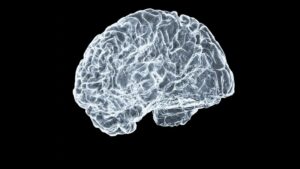
Furthermore, neurobiological structures and processes within the brain are pivotal in shaping behavior. Different regions of the brain are specialized for various functions, and their activity directly translates into our thoughts, feelings, and actions. For instance, the prefrontal cortex is widely recognized for its critical role in executive functions such as planning, working memory, and complex decision-making, as noted by Platt & Glimcher (2017). Damage or dysfunction in specific brain areas can profoundly alter an individual’s personality and behavior, underscoring the brain’s role as the central command center that orchestrates our entire behavioral spectrum through complex neural networks and neurotransmitter systems.
The Inner Landscape: Cognitive and Experiential Factors
The psychological causes of human behavior delve into the rich inner world of the individual, primarily examining the role of cognitive processes. These include an individual’s beliefs, attitudes, and values, which act as mental frameworks through which we interpret the world and guide our actions. Our perceptions, memories, expectations, and problem-solving strategies collectively determine how we process information, make choices, and react to stimuli. These cognitive constructs are not static but are continually shaped by our experiences and interactions, forming the lens through which we construct our reality and, consequently, direct our behavior, as explored by Kurzban (2018).
Experiential factors also play a profound role in molding psychological causes of behavior. Learning, through both direct experience and observation, enables individuals to acquire new behaviors and modify existing ones. Early life experiences, particularly formative events, can leave lasting imprints on an individual’s psychological makeup. For example, research indicates that adverse experiences such as childhood trauma or abuse can significantly shape cognitive processes and emotional regulation strategies, potentially leading to long-term behavioral patterns, as highlighted by DePrince & Freyd (2018). These experiences contribute to the development of self-schemas, coping mechanisms, and emotional responses that become integral to an individual’s behavioral repertoire.
Furthermore, enduring personality traits represent consistent patterns of thought, feeling, and behavior that distinguish individuals from one another. Traits like extraversion, neuroticism, and agreeableness, often described within frameworks like the Big Five personality model, have been shown to influence a wide range of behaviors, from social interaction styles to career choices and resilience in the face of stress. These traits are believed to have both genetic and environmental components, developing over time and providing a relatively stable framework for understanding and predicting an individual’s typical reactions and inclinations, as discussed by Friedman (2019).
Society’s Influence: Culture, Groups, and Economics
The social causes of human behavior emphasize the profound impact of the external world, particularly the cultural, social, and economic environments in which individuals are embedded. Cultural norms, values, traditions, and belief systems provide a blueprint for acceptable behavior within a given society. These include ingrained elements such as gender roles, religious tenets, and shared social customs that subtly, yet powerfully, guide individual actions and expressions. For instance, what is considered polite, aggressive, or even rational can vary dramatically across cultures, demonstrating how collective understandings shape individual conduct, as Mesquita (2014) illustrates regarding culture and emotion.
Beyond broad cultural frameworks, immediate social factors exert considerable influence. Group dynamics, social roles, conformity pressures, and obedience to authority figures all play critical roles in shaping individual behavior. People often adjust their actions, attitudes, and beliefs to align with those of their social groups or to fulfill expected roles within a community or organization. The desire for social acceptance, avoidance of ostracism, and the innate human need for connection often drive individuals to conform to group standards, even when those standards conflict with personal inclinations. These social forces can lead to both prosocial behaviors, such as cooperation and altruism, and less desirable outcomes, such as bystander apathy or mob mentality.
Finally, economic conditions and structures significantly influence human behavior. Factors such as poverty, income inequality, access to resources, and job security can profoundly impact individuals’ choices, opportunities, and psychological well-being. Economic hardship, for example, can contribute to increased stress levels, mental health challenges, and behaviors geared towards survival or resource acquisition. Conversely, economic prosperity and stability can foster a sense of security and open up avenues for self-actualization and community engagement. These broader societal contexts create conditions that either constrain or enable various forms of behavior, making economics an undeniable force in the study of human action, as Pinker (2018) alludes to in his discussions of societal factors.
A Practical Illustration: Understanding Altruism
To illustrate the interconnectedness of these factors, consider the phenomenon of altruism – an individual acting to benefit another without expecting personal gain, often at some cost to themselves. Imagine a scenario where a person stops to help a stranger whose car has broken down on the side of a busy road, despite being in a hurry themselves. This seemingly simple act can be understood through the lens of biological, psychological, and social causes working in concert. It provides a tangible example of how multiple layers of influence converge to produce a specific human action.
Step-by-step, the application of psychological principles begins with the biological level: the individual might have a genetic predisposition towards higher empathy, which is regulated by specific neural circuits and neurochemical balances like oxytocin, promoting prosocial bonding. Psychologically, their personal history might include positive reinforcement for helping others during childhood, shaping a strong value system centered on compassion and community responsibility. They might also possess high levels of agreeableness as a personality trait, making them more inclined to offer assistance. Cognitively, they quickly assess the situation, perceive the stranger’s distress, and recall past experiences where they either helped or were helped, influencing their decision to stop.
On the social front, the individual may have been raised in a culture that highly values community support and mutual aid, where “neighbor helping neighbor” is a strong cultural norm. Furthermore, the presence (or absence) of other bystanders can influence their decision: if they are the only person present, the sense of personal responsibility might be heightened, known as the diffusion of responsibility effect in social psychology. The cumulative effect of these interwoven biological predispositions, learned psychological frameworks, and prevailing social expectations and pressures culminates in the altruistic act, demonstrating that behavior is rarely, if ever, attributable to a single cause.
The Broad Implications: From Theory to Application
Understanding the causes of human behavior holds immense significance for the field of psychology, providing the foundational knowledge necessary to build robust theories and effective interventions. It moves the discipline beyond mere description of behavior to a more profound explanation of its origins, allowing psychologists to predict, and in some cases, influence human actions. This comprehensive perspective is vital for developing a holistic view of individuals, acknowledging that their experiences and actions are products of complex, interacting systems rather than isolated incidents. It shapes the way researchers design studies, interpret data, and formulate new hypotheses about the human condition.
The applications of this knowledge are far-reaching and impactful across various sectors. In clinical psychology, understanding the biological, psychological, and social roots of mental health conditions informs the development of more targeted and effective therapeutic approaches, such as cognitive-behavioral therapy or family systems therapy. In public health, insights into behavioral determinants are crucial for designing campaigns that promote healthy lifestyles, prevent disease, and encourage compliance with health guidelines. Educators utilize this understanding to create more effective learning environments and tailor teaching methods to individual student needs, considering their cognitive styles, emotional states, and social backgrounds.
Beyond health and education, the study of behavioral causes is instrumental in fields like marketing, where consumer behavior is analyzed to understand purchasing decisions; in organizational psychology, where employee motivation and team dynamics are explored to improve productivity; and in forensic psychology, where insights into criminal behavior help inform legal processes and rehabilitation efforts. Ultimately, a deep comprehension of why people behave the way they do empowers societies to address complex challenges, foster positive social change, and cultivate environments that support individual well-being and collective flourishing. This interdisciplinary approach remains at the forefront of contemporary psychological research, continually refining our understanding of human nature.
Interconnections within Psychology
The study of behavioral causes is not an isolated endeavor but is deeply interconnected with numerous other concepts and subfields within psychology. It forms a central tenet in the long-standing debate of nature versus nurture, providing a framework for understanding how genetic predispositions interact with environmental influences to shape development and behavior. Furthermore, it directly engages with the philosophical discussion of free will versus determinism, probing the extent to which our actions are freely chosen or predetermined by biological, psychological, and social forces. These debates highlight the profound theoretical implications of understanding behavioral causality.
This area of study also draws heavily from and contributes to various specialized branches of psychology. Developmental psychology, for instance, explores how these biological, psychological, and social factors unfold and interact across the lifespan, influencing behavioral changes from infancy to old age. Cognitive psychology provides the detailed mechanisms of how thoughts, perceptions, and memories mediate between external stimuli and behavioral responses, while social psychology examines how social contexts, group dynamics, and cultural norms influence individual and collective actions. The integrated understanding of human behavior transcends narrow disciplinary boundaries, fostering a more complete picture of the human experience.
Ultimately, the inquiry into the causes of human behavior belongs to the broader category of integrative psychology and the biopsychosocial model, which champions a holistic and interdisciplinary approach. It emphasizes that a truly comprehensive understanding of any behavior requires an examination of biological factors (e.g., genetics, neuroscience), psychological factors (e.g., cognition, emotion, personality), and social factors (e.g., culture, family, peers, socioeconomic status). This integrative perspective is not merely a theoretical framework but a practical guide for research, clinical practice, and policy development, continually seeking to unify diverse insights into a coherent and actionable understanding of human action.