Conditioned Place Preference: Decoding Your Brain’s Reward
Scientifically Reviewed · Dr. Marwa Abd-Alazim · September 9, 2026
Review Criteria & Clinical Standards
This content undergoes rigorous scientific peer-review and medical editorial standards at Arab Psychology Network to ensure clinical accuracy, validity, and compliance with evidence-based guidelines from leading psychological and healthcare authorities (APA / WHO).
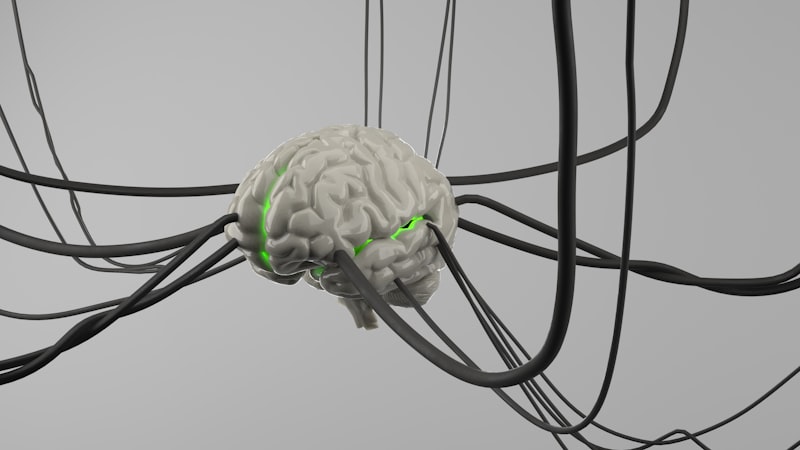
CONDITIONED PLACE PREFERENCE (CPP)
The Conditioned Place Preference (CPP) paradigm is a widely utilized behavioral methodology in translational neuroscience and psychology designed to objectively assess the motivational or affective properties of environmental stimuli, most commonly pharmacological agents or natural rewards. Fundamentally, CPP tests whether the experience with a specific stimulus will reinforce the environmental context, or area, wherein that experience occurred. This powerful technique relies on the principles of classical conditioning to measure the incentive salience—the “wanting”—associated with a particular context that has been previously paired with a rewarding or aversive unconditioned stimulus. The result of a successful CPP protocol is a measurable preference for, or avoidance of, the stimulus-paired location, providing clear empirical data on the reinforcing efficacy of the tested compound or experience.
CPP serves as a critical measure for determining how effective a given stimulus is at reinforcing certain behaviors and associating those behaviors with specific contextual cues. If an animal spends significantly more time in the compartment associated with a drug compared to the control compartment, a positive CPP is established, indicating that the stimulus possesses rewarding properties. Conversely, if the animal actively avoids the compartment, a Conditioned Place Aversion (CPA) is established, suggesting the stimulus is aversive. This ability to quantify the affective valence tied to context makes CPP an indispensable tool, especially within the domains of addiction research, where understanding the motivational drive for drug-seeking behavior is paramount to developing effective therapeutic interventions.
Unlike other reward measures, such as intravenous self-administration, the CPP test is non-consummatory during the expression phase. The animal is not actively receiving the reward during the final test; rather, the test measures the memory and motivational learning component that results from the prior pairing. This dissociation between the immediate hedonic effects of the stimulus and the enduring learned association provides unique insight into the neural circuitry underlying memory for reward. Consequently, the CPP paradigm has become a benchmark procedure for rapidly screening novel psychoactive compounds and investigating the neurobiological mechanisms underlying the formation of reward-context associations in various species, particularly rodents.
Historical Context and Development
The conceptual foundation of Conditioned Place Preference is firmly rooted in the classical conditioning experiments pioneered by Ivan Pavlov, where a neutral stimulus (the environment/context) becomes associated with an unconditioned stimulus (the reward/drug). However, the formal development and standardization of the CPP paradigm as a dedicated tool for assessing drug reinforcement occurred primarily in the late 1970s and early 1980s. Prior to this development, researchers relied heavily on complex operant procedures like self-administration, which required extensive training, or the more invasive Intracranial Self-Stimulation (ICSS) technique. The need for a simpler, more efficient, and less invasive method to evaluate the reinforcing properties of substances spurred the creation of the CPP protocol.
Early iterations of the CPP paradigm utilized basic two-compartment boxes and focused predominantly on understanding the reinforcing effects of major drugs of abuse, such as opioids and stimulants. Key methodological advances involved standardizing the environmental cues, such as distinct wall patterns, floor textures, and lighting conditions, ensuring that the compartments were initially neutral and discriminable. This standardization was crucial because the predictive reliability of CPP depends entirely on the animal’s ability to form a robust, reliable, and unambiguous association between the contextual cues and the pharmacological state induced by the substance.
The acceptance and widespread application of CPP grew rapidly because it offered a crucial behavioral measure that complemented self-administration studies. While self-administration measures the effort an animal is willing to expend to obtain a drug (operationalizing addiction liability), CPP measures the affective motivational state induced by the drug and the learned preference for the associated environment. This provided a necessary translational bridge, allowing researchers to study the neural circuits involved in incentive learning independent of the motor requirements necessary for operant responding, cementing its place as a cornerstone technique in behavioral neuropharmacology.
Methodology: The CPP Apparatus and Procedure
The standard CPP apparatus typically consists of a rectangular enclosure divided into two or three distinct compartments separated by a removable partition or wall. The distinctiveness of the compartments is paramount, achieved through a careful combination of sensory cues, including visual differences (e.g., black and white walls, striped versus dotted patterns), tactile differences (e.g., grid flooring versus solid flooring), and olfactory differences. In a common two-compartment design, one compartment is designated as the ‘drug-paired’ side and the other as the ‘vehicle-paired’ side, though three-compartment designs often include a neutral central zone for transition and baseline measurement.
The CPP procedure is generally executed in three sequential phases: the Pre-test, the Conditioning Phase, and the Test Phase. The Pre-test establishes the animal’s baseline preference or aversion for the compartments before any conditioning takes place. The animal is allowed free access to all compartments, and the time spent in each compartment is recorded. This phase is essential for implementing an unbiased conditioning design, where animals showing a strong initial preference are counterbalanced across groups to ensure that the final preference is due to the drug association and not pre-existing environmental bias.
The critical phase is the Conditioning Phase, which involves multiple alternating sessions, typically over three to eight days. On conditioning Day 1, the animal receives the active substance (the rewarding stimulus) and is confined to Compartment A for a specific duration (e.g., 30–60 minutes). On Day 2, the animal receives the control vehicle (saline or water) and is confined to Compartment B. This procedure alternates daily until the context-reward association is solidified. Finally, in the Test Phase (Post-test), the animal receives no injection, the partition is removed, and the animal is allowed free access to all compartments. The primary dependent variable is the total time spent in the drug-paired compartment, with increased time relative to the vehicle-paired side indicating successful CPP acquisition.
Mechanisms of Reinforcement and Learning
The successful acquisition of Conditioned Place Preference fundamentally relies on the neurobiological systems dedicated to reward processing and learning. The primary mechanism underlying CPP is Pavlovian learning, where the previously neutral contextual cues (Conditioned Stimulus, CS) gain motivational salience by being repeatedly associated with the powerful reinforcing effects of the drug or natural reward (Unconditioned Stimulus, US). This repeated pairing results in a robust learned association, such that the presentation of the context alone can trigger a motivational state driving the animal to seek out that environment.
The neurocircuitry most closely implicated in mediating CPP is the mesolimbic dopamine system, often referred to as the brain’s reward pathway. This circuit originates in the Ventral Tegmental Area (VTA), projecting heavily to the Nucleus Accumbens (NAc), and includes connections to the prefrontal cortex, amygdala, and hippocampus. Dopamine release in the NAc is a key neural correlate of reinforcement learning. During the conditioning phase, the rewarding stimulus causes a surge of dopamine that strengthens the synaptic connections representing the contextual cues in the associated brain regions, thereby labeling the environment as predictive of reward.
It is important to differentiate the role of CPP in measuring reward. CPP primarily reflects the mechanisms of incentive salience attribution—the process by which motivational significance (wanting) is assigned to cues associated with reward. While the initial drug experience may induce euphoria (liking), the behavioral expression of CPP during the test phase is driven by the learned motivational desire to return to that context. Manipulations that block dopamine signaling, especially within the NAc shell, typically impair the acquisition or expression of CPP, confirming the central role of dopamine in establishing the learned contextual preference, providing strong evidence that CPP captures the learned memory component of addiction.
Applications in Neuropharmacology and Addiction Research
The Conditioned Place Preference assay is one of the most widely adopted preclinical tools for characterizing the addictive liability of novel pharmacological compounds. By rapidly and reliably quantifying the rewarding potential of a substance, researchers can classify drugs into known categories—such as psychostimulants (e.g., cocaine, amphetamine), opioids (e.g., morphine, fentanyl), or cannabinoids—and predict their potential for abuse in humans. This screening capability is invaluable during the early stages of drug development, allowing pharmaceutical companies to identify and optimize compounds with therapeutic efficacy while minimizing addiction risk.
Beyond simple screening, CPP is instrumental in dissecting the complex neurobiological underpinnings of drug relapse. Researchers often utilize variations of the CPP protocol to model key aspects of the addiction cycle, particularly the phenomenon of reinstatement. In these studies, CPP is first established and then extinguished (by repeated exposure to the environment without the drug). Relapse-like behavior is modeled by re-exposure to a sub-threshold dose of the drug, stress, or drug-associated cues, which triggers the reinstatement of the preference. Measuring the time spent in the formerly drug-paired context during reinstatement allows for the testing of potential anti-relapse medications.
Furthermore, CPP is not limited to studying drugs of abuse; its utility extends to investigating natural rewards and maladaptive behaviors. The paradigm is used to assess the motivational value of highly palatable foods in models of obesity, social interaction in models of autism spectrum disorders, or exercise in studies of motivational deficits. By applying genetic and pharmacological manipulations, researchers can pinpoint specific genes, receptors, or signaling pathways that govern the motivational impact of these stimuli, providing critical insights into the etiology of various psychiatric and behavioral disorders characterized by altered reward processing and incentive motivation.
Advantages and Limitations of the CPP Paradigm
The CPP paradigm offers several distinct advantages that contribute to its enduring popularity in behavioral neuroscience. Firstly, it is logistically simpler and less labor-intensive than operant conditioning procedures, requiring minimal training and allowing for the assessment of reward independent of the subject’s motor capabilities or performance demands. Secondly, CPP is versatile, capable of measuring both positive reinforcement (preference for rewarding stimuli) and negative reinforcement or aversion (avoidance of aversive stimuli) within the same experimental framework, simply by observing the direction of the behavioral change. Finally, the procedure is highly sensitive to the effects of pharmacological manipulation, allowing researchers to precisely characterize the dose-response relationship of rewarding agents and the effects of receptor antagonists on reward memory formation.
However, the CPP paradigm is also subject to several important limitations regarding the interpretation of results. A major concern is the potential for confounding variables related to drug-induced motor effects. For example, a stimulant drug might cause hyperactivity, leading the animal to move more randomly, potentially skewing the calculated time spent in a compartment, irrespective of true affective preference. Conversely, a sedative drug might restrict movement, resulting in a spurious preference for the compartment where the animal happened to settle. Rigorous experimental controls, such as monitoring total locomotor activity during the test phase, are essential to mitigate these interpretive challenges.
Another critical limitation relates to the nature of the conditioned stimulus itself. CPP relies on the animal forming an association between an internal drug state and external contextual cues. If the internal state is highly novel or uncomfortable, the association might be weak or lead to aversion, masking potential reward effects. Furthermore, CPP is fundamentally a measure of the learned association between context and reward, reflecting incentive salience (wanting). It does not fully capture the subjective experience of pleasure (liking). Therefore, CPP results must often be interpreted alongside other measures, such as hedonic reactivity tests or self-administration paradigms, to obtain a comprehensive profile of a stimulus’s affective properties.
Variations and Future Directions
To address the methodological constraints inherent in the standard CPP protocol, several key variations have been developed. The most significant variation is the Real-Time CPP (RT-CPP), which eliminates the separate conditioning phase. In RT-CPP, the animal is allowed free access to both compartments during the entire session, and the drug is delivered or activated only when the animal enters a specific compartment. For example, in optogenetic studies, laser light delivery (the reward) might occur only when the animal enters the blue compartment. This variation allows for instantaneous association formation and is particularly useful for studying rapid learning mechanisms.
A second important variation involves the distinction between unbiased and biased designs. While unbiased designs (counterbalancing initial preferences) are standard, biased designs purposefully confine animals to their initially non-preferred side when administering the drug, requiring the drug’s reinforcing properties to overcome a pre-existing aversion. This manipulation is sometimes used to assess the motivational strength of the reward under more challenging conditions. Furthermore, sophisticated analyses now integrate video tracking software with machine learning algorithms to analyze not just total time spent, but also specific movement patterns, latent periods, and compartment entries, providing a richer data set.
The future of CPP lies in its integration with advanced neuroscientific tools. Combining CPP with techniques like optogenetics and chemogenetics allows researchers to precisely manipulate specific neuronal populations (e.g., VTA dopamine neurons) during the conditioning or expression phases, determining necessity and sufficiency for the formation of the context-reward association. Similarly, coupling CPP with *in vivo* imaging techniques, such as fiber photometry, enables the real-time monitoring of neurotransmitter release or neuronal activity in specific brain regions as the animal expresses its conditioned preference. These innovations ensure that the Conditioned Place Preference paradigm will remain an indispensable, dynamic, and highly informative method for understanding the neurobiology of motivation, learning, and addiction.
-
The CPP paradigm measures the motivational impact of a stimulus based on location preference.
-
It relies on classical conditioning principles to associate context (CS) with reward (US).
-
The method is crucial for screening the addictive liability of novel pharmaceutical agents.
-
Neurobiologically, CPP is mediated primarily by the mesolimbic dopamine system.
-
Variations like Real-Time CPP offer enhanced temporal resolution for studying learning.