Auditory Perception: Sound and the Psychology of Hearing
Scientifically Reviewed · Dr. Marwa Abd-Alazim · October 2, 2026
Review Criteria & Clinical Standards
This content undergoes rigorous scientific peer-review and medical editorial standards at Arab Psychology Network to ensure clinical accuracy, validity, and compliance with evidence-based guidelines from leading psychological and healthcare authorities (APA / WHO).
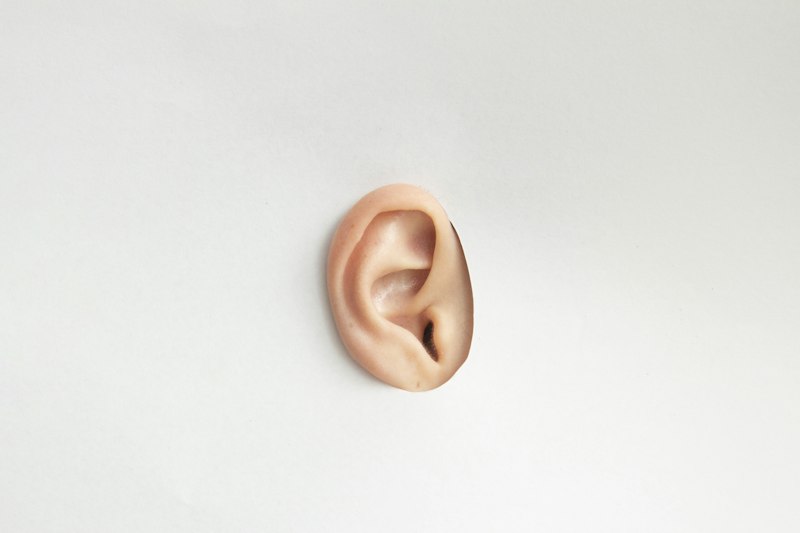
CONDUCTION DEAFNESS
Introduction to Conductive Deafness
Conductive deafness represents a specific and clinically distinct form of hearing loss that originates from structural or functional impairments within the outer and/or middle ear. This condition fundamentally hinders the efficient physical transmission of sound waves from the external environment to the sensory receptors of the inner ear. Unlike other forms of hearing impairment that involve damage to the sensory cells or neural pathways, the core mechanism of conductive deafness is defined by a mechanical impediment. This means that acoustic energy is physically obstructed, absorbed, or diminished before it can reach the cochlea to be converted into neural signals for cerebral processing. Understanding this mechanical distinction is paramount for clinicians, as it directly dictates both the diagnostic protocols and the therapeutic interventions required to manage the condition.
The physiological principle underlying conductive hearing loss is rooted in the disruption of an intricate, highly coordinated sound conduction system. In a healthy auditory system, sound waves travel through the external auditory canal and strike the tympanic membrane, commonly known as the eardrum, causing it to vibrate. These physical vibrations are then mechanically amplified and transferred across the air-filled middle ear cavity by a chain of three tiny bones collectively called the ossicles, which comprise the malleus, incus, and stapes. This ossicular chain acts as an impedance-matching transformer, converting low-pressure airborne sound waves into high-pressure fluid vibrations within the fluid-filled cochlea. Any pathology that disrupts this pathway—whether an obstruction in the external canal, structural damage to the eardrum, or fixation of the ossicles—prevents this crucial mechanical transduction, resulting in an attenuated signal reaching the inner ear.
Distinguishing conductive deafness from sensorineural hearing loss is a critical cornerstone of audiological medicine, as their underlying etiologies, prognoses, and treatments differ substantially. While conductive hearing loss involves a mechanical failure of sound delivery, sensorineural loss is characterized by damage to the cochlea or the vestibulocochlear nerve, impairing the transduction and transmission of neural impulses. In some complex clinical presentations, individuals may exhibit elements of both conditions, a state referred to as mixed hearing loss, which presents unique diagnostic and therapeutic challenges. Fortunately, because the inner ear and neural pathways are typically healthy in pure conductive deafness, the hearing loss is often temporary, highly treatable, and reversible, although chronic or congenital conditions may require long-term management or advanced surgical intervention.
Historical Understanding and Medical Advancements
The historical trajectory of understanding and treating hearing loss, particularly what is modernly classified as conductive deafness, reflects a transition from ancient superstitious explanations to highly sophisticated biomedical engineering. In early civilizations, the lack of anatomical knowledge led to the belief that hearing impairments were divine punishments or inevitable consequences of systemic decay, offering little in the way of therapeutic relief. Despite this lack of scientific insight, early humans demonstrated an intuitive grasp of acoustic physics by utilizing primitive horn-shaped devices or cupped hands to gather and amplify sound waves. The scientific investigation of the ear’s internal architecture truly began during the Renaissance, when pioneering anatomists such as Leonardo da Vinci and Andreas Vesalius published detailed structural descriptions of the temporal bone, the tympanic membrane, and the ossicular chain, establishing a foundation for future physiological discoveries.
By the 19th century, otology had emerged as a dedicated medical specialty, catalyzed by rigorous scientific observation and clinical documentation. Prominent physicians, most notably Adam Politzer, made groundbreaking contributions to the study of middle ear pathology, identifying specific diseases such as otitis media and otosclerosis as primary drivers of conductive hearing deficits. Politzer developed early therapeutic techniques to clear the Eustachian tube, aiming to restore proper air pressure within the middle ear. Crucially, the invention and widespread adoption of the otoscope in the mid-1800s revolutionized the field by allowing clinicians to directly inspect the external auditory canal and the tympanic membrane in living patients, facilitating the rapid identification of physical obstructions, fluid accumulations, and structural perforations.
The 20th century witnessed an unprecedented acceleration of therapeutic and diagnostic capabilities that transformed the prognosis for individuals with conductive deafness. The post-World War II introduction of systemic antibiotics drastically reduced the incidence of chronic, untreated middle ear infections, which had historically been a leading cause of permanent conductive hearing loss and life-threatening mastoiditis. Simultaneously, the development of the operating microscope paved the way for modern microsurgical procedures, enabling otologists to perform delicate reconstructions of the middle ear. Innovations such as stapes mobilization and the stapedectomy for otosclerosis, alongside tympanoplasty and ossiculoplasty, allowed surgeons to bypass or rebuild damaged mechanical pathways, while the development of precise audiometry and objective tympanometry ensured highly accurate pre-operative and post-operative evaluations.
Underlying Causes of Conductive Hearing Loss
The etiologies of conductive deafness are diverse, yet they all share the functional consequence of disrupting the physical movement of sound through the outer or middle ear. One of the most common causes, particularly within pediatric populations, is otitis media, an inflammatory condition of the middle ear often triggered by upper respiratory infections and Eustachian tube dysfunction. This inflammation frequently leads to fluid accumulation in the middle ear cleft, a condition colloquially known as “glue ear,” which severely dampens the vibrations of the tympanic membrane and ossicles. If left untreated, chronic otitis media can cause irreversible structural damage, including the erosion of the delicate ossicular bones, permanent perforations of the eardrum, or the development of a cholesteatoma, a destructive epithelial cyst that aggressively damages surrounding middle ear structures.
Obstructions within the external auditory canal represent another highly prevalent and generally reversible category of conductive hearing impairment. The most frequent clinical presentation is excessive cerumen (earwax) buildup, which can become impacted and completely occlude the canal, creating a dense barrier to incoming sound waves. This issue is often exacerbated by patients using cotton swabs, which inadvertently push the wax deeper against the tympanic membrane. Other external canal obstructions include foreign objects, which are frequently self-inserted by young children, and otitis externa, an infection of the outer ear canal that causes severe swelling, pain, and cellular debris accumulation. Additionally, congenital structural anomalies such as atresia, which is the complete absence or closure of the external auditory canal, or stenosis, the extreme narrowing of the canal, can severely restrict sound entry from birth.
Pathologies directly affecting the structural integrity of the tympanic membrane and the ossicular chain also constitute major causes of conductive deafness. A perforated eardrum can occur due to direct physical trauma, sudden barotrauma, loud acoustic trauma, or pressure buildup from acute middle ear infections, directly reducing the membrane’s surface area available for acoustic reception. Within the middle ear, otosclerosis stands out as a primary progressive cause, characterized by abnormal, localized bone remodeling that fuses the stapes footplate to the oval window, rendering the ossicular chain immobile. Physical trauma can also cause ossicular disarticulation, where the tiny bones are shaken out of alignment, while congenital malformations may result in fused, missing, or malformed ossicles that fail to transmit mechanical energy.
Manifestation and Symptomatology
The primary clinical presentation of conductive deafness is a noticeable decrease in hearing acuity, which may affect one or both ears depending on the underlying pathology. Patients typically describe this deficit not as a loss of sound clarity, but rather as a generalized reduction in sound volume, often comparing the sensation to wearing earplugs or hearing the world through a thick wall. Because the sensory cells of the inner ear remain fully functional, individuals with pure conductive hearing loss do not usually experience the distortion of speech sounds that characterizes sensorineural loss; instead, if the external sound is made loud enough to overcome the mechanical barrier, their speech comprehension remains remarkably intact. This preservation of clarity at higher volumes is a key symptomatic indicator during initial clinical history-taking.
In addition to the primary reduction in hearing sensitivity, individuals frequently report a variety of secondary auditory and physical sensations. Tinnitus, characterized by subjective ringing, buzzing, clicking, or roaring sounds, is a common accompaniment, often becoming more noticeable because the external environmental sounds that normally mask these internal noises are blocked by the conductive barrier. Many patients also describe a persistent sensation of aural fullness or pressure in the affected ear, which is particularly pronounced when the conductive loss is caused by Eustachian tube dysfunction, middle ear effusion, or a dense impaction of cerumen. This pressure sensation can cause significant physical discomfort and a constant, distracting awareness of the ear.
Furthermore, certain etiologies of conductive deafness can produce symptoms that extend beyond the auditory system. For example, severe middle ear infections or rapidly expanding cholesteatomas can cause localized pain (otalgia), discharge (otorrhea), and, in rare instances, dizziness or vertigo if the inflammatory process spreads to the adjacent vestibular system or causes pressure changes within the inner ear fluids. In social and academic settings, the functional impact of muffled hearing manifests as increased listening effort, cognitive fatigue, and difficulty localizing the source of sounds. This struggle is especially pronounced in noisy environments, where background noise easily masks the already weakened target acoustic signals, leading to communication breakdowns and academic or professional strain.
Diagnostic Pathways and Assessment
The diagnostic pathway for identifying conductive deafness is highly systematic, designed to locate the exact site of mechanical failure and determine its underlying cause. The process begins with a detailed clinical history, wherein the clinician gathers information regarding the onset, duration, and progression of the hearing loss, alongside any associated symptoms such as pain, discharge, tinnitus, or balance issues. The patient’s history of respiratory infections, swimming habits, head trauma, and family history of hearing disorders (such as otosclerosis) is also thoroughly explored, as these factors provide essential clues that help direct the physical and audiological examinations.
Following the initial consultation, a thorough otoscopic examination is performed to visually evaluate the outer ear and the tympanic membrane. Using an otoscope, the clinician inspects the external auditory canal for signs of cerumen impaction, foreign bodies, swelling, or infection, and examines the eardrum for perforations, scarring, or discoloration. The presence of fluid behind the eardrum, a classic sign of otitis media with effusion, can often be identified by a dull, amber appearance of the membrane, a loss of the normal light reflex, or the presence of visible air bubbles. In specialized ENT clinics, a high-magnification binocular operating microscope may be utilized to conduct a more detailed examination of the tympanic membrane’s structural integrity and mobility.
The definitive quantification of the hearing loss is achieved through a comprehensive audiological evaluation, centered around pure-tone audiometry. During this test, the audiologist measures the patient’s hearing thresholds for both air conduction and bone conduction across a range of frequencies. The hallmark diagnostic finding for conductive deafness is the presence of a significant air-bone gap, defined as a clinical state where bone conduction thresholds are within normal limits, but air conduction thresholds are elevated by 10 decibels or more, demonstrating that the inner ear is healthy but the sound-conducting mechanism is compromised. To supplement these findings, tympanometry is employed to assess the compliance of the tympanic membrane and the physical pressure within the middle ear, producing distinct graphs that can indicate middle ear fluid, ossicular stiffness, or eardrum perforations.
Therapeutic and Management Strategies
The therapeutic management of conductive deafness is highly customizable and directly dependent on the identified cause, the severity of the hearing loss, and the patient’s age and lifestyle. Because the underlying pathology of conductive loss is mechanical, the primary objective of treatment is to remove the physical barrier or repair the anatomical defect, thereby restoring the natural pathway of sound. Management strategies are broadly categorized into medical, surgical, and rehabilitative interventions, which may be used independently or in combination to achieve optimal hearing restoration.
Medical interventions are typically utilized as the first line of defense for conductive hearing loss caused by infectious, inflammatory, or obstructive conditions. Acute bacterial infections of the middle ear are treated with targeted systemic or topical antibiotics, while inflammatory conditions may require nasal corticosteroid sprays or antihistamines to reduce swelling around the Eustachian tube and promote natural fluid drainage. For external ear canal obstructions, the manual removal of impacted cerumen or foreign bodies by a trained healthcare professional using micro-suction, curettes, or gentle irrigation provides immediate and dramatic relief from the hearing loss. These medical treatments are highly effective, minimally invasive, and associated with rapid recovery times.
When medical therapies fail to resolve the condition, or when the conductive hearing loss is caused by structural anomalies, surgical interventions are often indicated. Procedures such as a myringotomy, which involves making a tiny incision in the eardrum to drain trapped middle ear fluid, are frequently combined with the insertion of tympanostomy tubes (grommets) to maintain pressure equalization and prevent fluid recurrence. For structural damage, surgeons can perform a tympanoplasty to reconstruct a perforated eardrum, or an ossiculoplasty to repair or replace damaged middle ear bones using biocompatible prostheses. In cases of advanced otosclerosis, a stapedectomy is performed, during which the fixed stapes bone is replaced with a micro-prosthesis, successfully restoring the mechanical continuity of the ossicular chain.
For patients who are not suitable candidates for surgery, or who prefer non-invasive options, rehabilitative interventions offer highly effective alternatives. Conventional air-conduction hearing aids can be programmed to provide targeted amplification, successfully bypassing the mechanical impedance of the outer or middle ear by delivering boosted acoustic signals to the functional inner ear. Alternatively, for patients with congenital abnormalities like canal atresia, bone-conduction hearing aids or surgically implanted bone-anchored hearing systems (BAHS) can be utilized. These advanced devices bypass the outer and middle ear entirely by transmitting sound vibrations directly through the bones of the skull to the cochlea, offering an elegant solution to permanent mechanical deficits.
A Practical Illustration: Experiencing Conductive Hearing Loss
To fully comprehend the functional and psychological impact of conductive deafness on daily life, it is highly instructive to examine a common clinical scenario: a school-aged child experiencing chronic otitis media with effusion, often referred to as “glue ear.” Consider the case of eight-year-old Liam, who, following a routine upper respiratory infection, develops a persistent accumulation of thick, viscous fluid behind his tympanic membrane. Over several weeks, this sterile fluid thickens to a gel-like consistency, filling the middle ear cavity that should normally be filled with air. This fluid acts as a physical damper, absorbing the acoustic energy of incoming sound waves and preventing the eardrum and ossicles from vibrating freely, thereby inducing a moderate conductive hearing loss.
The mechanical consequences of this condition manifest immediately in Liam’s daily classroom interactions. When his teacher speaks, the sound waves travel normally through the air and enter Liam’s ear canal, but upon striking the fluid-logged tympanic membrane, the energy is severely attenuated. The dampened eardrum cannot transfer sufficient kinetic energy to the ossicles, which are themselves submerged in the viscous fluid, preventing them from effectively amplifying the sound. As a result, the acoustic signal that eventually reaches Liam’s cochlea is greatly reduced in volume. To Liam, his teacher’s voice sounds muffled, distant, and indistinct, as if she is speaking from far away or underwater, making it incredibly difficult for him to follow instructions, engage in classroom discussions, or socialize during recess.
This practical example highlights several defining characteristics of conductive hearing loss. It illustrates that the primary deficit is a reduction in sound volume rather than a distortion of sound quality, meaning that if the teacher speaks louder or uses an assistive microphone, Liam can comprehend the words clearly. It also underscores the potentially fluctuating and temporary nature of many conductive impairments, as the eventual drainage of the fluid—either naturally or through the surgical insertion of ventilation tubes—will immediately restore Liam’s hearing to normal. However, the scenario also serves as a warning; if left unmanaged, even temporary conductive hearing loss during critical developmental years can lead to significant delays in speech and language acquisition, academic underachievement, and social-emotional frustration, emphasizing the need for prompt clinical attention.
Clinical Significance and Broader Impact
The clinical significance of conductive deafness extends far beyond the physical ear, intersecting profoundly with developmental psychology, educational science, and public health. From an audiological and medical perspective, the ability to accurately identify and resolve conductive hearing deficits is of paramount importance. Because many cases of conductive hearing loss are highly treatable, timely intervention can prevent the permanent structural damage and chronic auditory deprivation that can occur when middle ear pathologies are left unmanaged. Moreover, the successful restoration of hearing through medical or surgical means directly improves an individual’s safety, spatial awareness, and overall functional independence, highlighting the profound value of robust diagnostic and therapeutic pathways.
In the realm of developmental psychology, conductive hearing loss—even when temporary or fluctuating—can have severe consequences for pediatric populations. During early childhood, the brain relies on consistent, high-quality auditory input to map language structures, develop speech articulation, and build phonological awareness. Persistent conductive hearing loss caused by chronic otitis media can disrupt this critical sensory input, leading to delays in vocabulary acquisition, articulation errors, and difficulties with reading and writing. Furthermore, children who struggle to hear often exhibit behavioral changes, such as academic disengagement, social withdrawal, or hyperactive behavior, which can easily be misdiagnosed as attention-deficit/hyperactivity disorder (ADHD) or learning disabilities, leading to inappropriate educational placements and emotional distress.
For adult populations, the psychological and social consequences of untreated conductive hearing loss are equally significant. Adults with compromised hearing often find social interactions increasingly exhausting due to the intense cognitive effort required to decode muffled speech, leading to a phenomenon known as listening fatigue. Over time, this exhaustion can cause individuals to withdraw from social gatherings, hobbies, and family activities, fostering deep feelings of isolation, loneliness, and frustration. In professional settings, hearing difficulties can impair communication with colleagues and clients, limiting career advancement and contributing to financial stress. Consequently, untreated hearing loss in adults is strongly correlated with elevated rates of anxiety, depression, and a diminished sense of self-efficacy, underscoring the vital role of public health initiatives that promote regular hearing screenings and accessible audiological care.
Interconnections with Other Auditory Conditions and Fields
Conductive deafness does not exist as an isolated clinical entity; rather, it is deeply interconnected with a wide array of other auditory disorders, medical specialties, and scientific disciplines. Its most direct relationship is with sensorineural hearing loss, with which it shares many diagnostic protocols but differs fundamentally in pathology. When an individual experiences both a mechanical sound-conduction barrier in the outer or middle ear and a sensory-neural impairment in the cochlea or auditory nerve, they are diagnosed with mixed hearing loss. Managing mixed hearing loss requires a highly coordinated, multi-tiered treatment plan, as clinicians must address the reversible conductive components (perhaps through surgery or wax removal) while simultaneously managing the irreversible sensorineural components using advanced amplification technologies.
The study and management of conductive deafness also serve as a vital bridge between several professional fields. Within the healthcare sector, it unites the medical expertise of otolaryngologists (ear, nose, and throat surgeons) with the diagnostic and rehabilitative skills of audiologists, requiring a collaborative approach to patient care. Furthermore, the condition intersects significantly with educational psychology and pedagogy, as educators must be trained to recognize the signs of hearing impairment in the classroom and implement appropriate accommodations, such as personal FM systems, acoustic ceiling tiles, and strategic seating, to ensure that children with conductive hearing loss have equal access to learning opportunities.
Finally, conductive deafness is directly linked to several specific, complex medical conditions that require specialized clinical pathways. For instance, the management of a cholesteatoma requires not only the surgical removal of the cyst to prevent life-threatening intracranial complications but also the subsequent reconstruction of the damaged ossicular chain to restore hearing. Similarly, genetic disorders such as Treacher Collins syndrome or Down syndrome frequently present with congenital craniofacial anomalies, including external canal atresia or ossicular malformations, necessitating early and integrated care from craniofacial teams, geneticists, and audiologists. These rich interconnections highlight that conductive deafness is a multifaceted condition requiring an interdisciplinary approach to optimize patient outcomes across the lifespan.