Congenital Deafness: Early Sensory Growth and Development
Scientifically Reviewed · Dr. Marwa Abd-Alazim · August 24, 2026
Review Criteria & Clinical Standards
This content undergoes rigorous scientific peer-review and medical editorial standards at Arab Psychology Network to ensure clinical accuracy, validity, and compliance with evidence-based guidelines from leading psychological and healthcare authorities (APA / WHO).
Definition and Scope of Congenital Deafness
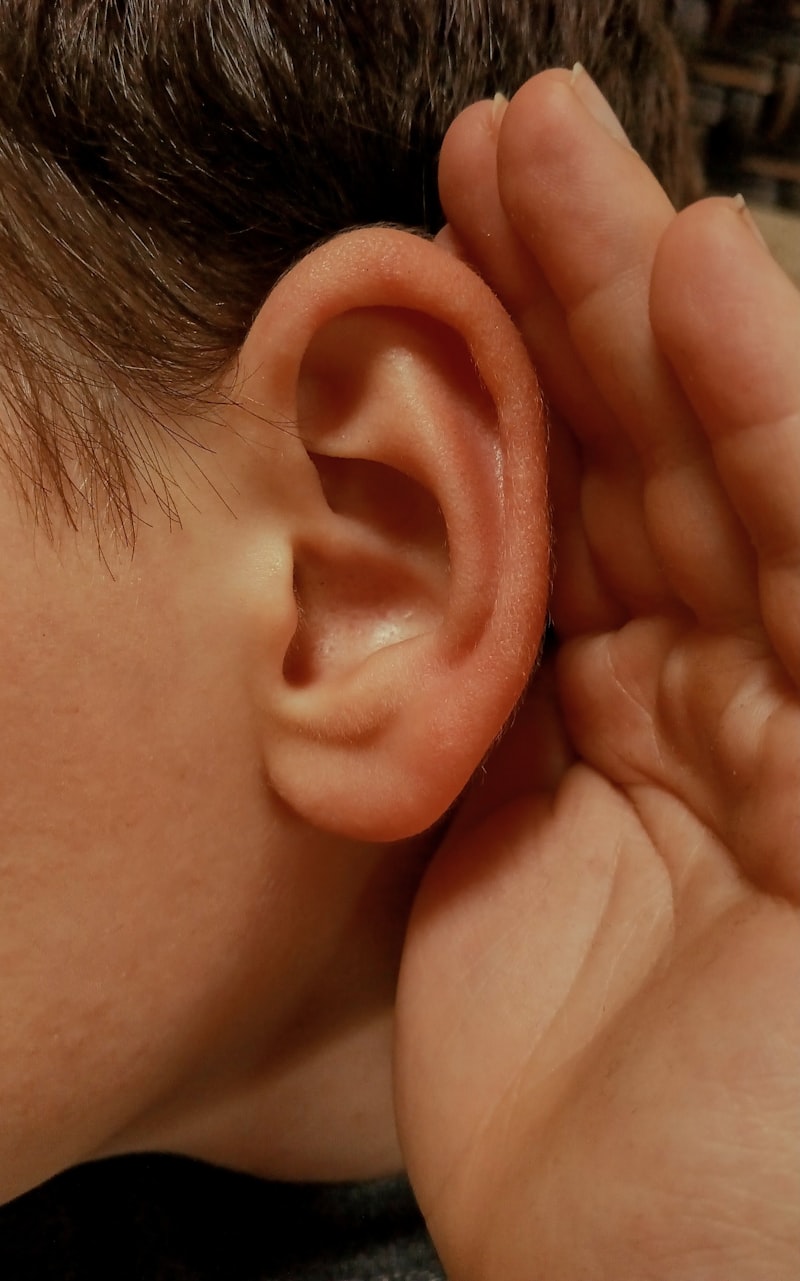
Congenital deafness refers specifically to a significant or total inability to perceive sound that is present at the moment of birth. This condition is distinct from acquired hearing loss, which develops later in life due to injury, disease, or exposure. The term congenital deafness encompasses a wide spectrum of auditory deficits, ranging from mild hearing loss that requires amplification to profound deafness necessitating advanced technological intervention or reliance on visual communication methods. Understanding the scope of this condition is critical, as early identification dictates the subsequent success of linguistic and social integration. Prevalence rates vary globally, but generally, congenital hearing impairment is recognized as one of the most common sensory birth defects, affecting approximately one to three children per thousand live births, underscoring its significant public health impact.
The defining characteristic of congenital deafness is its timing of onset, which precedes the development of spoken language skills. Because hearing is the primary conduit for natural language acquisition, the presence of hearing loss at birth fundamentally alters the developmental trajectory of the infant, particularly concerning phonological processing and auditory feedback loops essential for speech production. Therefore, the immediate goal following diagnosis is not merely to restore hearing, but to provide adequate auditory or visual input during the critical period of neural plasticity, typically spanning the first few years of life. Failure to address the deficit swiftly can lead to permanent delays in communicative competence, emphasizing the necessity of robust newborn hearing screening programs established worldwide to mitigate these potential long-term consequences.
Furthermore, defining the scope of congenital deafness necessitates differentiating between syndromic and non-syndromic forms, which relates directly to the underlying etiology. While many cases of hearing loss are isolated auditory defects (non-syndromic), a substantial percentage occurs as part of a larger complex of symptoms affecting multiple organ systems (syndromic). Examples of syndromic hearing loss include Usher syndrome, Pendred syndrome, and Waardenburg syndrome, each involving unique combinations of auditory deficits alongside issues such as visual impairment, thyroid dysfunction, or pigmentary changes. This etiological distinction is paramount for genetic counseling, prognosis determination, and tailoring comprehensive medical management plans that address all associated health challenges facing the individual.
Etiology: Genetic Factors
Genetic causes are recognized as the predominant etiology for congenital deafness, estimated to account for over 50 to 60 percent of all cases. These genetic factors often involve mutations in genes responsible for the structure and function of the inner ear, specifically the cochlea and the auditory nerve pathways. Genetic hearing loss is typically inherited following Mendelian patterns, including autosomal recessive, autosomal dominant, X-linked, and mitochondrial inheritance, with autosomal recessive being the most common mode of inheritance. A particularly frequent contributor is the mutation in the GJB2 gene (Gap Junction Beta 2), which encodes the connexin 26 protein vital for potassium recirculation within the cochlea. Mutations in this gene alone are responsible for a significant proportion of non-syndromic congenital deafness cases worldwide.
The classification of genetic hearing loss into syndromic versus non-syndromic forms is crucial for diagnostic workup. Non-syndromic hearing loss, where hearing impairment is the only clinical finding, involves mutations in numerous identified genes, many of which are specifically expressed in the hair cells or supporting cells of the organ of Corti. Research continues to identify novel genes involved in auditory processing, providing increasingly granular understanding of the intricate molecular mechanisms underlying sound transduction and amplification. Genetic counseling plays a vital role in helping families understand inheritance risks, the probability of recurrence, and the potential severity and progression of the hearing loss associated with specific gene variants, facilitating informed reproductive and medical decisions.
Syndromic forms of congenital deafness are complex, requiring multidisciplinary management due to the involvement of other organ systems. For example, individuals with Usher syndrome experience hearing loss alongside progressive vision loss due to retinitis pigmentosa, dramatically affecting their ability to perceive both auditory and visual cues over time. Similarly, Pendred syndrome links hearing impairment to thyroid abnormalities, necessitating endocrinological monitoring. The identification of a specific syndrome allows clinicians to anticipate associated health risks and implement proactive screenings, such as regular ophthalmological assessments for Usher syndrome, thereby improving overall quality of life and facilitating the timely introduction of appropriate support services tailored to the multifaceted nature of the disorder.
Etiology: Non-Genetic (Environmental) Factors
While genetics dominate the etiological landscape, approximately 40 percent of congenital deafness cases are attributed to non-genetic or environmental factors that compromise auditory development during the prenatal or perinatal period. These factors often involve exposure to teratogenic agents or conditions that disrupt the delicate formation of the inner ear structure in utero. Prenatal infections are a major concern, particularly those grouped under the TORCH acronym: Toxoplasmosis, Other agents (like syphilis), Rubella, Cytomegalovirus (CMV), and Herpes simplex virus. Of these, congenital CMV infection is perhaps the most frequent infectious cause of non-genetic sensorineural hearing loss, often presenting at birth or developing progressively during early childhood, sometimes unilaterally or fluctuating in severity.
Other significant non-genetic prenatal exposures include maternal ingestion of ototoxic medications or substances, such as certain antibiotics, anticonvulsants, or excessive alcohol. Furthermore, maternal health conditions, including uncontrolled diabetes, preeclampsia, or severe malnutrition, can impair fetal development, occasionally resulting in structural abnormalities of the auditory system. The timing and duration of exposure to these environmental insults are critical; damage inflicted during the first trimester, when the cochlea is undergoing rapid differentiation, typically results in more profound and permanent hearing loss compared to exposures occurring later in gestation or perinatally. Comprehensive maternal health history is therefore essential during the diagnostic investigation of congenital hearing impairment.
Perinatal complications also contribute substantially to the incidence of congenital deafness. These risks often stem from events surrounding birth that lead to insufficient oxygenation or traumatic injury. Conditions such as severe hyperbilirubinemia (jaundice), requiring exchange transfusions, can cause auditory neuropathy or damage to the auditory processing centers in the brainstem. Similarly, extreme prematurity, low birth weight, and conditions necessitating prolonged stays in the Neonatal Intensive Care Unit (NICU) with exposure to high levels of noise or ototoxic medications are recognized risk factors. Identifying these environmental factors helps clinicians determine if the auditory damage is due to cochlear insult or central auditory pathway compromise, influencing the choice of appropriate intervention, such as favoring cochlear implants over traditional hearing aids in cases of severe auditory neuropathy.
Classification and Types of Hearing Loss
Congenital deafness is classified based on the anatomical location of the deficit within the auditory system, which dictates the type and quality of sound processing affected. The three primary classifications are conductive, sensorineural, and mixed hearing loss. Conductive hearing loss occurs when sound waves are blocked or attenuated before reaching the inner ear, typically due to issues in the outer or middle ear, such as atresia (absence or closure of the ear canal) or malformations of the ossicles (the small bones of the middle ear). While often medically or surgically treatable, when conductive loss is present at birth, it still necessitates immediate intervention to ensure acoustic input during the critical language development period.
The most prevalent and usually permanent form of congenital deafness is sensorineural hearing loss (SNHL), which results from damage to the inner ear (cochlea) or the auditory nerve pathways leading to the brain. SNHL is often associated with genetic mutations or prenatal viral exposure leading to malformation or degeneration of the delicate hair cells responsible for converting mechanical vibrations into electrical signals. SNHL can range from mild to profound, and unlike conductive loss, it is rarely fully reversible through medical means. Furthermore, sensorineural deficits can be further subdivided into sensory loss (damage to the cochlea) or neural loss (damage to the auditory nerve or brainstem, sometimes termed auditory neuropathy spectrum disorder), which requires specialized diagnostic testing to differentiate.
A third category, mixed hearing loss, involves components of both conductive and sensorineural deficits. For instance, a child might have a genetic sensorineural impairment combined with a congenital middle ear malformation. Accurate classification is fundamental because it directly informs the audiologist and medical team regarding the most effective treatment plan. Conductive elements might respond to surgical correction or bone-anchored hearing aids, while the sensorineural component almost always requires traditional amplification or cochlear implantation. Detailed audiological evaluation, including tympanometry and pure-tone testing, is essential to precisely map the degree and type of loss across the frequency spectrum, ensuring optimal device fitting and rehabilitation planning.
Early Identification and Diagnostic Procedures
The imperative to identify congenital deafness early has led to the widespread implementation of Universal Newborn Hearing Screening (UNHS) programs globally. Early identification is defined as diagnosis before three months of age and intervention initiation before six months of age (known as the 1-3-6 benchmark), which dramatically improves language outcomes compared to late diagnosis. Screening typically involves non-invasive, objective measures administered shortly after birth, even while the infant is sleeping. The two primary screening tools utilized are Otoacoustic Emissions (OAEs), which measure sound produced by the healthy cochlea in response to a click, and Automated Auditory Brainstem Response (AABR), which records electrical activity in the auditory nerve and brainstem in response to sound stimuli. Failure to pass the initial screening necessitates immediate referral for comprehensive diagnostic evaluation.
Diagnostic audiological assessment involves a thorough battery of tests tailored to the infant’s age and developmental stage. The gold standard for definitive diagnosis in infants is the Auditory Brainstem Response (ABR), often performed while the child is sedated or sleeping naturally. ABR provides frequency-specific information regarding the integrity of the auditory pathway, estimating hearing thresholds across various sound pitches. This objective measure is crucial because behavioral testing methods, which rely on the child’s voluntary response to sound (e.g., Visual Reinforcement Audiometry or Conditioned Play Audiometry), are often unreliable or impossible to perform accurately in newborns or very young infants. The results of the diagnostic ABR confirm the presence, degree, and configuration of the hearing loss.
Beyond audiological confirmation, the diagnostic process involves extensive medical and genetic evaluations to determine the etiology. This includes detailed physical examinations, imaging studies such as Computed Tomography (CT) scans or Magnetic Resonance Imaging (MRI) of the temporal bones and inner ear structure to detect bony or soft tissue anomalies, and extensive serological testing for infectious causes like CMV. Genetic testing, often involving large sequencing panels targeting known deafness genes like GJB2, is becoming standard practice. Integrating these findings allows the care team to provide the most accurate prognosis, determine if the hearing loss is progressive or stable, and refer the family to appropriate specialists, such as genetic counselors, ophthalmologists, or endocrinologists, especially when a syndromic cause is suspected.
Developmental Impact and Psychological Considerations
The most profound developmental impact of congenital deafness is observed in the acquisition of language and communication skills. Because the child is deprived of auditory input during the critical period for language development, the neural pathways dedicated to processing speech sounds fail to develop optimally. If intervention is delayed beyond the first few years of life, the child may struggle significantly with spoken language fluency, articulation, and grammar, even with effective amplification. This delay is not merely academic; it influences cognitive development, particularly in areas closely linked to language, such as abstract reasoning and executive functions. Early and consistent exposure to a robust language system, whether spoken through amplification or visual through American Sign Language (ASL) or other sign systems, is paramount to mitigate these pervasive developmental risks.
Psychologically, congenital deafness can introduce unique challenges for both the child and the family unit. Children with hearing loss may experience social isolation or difficulties in peer relationships, particularly if their primary mode of communication differs significantly from that of their hearing peers. Self-concept and self-esteem can be affected, especially during adolescence, as they navigate identity formation within both the hearing and Deaf communities. Furthermore, the family often undergoes a significant adjustment period following diagnosis, grappling with feelings of grief, confusion, and the steep learning curve associated with managing assistive devices and learning new communication strategies. Parental support groups and early intervention services that focus on family adjustment and communication training are crucial elements of comprehensive care.
The choice of communication modality—such as promoting listening and spoken language (LSL) via hearing aids or cochlear implants, or embracing visual language (ASL)—is often a deeply personal and complex decision for families. This choice carries significant psychological weight, influencing cultural identity and community affiliation. Families choosing LSL require intensive speech and auditory therapy, while those choosing ASL integrate into the Deaf community, which offers a rich cultural identity and established social framework. Clinicians must approach this decision with cultural sensitivity, providing unbiased information about all viable communication options and the resources available for each pathway, ensuring the child achieves linguistic competence and has full access to education and social interaction.
Intervention Strategies and Assistive Technologies
Intervention for congenital deafness must be initiated as soon as the diagnosis is confirmed, adhering to the principle that auditory stimulation should begin before six months of age. The strategy chosen depends heavily on the type, degree, and configuration of the hearing loss, as well as the family’s communication goals. For mild to severe sensorineural losses, conventional digital hearing aids remain the standard initial intervention. These devices amplify sound selectively based on the child’s individual audiogram, ensuring that speech frequencies are made audible without causing discomfort from excessive volume. Regular adjustments and meticulous monitoring are necessary, as infants grow rapidly and their acoustic needs change frequently, demanding consistent collaboration between the audiologist and the family.
For children with profound bilateral sensorineural deafness, or those who receive limited benefit from traditional amplification, cochlear implants (CIs) represent a transformative technological intervention. A cochlear implant is a sophisticated electronic device that surgically bypasses the damaged hair cells in the cochlea and directly stimulates the auditory nerve. CIs are typically indicated when the hearing loss is severe enough to preclude successful spoken language development with hearing aids alone. The effectiveness of cochlear implantation is highly correlated with the age of implantation; children implanted before 12 to 18 months often achieve language outcomes comparable to their hearing peers, provided they participate in rigorous and sustained post-operative auditory-verbal therapy and rehabilitation.
Alternative and complementary assistive technologies and communication methods are also vital components of intervention. For children with conductive loss or unilateral deafness, Bone-Anchored Hearing Systems (BAHS) or specialized contralateral routing of signal (CROS) systems may be more appropriate, transmitting sound via bone conduction directly to the functioning inner ear. Furthermore, communication strategies extend beyond electronic devices. Many families integrate visual technologies, such as telecommunication devices for the deaf (TDD) or real-time captioning services, into the home and educational environment. Crucially, access to native sign language instruction is a critical intervention for families pursuing a visual communication model, providing immediate linguistic access and fostering cognitive growth while technological interventions are being considered or implemented.
Educational and Social Support Systems
Educational planning for a child with congenital deafness requires a highly individualized approach, formalized typically through an Individualized Education Program (IEP) in the United States or equivalent educational mandates elsewhere. The IEP details the specific accommodations, services, and instructional modifications necessary to ensure the child receives a Free Appropriate Public Education (FAPE). Educational placement varies widely, ranging from full inclusion in mainstream classrooms with supportive services (e.g., interpreters, note-takers, auditory trainers) to specialized classrooms or residential schools designed specifically for students who are deaf or hard of hearing. The choice of setting is influenced by the severity of the hearing loss, the chosen communication modality, and the family’s educational philosophy, requiring careful deliberation among parents, educators, and audiological specialists.
Key accommodations within the educational setting revolve around optimizing the acoustic environment and ensuring communication access. Classroom acoustics must be carefully managed to minimize reverberation and background noise, which significantly impede the clarity of amplified speech. The use of Frequency Modulated (FM) systems or Digital Modulation (DM) systems is common; these technologies allow the teacher’s voice to be transmitted directly to the child’s hearing aid or cochlear implant processor, improving the signal-to-noise ratio dramatically. Furthermore, depending on the communication needs, qualified sign language interpreters or specialized auditory-verbal therapists must be integrated into the instructional team to bridge the communication gap between the student and the curriculum, ensuring equitable access to all educational content.
Social support systems extend beyond the formal educational environment and are crucial for holistic development. Peer interaction, mentorship from deaf adults, and participation in the Deaf community are vital for fostering a positive identity and reducing feelings of isolation, particularly during the challenging adolescent years. Organizations dedicated to hearing loss provide essential resources, advocacy training, and opportunities for meaningful social engagement. For families, comprehensive support includes training in device maintenance, effective communication strategies, and advocacy skills necessary to navigate complex medical, educational, and governmental systems. Ultimately, successful integration of the child with congenital deafness into society relies not just on technological advancements, but on robust, coordinated support systems that recognize and value linguistic diversity and ensure full social and educational participation.