Conversion Anesthesia: When the Mind Shuts Down Feeling
Scientifically Reviewed · Dr. Marwa Abd-Alazim · September 6, 2026
Review Criteria & Clinical Standards
This content undergoes rigorous scientific peer-review and medical editorial standards at Arab Psychology Network to ensure clinical accuracy, validity, and compliance with evidence-based guidelines from leading psychological and healthcare authorities (APA / WHO).

Definition and Historical Context of Conversion Anesthesia
Conversion Anesthesia is classified as a distinct somatosensory conversion indicator, representing a specific manifestation within the spectrum of Functional Neurological Symptom Disorder (FNSD), previously known as Conversion Disorder. Fundamentally, this condition is characterized by a significant loss or alteration of feeling, or anesthesia, in particular regions of the body. Crucially, this sensory deficit cannot be adequately attributed to any known or demonstrable general medical, neurological, or substance-related cause, making it a diagnosis predicated on the inconsistency between the symptoms reported and the established anatomical and physiological understanding of the nervous system. The historical concept underpinning conversion symptoms suggests that psychological stress or internal conflict is symbolically ‘converted’ into a physical deficit, thereby alleviating the conscious awareness of the psychological distress.
The nomenclature of this condition finds its roots in 19th-century psychiatric thought, particularly the work of Jean-Martin Charcot and later, Sigmund Freud. Charcot, observing patients at the Salpêtrière, noted that certain sensory deficits, such as glove-and-stocking anesthesia, did not conform to the distribution patterns of peripheral nerves or nerve roots, suggesting a non-organic etiology. Freud elaborated on this, proposing that the unbearable psychic energy associated with repressed conflicts was converted into somatic symptoms, offering a mechanism for what he termed primary gain—the reduction of anxiety through the physical expression of the conflict. While contemporary diagnostic criteria, as outlined in the DSM-5, have shifted away from the strict requirement of identifying an underlying psychological stressor, the term ‘conversion’ remains entrenched, highlighting the functional nature of the sensory loss, which is real and distressing to the patient, despite the absence of structural pathology.
The core challenge in understanding Conversion Anesthesia lies in its nature as an involuntary functional disturbance. Unlike malingering, where symptoms are consciously fabricated for external incentives, or factitious disorder, where symptoms are feigned to assume the sick role, the patient experiencing conversion anesthesia genuinely feels the loss of sensation. This condition serves as a powerful demonstration of the intricate and often misunderstood interplay between the mind and the body, where central nervous system processing related to sensation and perception becomes functionally impaired without corresponding structural damage to the sensory pathways. Therefore, the essential diagnostic criterion is the observation that the sensory loss is clinically inconsistent with established neuroanatomy, often presenting with sharp cut-offs or borders that defy biological plausibility.
Clinical Presentation and Symptomatology
The clinical presentation of Conversion Anesthesia is highly variable but is unified by the non-anatomical nature of the sensory loss. The most classic presentation is glove-and-stocking anesthesia, wherein the patient experiences a complete loss of sensation extending precisely up to the wrists or ankles, often described as if they were wearing gloves or stockings. This pattern is physiologically impossible for peripheral neuropathy, which typically follows a gradient or dermatomal distribution determined by specific nerve pathways. In conversion cases, the sensory boundaries are often defined by the patient’s conceptual understanding of the limb rather than the actual distribution of sensory nerves. Other common presentations include hemi-anesthesia, where sensation is lost across the entire half of the body, bisected precisely down the midline, a pattern incompatible with most central nervous system lesions except in highly specific and rare circumstances.
Symptom quality can encompass various modalities of sensation, including touch, pain (analgesia), temperature, and vibration. Furthermore, the functional deficit can extend to proprioception (the sense of where the body is in space), which significantly impairs motor function and balance, often coexisting with functional motor symptoms such as astasia-abasia (inability to stand or walk). A critical and often observed, though not universally present, associated feature is la belle indifférence, a term describing a curious lack of emotional concern or distress shown by the patient regarding their severe physical symptoms. While historically emphasized, the absence of la belle indifférence does not rule out the diagnosis, as many patients with FNSD are highly distressed by their symptoms. However, when present, this apparent emotional detachment often strengthens the suspicion of a functional etiology rooted in an unconscious protective mechanism.
A hallmark characteristic used during clinical examination is the demonstration of inconsistent findings. For instance, testing sensation while the patient is distracted may reveal intact sensation, which immediately returns to absent when the patient’s attention is focused on the affected area. Similarly, testing the borders of the sensory loss may show variability upon repeat testing. These findings do not indicate fabrication but rather highlight the role of attention and expectation in the maintenance of the symptom. The symptoms are often episodic, waxing and waning in intensity, and can be precipitated or exacerbated by acute stress or emotional arousal. The profound incapacitation caused by the sensory loss is a real experience for the individual, even though the underlying pathophysiology is a functional disruption of sensory processing rather than structural damage.
Diagnostic Challenges and Differential Diagnosis
Diagnosing Conversion Anesthesia requires a two-pronged approach: the rigorous exclusion of organic neurological disease and the positive identification of clinical features inconsistent with anatomical pathways. The initial phase of diagnosis involves extensive medical and neurological workups, including magnetic resonance imaging (MRI) of the brain and spine, electrophysiological studies such as nerve conduction velocities (NCV) and electromyography (EMG), and specialized sensory tests. These investigations serve to meticulously rule out conditions that mimic functional sensory loss, such as multiple sclerosis, peripheral neuropathies (like diabetic neuropathy), thalamic stroke, or complex regional pain syndrome (CRPS). The inability of specialists to determine a clear organic cause for the sensory deficit is the necessary first step, as exemplified by the classic scenario: “None of the specialists on staff at the research hospital could determine a cause for Mary’s conversion anesthesia.”
The true diagnostic challenge lies in the second phase—the shift from exclusion to inclusion. The diagnosis should not merely be one of exclusion but should rely on the identification of positive clinical signs that point specifically to a functional disorder. These positive signs include the aforementioned non-anatomical sensory boundaries, the demonstration of variability or inconsistency in examination findings, and the presence of other associated functional symptoms. For example, sensory loss that respects the midline exactly or follows the conceptual border of a limb (glove-and-stocking) constitutes a positive sign of functional disorder, as it violates known somatosensory mapping. Clinicians must be highly trained to recognize these patterns, understanding that misdiagnosis carries the risk of either subjecting the patient to unnecessary and invasive procedures or failing to address a potentially treatable underlying psychiatric or functional condition.
Differential diagnosis is extensive and requires careful consideration to distinguish Conversion Anesthesia from related psychiatric conditions. The most critical distinction is between FNSD and Malingering, where symptoms are consciously feigned for discernible secondary gain (e.g., compensation, avoiding work). While complex, malingering often involves inconsistent effort during testing and exaggerated symptom reporting that may not align with established illness behavior. Another differential is Somatic Symptom Disorder, where the primary feature is distress regarding somatic symptoms and excessive thoughts, feelings, and behaviors related to them, rather than the discrete loss of a specific neurological function like anesthesia. Furthermore, dissociative disorders, particularly depersonalization/derealization, can sometimes involve altered body perception, which must be carefully distinguished from true sensory loss. The gold standard for ensuring accuracy often involves collaboration between neurologists and psychiatrists, ensuring that both organic and functional etiologies are comprehensively evaluated.
Psychodynamic and Theoretical Models
The theoretical models attempting to explain Conversion Anesthesia have evolved significantly since the early psychodynamic formulations. Traditional Freudian theory posits that the conversion mechanism operates as a defense against unacceptable unconscious impulses or affects. The psychic energy associated with the repressed conflict (e.g., aggression, sexual desire) finds an outlet by being transformed into a somatic symptom, thereby achieving the primary gain of reducing internal anxiety. The symptom itself may also be symbolically linked to the underlying conflict. Additionally, secondary gain refers to the external benefits derived from the illness, such as receiving attention, support, or exemption from responsibilities, which reinforces the continuation of the symptom.
Modern cognitive behavioral models (CBT) offer a more testable and less speculative framework, focusing heavily on attention, expectation, and illness beliefs. According to these models, Conversion Anesthesia may be understood as a disorder of attention or selective inhibition. The patient’s attention becomes hyper-focused on the body part, and through conditioned learning, the expectation of sensory loss leads to an actual functional inhibition of sensory processing pathways in the central nervous system. This model emphasizes the disruption of the normal feedback loops between the brain’s motor and sensory maps. For example, if a patient expects their arm to be numb following a traumatic event, the brain’s mechanism for processing touch in that area may be inhibited, leading to a genuinely perceived absence of feeling.
Furthermore, psychological trauma and chronic stress play a significant, though not always necessary, role in predisposing individuals to FNSD. Theories related to trauma suggest that dissociation—a disconnection between thoughts, memories, feelings, actions, or sense of identity—can manifest physically. Conversion symptoms, including anesthesia, may represent a severe form of embodied dissociation, where the sensory experience of a specific body part is disowned or blocked as a protective response against overwhelming emotional pain. The brain, in essence, shuts down the sensory input from the affected region to protect the individual from having to process or feel associated distress, leading to a functional alteration in sensory cortex activation.
Neurological Basis and Functional Changes
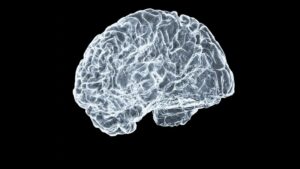
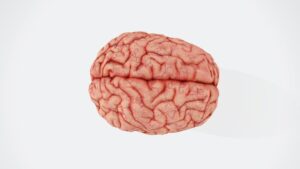
Despite the lack of structural damage, modern neuroscience confirms that Conversion Anesthesia is not merely “imagined” but involves measurable, albeit reversible, abnormalities in brain function. Neuroimaging studies, particularly functional magnetic resonance imaging (fMRI) and electroencephalography (EEG), have provided compelling evidence for altered cortical processing during periods of functional sensory loss. These studies consistently demonstrate that while primary sensory pathways (from the periphery up to the thalamus) remain intact, the processing of sensory information within the cerebral cortex is functionally inhibited or altered.
Specific findings often point toward abnormal activity in areas involved in sensory perception and body awareness. Research frequently highlights hypoactivation (reduced activity) in the primary somatosensory cortex (S1) and the parietal lobe when the affected limb is stimulated. However, this hypoactivation is often accompanied by concurrent hyperactivation (increased activity) in areas associated with emotion regulation, attention, and executive control, such as the prefrontal cortex and the limbic system (e.g., the amygdala). This pattern suggests that higher-order cognitive and emotional networks are actively inhibiting the processing of sensory input from the affected body part, lending credence to the cognitive model of selective attention and inhibition.
Another key area implicated is the circuitry connecting the limbic system (emotion) and the supplementary motor area/premotor cortex (planning and expectation). The functional disruption appears to occur where emotional conflict or stress signals interfere with the brain’s ability to generate or process accurate sensory representations of the body. In essence, the brain is actively suppressing the sensory feedback that would normally confirm the integrity of the limb. This understanding shifts the focus away from a purely psychological explanation toward a neurobiological one, recognizing Conversion Anesthesia as a legitimate disorder of brain network connectivity and function, requiring treatment that targets both the neurological dysfunction and the underlying psychological distress.
Epidemiology and Risk Factors
Accurate epidemiological data for Conversion Anesthesia specifically is challenging to isolate, as it is often subsumed under the broader category of Functional Neurological Symptom Disorder (FNSD). However, FNSD is relatively common in clinical settings, especially in neurological outpatient clinics and emergency departments, where it may account for a significant percentage of diagnoses after initial organic causes are ruled out. Incidence rates for FNSD in general practice are estimated to be between 4 and 51 per 100,000 population per year, though the prevalence of purely sensory symptoms like anesthesia is lower than motor symptoms (e.g., functional weakness or seizures).
Several demographic and clinical factors are consistently identified as risk factors. Conversion Anesthesia is generally observed more frequently in women than in men, with ratios often reported as high as 2:1 or 3:1. The onset typically occurs in late adolescence or early adulthood, although it can manifest at any age. Individuals from lower socioeconomic backgrounds or those with lower levels of health literacy may be disproportionately affected, potentially due to differences in coping mechanisms or access to mental health resources. Furthermore, the presence of certain cultural factors, where expressing distress through somatic symptoms is more acceptable than verbalizing emotional concerns, may also influence the presentation.
Co-morbid psychiatric conditions represent the strongest clinical risk factors. A high percentage of individuals diagnosed with Conversion Anesthesia also meet criteria for other psychiatric disorders, most notably Major Depressive Disorder, Generalized Anxiety Disorder, and Post-Traumatic Stress Disorder (PTSD). A history of significant psychological trauma, particularly childhood abuse or neglect, is often identified in the patient history, supporting the psychodynamic and trauma-based theories of etiology. Acute, high levels of psychological stress or a recent severe life event often serve as immediate precipitants, triggering the functional symptom in a vulnerable individual.
Treatment Modalities: A Comprehensive Approach
The treatment of Conversion Anesthesia requires an integrated, multidisciplinary approach involving psychoeducation, psychotherapy, and physical rehabilitation. The initial and perhaps most crucial step is psychoeducation, where the clinician validates the reality of the patient’s symptoms while providing a clear explanation of the diagnosis as a functional disorder of brain processing rather than a fabrication or a sign of major structural damage. This process reduces diagnostic uncertainty and anxiety, establishing a therapeutic alliance based on trust and shared understanding. Patients must be reassured that their symptoms are real and measurable, thereby reducing the stigma associated with a psychiatric diagnosis.
Psychological interventions, primarily Cognitive Behavioral Therapy (CBT), are highly effective. CBT for Conversion Anesthesia focuses on identifying and modifying the cognitive processes, attentional biases, and illness behaviors that perpetuate the symptom. Specific techniques include redirecting attention away from the affected area, challenging beliefs about the permanence or severity of the deficit, and managing underlying anxiety or depression. Psychodynamic therapy may also be beneficial in exploring the potential underlying emotional conflicts or past traumas that may have contributed to the initial conversion mechanism, aiming for emotional insight and resolution.
Physical and occupational therapy are essential components, particularly when the sensory loss has led to secondary motor problems or avoidance behaviors. The goal of physical therapy is not merely to strengthen the limb but to help “retrain” the brain’s sensory processing maps. Techniques often involve non-threatening, gradual exposure to sensory stimuli and movement, coupled with external feedback, to normalize the sensory experience. This re-sensitization process aims to break the functional inhibitory loop in the cortex. Treatment protocols often follow a structured progression:
- Validation and Explanation: Confirming the diagnosis and explaining the functional nature of the symptom.
- De-focusing Attention: Using distraction and mindfulness techniques to shift attention away from the anesthetic area.
- Gradual Sensory Retraining: Systematically introducing different sensory inputs (e.g., soft touch, vibration) starting at the unaffected border and slowly moving toward the center of the anesthetic area.
- Addressing Co-morbidities: Treating underlying anxiety, depression, or PTSD through medication or targeted psychotherapy.
Prognosis and Long-Term Outcomes
The prognosis for individuals suffering from Conversion Anesthesia is generally favorable, especially when the diagnosis is made early, and comprehensive treatment is initiated promptly. Studies indicate that acute presentations, defined as symptoms lasting less than six months, have a significantly higher rate of complete symptom resolution than chronic cases. Factors correlating with a better outcome include higher intelligence, a clear precipitating stressor identified at onset, and the absence of pre-existing neurological disease or severe personality disorders. Full recovery can often be achieved through a combination of psychoeducation and targeted physical and psychological therapies that normalize functional brain processing.
However, a subset of patients may experience a chronic course, where symptoms persist for years, severely impacting quality of life, employment, and social functioning. Chronic Conversion Anesthesia is more likely when the patient has co-occurring severe psychiatric disorders, when the symptom onset was insidious rather than acute, or when the patient derives significant secondary gain (e.g., disability payments, excessive caretaking) that reinforces the illness behavior. In these chronic cases, the focus of treatment shifts from complete symptom resolution to functional improvement, pain management (if relevant), and rehabilitation aimed at maximizing independence and mitigating disability.
Recurrence rates for Conversion Anesthesia and FNSD in general can be substantial, emphasizing the importance of continued psychological follow-up even after the primary symptom resolves. Recurrence is often triggered by new periods of intense stress or trauma. Therefore, long-term management involves equipping the patient with robust coping strategies, stress reduction techniques, and an increased capacity for emotional self-regulation to prevent future psychological distress from being converted into physical symptoms. A truly successful long-term outcome involves not just the disappearance of the anesthesia but also the patient’s enhanced ability to process and manage internal conflicts openly and adaptively.