Conversion Disorder: When Emotions Manifest as Pain
Scientifically Reviewed · Dr. Marwa Abd-Alazim · September 30, 2026
Review Criteria & Clinical Standards
This content undergoes rigorous scientific peer-review and medical editorial standards at Arab Psychology Network to ensure clinical accuracy, validity, and compliance with evidence-based guidelines from leading psychological and healthcare authorities (APA / WHO).

Conceptual Overview of Conversion
The psychological phenomenon known as conversion refers to a complex process in which intrapsychic distress or emotional conflict is transformed into physical, somatic symptoms that lack a demonstrable organic or neurological basis. This concept is central to the history of psychiatry and clinical psychology, representing one of the earliest attempts to understand the intricate relationship between the human mind and the physical body. In a clinical context, conversion symptoms typically manifest as deficits in voluntary motor or sensory functions, such as paralysis, blindness, or seizures, which suggest a neurological condition but are instead triggered by psychological stressors. The term itself reflects the underlying theory that the energy associated with repressed ideas or traumatic memories is “converted” into a somatic expression to alleviate the individual’s conscious anxiety.
In contemporary diagnostic manuals, such as the DSM-5-TR, conversion is formally classified as Functional Neurological Symptom Disorder (FNSD). This shift in nomenclature reflects an evolution toward a more descriptive and less theoretical approach, focusing on the clinical presentation of symptoms rather than solely on the psychodynamic mechanisms of repressed conflict. Despite this change, the term conversion remains widely used in academic and clinical circles to describe the specific mechanism of symptom formation. The disorder is characterized by a significant discrepancy between the patient’s reported symptoms and the expected physiological findings, often presenting a diagnostic challenge for clinicians who must distinguish these functional symptoms from malingering or factitious disorders, where symptoms are intentionally produced for external gain.
The significance of conversion in the field of psychology extends beyond its diagnostic criteria, as it highlights the profound impact of unconscious processes on physical health. Patients experiencing conversion symptoms are not consciously aware that their physical limitations are psychologically driven; to the individual, the paralysis or loss of sensation is entirely real and often debilitating. This lack of conscious intent is a hallmark of the disorder and distinguishes it from other somatic conditions. Understanding conversion requires a multifaceted approach that integrates psychological, biological, and social perspectives, as the onset and maintenance of symptoms are often influenced by a combination of personal history, personality traits, and environmental stressors.
Historical Evolution and the Hysteria Paradigm
The history of conversion is inextricably linked to the study of hysteria, a diagnostic category that dominated 19th-century medicine. Early pioneers such as Jean-Martin Charcot at the Salpêtrière Hospital in Paris were instrumental in legitimizing hysteria as a neurological condition rather than a result of behavioral deception or “wandering womb” theories. Charcot utilized hypnosis to demonstrate that hysterical symptoms could be induced and removed through suggestion, suggesting that the symptoms were rooted in a specific psychological state. His work laid the groundwork for future theorists to explore the psychological etiology of physical ailments, moving the discourse away from purely anatomical explanations toward a more dynamic understanding of the psyche.
Building upon Charcot’s observations, Sigmund Freud and Josef Breuer further refined the concept of conversion in their seminal work, Studies on Hysteria (1895). Freud proposed that conversion was a defense mechanism used by the ego to manage intolerable thoughts or traumatic memories. By converting the psychological energy of a conflict into a physical symptom, the individual could successfully keep the conflict out of conscious awareness. Freud famously described the case of Anna O., whose various physical symptoms, including limb paralysis and sensory disturbances, were linked to the emotional trauma of caring for her dying father. This psychodynamic model emphasized the symbolic nature of symptoms, suggesting that the specific form of the physical deficit often mirrored the nature of the underlying psychological conflict.
Throughout the 20th century, the conceptualization of conversion underwent significant refinement as the fields of psychiatry and neurology became more distinct. While the Freudian model remained influential, critics argued that it relied too heavily on unobservable unconscious processes. The transition from “hysterical neurosis, conversion type” in the early DSM editions to the modern “Functional Neurological Symptom Disorder” reflects a broader trend in psychiatry to prioritize evidence-based observations and neurological findings. However, the historical legacy of conversion continues to inform modern clinical practice, particularly in the recognition that psychological trauma can manifest in physiological ways that defy traditional medical logic.
Psychodynamic Frameworks: Primary and Secondary Gain
A fundamental component of the psychodynamic understanding of conversion is the distinction between primary gain and secondary gain. Primary gain refers to the internal, psychological benefit derived from the conversion symptom, specifically the reduction of anxiety by keeping an internal conflict or “unacceptable” impulse out of conscious awareness. For example, a soldier who experiences sudden paralysis of the trigger finger may be unconsciously resolving a conflict between the duty to fight and the moral or self-preservative fear of killing. The physical symptom serves as a compromise, allowing the individual to avoid the conflict without having to consciously confront the underlying emotional distress.
In contrast, secondary gain refers to the external, tangible benefits that an individual may receive as a result of their symptoms. These benefits can include relief from difficult social or occupational responsibilities, increased attention and sympathy from family and friends, or financial compensation. While secondary gain is not the cause of the conversion disorder, it can play a significant role in the maintenance and reinforcement of the symptoms. Clinicians must be careful to distinguish secondary gain from malingering; in conversion, the pursuit of these benefits is unconscious, and the patient genuinely perceives their symptoms as beyond their control, whereas the malingerer consciously fakes symptoms for personal advantage.
The concept of symbolic representation is also central to psychodynamic theories of conversion. This theory suggests that the specific nature of the physical symptom provides a clue to the nature of the repressed conflict. A patient who experiences “aphonia” (loss of voice) might be unconsciously struggling with a need to speak out against an authority figure but fears the consequences of doing so. By analyzing the symbolic meaning of the symptom within the context of the patient’s life history, psychodynamically oriented therapists aim to help the patient gain insight into the underlying conflict, thereby reducing the need for the somatic defense and facilitating the resolution of the physical symptom.
Neurobiological Mechanisms and Functional Neuroimaging
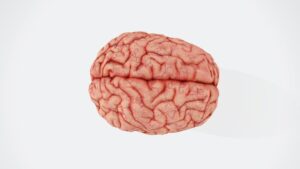
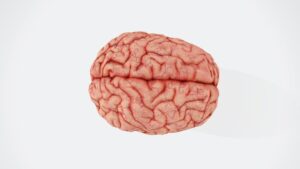
In recent years, advances in neuroimaging technology have provided new insights into the neurobiological underpinnings of conversion symptoms, bridging the gap between psychology and neurology. Functional Magnetic Resonance Imaging (fMRI) and Positron Emission Tomography (PET) studies have revealed that individuals with conversion disorder exhibit abnormal patterns of brain activity, particularly in areas involved in motor planning, sensory processing, and emotional regulation. For instance, in cases of functional paralysis, research often shows decreased activity in the primary motor cortex despite the absence of structural damage to the nerves or spinal cord, suggesting a “software” issue rather than a “hardware” failure in the brain’s circuitry.
One prominent neurobiological theory involves the disruption of the anterior cingulate cortex (ACC) and the prefrontal cortex, which are responsible for executive control and the integration of emotions with physical actions. It is hypothesized that in conversion disorder, the emotional centers of the brain, such as the amygdala, exert excessive inhibitory influence over the motor or sensory pathways. This “top-down” inhibition effectively blocks the execution of voluntary movement or the conscious perception of sensory input. These findings suggest that conversion is a real neurological phenomenon characterized by a functional disconnect between the intention to move or feel and the brain’s ability to process those signals.
Furthermore, the role of the stress response system, including the hypothalamic-pituitary-adrenal (HPA) axis, has been implicated in the development of conversion symptoms. Chronic or acute stress can lead to dysregulation of neuroendocrine pathways, which may increase an individual’s vulnerability to functional neurological deficits. The integration of neurobiological data with psychological models suggests that conversion is a complex neuro-psychological condition where emotional distress alters neural plasticity and functional connectivity. This perspective helps to destigmatize the disorder by demonstrating that the symptoms have a measurable basis in brain function, even if they are triggered by psychological factors.
Clinical Manifestations: Motor and Sensory Phenomena
The clinical presentation of conversion is remarkably diverse, encompassing a wide range of motor and sensory symptoms that do not align with recognized neurological pathways. Motor symptoms are among the most common manifestations and may include limb weakness or paralysis, tremors, dystonia, gait abnormalities, and coordination problems. These symptoms often exhibit a characteristic known as “inconsistency,” where the deficit is present during a formal examination but disappears when the patient is distracted or performing a different task. For example, a patient may be unable to move their leg while lying down but can walk normally when unaware they are being observed.
Sensory manifestations of conversion are equally varied and can involve any of the special senses or general somatosensory functions. Common sensory deficits include:
- Anesthesia or Paresthesia: Loss of touch or tingling sensations, often in a “glove-and-stocking” distribution that does not follow dermatomal patterns.
- Visual Disturbances: Including double vision (diplopia), tunnel vision, or total blindness (amaurosis), where pupillary reflexes remain intact.
- Auditory Deficits: Partial or complete deafness despite normal results on objective audiometric testing.
- Aphonia: The inability to speak above a whisper, although the patient can often cough or clear their throat normally.
These symptoms often appear suddenly, frequently following a period of intense psychological stress or physical trauma, and can be highly distressing to the patient and their family.
Another significant clinical manifestation is the occurrence of psychogenic non-epileptic seizures (PNES), also known as pseudo-seizures. These episodes resemble epileptic seizures in outward appearance but are not associated with abnormal electrical discharges in the brain. PNES episodes are often longer in duration than epileptic seizures, involve asynchronous thrashing of the limbs, and are frequently triggered by emotional triggers. Distinguishing PNES from true epilepsy is critical, as the treatments for the two conditions are vastly different, and misdiagnosis can lead to the inappropriate administration of anti-epileptic medications which carry their own risks and side effects.
Diagnostic Criteria and Differential Assessment
Diagnosing conversion disorder requires a careful and meticulous differential diagnosis to rule out underlying organic diseases. According to the DSM-5-TR, the diagnosis is based on several key criteria that emphasize the functional nature of the symptoms. Clinicians must find clear evidence of incompatibility between the symptom and recognized neurological or medical conditions. This is a significant shift from previous editions of the DSM, which required the identification of a psychological stressor; while stressors are often present, they are no longer a mandatory requirement for diagnosis, as the focus has moved to the “positive” clinical signs of functional interference.
To establish the diagnosis, clinicians often look for specific clinical signs that demonstrate the functional nature of the deficit. Some of the most common diagnostic indicators include:
- Hoover’s Sign: In cases of leg weakness, the clinician feels for involuntary hip extension in the “paralyzed” leg when the patient is asked to flex the healthy leg against resistance.
- Tremor Entrainment Test: A functional tremor may change frequency or stop when the patient is asked to perform a rhythmic movement with another limb.
- Tubular Vision: In visual field testing, the diameter of the visual field remains the same regardless of the distance from the chart, which is physiologically impossible in organic blindness.
- The Arm-Drop Test: In cases of apparent unconsciousness, if the patient’s arm is dropped over their face, it will often move to avoid hitting the face if the cause is functional.
These tests allow neurologists and psychiatrists to identify the functional origin of the symptoms with a high degree of confidence, reducing the reliance on “diagnosis by exclusion.”
It is also essential to differentiate conversion from other conditions such as Somatic Symptom Disorder, where the primary issue is the patient’s excessive concern and anxiety about physical symptoms, rather than the presence of a specific neurological deficit. Additionally, the clinician must rule out malingering, which is characterized by the intentional production of symptoms for an obvious external incentive, and Factitious Disorder (formerly Munchausen syndrome), where symptoms are faked to assume the “sick role” without an external reward. In conversion, the symptoms are neither faked nor intentionally produced, and the patient often displays a surprising lack of concern regarding their disability, a phenomenon historically termed la belle indifférence.
Etiological Factors: Trauma and Stress
The etiology of conversion is multifaceted, with psychological trauma and acute stress serving as the most prominent catalysts for symptom onset. A significant percentage of patients diagnosed with conversion disorder report a history of childhood physical or sexual abuse, neglect, or other adverse childhood experiences (ACEs). These early traumas may sensitize the individual’s stress response systems and lead to the development of maladaptive coping mechanisms. When faced with overwhelming stress in adulthood, these individuals may revert to somatic defenses, effectively “shutting down” physical functions as a way to escape or communicate an unbearable psychological state.
In addition to chronic trauma, acute life stressors are frequently identified as triggers for conversion symptoms. These can include the death of a loved one, the end of a significant relationship, financial ruin, or intense occupational pressure. The onset of symptoms often serves as a “breaking point” when the individual’s psychological resources are no longer sufficient to manage the internal or external demands. In some cases, the physical symptom may provide a temporary “exit” from a situation that the individual perceives as inescapable, providing a form of relief that is unconsciously sought but consciously unrecognized.
Personality traits and comorbid psychiatric conditions also contribute to the risk of developing conversion symptoms. Individuals with high levels of neuroticism, alexithymia (difficulty identifying and describing emotions), or personality disorders (such as borderline or histrionic personality disorder) may be more prone to somatization. Furthermore, conversion often co-occurs with major depressive disorder, generalized anxiety disorder, and post-traumatic stress disorder (PTSD). The presence of these comorbidities suggests that conversion is part of a broader spectrum of psychological distress, where the body becomes the primary vehicle for expressing complex emotional pain that cannot be articulated verbally.
Therapeutic Modalities and Clinical Management
The treatment of conversion disorder requires a multidisciplinary approach that integrates psychiatric, psychological, and physical interventions. The first and perhaps most critical step in management is the sensitive communication of the diagnosis. Patients must be reassured that their symptoms are real and recognized, while also being introduced to the concept of “functional” deficits. Explaining that the “wiring” of the nervous system is intact but the “signals” are being misprocessed can help patients accept a psychological framework for their physical limitations without feeling that their experience is being dismissed or labeled as “all in their head.”
Cognitive-Behavioral Therapy (CBT) has emerged as an effective evidence-based treatment for conversion disorder. CBT focuses on identifying and modifying the maladaptive thought patterns and behaviors that maintain the symptoms. This may include addressing the “catastrophizing” of physical sensations, reducing the reinforcement provided by secondary gains, and developing healthier coping strategies for managing stress. For patients with a significant history of trauma, trauma-focused therapies or psychodynamic psychotherapy may be necessary to process the underlying emotional conflicts that drive the conversion process. By bringing the unconscious conflict into conscious awareness, the patient can begin to resolve the psychological need for the somatic defense.
Physical therapy and occupational therapy play a vital role in the rehabilitation of motor-related conversion symptoms. These therapies focus on retraining the brain to regain control over voluntary movements through gradual exercise, distraction techniques, and gait training. Physical therapists work to build the patient’s confidence in their physical abilities while avoiding excessive focus on the deficit itself. In many cases, a combination of psychotherapy to address the “why” and physical therapy to address the “how” of the symptoms leads to the best outcomes. Pharmacotherapy may also be used to treat comorbid conditions such as anxiety or depression, although there are no medications specifically approved for the treatment of conversion itself.
Prognostic Indicators and Long-Term Outlook
The prognosis for conversion disorder varies significantly depending on several clinical and environmental factors. In many cases, particularly those involving children or adolescents, the symptoms are acute and self-limiting, resolving within a few weeks of onset once the triggering stressor is addressed or the diagnosis is explained. A rapid onset of symptoms, a clear identifiable stressor, and a positive response to initial therapeutic interventions are all indicators of a favorable prognosis. Early intervention is key, as the longer the symptoms persist, the more likely they are to become chronic and resistant to treatment.
Conversely, a chronic course of conversion is associated with poorer outcomes and long-term disability. Factors that contribute to a guarded prognosis include the presence of comorbid personality disorders, ongoing litigation or disability claims (which increase secondary gain), and a long duration of symptoms before diagnosis. In chronic cases, the physical symptoms may become deeply ingrained in the individual’s identity and social structure, making the prospect of recovery threatening or undesirable at an unconscious level. For these patients, the goal of treatment may shift from complete symptom resolution to functional improvement and the prevention of further physical decline.
Long-term management of conversion disorder involves ongoing support and the prevention of unnecessary medical procedures. Patients with conversion are at risk for iatrogenic harm, as they may undergo invasive surgeries or diagnostic tests in search of an organic cause for their symptoms. A strong therapeutic alliance with a primary care physician who understands the functional nature of the disorder is essential for coordinating care and limiting inappropriate medical interventions. While some individuals may experience recurrences during times of high stress, many can achieve a full recovery and lead productive lives by developing a greater awareness of the mind-body connection and acquiring effective emotional regulation skills.