Cortical Amnesia: Why Your Brain Forgets Everything
Scientifically Reviewed · Dr. Marwa Abd-Alazim · September 9, 2026
Review Criteria & Clinical Standards
This content undergoes rigorous scientific peer-review and medical editorial standards at Arab Psychology Network to ensure clinical accuracy, validity, and compliance with evidence-based guidelines from leading psychological and healthcare authorities (APA / WHO).
Introduction and Definitional Scope
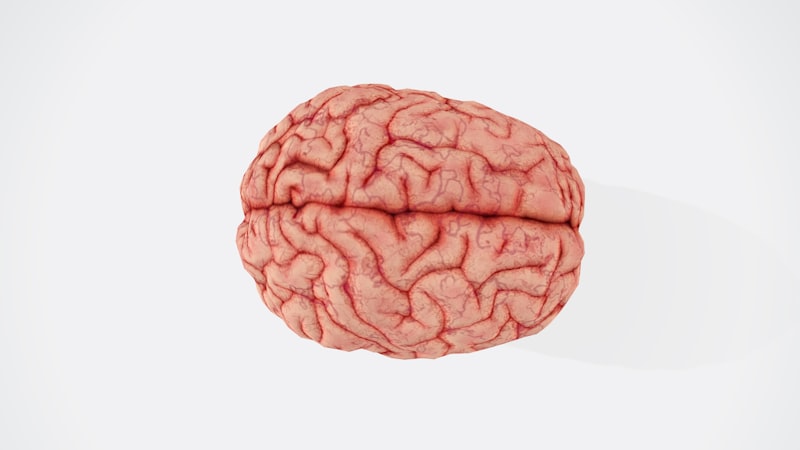
Cortical amnesia represents a specific and profound category of memory impairment arising directly from structural damage to the cerebral cortex, the outermost layer of the brain responsible for higher cognitive functions, including complex memory storage, retrieval, and executive processing. Unlike amnesic syndromes primarily linked to subcortical structures or the medial temporal lobe (such as the hippocampus), cortical amnesia involves the disruption of widespread neural networks crucial for the integration and contextualization of memories. This condition is universally classified as an organic memory disorder, meaning its origin is rooted in observable physical alteration or injury to brain tissue. The clinical presentation is often heterogeneous, reflecting the diverse functional specialization of the damaged cortical regions, leading to difficulties in accessing previously stored information or integrating new sensory input into coherent long-term memory traces.
The distinction between cortical amnesia and other forms of amnesia is critical in neuropsychology. Where hippocampal damage typically impairs the ability to form new memories (anterograde amnesia) while relatively sparing distant, consolidated memories, cortical damage often results in significant difficulties with retrieval of established information (retrograde amnesia), especially semantic knowledge or specific episodic details that rely on neocortical storage sites. The initial causal events are always organic, such as a severe head trauma following an accident, a major aneurysm rupture leading to extensive bleeding, or, commonly, a significant cerebrovascular accident (stroke). It is the resulting destruction of neurons within the vast expanse of the cortex that fundamentally alters the architecture necessary for complex mnemonic operations.
Furthermore, cortical amnesia frequently co-occurs with other high-level cognitive deficits, collectively known as cortical syndromes, which often complicate both diagnosis and rehabilitation. For example, damage to the left hemisphere may simultaneously induce amnesia and aphasia (language impairment), while right hemisphere damage may lead to visuospatial neglect alongside memory difficulties. Therefore, the resulting amnesia is not a clean, isolated memory deficit but rather a comprehensive breakdown in the brain’s ability to manage, organize, and execute memory functions that are deeply intertwined with attention, language, and perceptual processing. Understanding the specific location and extent of the cortical lesion is paramount to accurately predicting the type and severity of the resulting memory loss.
Etiology and Primary Organic Causes
The causes of cortical amnesia are inherently rooted in pathological processes that inflict direct, irreparable damage upon the grey matter of the cerebral mantle. One of the most common causes is Traumatic Brain Injury (TBI), particularly severe closed-head injuries that produce contusions, hemorrhagic lesions, and widespread diffuse axonal injury (DAI) across multiple cortical lobes. High-velocity impacts or acceleration-deceleration forces can shear or bruise cortical tissue, leading to focal areas of necrosis and subsequent memory dysfunction. The frontal and temporal poles are particularly vulnerable due to their proximity to bony prominences within the skull, meaning deficits in memory organization and source monitoring are often prominent features following such trauma.
Another predominant etiological factor is Cerebrovascular Accident (CVA), commonly known as a stroke. Both ischemic strokes (caused by a block in blood flow) and hemorrhagic strokes (caused by bleeding) can destroy large swaths of cortical tissue if the affected artery supplies a critical memory-related area. For instance, a stroke impacting the posterior cerebral artery territory might jeopardize the temporal and parietal association cortices, leading to profound semantic memory impairment or global loss of knowledge regarding people and facts. A classic example illustrating this is when a patient, such as Shirley, suffers a stroke that compromises these cortical areas, consequently leaving her with significant and long-lasting cortical amnesia affecting vast stores of previously learned information.
Beyond trauma and stroke, other organic events contribute significantly to cortical amnesia. These include major anoxic or hypoxic events, where prolonged lack of oxygen supply causes widespread neuronal death across the cortex, even if the primary damage is sometimes concentrated in the hippocampus. Furthermore, infectious diseases like herpes simplex encephalitis (HSE) preferentially target the limbic system and associated temporal and frontal cortices, often resulting in devastating global amnesia with a strong cortical component. Space-occupying lesions, such as malignant tumors (gliomas) or surgical procedures required to remove them, can also compromise the integrity of cortical networks, leading to localized or generalized memory deficits depending on the size and infiltrating nature of the pathology.
Neuropathological Substrates and Cortical Involvement
The architecture of cortical amnesia is complex because memory is not stored in a single location but is distributed across various highly interconnected cortical regions. The pathology often targets the association cortices—the regions responsible for integrating sensory input, language, and abstract thought—which are essential for turning raw experiences into meaningful, retrievable memories. Specifically, the posterior parietal cortex is critical for attention to memory retrieval cues and spatial memory organization, while the lateral temporal lobe houses crucial substrates for semantic memory (factual knowledge). Damage here can result in category-specific naming deficits or an inability to recall the meaning of objects or concepts, a hallmark distinct from pure hippocampal encoding failure.
The prefrontal cortex (PFC) plays a paramount role in the executive control of memory, including monitoring, verification, and strategic retrieval. When lesions affect the PFC, patients may not suffer from a storage deficit per se, but rather a profound retrieval failure coupled with excessive confabulation—the spontaneous generation of false memories that the patient genuinely believes to be true. This phenomenon arises because the damaged frontal lobe fails to adequately monitor the output of memory networks for coherence and context. This type of cortical involvement highlights that memory is not merely recall but also a complex process of organization and self-correction, which is compromised when the brain’s executive command center is damaged.
Furthermore, cortical amnesia involves the disruption of critical white matter tracts that link the cortical storage sites to subcortical relay stations, such as the thalamus and the basal forebrain. These tracts facilitate the rapid transfer and contextual binding of information. Damage to pathways like the cingulum bundle or the uncinate fasciculus can functionally isolate regions of the cortex, even if the grey matter itself remains intact. This disconnection syndrome manifests as amnesia because the distributed elements of a memory trace—the visual, auditory, and conceptual components—cannot be efficiently bound together for retrieval or consolidated into a single, cohesive episodic record, illustrating that the functional integrity of the entire cortical-subcortical loop is required for successful memory operations.
Clinical Manifestations and Symptom Profile
The clinical profile of cortical amnesia is characterized by a wide spectrum of memory deficits that often present in combination with other cognitive impairments. A core manifestation is typically a significant retrograde amnesia, extending far back into the patient’s life, sometimes spanning decades. Unlike the temporally graded retrograde amnesia often seen in MTL damage (where older memories are spared), cortical amnesia, especially following extensive trauma or herpes encephalitis, may result in a non-graded, highly dense loss of remote memories, suggesting the widespread destruction of memory traces stored across the neocortex. Patients struggle to recall personal life events (episodic memory) as well as general factual knowledge (semantic memory).
A key differentiating symptom is the presence of source amnesia, which is strongly associated with prefrontal cortical damage. The patient may remember a specific piece of information (e.g., that they heard a certain fact) but cannot recall the context in which they learned it (who told them, when, or where). This reflects a failure in the organizational and monitoring functions of the frontal lobes. Moreover, the ability to learn new skills or facts (anterograde memory) is frequently impaired, though the underlying mechanism differs from that of hippocampal amnesia. In the cortical variant, new learning failure might stem from severe attention deficits, poor strategy generation, or an inability to integrate new input into existing, damaged semantic networks, rather than a pure inability to consolidate information.
Patients with cortical amnesia often exhibit significant difficulty with tasks requiring strategic recall. When asked to retrieve an item, they may rely heavily on external cues or fail to systematically search their memory stores. This is compounded by the frequent manifestation of confabulation, ranging from spontaneous, richly detailed falsehoods (often seen in acute frontal lobe injury) to provoked confabulation (filling in blanks when pressed for details). Furthermore, the lack of metamemory—the awareness of one’s own memory limitations—can be severely compromised, particularly with right frontal lobe damage. This lack of insight poses significant challenges for rehabilitation, as the patient may genuinely overestimate their memory capacity or fail to utilize compensatory strategies effectively.
Differential Diagnosis: Distinguishing Forms of Amnesia
Accurate diagnosis requires careful differentiation of cortical amnesia from other forms of memory loss, notably amnesia caused by damage to the medial temporal lobe (MTL) or diencephalic structures (e.g., Korsakoff syndrome), and psychogenic amnesia. The primary differentiator is the pattern of deficit. MTL amnesia typically results in a near-pure, dense anterograde amnesia with a temporally graded retrograde loss, preserving remote memories. Cortical amnesia, conversely, is characterized by widespread, non-graded retrograde loss, semantic memory deficits, and a higher prevalence of executive dysfunction, confabulation, and source amnesia, reflecting the involvement of the widespread neocortical storage and retrieval systems.
Distinguishing cortical amnesia from functional or psychogenic amnesia is crucial, as the latter lacks any demonstrable structural brain pathology. Psychogenic amnesia is often triggered by psychological trauma and typically involves selective, episodic memory loss for specific, emotionally charged periods of life, while sparing semantic knowledge and the ability to learn new facts. Cortical amnesia, however, is invariably confirmed by objective evidence of organic pathology through neuroimaging, such as CT or MRI scans revealing clear lesions, atrophy, or evidence of prior trauma (like contusions or gliosis). Neuropsychological testing profiles also differ significantly, with psychogenic patients often performing inconsistently or poorly on tests of effort and validity, which is generally not the case in organic cortical amnesia.
A detailed analysis of memory domains provides the definitive distinction. While patients with MTL amnesia may struggle on standard free recall tasks, they often show normal performance on implicit memory tasks (e.g., priming or skill learning). In contrast, cortical damage, especially if widespread or impacting the basal ganglia-cortical loops, can sometimes impair certain aspects of implicit memory or skill acquisition (procedural memory), further diversifying the clinical picture. Therefore, the differential diagnosis hinges on a comprehensive battery of tests that probe not just what the patient remembers, but how the memory network is failing—whether it is an encoding failure (MTL), an organizational/retrieval failure (Frontal Cortex), or a storage/semantic failure (Temporal/Parietal Cortex).
Neuropsychological Assessment and Diagnostic Procedures
The comprehensive assessment of suspected cortical amnesia begins with a detailed clinical interview and a standardized neuropsychological battery designed to characterize the specific nature and severity of the memory deficit. The assessment must go beyond simple recall tests to evaluate the different components of memory: episodic, semantic, working, and procedural. Instruments such as the Wechsler Memory Scale (WMS) are standard, but specialized tests are needed to isolate cortical functions, including tests for semantic fluency (naming categories), remote memory batteries (testing public events or famous faces), and tasks specifically probing source monitoring and contextual recall, which are highly sensitive to frontal and parietal lobe involvement.
Because cortical lesions frequently impair executive functions, assessment must include measures of planning, cognitive flexibility, and inhibition, such as the Wisconsin Card Sorting Test or the Tower of London test. A patient’s failure to strategically organize information during encoding or retrieval, as measured by these executive tests, provides crucial evidence that the amnesia is cortical, rather than purely limbic. Furthermore, tests sensitive to procedural learning, such as mirror tracing or sequence learning tasks, can help determine if subcortical structures remain functional, providing a clearer picture of the relative sparing or impairment of non-declarative memory systems within the context of widespread cortical damage.
Diagnostic confirmation relies heavily on structural neuroimaging. Magnetic Resonance Imaging (MRI) is the gold standard, providing high-resolution images necessary to identify the precise cortical lesion—be it a post-stroke infarct, a tumor mass, or evidence of traumatic contusion (hemosiderin deposits). Functional imaging techniques, such as Positron Emission Tomography (PET) or functional MRI (fMRI), can also be invaluable, particularly in cases where structural damage is subtle (e.g., early stages of dementia or mild TBI). These techniques can reveal areas of hypometabolism or reduced functional connectivity across critical cortical networks, providing objective evidence of the functional impairment underlying the memory symptoms, thereby confirming the organic nature of the cortical amnesia.
Management and Therapeutic Interventions
Management of cortical amnesia is primarily focused on rehabilitation, as the underlying structural damage is often permanent. The therapeutic approach must be tailored to the specific pattern of cortical deficit identified during assessment. Cognitive Rehabilitation Therapy (CRT) utilizes highly structured, individualized training programs designed to teach compensatory strategies. Given the frequent presence of executive dysfunction, therapy often focuses on external memory aids, such such as rigorous use of daily planners, electronic reminders, and structured environmental cues to minimize reliance on damaged internal recall mechanisms.
Specific memory training techniques are employed based on the type of memory failure. For patients with severe anterograde components, techniques like Errorless Learning (preventing the patient from making mistakes during practice) and Spaced Retrieval (gradually increasing the time delay between successful recall attempts) are highly effective, particularly in mastering specific vocational or personal facts. Conversely, for significant retrograde amnesia, interventions might focus on reconstructing biographical timelines using external stimuli (photos, videos, family narratives) to attempt to reactivate partially preserved, distributed memory traces within the surviving cortex, emphasizing familiar and emotionally salient information.
Pharmacological intervention plays a supportive, rather than curative, role. While there are no drugs that can regrow destroyed cortical tissue, medications may be used to enhance residual cognitive functions that support memory, such as attention and alertness. Cholinesterase inhibitors, sometimes used in Alzheimer’s disease, may be trialed to improve cholinergic neurotransmission, potentially boosting attention and retrieval effort, especially in cases where basal forebrain structures are also compromised. Additionally, managing co-morbid psychological issues such as depression, anxiety, or aggression—which frequently follow severe brain injury—is essential, as these factors significantly impede the patient’s motivation and capacity to engage successfully in rigorous memory rehabilitation protocols.
Prognosis and Functional Outcomes
The prognosis for individuals suffering from cortical amnesia is highly variable and directly correlates with the etiology, the extent, and the location of the organic damage. Amnesia resulting from focal, surgically correctable lesions may carry a better outlook than that caused by widespread, diffuse injury (such as severe TBI or anoxic events). Patients with significant bilateral damage to the temporal and parietal association cortices often face severe, chronic, and debilitating memory loss, requiring lifelong support and supervision, as their ability to function independently is dramatically reduced due to the dense loss of both semantic and episodic knowledge.
Recovery, particularly following acute events like stroke or trauma, follows a pattern of spontaneous improvement, which is most pronounced in the first six to twelve months post-injury. This initial recovery is attributed to the resolution of edema, metabolic shock, and the plasticity of adjacent, surviving cortical regions that attempt to assume lost functions. However, memory deficits attributable to permanent neuronal loss typically reach a recovery plateau thereafter, meaning the residual amnesia becomes chronic. Long-term functional outcome hinges on the patient’s ability to successfully internalize and consistently use the compensatory strategies taught during rehabilitation.
Ultimately, the quality of life for individuals with chronic cortical amnesia depends heavily on environmental factors and social support. Successful long-term adjustment is facilitated by establishing highly predictable routines, minimizing complex decision-making, and ensuring the consistent use of external memory aids. The goal of long-term management is not full recovery of memory function, which is often biologically impossible given the extent of neuronal loss, but rather maximizing functional independence and integration through strategic compensation and the creation of a supportive, low-demand living environment.